
3 reasons behind India's downfall in T20Is
(Courtesy : BCCI/Twitter)
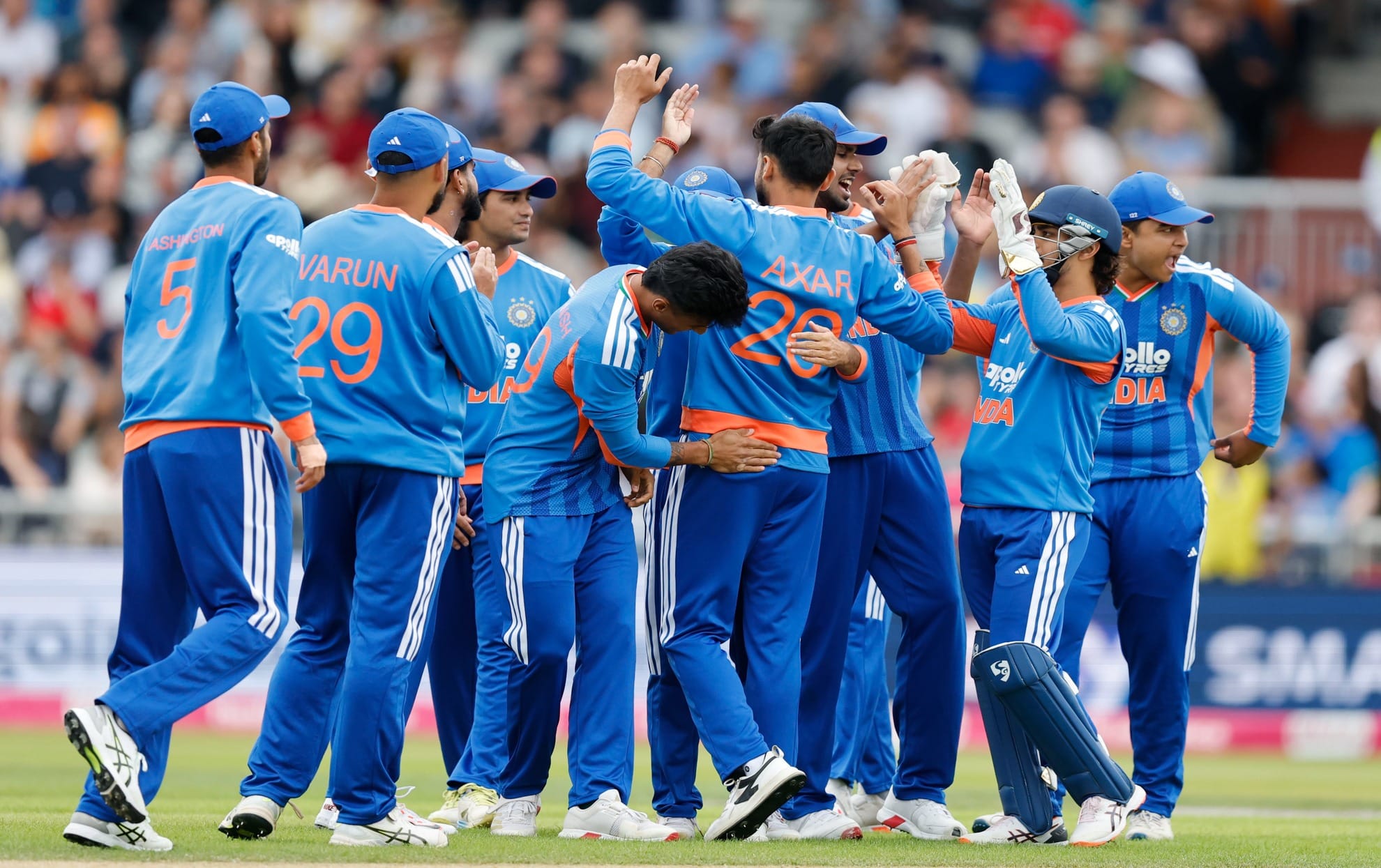
India suffered a humiliating whitewash in the T20I series against Ireland in June.
The Indian Cricket Team scripted history by bagging the T20 World Cup 2026 in March, becoming the first nation to win three T20 WC titles and win two consecutive trophies.
After winning the title, India made a major leadership change, appointing Shreyas Iyer as the new captain of the shortest format, replacing Suryakumar Yadav.
Although Suryakumar’s removal as T20I skipper broke the hearts of many fans and did not go well among many experts, Shreyas’ appointment was justified based on his excellent leadership as well as strong form in the Indian Premier League (IPL) over the last three years.
However, Shreyas Iyer has struggled to find rhythm and faced woes with his captaincy right at the start. So far, India have lost a T20I series against Ireland (2-0) and trail 2-0 in a five-match T20I series against England after three games.
It won’t be justified to place all the blame on the Indian captain, as a few other factors are also responsible for the team’s downfall in T20Is. Below, let’s discuss three of them.
Reasons behind India’s struggles in T20I Cricket
Catch Every Update, Anytime, Anywhere
Plenty of left-handers in XI
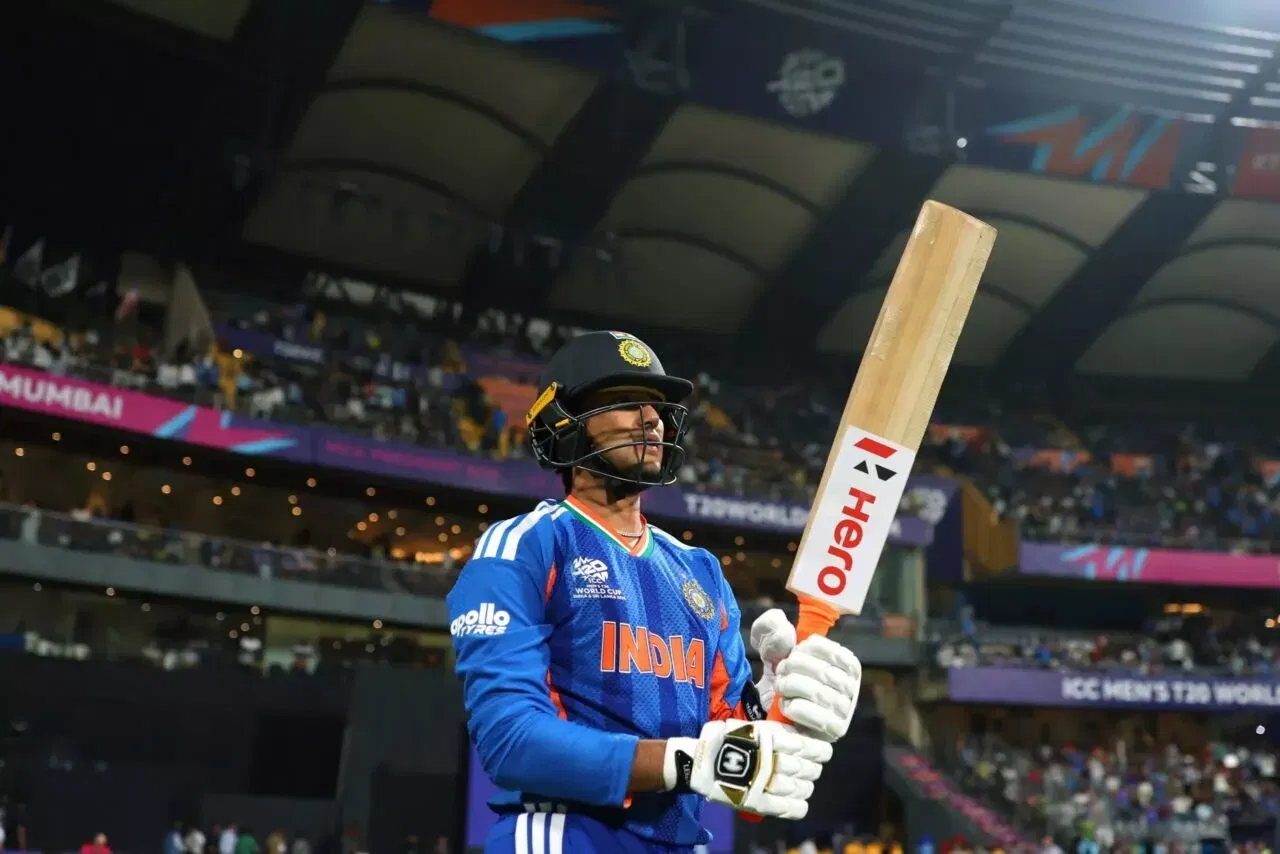
The right-left combination is a key to success in T20I cricket. India’s lineup has often been bolstered by right-handers, with left-handers not being regular, barring a few batters. However, if we look at the current T20I side, plenty of left-handed batters are there.
In the current squad against England, Vaibhav Sooryavanshi, Tilak Varma, Shivam Dube, Abhishek Sharma, Axar Patel, Washington Sundar, and Ishan Kishan are left-handers.
Shreyas Iyer, Suryansh Shedge, and Sanju Samson are the only three right-handers. In the second ENG vs IND T20I, Iyer was the only right-hander in the top seven.
This makes the lineup pretty one-dimensional, and makes it easy for the opposition to plan. Having a left-right batting pair forces the bowler to change their line, lengths and even angles, which batters can cash in and score.
Abundance of all-rounders and lack of proper ones
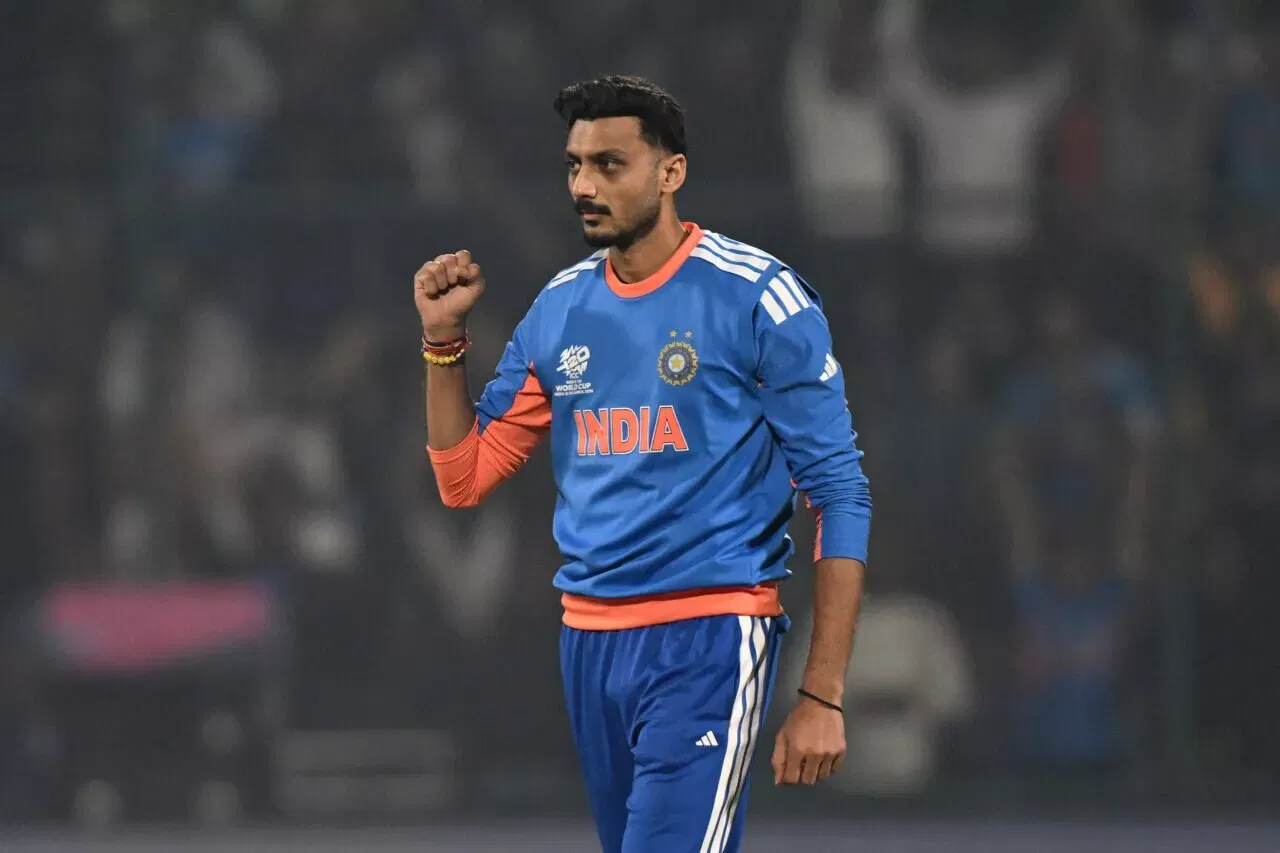
Having all-rounders in the XI surely makes the team look strong on paper as they can contribute in more than one department. In the current team, India have a lot of bench strength in the all-rounder category; however, they lack effective ones.
For instance, Shivam Dube, Abhishek Sharma and Suryansh Shedge are pretty solid with the bat but are not regular bowlers. Similarly, Axar Patel and Washington Sundar can be termed as assets with the ball but are not that reliable with the bat.
Interestingly, Harshit Rana, who is considered a genuine fast bowler, has done a better job with the bat than a few all-rounders, justifying his ability, and also highlighting the lack of effectiveness in India’s all-rounders department.
Therefore, India need to play proper all-rounders who can add value in both departments if they wish to make a comeback in the shortest format.
Unable to adapt to foreign conditions after prolonged home season
India have been playing continuous cricket at home since the Australia tour in 2025. They were pretty dominant at home, winning series for fun. After that, the IPL took place under those same conditions, and then they went to the United Kingdom, where the situation is completely different.
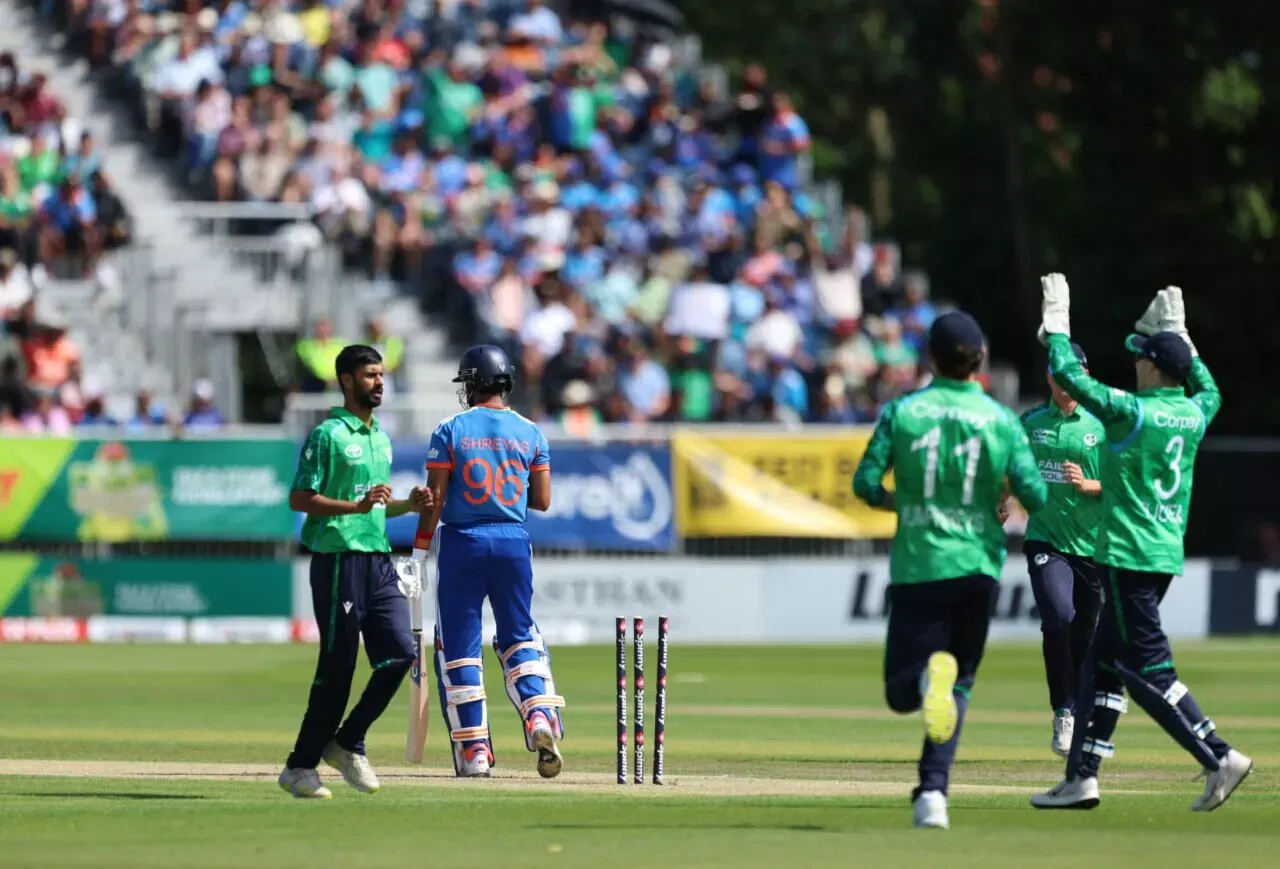
For instance, India dominated the T20 World Cup 2026 at home, but struggled against Ireland in Ireland, where conditions were different and challenging, and lost 2-0. In England too, India struggled to cross the 200-run mark and also lost the second and third T20I.
Who is leading the ENG vs IND T20I series?
England lead the five-match series 2-0 after three games.
Who won the IRE vs IND T20I series?
Ireland bagged a 2-0 whitewash in the campaign.
For more updates, follow Khel Now Cricket on Facebook, Twitter, Instagram, Youtube; download the Khel Now Android App or IOS App and join our community on Whatsapp & Telegram.