
Why does Indian cricket's talent pool now come from smaller towns in the country?
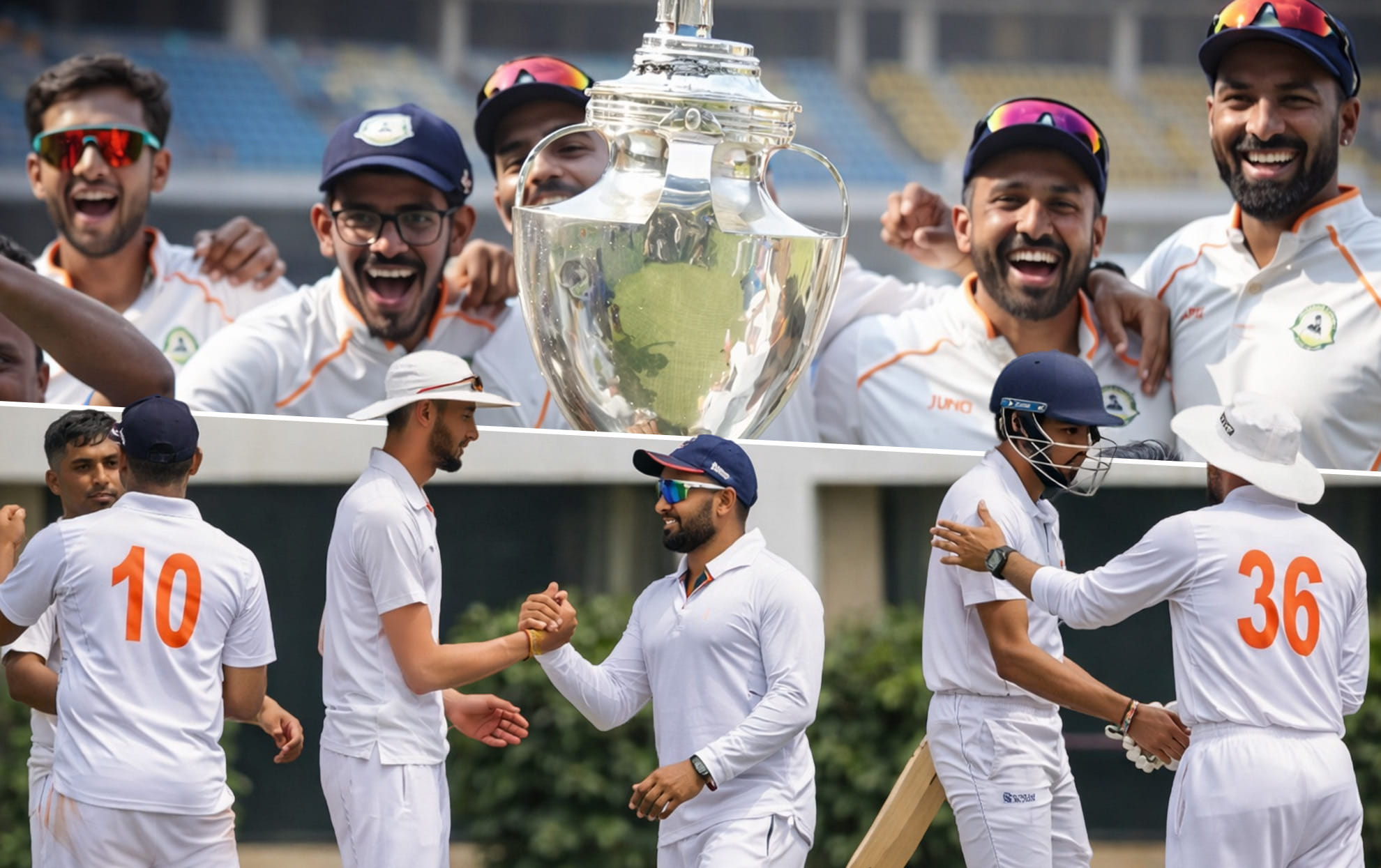
Aspiring cricketers no longer need to move to big cities to fulfil their dreams to play for India.
Unity in diversity! This concept is not limited to India, but also to the sport of cricket. Although all Indian players share the same environment in the dressing room, their journeys tell a very different story. If we glance at the culture of cricket in India, players can be divided into two categories.
On the one hand, there are players from metro cities, where youngsters travel by trains, metros, or cars to their coaching clubs every morning. With proper guidance from professional coaches and access to expensive equipment, they train daily, battling the heat and honing their skills.
On the other hand, there are players from smaller towns and villages who often walk through rough roads to their coaching centres. Despite lacking proper facilities, they enjoy the sport by training hard under the scorching heat.
Catch Every Update, Anytime, Anywhere
However, one thing is common between both these sets- “Dream to play for India“. Although their childhood lives are different like two sides of a coin, they leave no stone unturned to showcase their love for the game of cricket and wear the Indian jersey in future.
Since the inception, a few cricket clubs have always dominated Indian cricket, with an influx of their players into the national side. Clubs like Calcutta Cricket Club, Madras Cricket Club, and Bombay Cricket Club are even older than the Board of Control for Cricket in India (BCCI).
A few decades back, it was crucial to make it to such bigger clubs in metro cities to get a better chance to play for the Indian Cricket Team. Legends like Sachin Tendulkar, Sunil Gavaskar, Sourav Ganguly, and Rahul Dravid all came from bigger cities and well-known clubs.
However, the scenario drastically changed from the late 20th to the early 21st century, when players from smaller cities started making headlines. A popular example is MS Dhoni, who despite hailing from a small town Ranchi, went on to become the most successful captain of India. Suresh Raina, Ravindra Jadeja, Mohammed Shami, Munaf Patel, Zaheer Khan, and Mohammed Siraj are a few other examples.
In the current time, the difference between metro cities and smaller towns has completely faded when it comes to playing for the nation. Moreover, youngsters from smaller cities have started outperforming the players from metro cities.
Vaibhav Suryavanshi is a big example, who despite belonging to India’s poorest state Bihar, has earned appreciation with his performance and looks like a promising talent to play for India in future.
Unarguably, players from smaller towns have grabbed more limelight in recent times and players from across different states and union territories are achieving success in cricket. On that note, below are a few reasons why the Indian cricket talent pool now comes from across the length and breadth of India.
Why Indian cricket talent pool now comes from across length and breadth of the country?
1. Better financial security
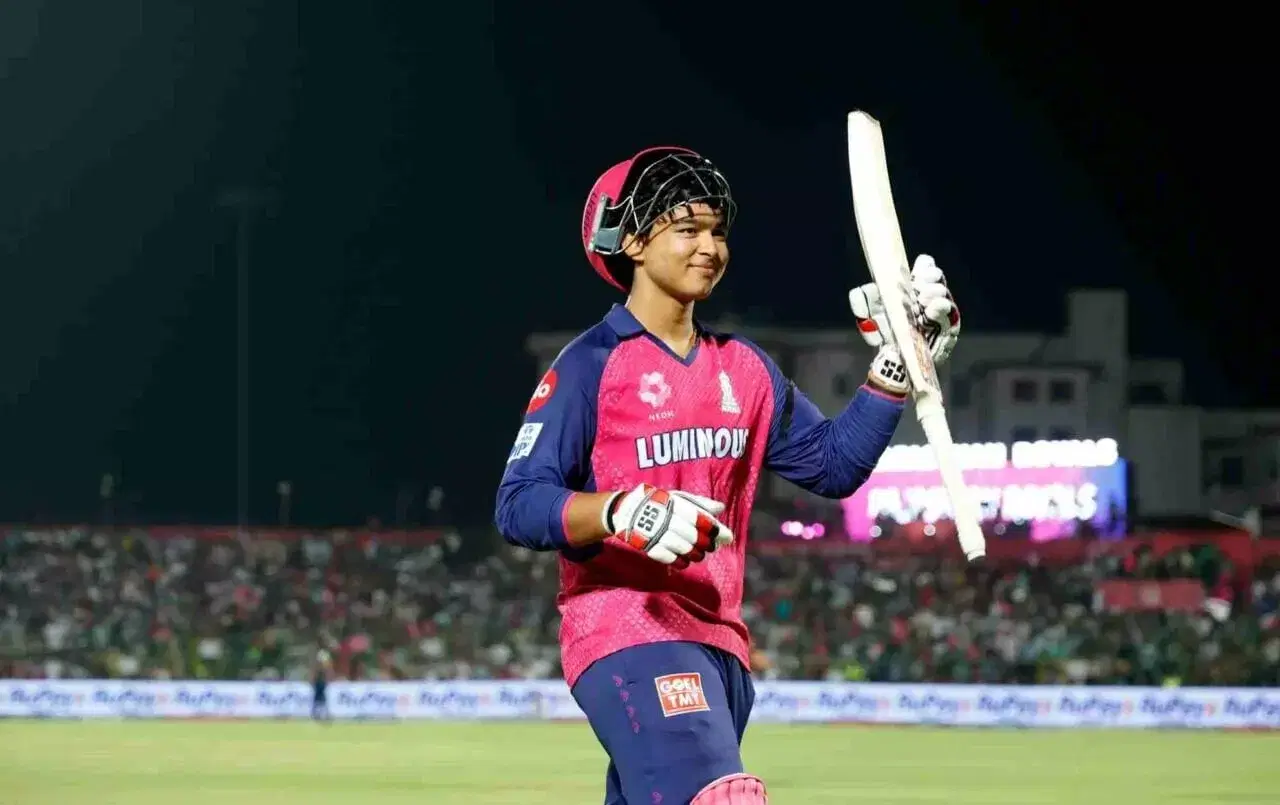
Earlier, cricketers used to earn well only if they were playing for the national team. Nowadays, players can earn well if they play for state teams. IPL, local T20 franchise leagues, and domestic tournaments often offer hefty salaries to their players.
For example, state associations pay over INR 20 lakh annually to their contracted players. Even IPL pays in lakhs to young and emerging players, as the tournament has a minimum base price of Rs. 30 lakh in the auction. State T20 leagues like Delhi Premier League and UP Premier League also pay in lakhs to players.
Hence, this has emboldened the minds of young players and more and more are taking up the sport. Now, cricket is not a risky profession in India and players can ‘retire rich and retire young‘ even if they could not make it to the Indian team.
2. Socio-economic development
With the development of small towns and villages in the last few years, people have better access to resources, health, and employment. With better access to electricity and internet services, more people enjoy watching cricket than in the past. This motivates and inspires young kids to try their luck in cricket, which leads to a large population of youngsters taking up cricket coaching.
This has also helped the families to allow their children to pursue cricket and try their luck, as many opportunities are also available in the sport. This has changed the mindset and culture of cricket enthusiasts in remote regions. It has also increased the pool of aspiring players from these places, and hence, more players make it to the bigger platforms.
For instance, India Women’s vice-captain Smriti Mandhana grew up and developed her skills in a small town in Sangli, Maharashtra. Despite hailing from a small city, she was able to make it to the national team and has become one of the most decorated players in Women’s cricket.
Another example is medium pacer Kranti Goud, who started her cricketing journey from a small village named Ghuwara in Madhya Pradesh’s Chhindwara district.
3. Improved infrastructure
In the last few years, infrastructure in smaller cities has grown, and players often have more facilities than they used to have in the past. Cities like Varanasi, Nagpur, Jaipur, Kochi, Lucknow, and Kanpur have witnessed the development of metro rail networks in the last decade.
More clubs and cricket centres have been set up in remote regions, many of which are also established by Indian cricketers. This has significantly reduced the gap in facilities that players from metro and smaller cities receive.
Hence, it is not necessary to shift to an urban city to pursue cricket as a career. This has helped many youngsters to pursue cricket as a career with family support and lesser expenditure. Due to better transport facilities in two-tier and three-tier cities, players can afford expenses and save their travelling time.
A big example of this is Rishabh Pant, who moved from Roorkee to Delhi to find a good coach and better facilities. However, this issue has diminished to a great extent in the current time.
Also, many cricket stadiums have been developed in remote regions in the last few years, which has helped to promote sports culture among youths. For instance, Barsapara Cricket Stadium in Guwahati became the 30th venue to host test matches in India last year.
4. Inception of local leagues
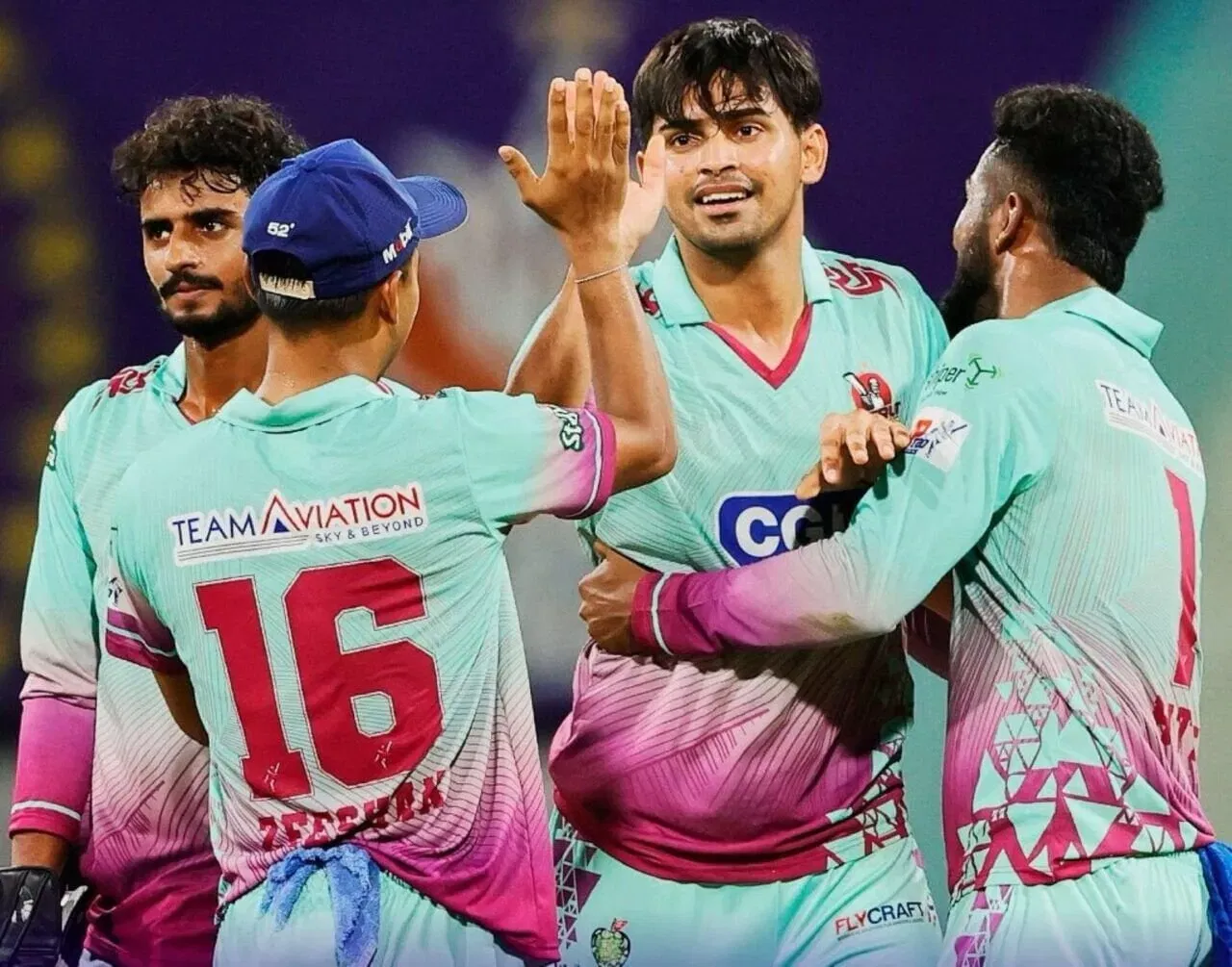
Many cricket leagues have been established at the state and city levels. A decade back, the IPL was the only tournament that gave a platform to domestic players to showcase their might.
However, state leagues like UP T20 league, Tamil Nadu Premier League, Delhi Premier League, Mizoram Premier League, Kerala Premier League, and T20 Mumbai League have provided multiple platforms to young players to make it to the big stage.
Moreover, these leagues help to highlight players with potential and talent and provide them exaggerated pathway to national prominence. These leagues are a big source of talent pool for selectors.
For instance, uncapped players Kartik Sharma and Prashant Veer earned more than INR 14 crore packages from Chennai Super Kings (CSK) in the IPL 2026 auction. These players hailed from small towns and impressed with their performances in such local leagues.
The pathway to reach the national team has also changed with the development of such leagues. Earlier, players needed to play at the district level and state level to make it to the national team. Moreover, playing first-class cricket and List A cricket was essential to grab a spot in the national side.
However, this is not necessary in the current time as players can book a berth in the Indian Team even if they don’t play for domestic teams. IPL is a major talent pool for selectors and players like Jasprit Bumrah, Hardik Pandya, Tilak Varma, Rinku Singh, and Ravi Bishnoi are a few examples who entered the national team through the tournament.
Why are small city players performing well in cricket these days?
Small city players are performing well in cricket these days due to several factors like socio-economic development and improving infratructure in small cities.
Where does Smriti Mandhana hails from?
Smriti Mandhana hails from Sangli, Maharashtra.
Where does Kranti Gaud hails from?
Kranti Gaud hails from Madhya Pradesh’s Chhindwara district. She grew up in a small village named Ghuwara.
For more updates, follow Khel Now Cricket on Facebook, Twitter, Instagram, Youtube; download the Khel Now Android App or IOS App and join our community on Whatsapp & Telegram.