
5 instances when teams boycotted ICC World Cup matches ft. Pakistan
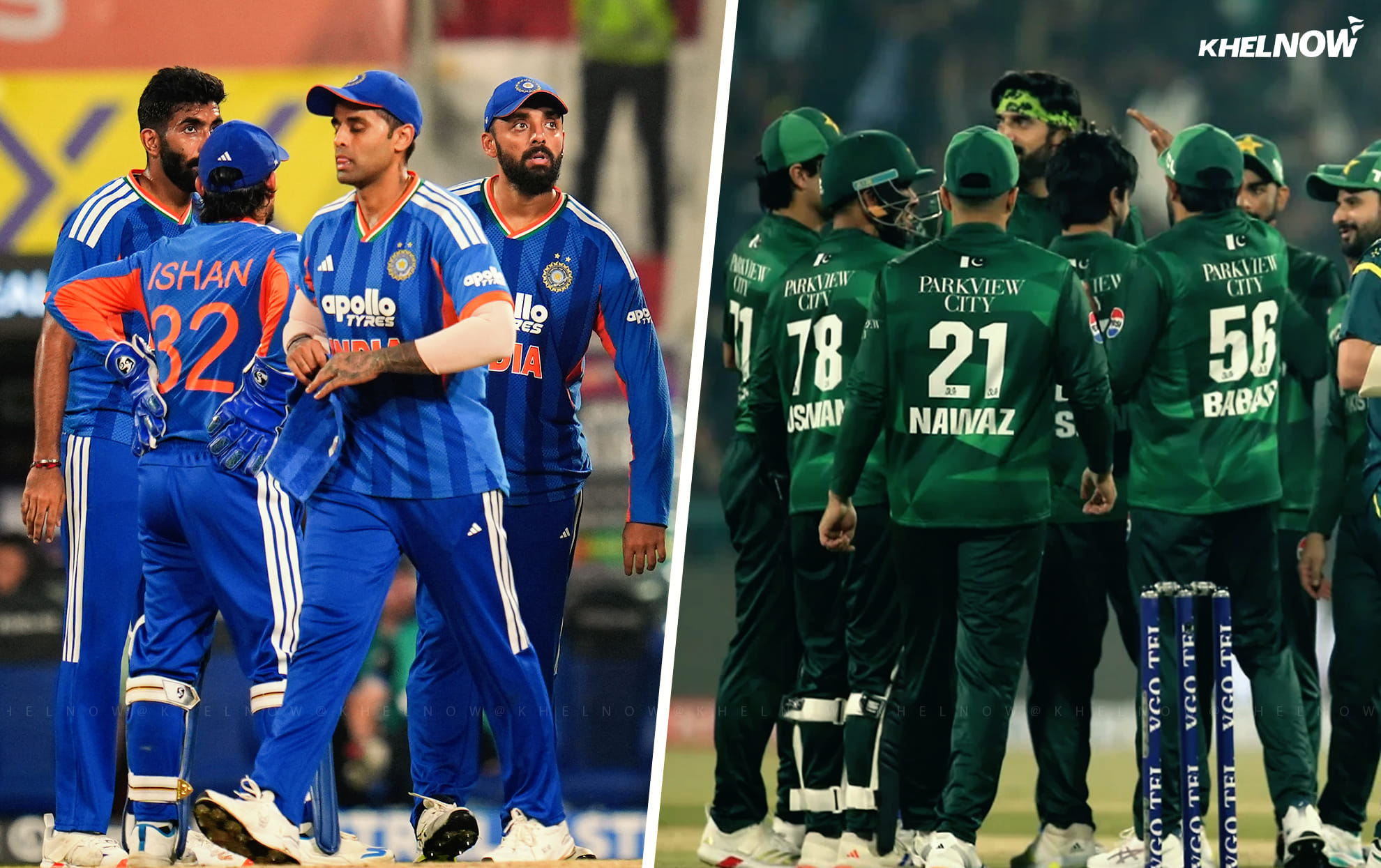
A few teams boycotted their matches in the ICC World Cups in the past.
The ICC World Cup showcases the highest level of international cricket, where several countries compete against each other in thrilling matches. While bilateral series features a clash between two nations, ICC World Cup tournaments comprise many nations competing against each other for the title of ‘World Champions’.
Although cricket is regarded as a gentleman’s game, it is not immune to factors such as politics, security concerns, or ethical issues. In the past, a few teams have boycotted their crucial games in the ICC World Cup, sparking a heated discussion within the entire cricket fraternity.
On that note, below are the 5 notable instances when teams boycotted their clashes in the ICC World Cup.
Catch Every Update, Anytime, Anywhere
5. Australia (vs Sri Lanka, ODI WC 1996)
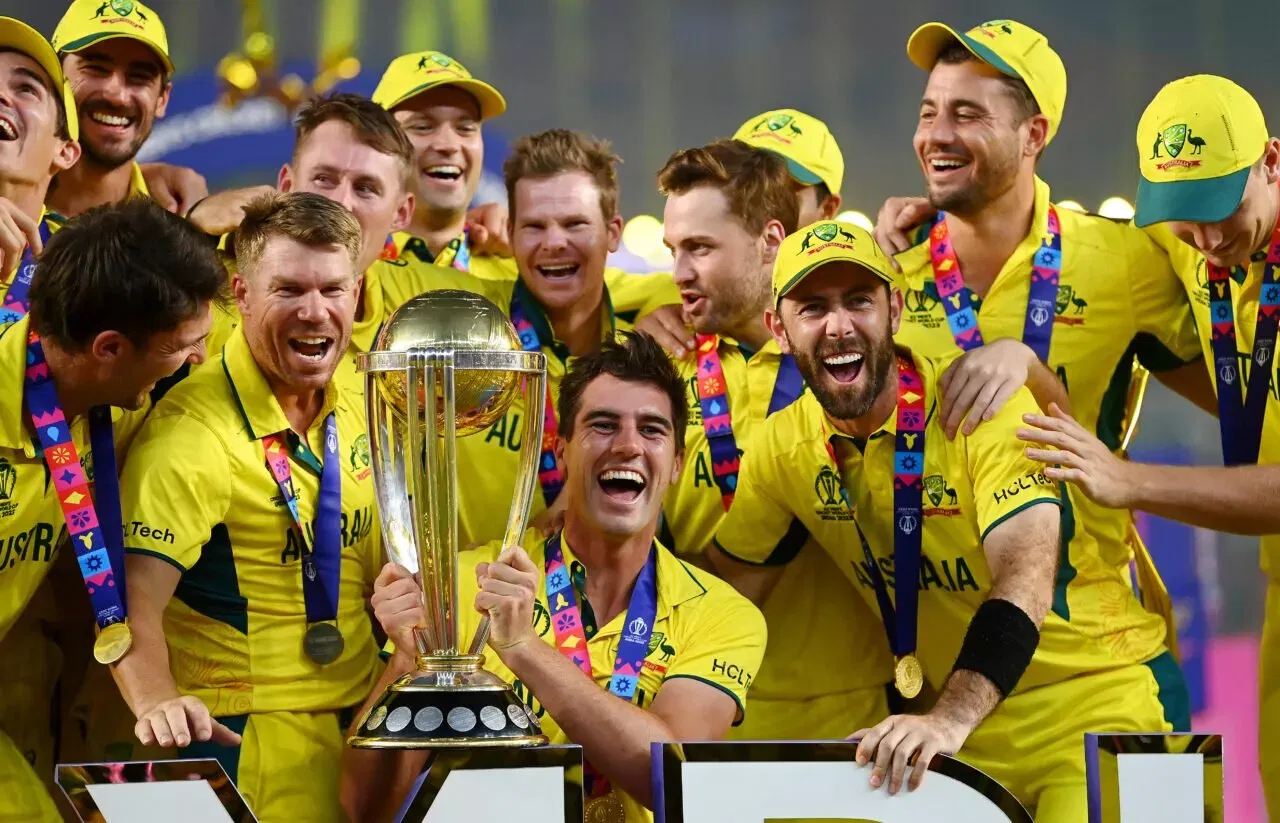
India, Pakistan, and Sri Lanka were the co-hosts of the ICC Cricket World Cup 1996. Australia refused to travel to Sri Lanka, which was in the midst of a civil war. Due to a bomb explosion just two weeks ahead of the tournament, Australia denied travelling to Sri Lanka for a group stage match.
As a result, the Men-in-Yellow were made to forfeit their points for the match. Interestingly, Sri Lanka and Australia faced each other in the final of the tournament in Lahore, where the Lankan team crushed the Kangaroos to win their first-ever ODI World Cup title.
4. West Indies (vs Sri Lanka, ODI WC 1996)
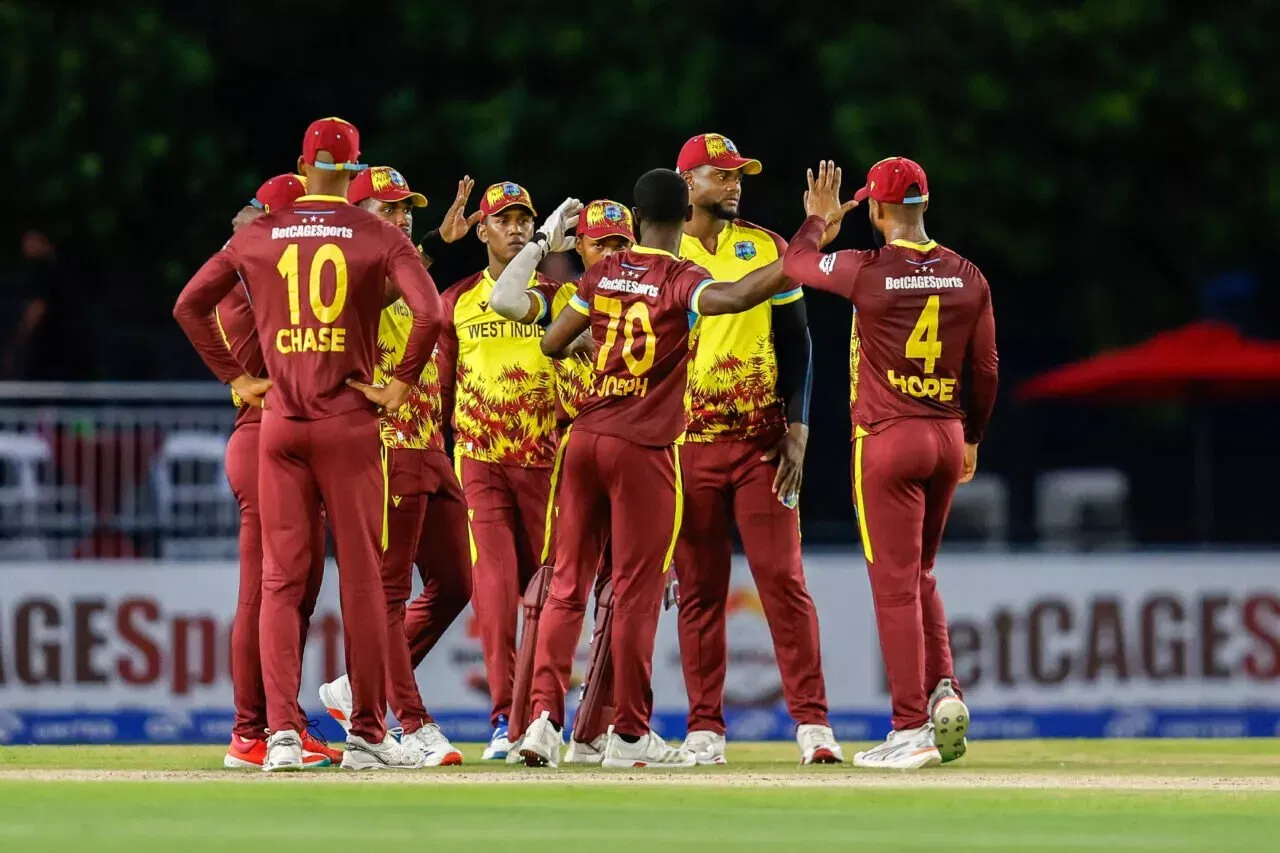
For security reasons, the West Indies also refused to travel to Sri Lanka for their group stage match in the 1996 ODI World Cup.
Like Australia, they also boycotted their match against Sri Lanka in the group stage and had to forfeit their points. Despite this event, the Caribbean team reached the quarter-finals of the tournament.
3. England (vs Zimbabwe, ODI WC 2003)
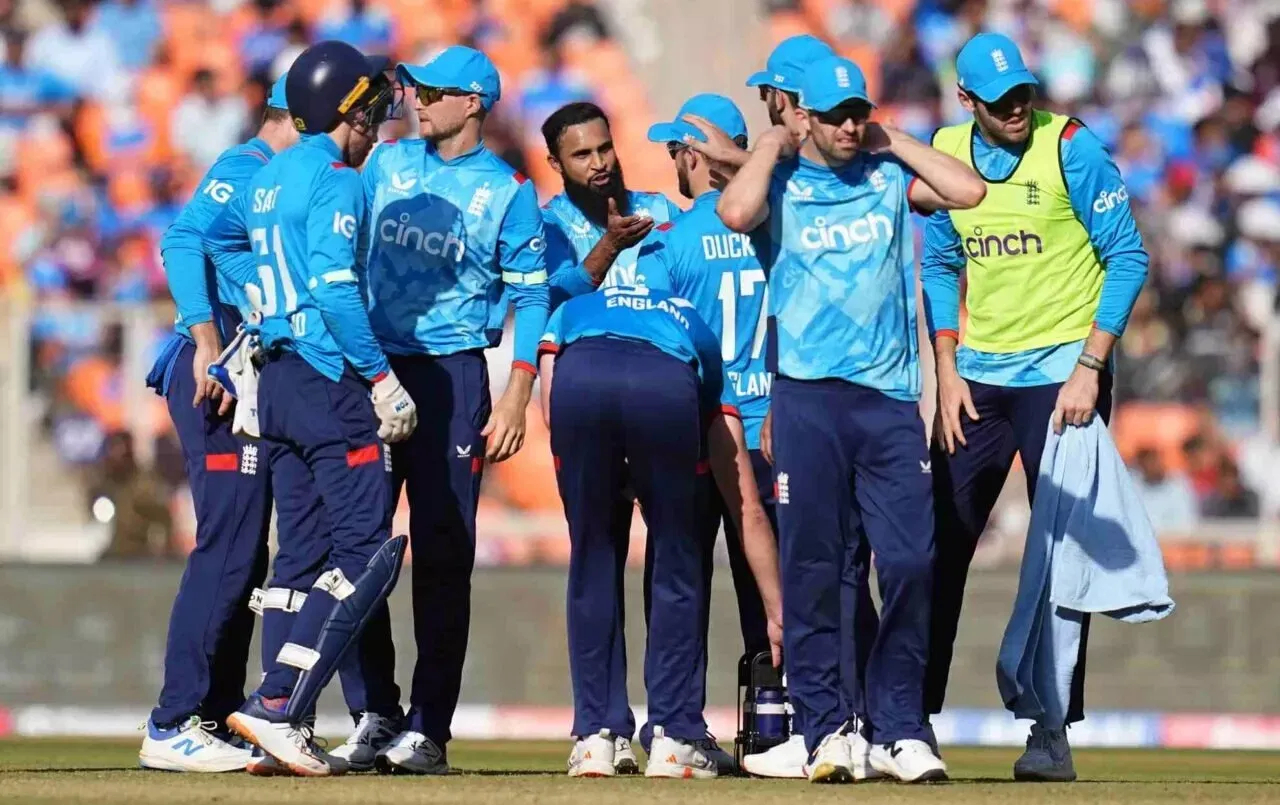
South Africa, Zimbabwe, and Kenya hosted the 2003 ODI World Cup. England and Zimbabwe were grouped in the same pool (Group A) in the first round.
Due to political differences between the United Kingdom (UK) and the Government of Zimbabwe, England boycotted their match against Zimbabwe and consequently lost crucial points. They were also eliminated after the first round.
2. New Zealand (vs Kenya, ODI WC 2003)
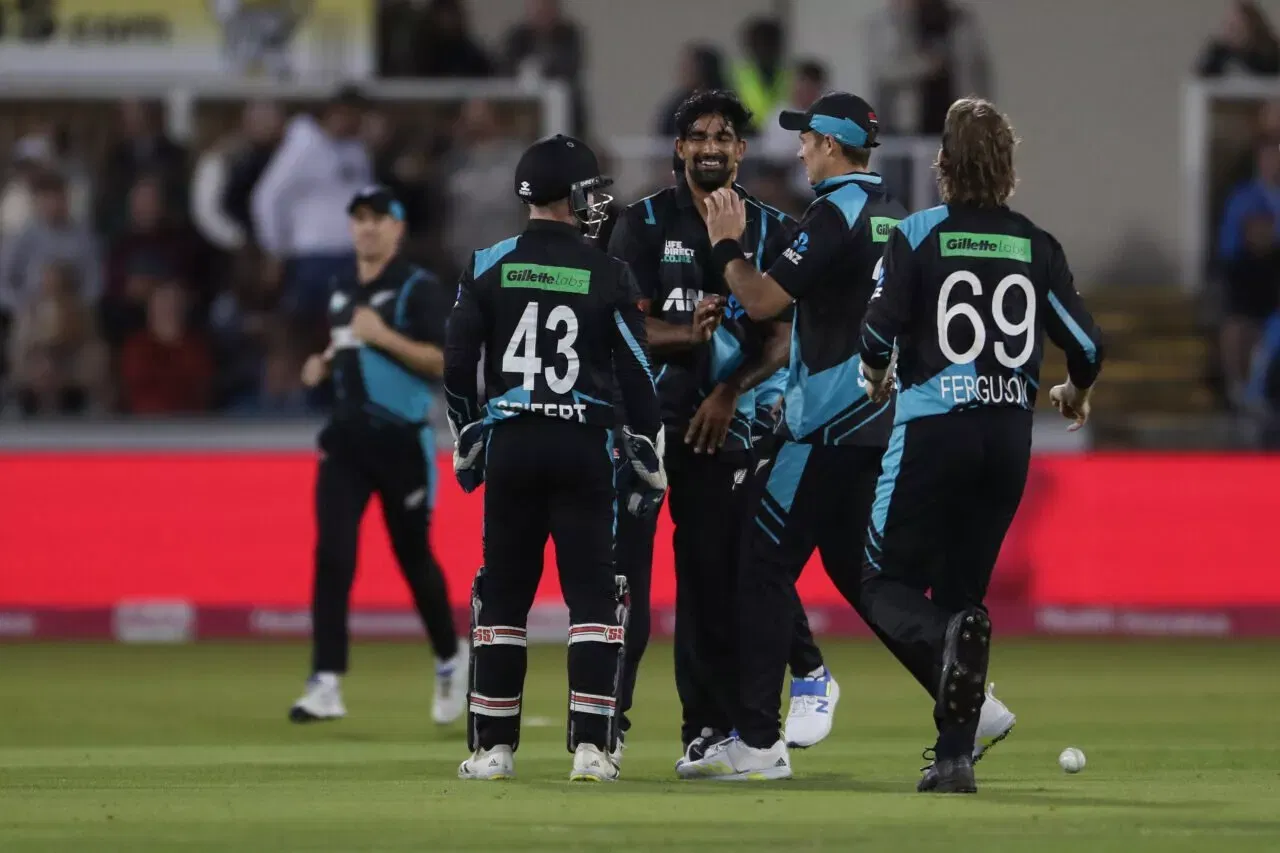
In the same tournament, New Zealand refused to travel to Kenya, citing security issues for their players. Notably, there had been a bomb blast in Kenya’s Mombasa city a few months earlier.
As a result, the Black Caps did not play against Kenya in the first round, where both teams were placed in Group B. Although they appealed to the International Cricket Council (ICC) to shift their games, the governing body awarded a walkover to Kenya.
This move proved beneficial for Kenya as it helped them reach the Super Six round and the semi-finals of the tournament.
1. Pakistan (vs India, T20 World Cup 2026)
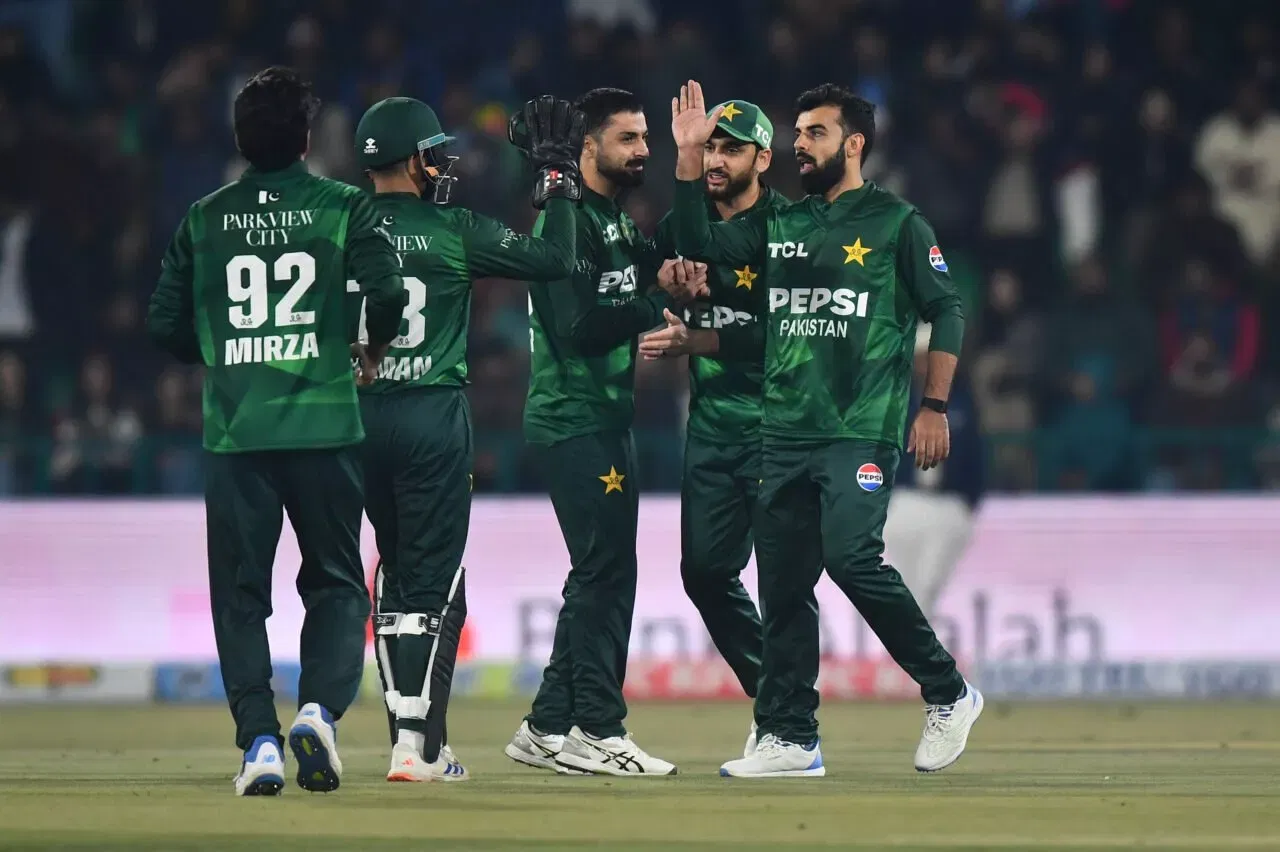
Pakistan boycotted their clash against India in the ICC T20 World Cup 2026. Notably, the Men-in-Green have initiated the move as a mark of protest against Bangladesh’s ouster from the ICC tournament.
The ICC rejected Bangladesh’s request to shift their matches outside of India. Following this, they decided not to participate in the tournament, and Scotland were included in their place. Pakistan, who supported Bangladesh in the matter, refused to face the Men-in-Blue on February 15 in Colombo.
Why did Pakistan boycott their clash against India in the ICC T20 World Cup 2026?
Pakistan boycotted their clash against India in the ICC T20 World Cup 2026 as a mark of protest against Bangladesh’s removal from the tournament. ICC refused Bangladesh’s demand to relocate their matches out of India and replaced them with Scotland.
Who are the hosts of the ICC T20 World Cup 2026?
India and Sri Lanka are the hosts of the ICC T20 World Cup 2026.
For more updates, follow Khel Now Cricket on Facebook, Twitter, Instagram, Youtube; download the Khel Now Android App or IOS App and join our community on Whatsapp & Telegram.