
Six instances when teams refused to play World Cups ft. Bangladesh
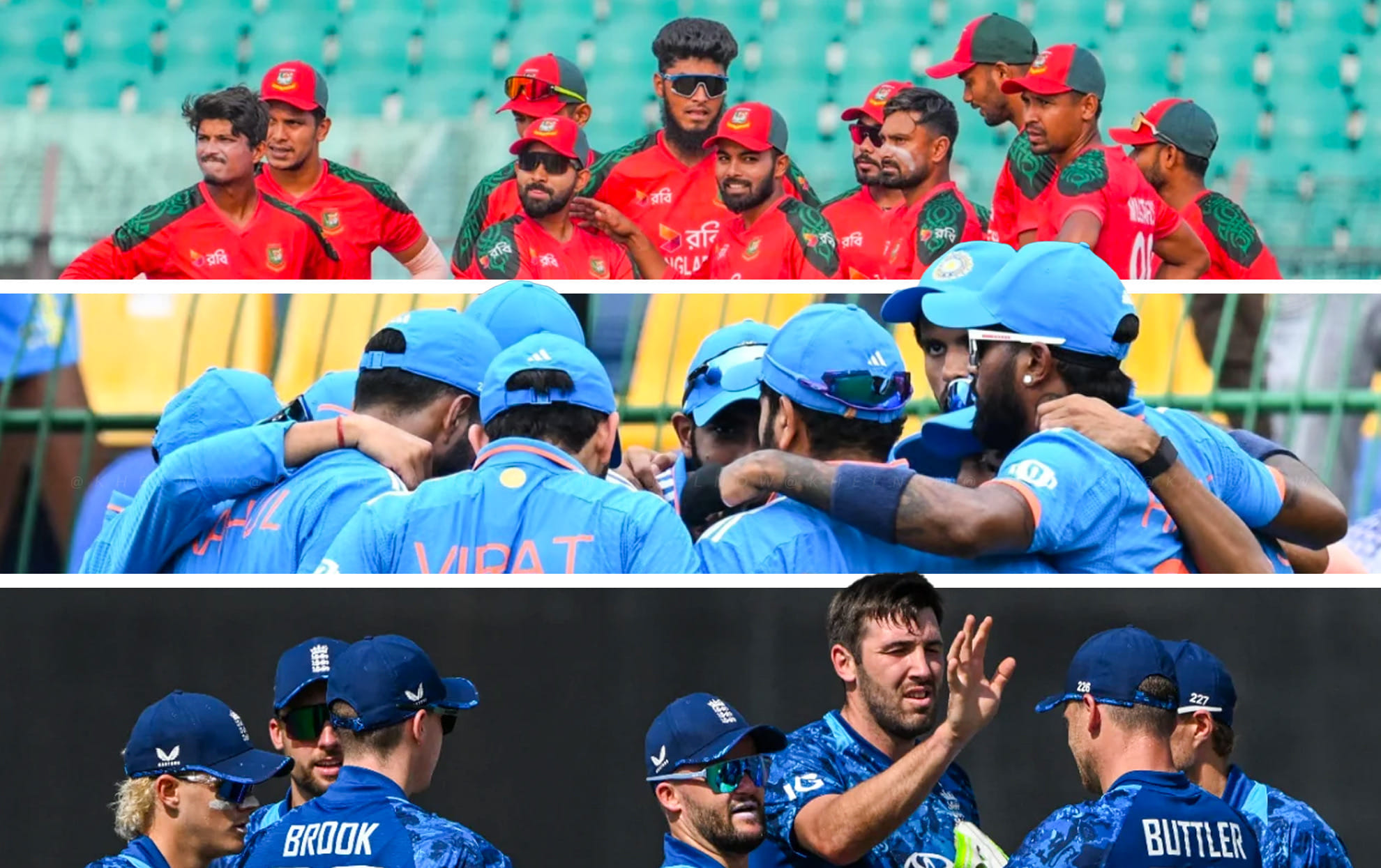
Bangladesh refused to travel to India for the ICC T20 World Cup 2026, citing security reasons amid political tensions between two nations.
Global cricket often hits a breaking point when politics spills over onto the pitch. This forces officials to make tough calls between keeping players safe and protecting national pride. Fans usually wait for these big tournaments with high hopes. But political fights can wreck the schedule long before bombers throw the first ball.
The Bangladesh Cricket Board (BCB) is currently sparking a new controversy. They are flatly refusing to tour India for the ICC T20 World Cup 2026 because of bad blood between the countries.
Officials are stuck in a standoff right now. This mess puts the whole tournament structure at risk. It feels like several past cases where teams gave up matches or pulled out entirely. They went that route instead of risking their safety or giving in on their principles.
Instances when teams refused to play World Cups
6. Australia & West Indies not playing the ODI World Cup 1996 in Sri Lanka
Violence in Colombo hung over the start of the 1996 World Cup in Sri Lanka. A bombing at a central bank made everyone nervous. This led Australia and the West Indies to say no to travelling to the island for their group games.
India and Pakistan played a friendly match to show that the area was safe. Even so, the two Western teams gave up their games. These old examples show a clear trend. Cricket has a hard time escaping the messy reality of world politics.
5. England refuse to play Zimbabwe & New Zealand not travelling to Nairobi to play against Kenya in the ODI World Cup 2003
The 2003 World Cup saw two different boycotts over the host nations. England gave up their game in Harare against Zimbabwe. They did it because of massive pressure on the country’s political state. At the same time, New Zealand refused to go to Nairobi to play Kenya. They felt there was a real security threat. Both teams took the loss. They would rather lose points than risk their players’ lives in a dangerous spot.
4. Zimbabwe boycotting ICC T20 World Cup 2009 in England
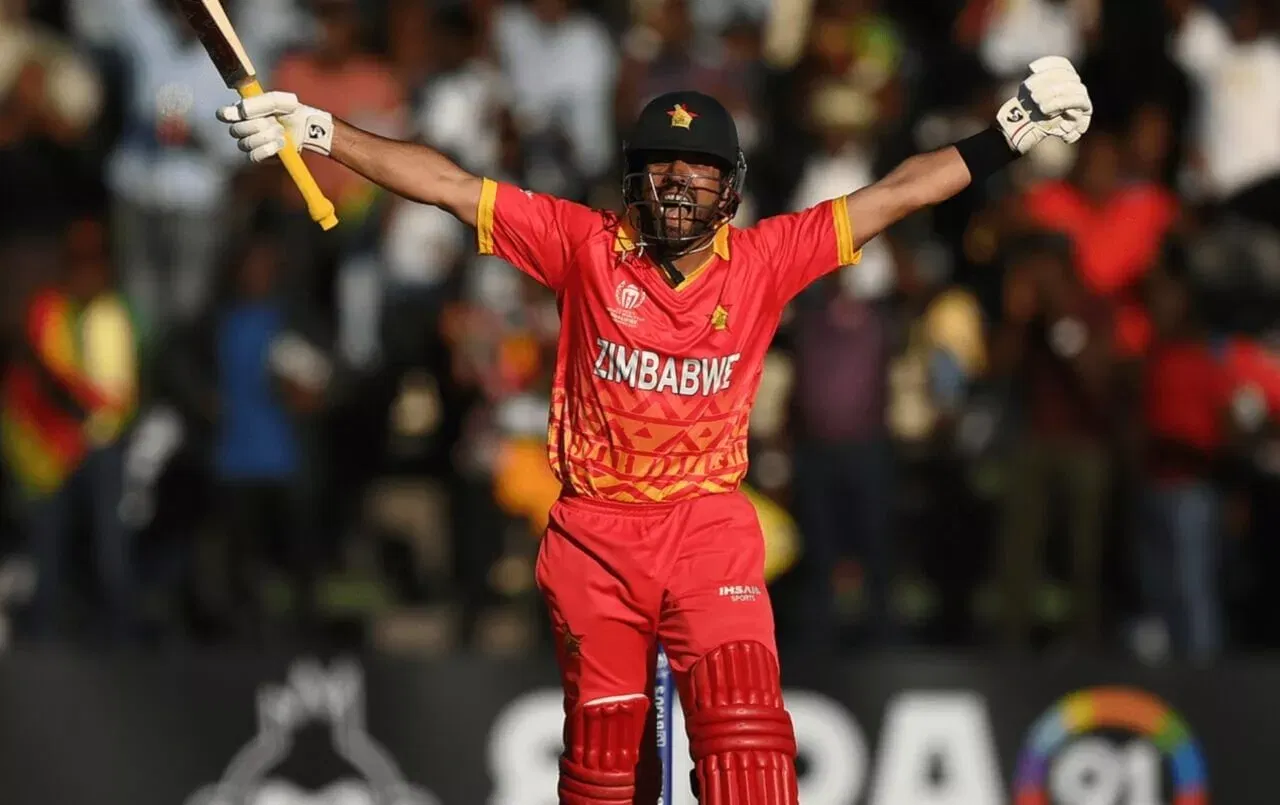
Friction between the UK and Zimbabwe caused a huge mess before the ICC T20 World Cup 2009. The British government indicated it would refuse visas to the Zimbabwean team. This made life a nightmare for the people running the event. In the end, Zimbabwe Cricket stepped down on its own. They did this to stop a bigger boycott and look out for the sport’s future. Scotland ended up taking their spot after a qualifying round.
3. Australia pull out of the Under-19 World Cup in Bangladesh in 2016
Safety fears also led Australia to pull out of the Under-19 World Cup in Bangladesh back in 2016. Cricket Australia had already scrapped a senior tour in 2015 for the same reasons. They argued the risk to their people was just too high. Their government’s security report left the board with only one choice. They kept their young players at home instead of risking a major international incident.
2. India refused to travel to Pakistan for the ICC Champions Trophy in 2025
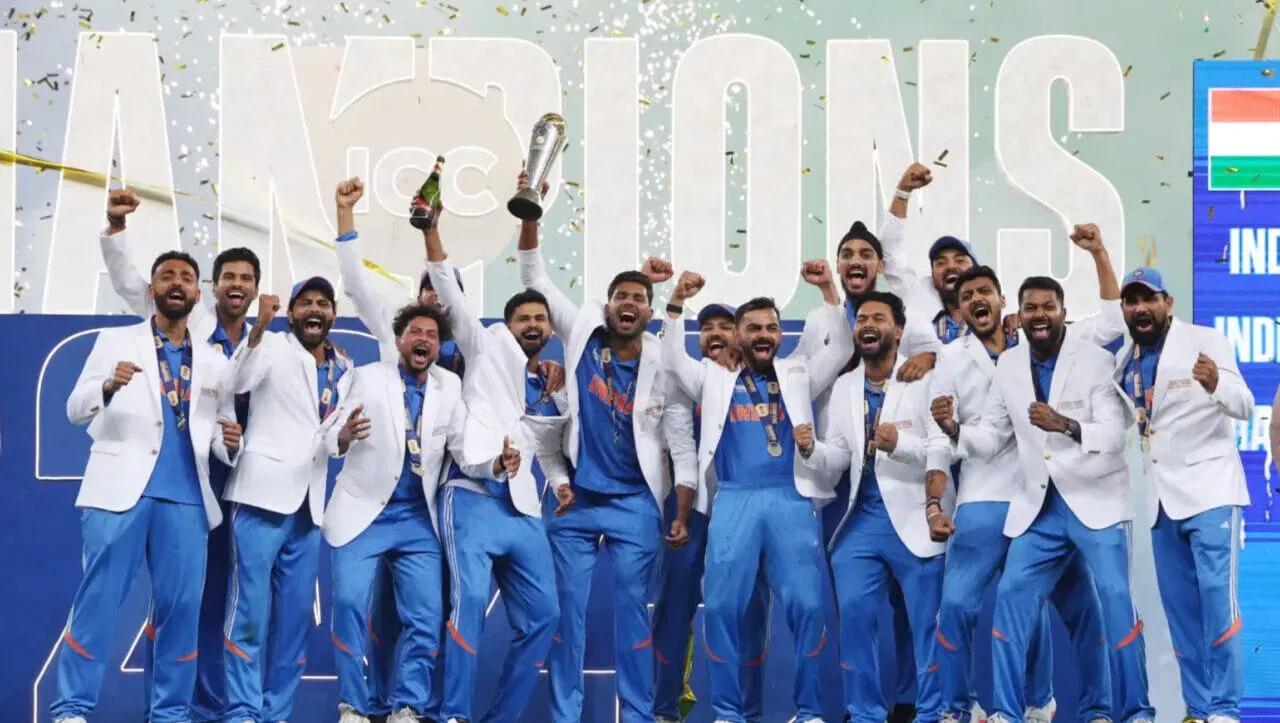
A similar mess nearly ruined the ICC Champions Trophy in 2025. This happened when India refused to go to Pakistan. Indian officials blamed rising tensions between nations as a reason to not travel. With both nations not playing bilateral series since 2012, India were firm on their stance.
Organisers eventually saved the event by using a “hybrid model.” In this setup, the Dubai Cricket Stadium hosted every game involving the Indian team. This fix let the tournament happen while respecting the heavy political baggage involved.
1. Bangladesh refuse to travel to India for the T20 World Cup 2026
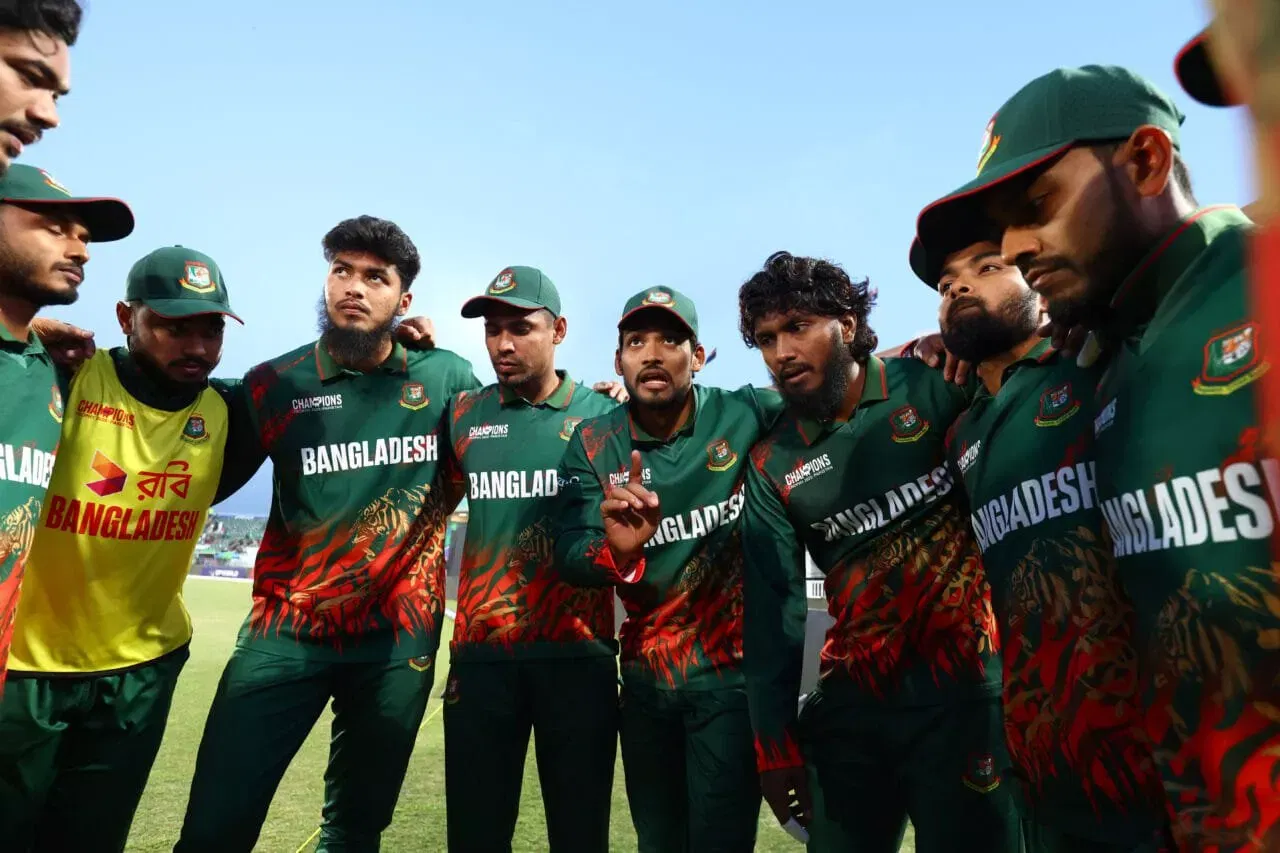
The current deadlock centres on the Bangladesh Cricket Board (BCB) sticking to its guns about boycotting Indian venues for the 2026 T20 World Cup. They officially requested that the International Cricket Council move their games to Sri Lanka.
They point to specific border tensions as the reason. But the game’s leaders shot down the request after checking the security plans. With Bangladesh also firm on their stance of not coming to India, ICC had to take the harsh step and replaced them with Scotland.
Which teams are involved in the current 2026 T20 World Cup standoff?
The dispute primarily involves the Bangladesh Cricket Board refusing to play their scheduled matches in India.
Has a “hybrid model” been used to solve these political deadlocks before in ICC events?
Yes, organisers used a hybrid model in 2025 by moving India’s Champions Trophy matches to the United Arab Emirates.
What is the typical consequence for a team that boycotts a World Cup match?
Teams usually forfeit the match and lose the tournament points rather than competing in environments they deem unsafe.
For more updates, follow Khel Now Cricket on Facebook, Twitter, Instagram, Youtube; download the Khel Now Android App or IOS App and join our community on Whatsapp & Telegram.

Where passion meets insight — blending breaking news, in-depth strategic analysis, viral moments, and jaw-dropping plays into powerful sports content designed to entertain, inform, and keep you connected to your favorite teams and athletes. Expect daily updates, expert commentary and coverage that never leaves a fan behind.