
Top 3 IPL innovations that should be adopted in international cricket
IPL is known for bringing in innovative rules and playing conditions to keep things fresh, and it’s time international cricket takes a page out of its playbook.
The Indian Premier League (IPL) is not only the most successful T20 league in the world, but also a platform that brings innovations into the game. Over the years, the IPL has introduced some exciting tweaks that have changed the way cricket is played.
As cricket continues to evolve, it becomes important to deliberate on variations that improve the game. The IPL is like a testing lab for new cricketing rules and features. Now, it’s time international cricket looks closely at a few of these successful IPL experiments and maybe adopts them.
So, here are three IPL innovations that international cricket should seriously consider adopting:
Return of Saliva Use on the Ball
Before the COVID-19 pandemic, bowlers regularly used saliva to shine one side of the ball to help it swing in the air. This method brought reverse swing into play, which gave bowlers something to do even in shorter formats. However, once the pandemic hit, the International Cricket Council (ICC) banned the use of saliva due to health concerns.
Cricket has always valued tradition, and using saliva was part of that for generations. While safety is key, ignoring what worked for decades seems unfair to bowlers. A trial return with strict rules might be a good step forward.
With the bowlers struggling in the IPL on dry pitches and batters getting innovative with their shots, as the pandemic danger ended in cricket, the IPL brought back the rule of saliva use in play. This was also after many talked about the difficulties of generating swing and maintaining ball condition without saliva.
Reintroducing saliva under controlled health guidelines could restore balance between bat and ball in international cricket as well. It’s a long-standing technique that helped preserve the skill of swing bowling. If risks are low now, it may be worth reconsidering with some restrictions. With even the ODIs now regularly seeing 350 scores being scored and chased down, the ICC can do their bit to give the bowlers something as well.
Strategic Timeout
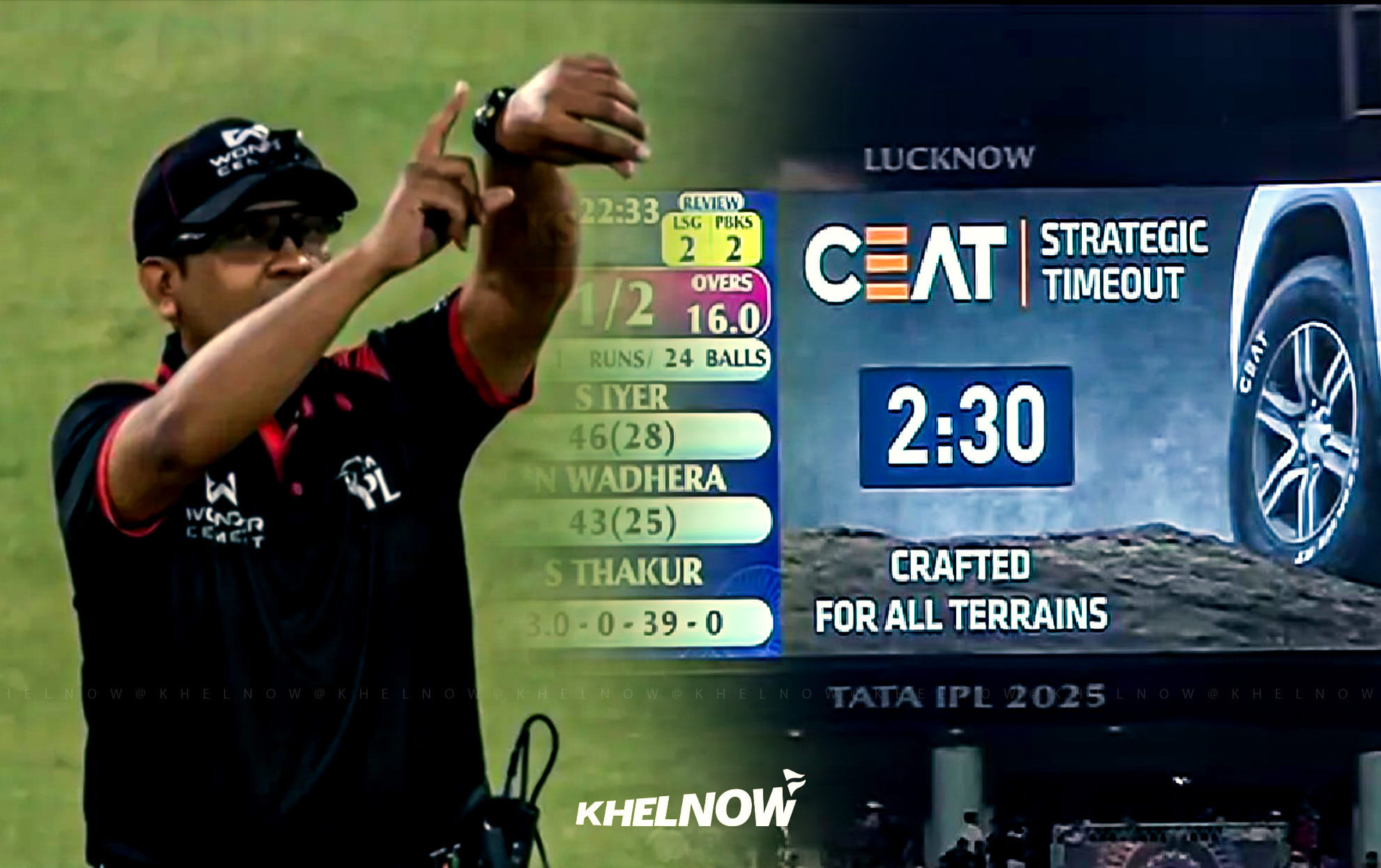
The strategic timeout is one of the most unique features of the IPL. Each team is allowed one short timeout per innings, lasting about two and a half minutes. It offers a break to reassess strategies and make quick corrections during a match. Many fans have criticised it, as they see the break more as an opportunity for the BCCI to show more ads in IPL matches.
But these breaks turned out to be extremely helpful. It gives captains and coaches a chance to talk directly to players, make bowling changes, or shift the batting tactics. Many times, such breaks have helped the teams make amazing turnarounds in the match.
In international cricket, especially in ODIs and T20s, introducing similar timeouts can be very handy. Such breaks will allow the players to have some breathing space when under pressure and also keep the broadcast engaging with expert analysis during the breaks while generating revenues with ads.
The audience might also gain an advantage as these breaks will allow experts to discuss strategies for the remainder of the match and what has gone wrong till now. This adds an extra entertainment layer to the match without disturbing the flow too much. Both players and viewers stand to benefit.
Ball Change Due to Dew
Dew is a huge factor that sometimes determines the outcome of the cricket matches before they begin. A venue like Dubai is infamous for teams winning the toss and opting to chase due to the dew affecting the bowling side under lights.
Dew makes the ball slippery and difficult to grip, which is a big disadvantage for bowlers—especially spinners. To combat this, the IPL has ruled that teams can request a ball change after 10 overs are completed in each innings. This will give the bowlers, both pacers and spinners, a non-slippery and dry ball to work with in the death overs, giving them a significant advantage.
The toss already has a significant impact on international cricket, and dew can amplify that effect. Contests may become more evenly matched if umpires are given the authority to assess the condition of the ball and authorize changes when needed. It would place more emphasis on skill and less on luck.
Teams frequently invest hours in formulating plans, but unpredictable dew might cause everything to go wrong. Games might remain competitive to the very finish with a new, dry ball. Fairness and competitiveness would both benefit from such a rule.
For more updates, follow Khel Now Cricket on Facebook, Twitter, Instagram, Youtube; download the Khel Now Android App or IOS App and join our community on Whatsapp & Telegram.

Where passion meets insight — blending breaking news, in-depth strategic analysis, viral moments, and jaw-dropping plays into powerful sports content designed to entertain, inform, and keep you connected to your favorite teams and athletes. Expect daily updates, expert commentary and coverage that never leaves a fan behind.