
PCB sets THREE massive conditions to cancel boycott of IND vs PAK clash in T20 World Cup 2026 - Reports
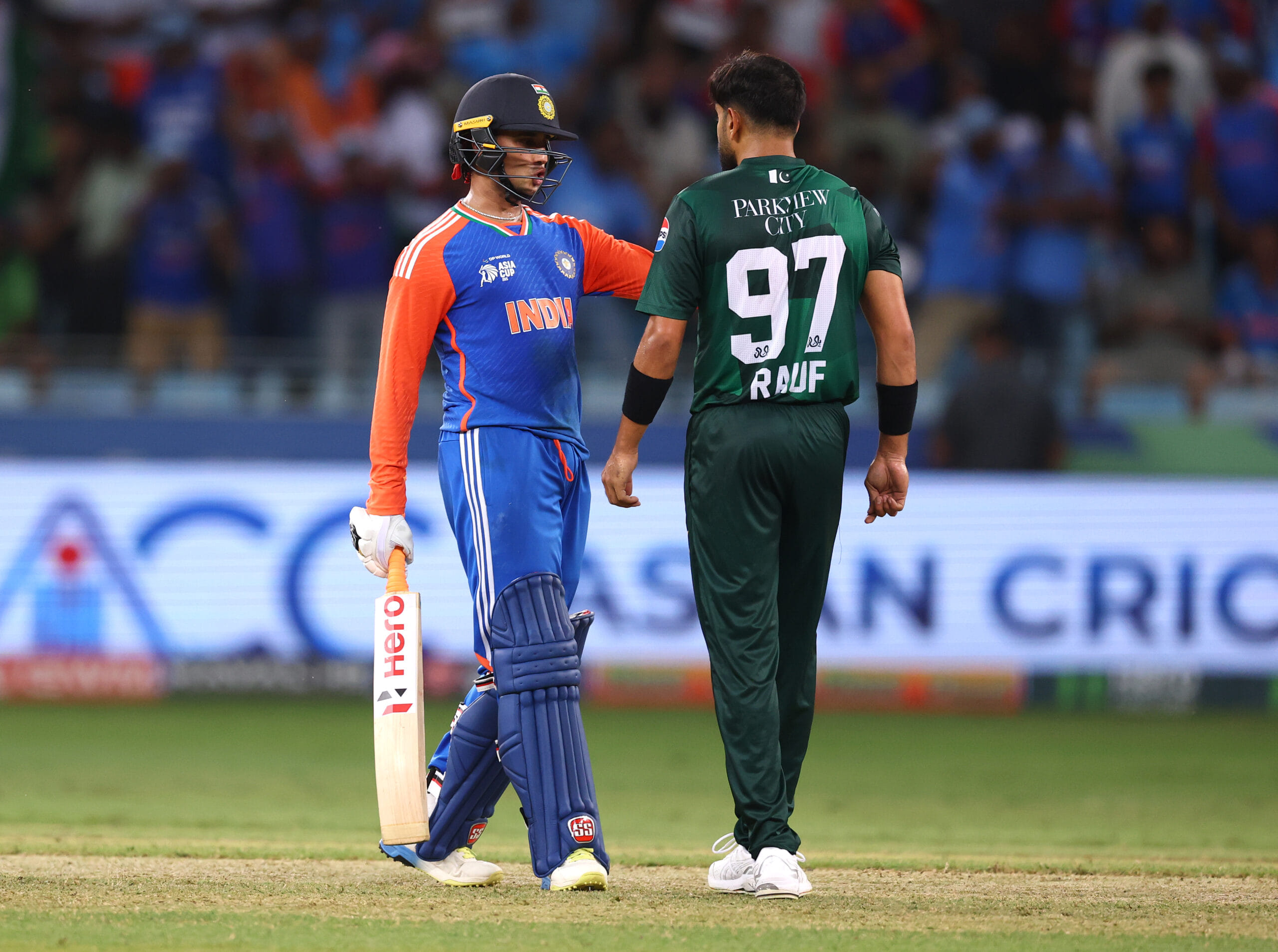
(Courtesy : Getty Images)
PCB wants assurance as negotiations with ICC intensify ahead of high-stakes IND vs PAK match.
Pakistan’s participation in their highly anticipated T20 World Cup 2026 match against India has become contingent on a set of conditions put forward by the Pakistan Cricket Board (PCB). This follows after days of uncertainty and behind-the-scenes negotiations with the International Cricket Council (ICC). What began as a venue-related safety concern has now escalated into a wider governance, financial and diplomatic issue for global cricket.
A crucial meeting was scheduled in Lahore between ICC officials and the PCB expected to address Pakistan’s reluctance to play the February 15 fixture in T20 World Cup 2026 against India in Colombo. The discussions have also drawn in Bangladesh, represented by Bangladesh Cricket Board (BCB) president Aminul Islam, adding another layer to the already complex standoff.
The current impasse can be traced back to Bangladesh’s earlier request to change venues, citing safety concerns for their players in India. The ICC rejected that request and replaced Bangladesh with Scotland.
Pakistan publicly expressed solidarity with the Bangladesh board and threatened to boycott the India match in protest. The PCB even attempted to invoke the Force Majeure clause, a move that was firmly rejected by the ICC due to insufficient evidence and contractual obligations under the Members Participation Agreement.
Catch Every Update, Anytime, Anywhere
IND vs PAK: Pakistan links India match clearance to revenue redistribution, bilateral talks and on-field protocols
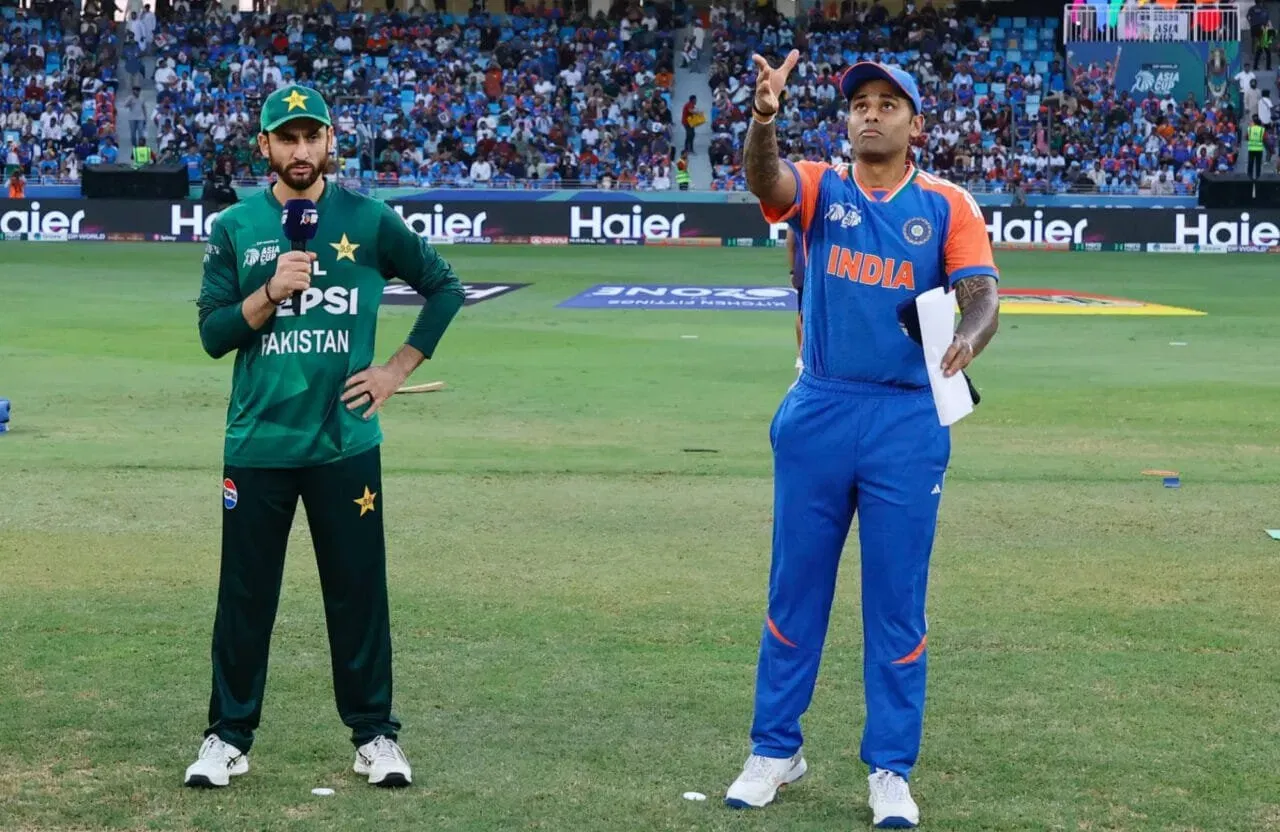
Facing the prospect of heavy financial losses, sanctions and reputational damage, Pakistan has now come to the negotiating table with a list of demands. According to reports in Cricbuzz, the PCB is seeking an increased share of ICC revenue, the restoration of bilateral cricket ties with India, and stricter enforcement of handshake protocols during matches. While the ICC has little authority over bilateral series and handshake customs are not mandatory, these demands reflect Pakistan’s broader grievances within international cricket.
Bangladesh, having been replaced in the tournament, may also seek compensation, though the validity of such claims remains uncertain. Meanwhile, Sri Lanka has openly criticised the possibility of a boycott, highlighting the severe financial impact it could have on local tourism and hospitality. Sri Lanka has also reminded the PCB of the period when it faced international isolation and how Sri Lankan cricket played a role in helping Pakistan reintegrate into global cricket.
The ICC has maintained a firm stance that selective participation will not be tolerated, stressing that the sanctity of the World Cup is paramount. However, by keeping negotiation channels open, the governing body appears keen to avoid a high-profile boycott that could disrupt the tournament’s sporting and commercial balance.
As things stand, Pakistan’s conditions to play against India underline the fragile intersection of sport, politics and commerce. Whether compromise or confrontation prevails will soon be clear, but the outcome will have lasting implications for international cricket governance.
What are PCB’s key demands from the ICC to play IND vs PAK clash?
The PCB is seeking a higher share of ICC revenue, revival of bilateral cricket with India and assurances on matchday protocols.
Did the ICC accept PCB’s Force Majeure claim to boycott IND vs PAK clash?
No, the ICC rejected the claim, stating that the evidentiary threshold for non-participation was not met.
What happens if Pakistan refuses to play India?
Pakistan could face financial penalties, sanctions and breach of the ICC’s Members Participation Agreement.
For more updates, follow Khel Now Cricket on Facebook, Twitter, Instagram, Youtube; download the Khel Now Android App or IOS App and join our community on Whatsapp & Telegram.