
Virat Kohli & Rohit Sharma set for demotion as BCCI plans to scrap A+ Category: Reports
(Courtesy : BCCI)
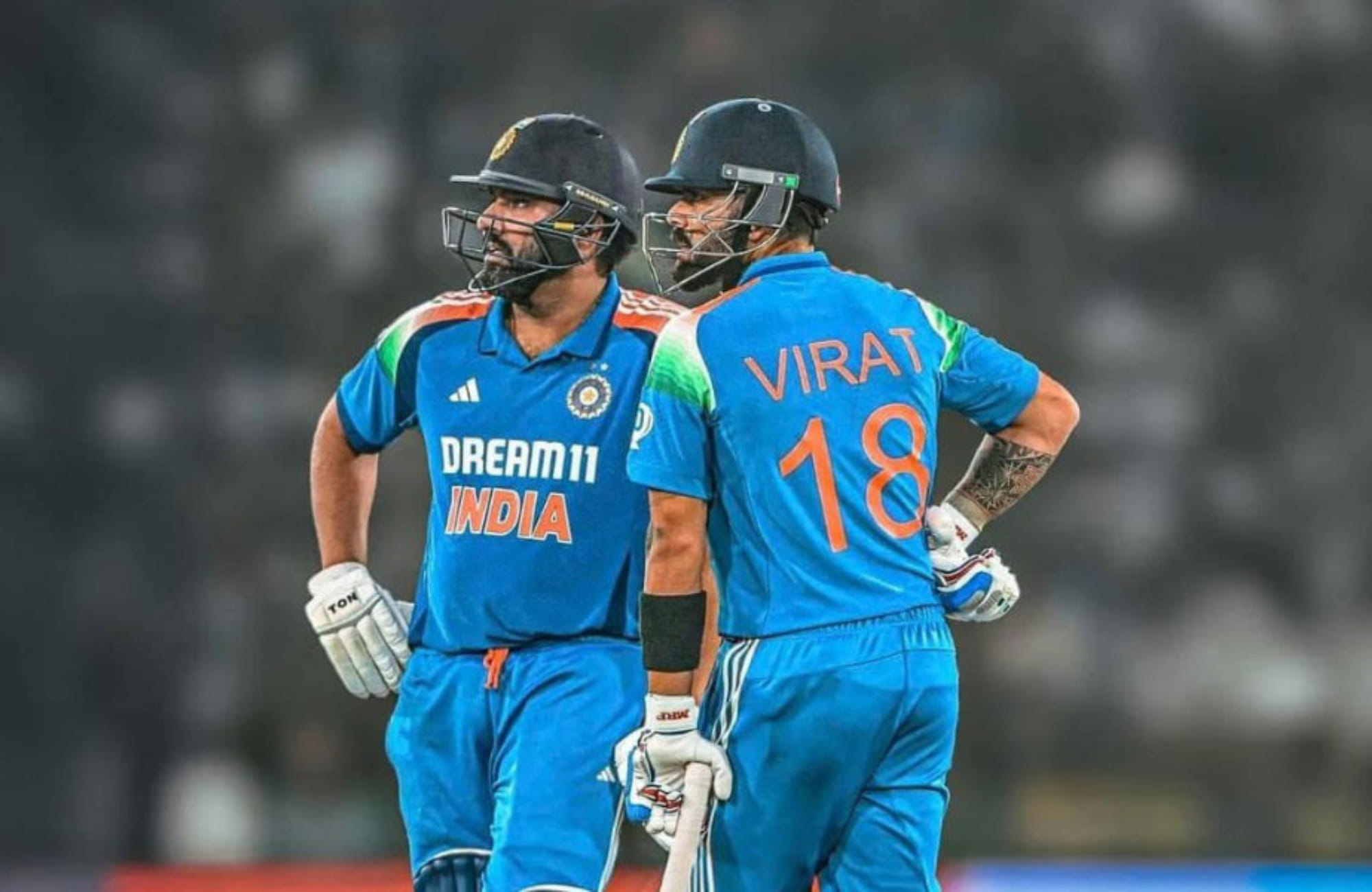
Virat Kohli and Rohit Sharma currently only play in the ODI format.
The Board of Control for Cricket in India (BCCI) is set to make a major change to its annual central contract system. This move could redefine how player value and hierarchy are determined in Indian cricket.
According to an ANI report, BCCI sources have proposed completely abolishing the elite Grade A+ category, which could affect senior players such as Virat Kohli and Rohit Sharma. The Ajit Agarkar-led selection committee puts forward a three-tier contract proposal.
The committee recommends restructuring the contracts into just three categories — A, B, and C — replacing the current four-tier system. If approved by the BCCI’s apex council, this would mark one of the most sweeping changes to the central contracts framework in recent years.
BCCI Contract Proposal-Focus on Workload, Formats and Future Planning
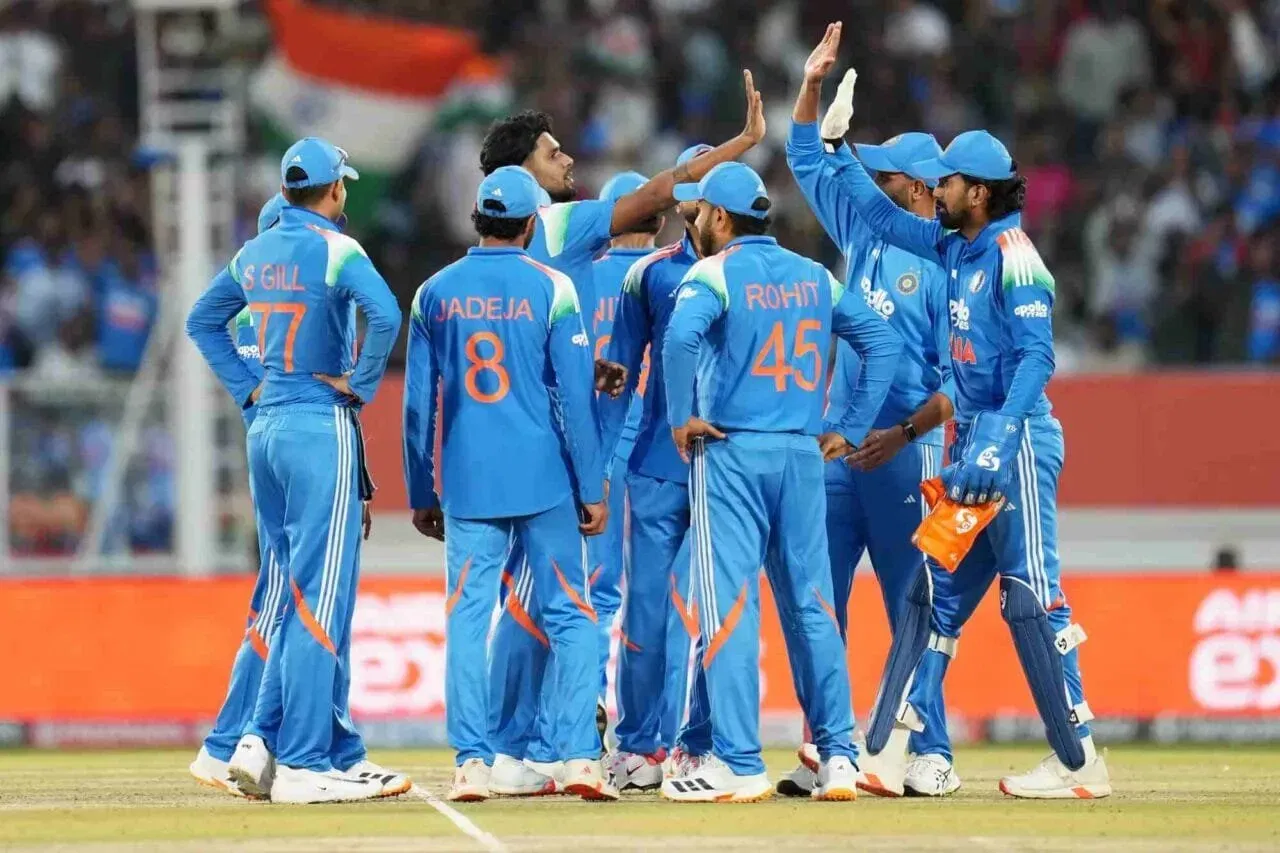
As per sources familiar with the discussions, the A+ category, which currently carries an annual retainer of Rs 7 crore, is likely to be removed. This could see players currently in that bracket redistributed based on their active involvement across formats rather than reputation or past achievements.
“If the new structure is cleared, players will be grouped based on current format involvement rather than stature or legacy,” a BCCI official was quoted by ANI.
Under the proposed model, Virat Kohli and Rohit Sharma, who are only active in ODIs, are expected to be placed in Grade B. The Grade B currently offers an annual retainer of Rs 3 crore. The shift signals a clear move towards aligning financial rewards with workload management and future team planning.
It is expected that the top council will consider this proposal at the next meeting. Alongside structural changes, discussions are also likely to address whether the monetary slabs attached to each grade will be revised.
“Nothing is final yet, but there is a clear intent to align contracts with workload, formats played, and future planning,” another senior BCCI source added.
The existing 2024–25 central contracts list, announced in April 2025, featured Rohit Sharma, Virat Kohli, Ravindra Jadeja, and Jasprit Bumrah in Grade A+. Grade A included players such as Mohammed Siraj, KL Rahul, Shubman Gill, Hardik Pandya, Mohammed Shami, and Rishabh Pant.
On the other hand, Grade B comprised Suryakumar Yadav, Axar Patel, Kuldeep Yadav, Yashasvi Jaiswal, and Shreyas Iyer, while Grade C featured a large pool of emerging talent.
Central contracts remain a crucial component of Indian cricket, providing financial security beyond match fees and serving as a marker of a player’s standing in the national setup. If implemented, the proposed changes could signal a new era where current contributions outweigh past legacies and determine how India’s cricket elite are ranked and rewarded.
How many categories will the new central contract structure have?
The proposed model reduces the structure to three categories: Grade A, Grade B and Grade C.
Which players are likely to be affected by the removal of the A+ category?
Senior players like Virat Kohli and Rohit Sharma are expected to be most impacted by the proposed change.
What grade could Virat Kohli and Rohit Sharma be placed in under the new system?
Both are likely to be placed in Grade B as they currently play only the ODI format.
For more updates, follow Khel Now Cricket on Facebook, Twitter, Instagram, Youtube; download the Khel Now Android App or IOS App and join our community on Whatsapp & Telegram.

Vishwajit Sawant is a sports content writer with two years of experience who believes in writing that feels honest, simple, and easy to read. He enjoys breaking down sporting moments into stories readers can genuinely connect with, without relying on fancy vocabulary. His work spans cricket, football, basketball, tennis, and Formula 1, with a focus on match previews, reviews, and reports. Vishwajit believes good content doesn’t need to be loud — it just needs to leave a subtle impact.