
AFC U-17 Women's Asian Cup 2026: defensive solidity, attacking threat & more talking points from India vs Australia
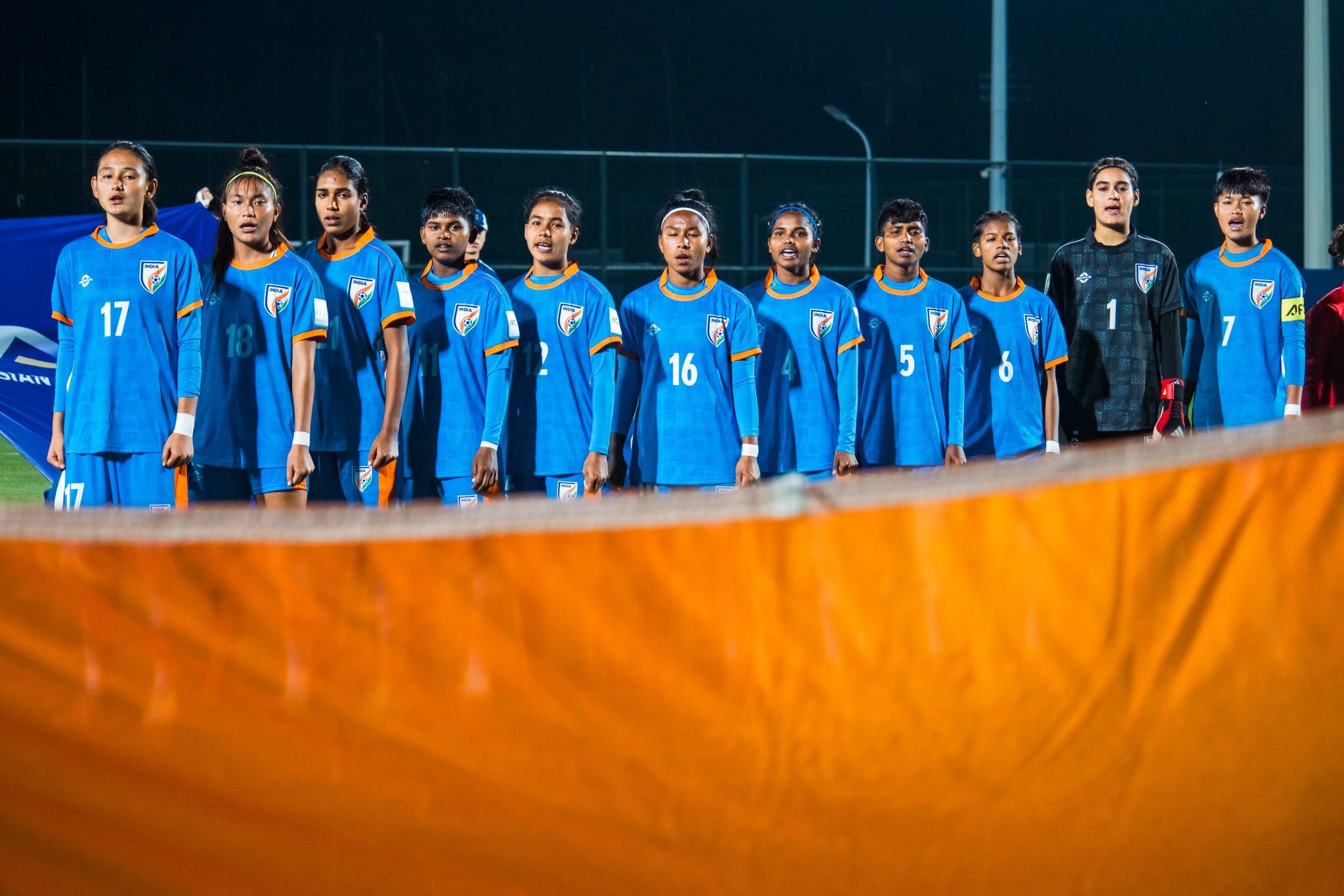
Australia defeated India 2-0
India kicked off their 2026 AFC U-17 Women’s Asian Cup campaign against Australia U-17 at the Suzhou Taihu Football Sports Centre in China. While the senior team bowed out of the tournament without a win and the U-20 side registered one victory, there were strong expectations around Pamela Conti’s India U-17 side to go a step further and push for a place in the knockout stages.
However, the Blue Tigresses’ hopes of opening the campaign with a positive result were dashed as Australia secured a comfortable 2-0 win to claim all three points.
Pamela Conti’s side did show encouraging signs, particularly with some effective defending and a few promising passages of play. But over the course of the game, Australia’s superior quality was evident.
With the campaign now beginning in defeat, India faces a difficult challenge in their remaining group-stage fixtures against Japan and Lebanon if it is to keep their knockout hopes alive.
Before looking ahead, though, it is worth examining where the Blue Tigresses impressed and where they fell short in their opening outing against Australia.
Australia technically and physically too good for India
Catch Every Update, Anytime, Anywhere
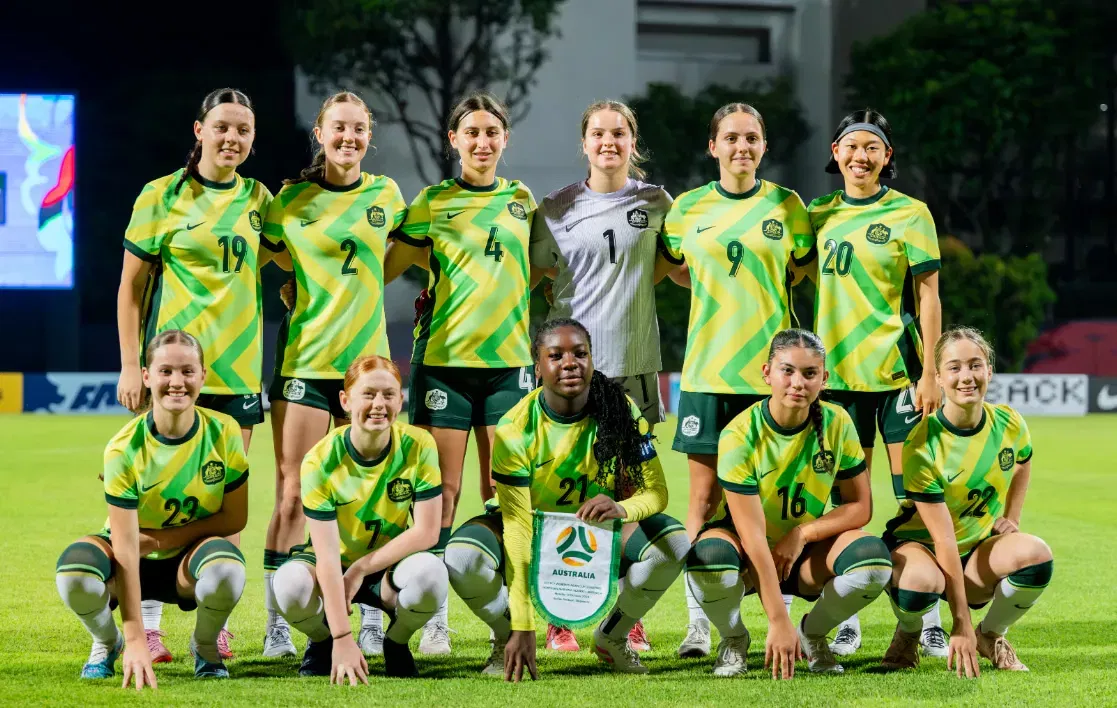
There were plenty of hope and excitement among Indian football fans about the possibility of taking something from the game, perhaps even a draw against Australia.
But even on paper, it was clear that the young Matildas were the stronger side, and Pamela Conti’s team always faced a difficult challenge. That is exactly how it unfolded on the pitch, as India, despite their best efforts, found Australia a tough side to trouble consistently.
Whether it was the quality and range of passing or the physical edge in winning 50-50 duels, the Australian players looked a step ahead throughout the contest. It is fair to say that the Young Tigresses worked hard to suppress the opposition’s attacking threat, but lapses in concentration on two occasions remained the difference.
Even going forward, whenever India tried to build patterns of play, the Australian defence was quick to get into position and avert the danger.
Impressing defending, crosses still a concern
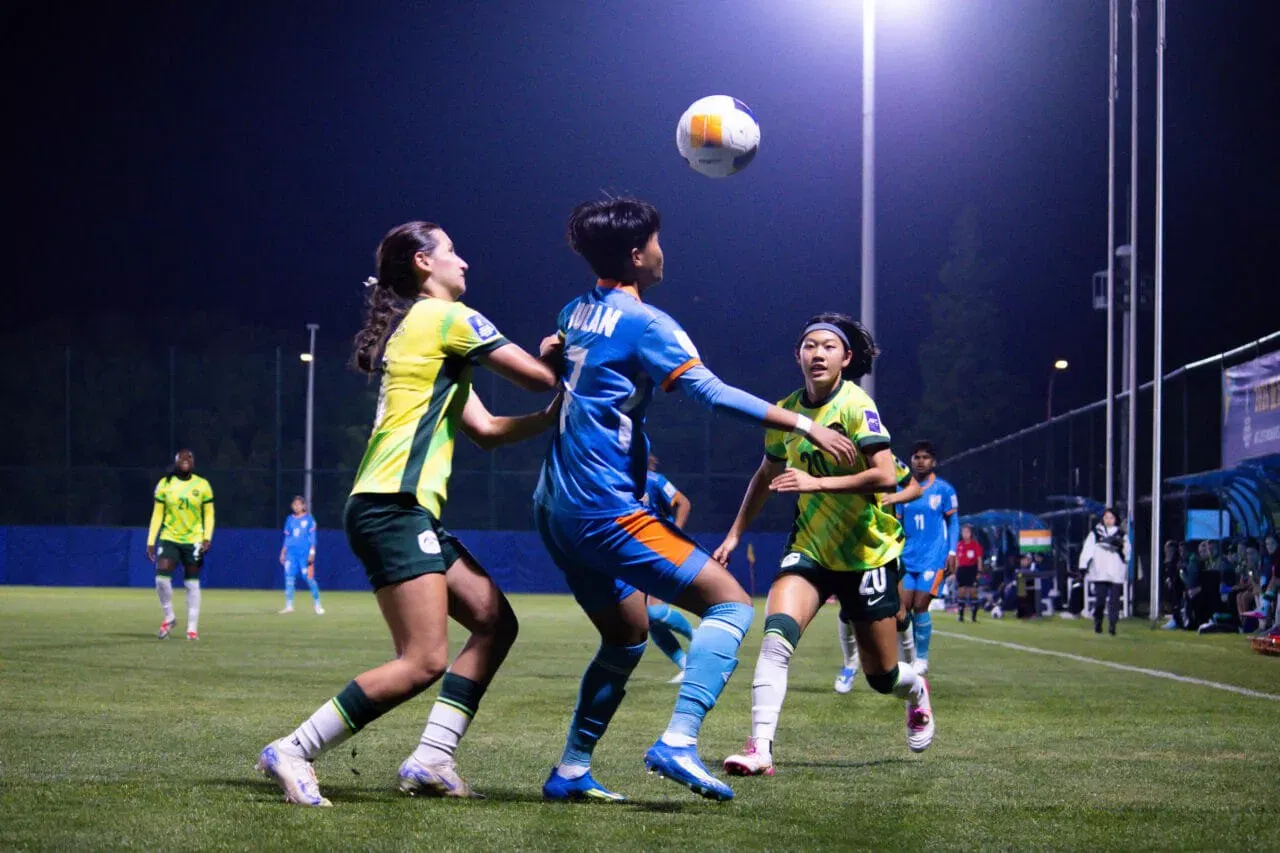
Despite the result, the Indian players, particularly the defenders, produced a commendable display against the Australian attack. For large parts of the match, the young Matildas enjoyed sustained possession and spent long periods of the game in the attacking third.
Whenever Australia tried to create chances through the middle, India’s midfielders and centre-backs were proactive, stepping up well to win the ball back and break up attacks.
One area where the Indian defence did struggle, however, was dealing with crosses, especially aerial deliveries. The fullbacks, in particular, found it difficult to cope with balls swung towards the far post. Australia’s second goal came following a poor clearance from a cross, while a third goal, also created from a cross, was eventually ruled out for offside.
Attacking intent exists but lacks quality

Unlike Indian teams of the past, which often relied on clearing the ball at every opportunity and waiting for counterattacks or set-piece situations to create openings, Pamela Conti’s side showed a clear intent to build attacks through possession.
They looked to string together passes and construct attacking moves through controlled passages of play, rather than simply launching the ball forward, although they were also willing to play direct whenever space opened up to run into.
The Indian attackers also worked hard off the ball, pressing Australia’s defenders and midfielders in an attempt to win possession high up the pitch and turn them into attacking opportunities. There were a few occasions when India found themselves in promising areas, whether through quick transitions or from build-up play.
However, the lack of quality in the final third was evident ultimately, as Pamela Conti’s side were unable to create many clear-cut chances, if any.
Intent to keep the ball must prevail throughout the game

Ahead of the tournament, the India U-17 Women’s national team head coach made her intentions clear about how she wanted her side to play.
“We will not just sit back and defend. We are going to play football,” she said, and there were clear glimpses of that approach against Australia.
The Blue Tigresses showed two different sides to their game. At times, they went direct and cleared their lines under pressure, while at other moments they tried to retain possession and build attacks from the back.
When India did attempt to play out of defence, there were encouraging signs. Their passing created some promising spaces, particularly for the wingers on the flanks.
However, Pamela Conti’s side was unable to sustain that approach consistently throughout the match. Too often, promising moves broke down because of ineffective through balls that went straight to Australian players.
Even the opening goal might have been avoided had India moved the ball swiftly along the field instead of clearing it straight back into Australian players.
Keeping the goal margin respectful
While losing a football game is never an ideal situation or something to cherish for a team, one thing that turned out to be positive for the young Blue Tigresses is the number of goals they conceded and the goal difference in which they lost.
When the U-20 side played the Australian U-20 side, they lost 5-0, which proved crucial in the end as they failed to make it to the knockouts on account of poor goal difference.
Losing by a goal difference of just two goals means India are currently the second best amongst the third places teams in the competition.
If they can somehow keep the goal difference margin down against Japan and end up winning the game against Lebanon, India has a serious chance of making it to the knockouts of the tournament.
For more updates, follow Khel Now on Facebook, Twitter, Instagram, Youtube; download the Khel Now Android App or IOS App and join our community on Whatsapp & Telegram.