
India U-20 vs Australia U-20: Tactical lapses and other talking points from AFC U-20 Women's Asian Cup
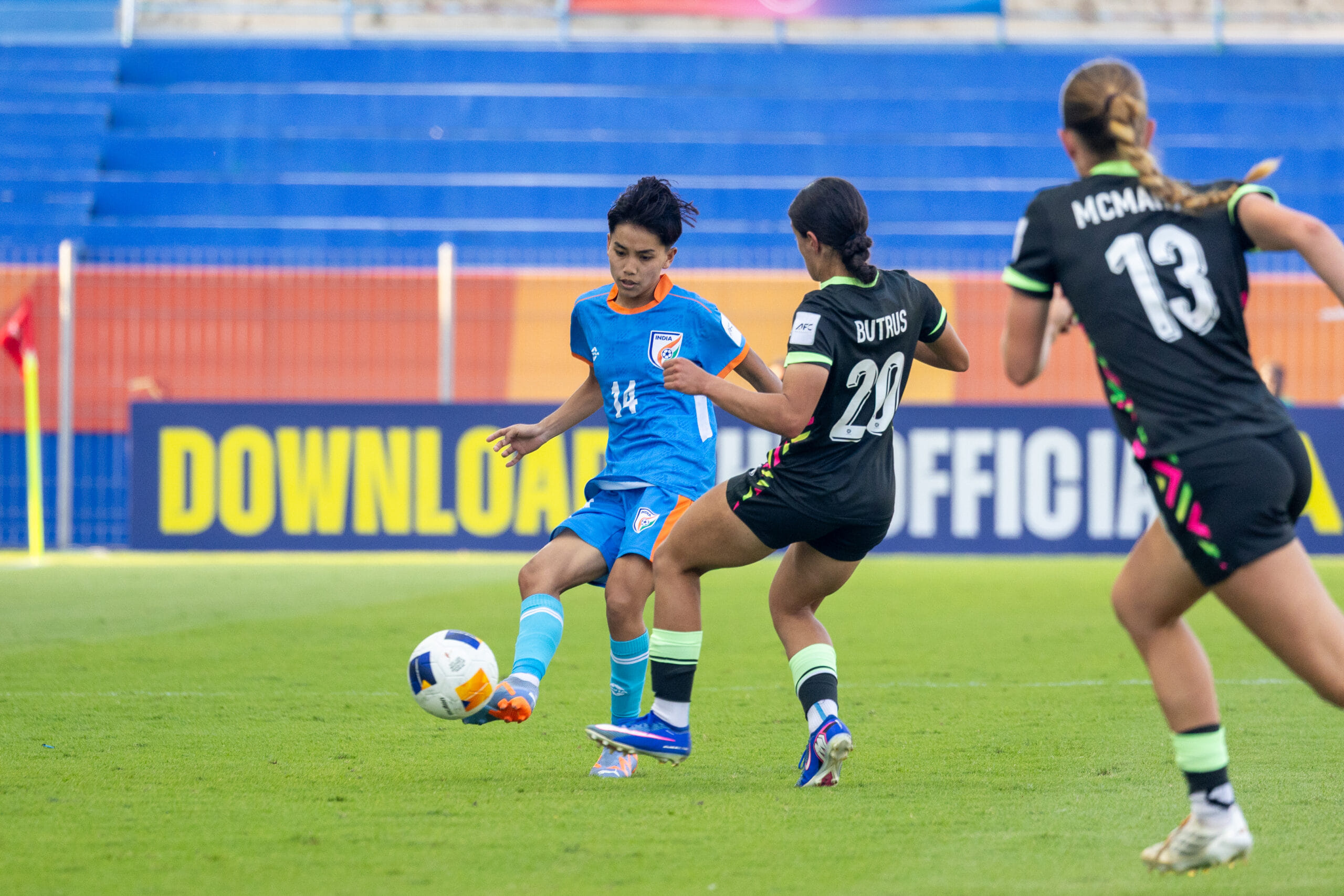
India conceded 5 goals against Australia.
India’s AFC U-20 Women’s Asian Cup 2026 campaign is hanging by a thread after a second successive heavy defeat, this time a 5-0 loss to Australia following the 6-0 setback against Japan in their opening fixture.
With 11 goals conceded in just two matches and no points on the board, India’s hopes of progressing to the next stage are now in serious jeopardy. Yet, beyond the disappointing scoreline, the match offered several key talking points, from defensive frailties and tactical concerns to moments that hinted at promise for the Young Tigresses.
As the dust settles on another difficult night, let us take a closer look at the major negatives, the few positives, and what this result means for India moving forward in the tournament.
Catch Every Update, Anytime, Anywhere
Floodgates open after the first 30 minutes
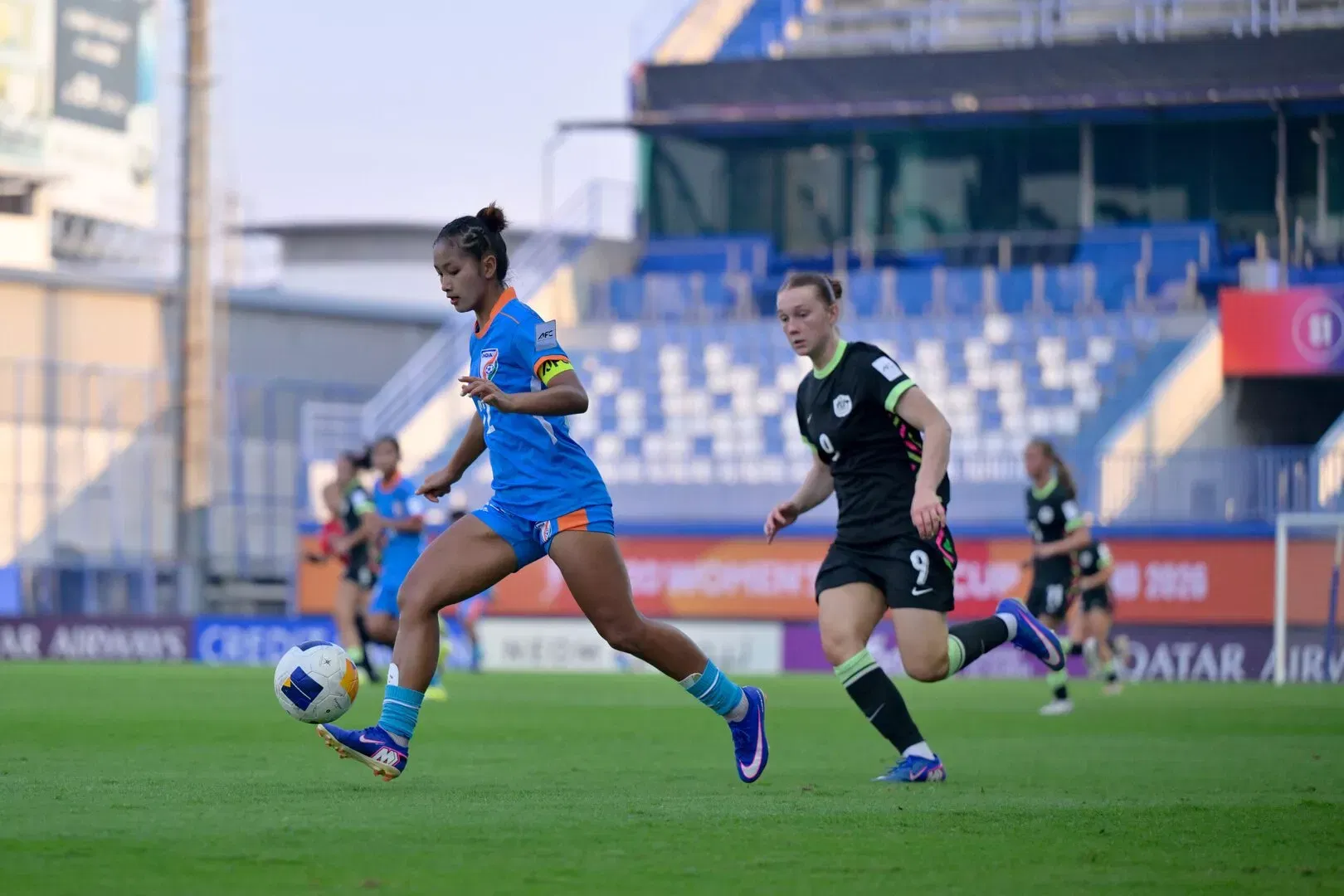
India began the contest on a positive note and, for the opening 30–35 minutes, looked well-organized under Joakim’s tactics. The Young Tigresses showed intent, stayed compact defensively, and managed to frustrate Australia for much of the first half, which was an encouraging sign.
However, the momentum shifted dramatically after the water break, and that will be a serious concern for India. Up until that pause, the team looked settled and in control of their shape, but once play resumed, the structure seemed to fall apart.
The turning point came in the 38th minute when Australia took the lead from the penalty spot, and from there the floodgates truly opened.
More worrying was India conceding another goal within a minute of the opener, which completely knocked the side’s confidence and allowed Australia to seize total control of the match.
To go from a disciplined first 30–35 minutes to conceding in quick succession immediately after the water break raises major questions about concentration, game management, and how the team reacts to sudden setbacks, something India will need to address urgently moving forward.
Good ball possession in the first half but little to no attacking threat
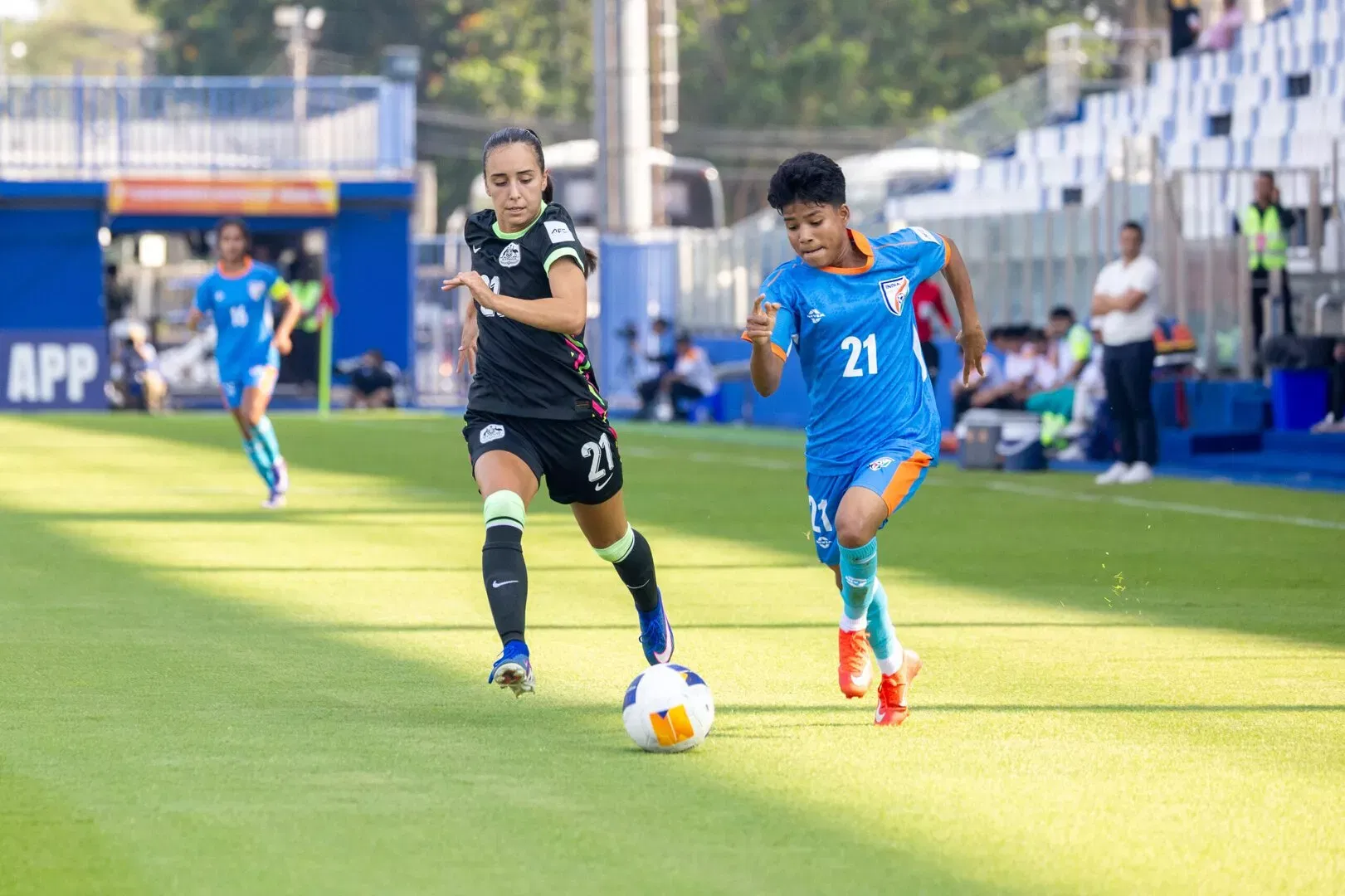
India having 42% possession in the first half may look respectable on paper, especially against a strong side like Australia, but the real concern lies in what they did with the ball. Despite seeing a fair share of possession, the Young Tigresses failed to turn it into anything meaningful in the attacking third.
There were hardly any box entries, very little forward penetration, and almost no moments where Australia’s defense looked under real pressure. Much of India’s possession was spent simply recycling the ball across the backline and midfield without any clear intent to progress quickly or create openings.
While keeping the ball can be seen as a positive, possession without purpose offers little value, and that was evident in this performance.
For a team fighting to stay alive in the tournament, India needed far more threat and ambition in possession rather than just moving the ball around safely.
Not adapting to changes

India did start the game well, and for the opening phase they genuinely seemed to take Australia by surprise with their shape and approach. The Young Tigresses looked organized, competitive, and able to disrupt Australia’s rhythm early on.
However, the bigger issue was what happened once Australia adjusted. To their credit, Australia quickly adapted to what India were trying to do, finding better spaces and increasing the pressure after the break.
The worrying part for India was that there appeared to be no response. The team continued with the same approach even after it was clear that Australia had figured it out, and that lack of tactical adjustment proved costly.
This is beginning to look like a recurring pattern. Whether it was the defeat against Japan or this game against Australia, India seems to struggle badly after breaks in play, be it the water break or the interval. Momentum shifts against them, and the match quickly starts slipping away.
Once the opposition makes changes, India have looked unable to adapt in time, often allowing the game to be almost thrown away in a short spell.
Another major concern was the midfield, which looked weak during these phases. Once Australia began to dominate the central areas, India found it difficult to regain control, break up attacks, or build anything progressive of their own.
The midfield lacked the presence needed to steady the side when the game started turning, which only made the collapse more pronounced.
For more updates, follow Khel Now on Facebook, Twitter, Instagram, Youtube; download the Khel Now Android App or IOS App and join our community on Whatsapp & Telegram.