
Five reasons why India failed to qualify for the quarterfinal of the AFC Women’s Asian Cup 2026
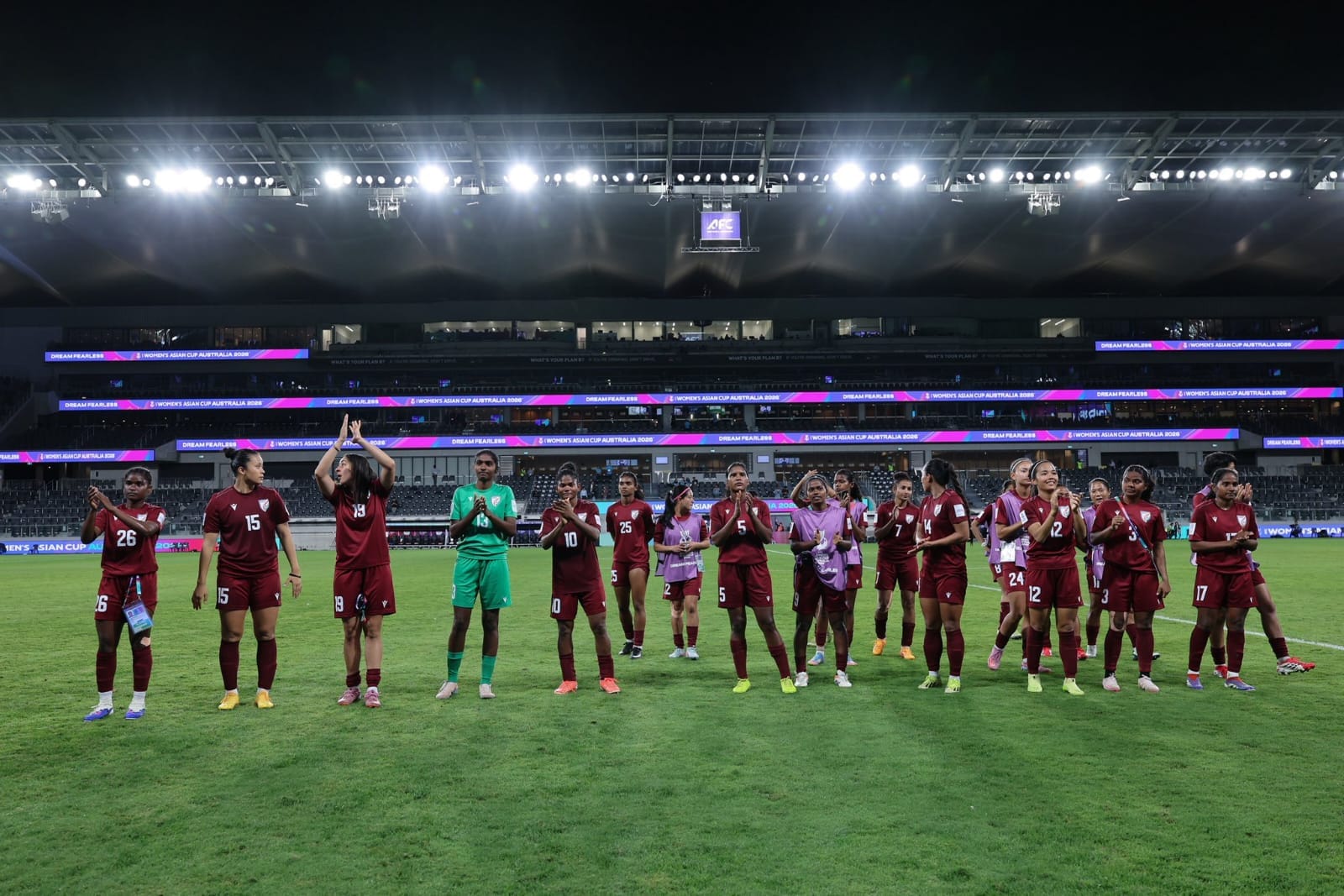
India failed to register a single point in the AFC Women’s Asian Cup 2026 campaign.
The campaign of the India women’s national football team at the AFC Women’s Asian Cup 2026 ended in disappointment, raising several questions about the team’s performance and preparation.
While there were a few positives to take away, it was ultimately a tournament many Indian football fans would want to forget.
India failed to register a single point in the group stage, conceding 16 goals in just three matches as their hopes of progressing further in the tournament faded quickly.
With the exit also bringing an end to their dreams of qualifying for the FIFA Women’s World Cup, the campaign has sparked debate about what went wrong.
So where did it all go wrong for India?
Let us take a look at five key reasons why the team failed to qualify for the next round.
Catch Every Update, Anytime, Anywhere
1. Lack of competitive matches and absence of the Indian Women’s League

One of the major reasons behind India’s disappointing campaign at the AFC Women’s Asian Cup 2026 was the lack of proper competitive preparation ahead of the tournament.
The All-India Football Federation (AIFF) organized a preseason friendly tour in Turkey, where the team mostly faced second-division clubs from Ukraine and Switzerland.
While the India women’s national football team managed to register comfortable wins in those matches, the real question remains, did these games truly prepare the team for the level of competition they faced in the tournament?
India had to compete against strong national teams like Japan and Chinese Taipei, sides that operate at a far higher tactical and physical level than lower-division club teams.
Playing against such opposition in preseason friendlies hardly created the intensity and quality required for a major continental tournament.
In fact, the last proper national team India faced before the competition was Nepal women’s national football team in 2025.
The lack of high-quality international friendlies meant the team entered the tournament without being truly tested.
Adding to this issue was the absence of regular domestic competition. The Indian Women’s League, which serves as the top-tier women’s football competition in the country, did not provide consistent match exposure leading up to the tournament.
Without a strong domestic league structure and meaningful international friendlies, India lacked the match sharpness and competitive edge required to challenge stronger Asian teams.
2. Late appointment of the new head coach Amelia Valverde
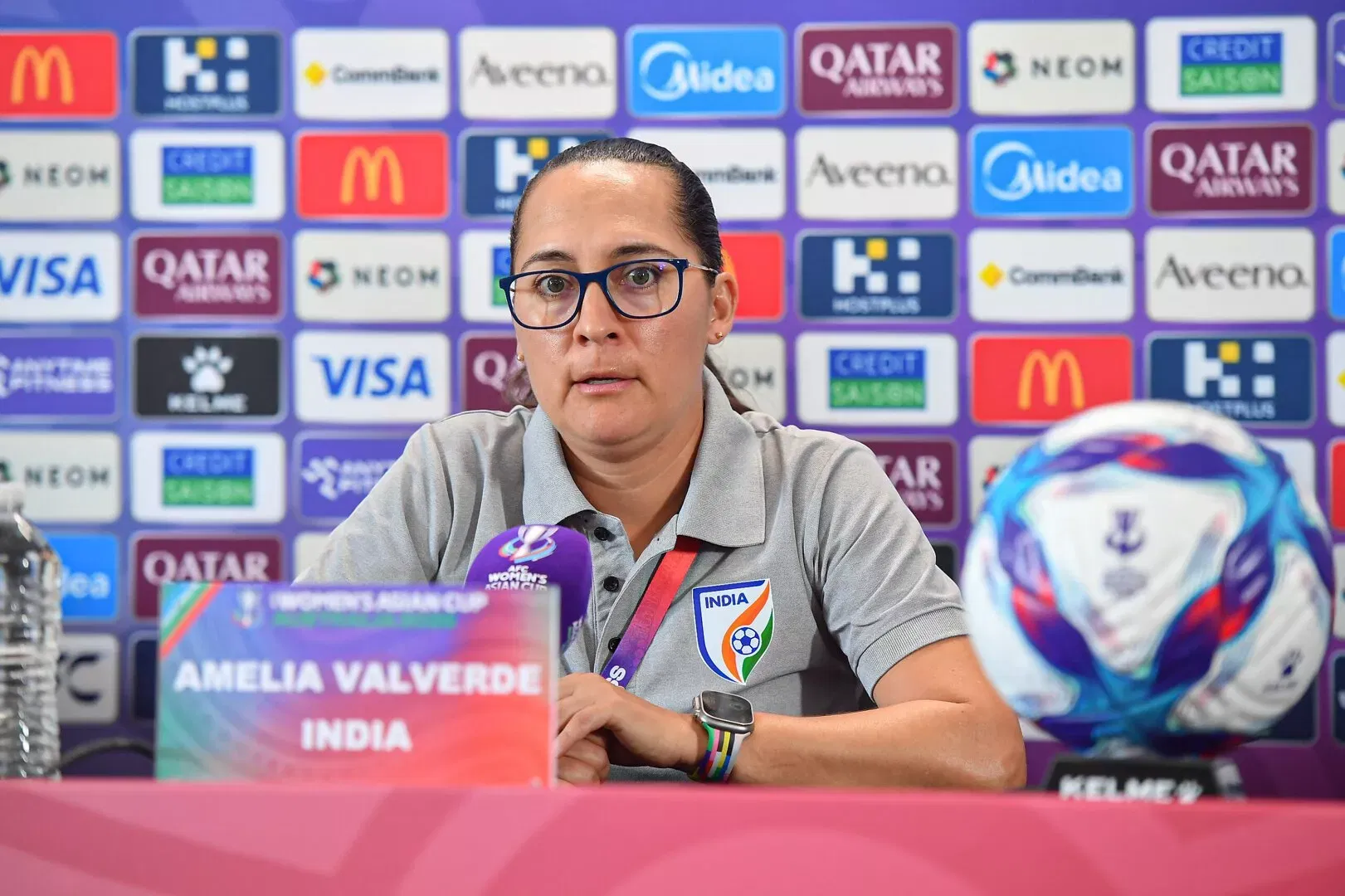
A lot of the blame for India’s disappointing campaign at the AFC Women’s Asian Cup 2026 will naturally fall on head coach Amelia Valverde. But is it entirely her fault?
The All-India Football Federation (AIFF) appointed Amelia Valverde less than two months before the tournament, leaving very little time for her to properly prepare the team.
This is not club football where a coach comes in and starts getting instant results. In international football, preparation through long training camps, tactical sessions and multiple friendly matches is crucial before heading into a major tournament.
Expecting a coach to arrive just weeks before the competition and completely transform the team’s playing style is unrealistic.
For the India women’s national football team, the limited preparation time meant there was hardly any opportunity to properly implement new tactical ideas, experiment with formations, or build continuity within the squad.
Naturally, this lack of stability showed on the pitch during the tournament.
This is also not the first time such a situation has occurred in Indian football. A similar example was seen in the men’s setup when Trevor Sinclair was appointed as the set-piece coach just a month before the AFC Asian Cup in Qatar.
Such last-minute appointments rarely allow enough time to make meaningful changes.
If Indian football wants better results in the future, this approach needs to change. Either appoint a coach at least six months before a major tournament to allow proper preparation or avoid making late changes altogether.
Continuity and long-term planning are essential at the international level.
3. Confusing formation and players used out of position
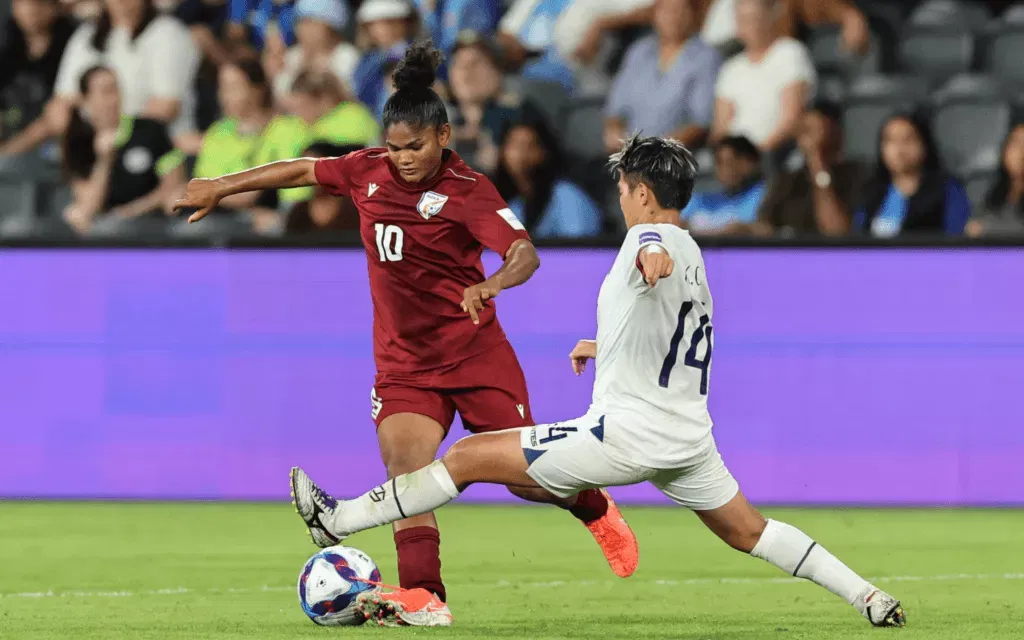
Another issue during India’s campaign at the AFC Women’s Asian Cup 2026 was the lack of tactical clarity and players being used out of position.
The India women’s national football team often looked uncomfortable with the system on the pitch.
Players like Martina Thokchom and Shilky Devi were frequently seen playing outside their natural roles, and it reflected in their performances. And Martina playing as the CB was clearly creating problems for India as she was very shaky in that position.
There also seemed to be little clarity over the team’s tactical setup, which could partly be due to coach Amelia Valverde not having enough time with the squad before the tournament.
4. Experienced players not stepping up
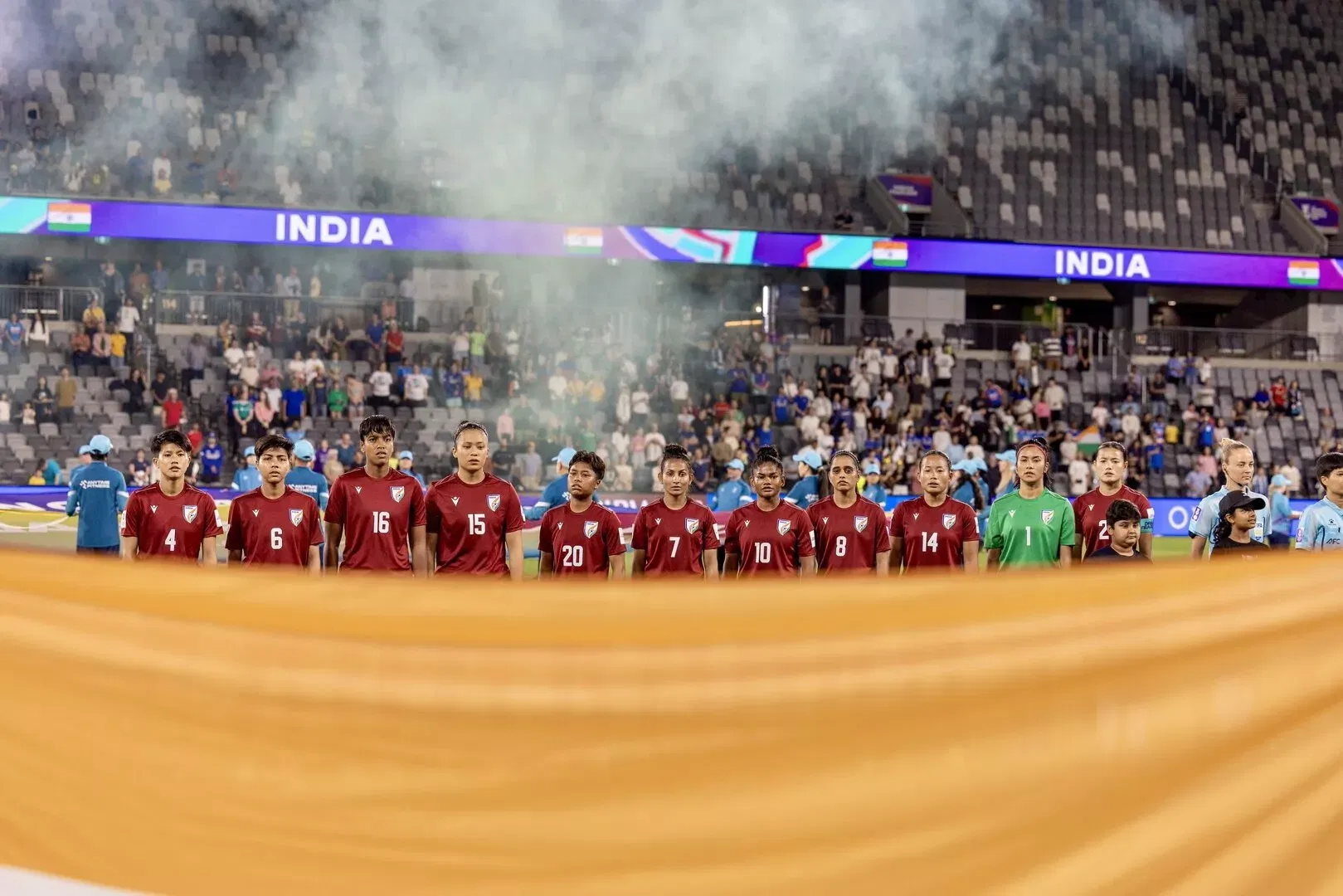
Another concern during the AFC Women’s Asian Cup 2026 was the lack of impact from some of the experienced players in the India women’s national football team squad.
In big tournaments, senior players are expected to step up and guide the team through difficult moments, but that was largely missing during this campaign.
Players like Dangmei Grace, Pyari Xaxa, and Sanju Yadav struggled to make a positive impact. Pyari Xaxa looked out of place across all three matches, while Sanju Yadav had a particularly difficult tournament and often appeared uncomfortable on the pitch playing as the LB, India’s defense mostly opened up from the left side where she was operating.
Dangmei Grace, one of the team’s most experienced attackers, also failed to influence games as expected. This is probably the last major tournament for Dangmei as the national team player.
Adding to the problems was the injury to experienced forward Anju Tamang just before the tournament, which deprived India of another key leader in the attacking line.
5. Wrong Substitutions
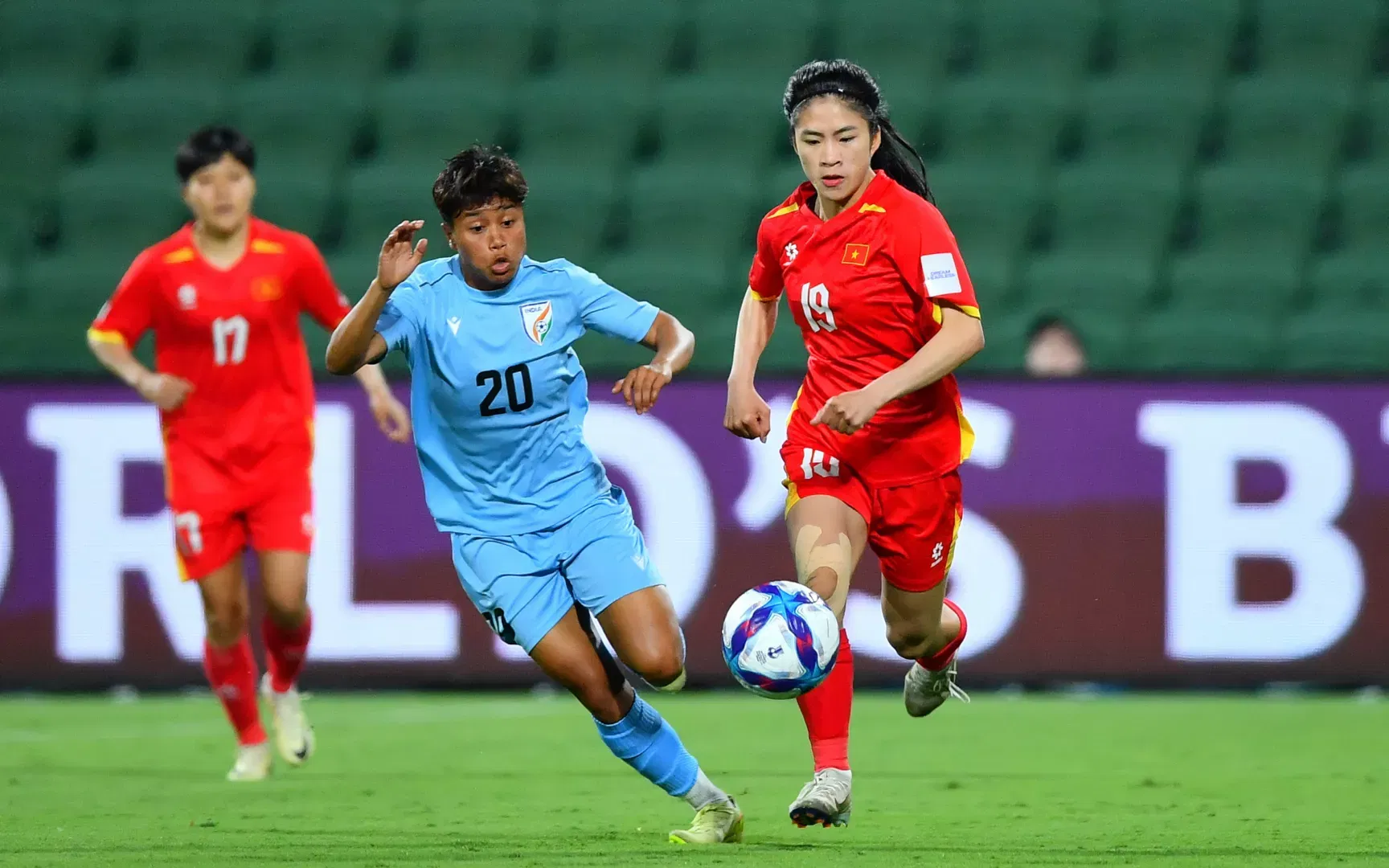
Another concern during India’s campaign at the AFC Women’s Asian Cup 2026 was the questionable use of substitutions by coach Amelia Valverde.
At times, the changes looked confusing and failed to help the India women’s national football team shift momentum.
In the game against Vietnam, with the score at 1–1, Valverde took off Manisha Kalyan, who had been troubling the Vietnamese defense.
Soon after, India conceded a late goal and lost 2–1.
Lynda Kom was mostly used as a late time-wasting substitute around the 90th minute, instead of being introduced earlier to influence the match.
Meanwhile, Sanfida Nongrum, who scored and impressed against Vietnam, did not get a single minute in the next game against Japan.
Perhaps everything simply went wrong for India at once. Now, the focus shifts to learning from this campaign and preparing better for future tournaments.
For more updates, follow Khel Now on Facebook, Twitter, Instagram, Youtube; download the Khel Now Android App or IOS App and join our community on Whatsapp & Telegram.