
AIFF media rights deals raise concerns over financial stability, says Exco member
Questions raised over long-term impact on Indian football
A fresh debate has emerged within the All-India Football Federation (AIFF) following concerns raised by Executive Committee member Avijit Paul regarding the federation’s proposed commercial deals for key competitions.
In a letter addressed to the AIFF President and Executive Committee dated March 28, 2026, Paul expressed apprehensions over the financial implications of long-term agreements involving tournaments such as the Indian Super League (ISL), Federation Cup, and Indian Women’s League (IWL).
Concerns over revenue distribution and sustainability
Avijit Paul acknowledged the federation’s efforts in attracting bidders, noting that at least three companies have shown interest with long-term financial commitments ranging between 15 to 20 years.
However, he questioned whether the deals would adequately support the broader ecosystem of Indian football.
“I am happy to know through media reports that the AIFF’s efforts to attract bidders for the Indian Super League, the Federation Cup, and the IWL have proved fruitful since at least three bidders have pitched in to promise substantial amounts for the next 15 to 20 years.”
“However, without undermining the entire process, it has raised a few questions in mind, which I would like to share with all of you. I am sure that the Executive Committee, which will complete its four-year term in the next six months, will like to find the answers before arriving at a final decision that might have a huge impact on Indian football in the next 20 years.”
“I am currently perturbed that the offered deals from the bidders might usher in a period of uncertainties in the overall activities of the AIFF and the states.”
As per estimates cited in the letter, one of the leading offers could generate around ₹64 crore annually, with AIFF expected to receive roughly 20% approximately ₹13 crore per year. After operational costs, this could leave the federation with a limited surplus.
Future of domestic competitions under scrutiny
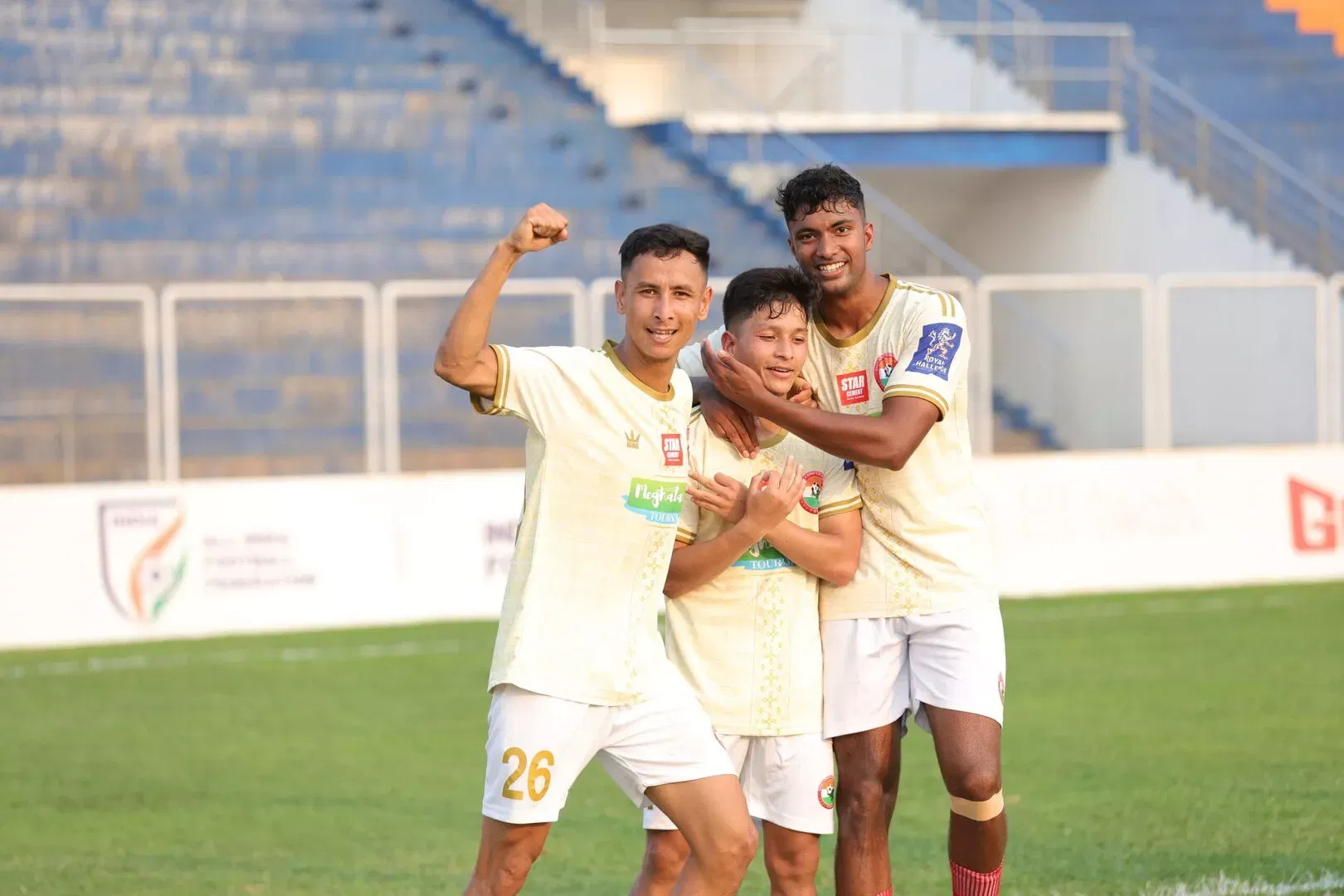
A major concern highlighted was the sustainability of other domestic competitions run by the federation.
Paul pointed out that AIFF oversees at least 17 competitions beyond the top-tier leagues, which could collectively cost between ₹25–30 crore annually.
“What is the future of the AIFF and its 17 other competitions, which, minus the Indian FootballLeague, are likely to cost the federation between Rs. 25 and 30 crores? Do we have the fund assured to run these competitions, which include a series of age groups and senior National Championships in both men’s and women’s categories? A shortage of funds might have a crippling effect on the state associations and their activities.”
National teams and development funding at risk

The letter also emphasized the financial burden of maintaining multiple national teams across age groups and categories.
According to Paul, running 8–9 national teams requires an estimated ₹30–35 crore annually, with AIFF needing to raise at least ₹20 crore independently.
Additionally, concerns were raised about the continuity of the development fund for state associations, which currently has an annual allocation of ₹8 crore.
“What plans do we have about running 8/9 National Teams (age groups, senior, men’s, and women’s), which are the backbones of Indian football? We need around Rs. 30-35 crores annually for this. Though the Government of India and certain state governments had always been kind enough to support us, the AIFF, by a conservative estimate, will have to raise around Rs. 20 crores annually to keep the light burning.”
Operational costs and salary commitments
Paul highlighted the federation’s existing financial commitments, including annual salary expenses of ₹15–20 crore for coaches and technical staff.
“The annual salary bills of the AIFF are currently between Rs. 15 and 20 crores, the majority of which is spent on honouring the contracts of the coaches and other technical staff. This is extremely important for the development of the game, and we should never fall short of this fund. What plan do we have for this?”
Clubs’ concerns cannot be ignored
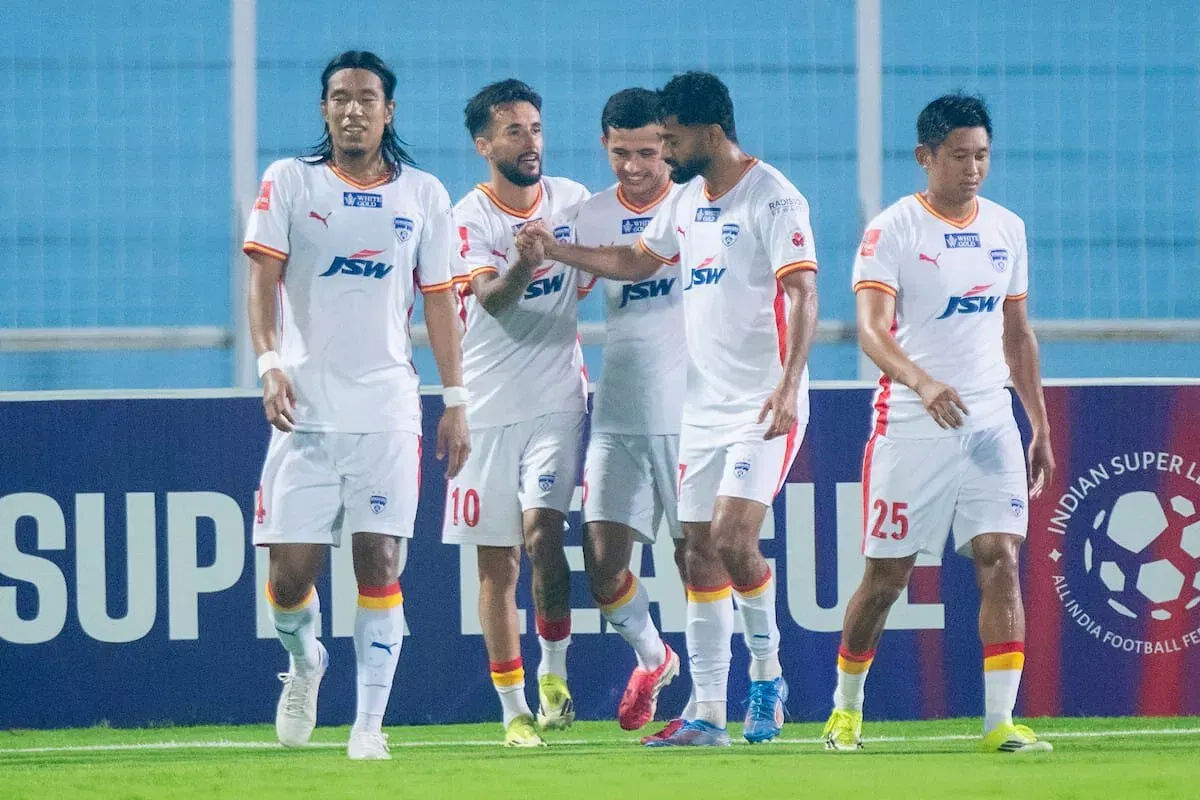
The letter also referenced reported dissatisfaction among Indian Super League club officials regarding the proposed deals.
Paul stressed the importance of safeguarding club interests, acknowledging their significant financial contributions to Indian football.
“If the media reports are to be believed, certain ISL club officials have already been quoted saying that the deals offered by the couple of bidders for the ISL and the Federation Cup would fetch very little on the table for the benefits of the ISL clubs. Don’t you feel that to ignore their demands would be counterproductive for the development of the game?”
“We must not forget the fact that weakening the structure of club football would amount to leaving the plinth of the sport shaky. After all, the clubs not only spend hundreds of crores every year on the game but also play a major role in taking Indian football ahead. We are somehow duty-bound to protect their interests to the greatest possible extent.”
In conclusion, Paul urged the Executive Committee to reconsider entering into long-term agreements without thorough evaluation.
“Entering into one of these deals, especially on a long-term basis, would be unwise and may cause trouble for the future administrators of the game,” he wrote.
With the current AIFF Executive Committee nearing the end of its term, the decisions taken in the coming months could shape the financial and structural future of Indian football for years to come.
For more updates, follow Khel Now on Facebook, Twitter, Instagram, Youtube; download the Khel Now Android App or IOS App and join our community on Whatsapp & Telegram.

Ayushman Sharma is a sports enthusiast with a deep love for football, following the game closely since 2018. A hardcore supporter of NorthEast United FC and FC Barcelona, he has also gained valuable on-ground experience by volunteering during FIFA World Cup Qualifiers in Guwahati.