
AIFF shortlist 28 PIO/OCI players as Kalyan Chaubey pushes for ISL quota
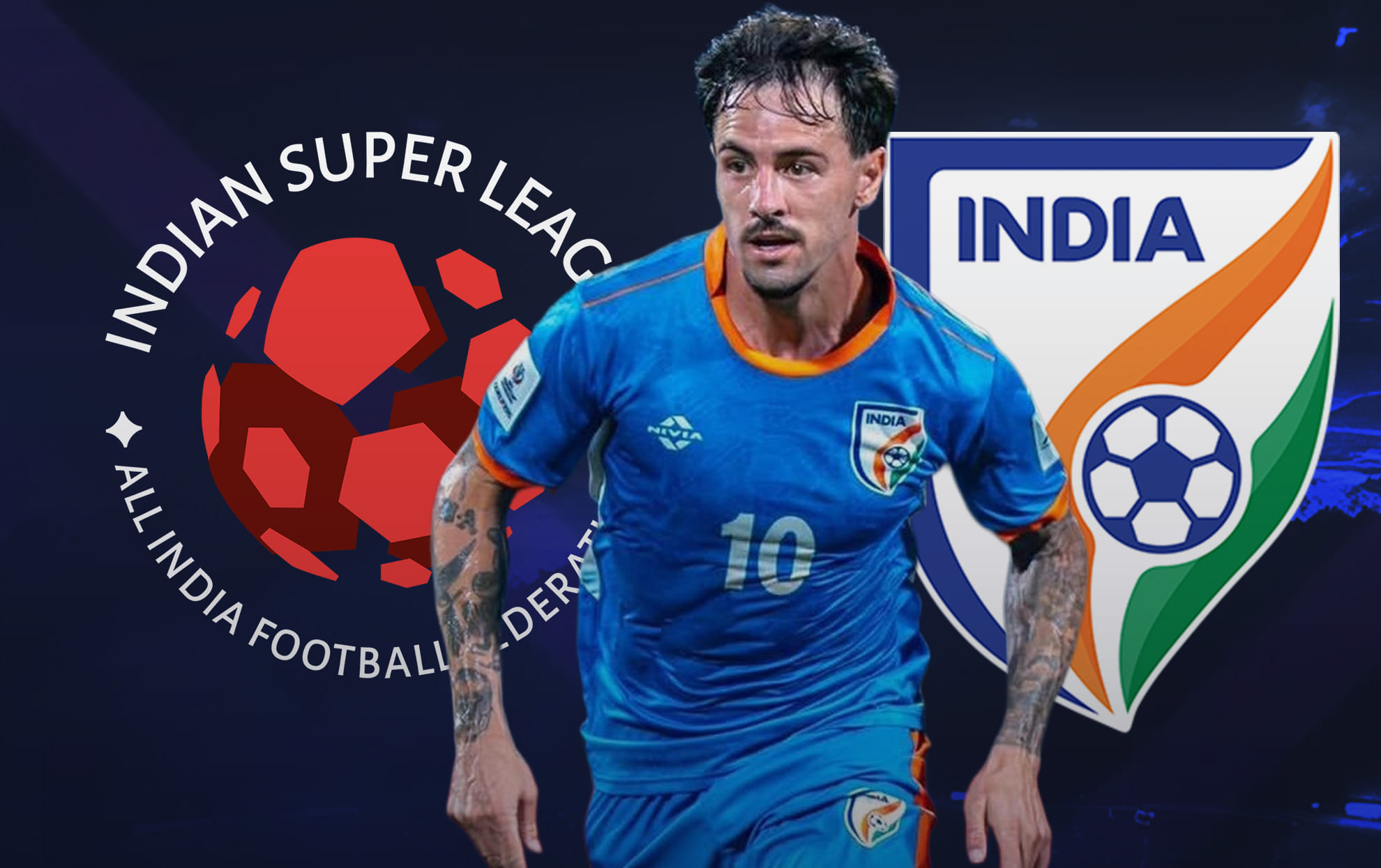
The federation identifies 28 eligible players, with Ryan Williams as a blueprint for future recruits.
Catch Every Update, Anytime, Anywhere
The future of the Indian Super League (ISL) was the key agenda during Monday’s meeting between ISL club owners, Sports Minister Mansukh Mandaviya and AIFF officials in New Delhi, as exclusively revealed by Khel Now last evening.
While discussions largely centred around the league’s commercial structure and the club-led operating model, AIFF President Kalyan Chaubey used the opportunity to raise another issue he believes could have a direct impact on the future of the Indian national football team.
According to sources present at the meeting, Chaubey urged ISL clubs to explore signing Players of Indian Origin (PIO) and Overseas Citizens of India (OCI) as part of a broader strategy to strengthen the national team player pool in the coming years.
The AIFF President also highlighted the importance of developing Indian forwards, increasing the involvement of Indian coaches and creating a clearer pathway for eligible overseas players of Indian origin to eventually represent the Blue Tigers.
“AIFF President told all the clubs that the federation has made a shortlist of 28 PIO/OCI players who are eligible to play for India and could be signed by ISL clubs so that they can follow the pathway shown by Ryan Williams,” an ISL club CEO who attended the meeting told Khel Now.
Sources have also indicated that AIFF is exploring the idea of a separate PIO/OCI quota in domestic football, similar to the Asian player rule used in previous seasons. The federation believes such a mechanism could encourage clubs to invest in eligible overseas players of Indian origin and expand India’s talent pool in the long run.
Ryan Williams is becoming the blueprint
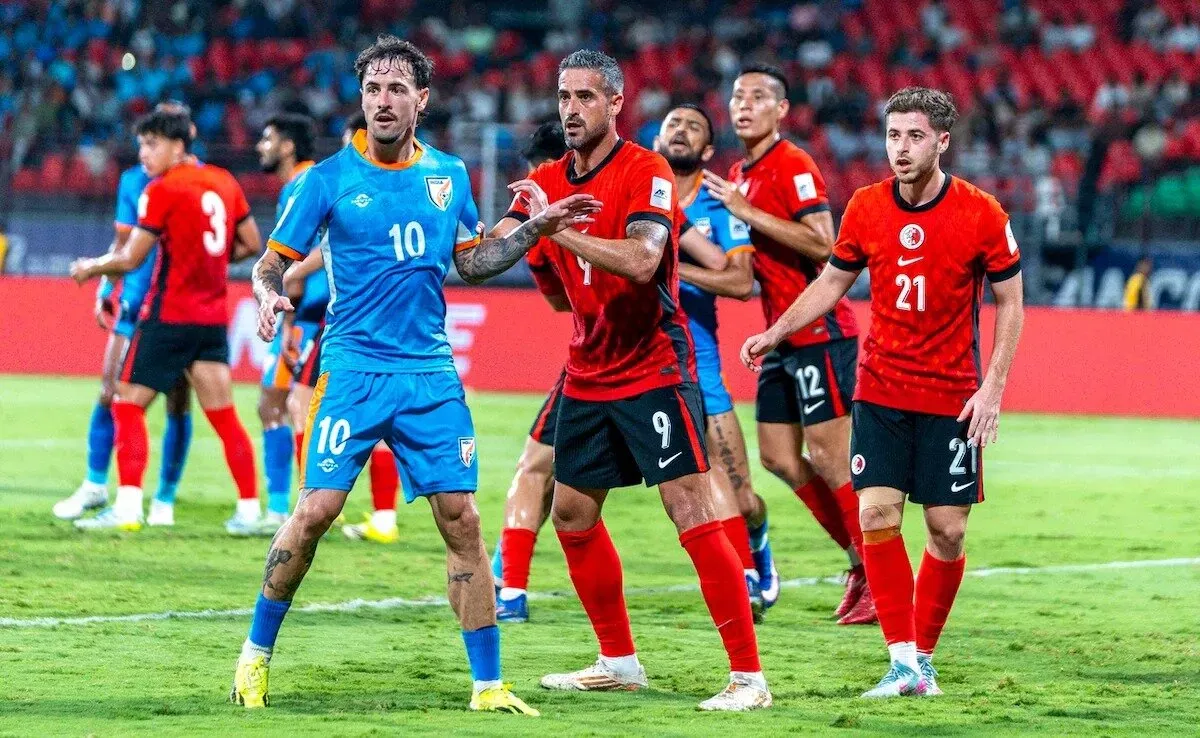
The federation’s thinking has been heavily influenced by the recent case involving Bengaluru FC forward Ryan Williams.
Earlier this year, Bengaluru FC forward Ryan Williams renounced his Australian citizenship, acquired an Indian passport and became eligible to represent India.
He made his international debut under Khalid Jamil against Hong Kong and marked the occasion with a goal.
Within the federation, Williams is increasingly being viewed as proof that a pathway exists for overseas players of Indian origin who are serious about representing India.
India’s citizenship laws do not permit dual nationality, meaning players cannot simply switch sporting allegiance while retaining their original passport.
Instead, they must surrender their foreign citizenship and obtain an Indian passport before becoming eligible to represent the national team.
That process is considerably more demanding than in many other football nations and was previously followed by Japan-born Arata Izumi, who became eligible for India after acquiring Indian citizenship in 2012.
Why AIFF wants clubs involved
Sources familiar with the federation’s thinking said that AIFF believes ISL clubs can play an important role in helping eligible players complete the process.
Several of the shortlisted players already hold OCI status, but many would still need to satisfy residency and documentation requirements before becoming eligible for Indian citizenship.
The thinking within the AIFF is that if such players spend one or two seasons in India, they can begin to fulfil some of those requirements while adapting to Indian football.
The approach mirrors that of Williams, who spent several years playing in India before eventually completing the citizenship process.
Clubs raise financial concerns
The idea was discussed positively during the meeting, but club executives privately admitted that finances remain a major obstacle.
“PIO/OCI players ask for high salaries compared to normal foreigners and in the current situation, it will be tough for clubs to spend that money. If we can find players who are good enough and fit our budget, then we will definitely sign them,” another ISL CEO told Khel Now.
Several clubs continue to operate under tight budgets and are already balancing spending across foreign signings, domestic players and youth development programmes.
As a result, any large-scale recruitment of overseas Indian-origin players may depend on both financial viability and the quality available in the market.
Shaan Hundal among players keen on India move
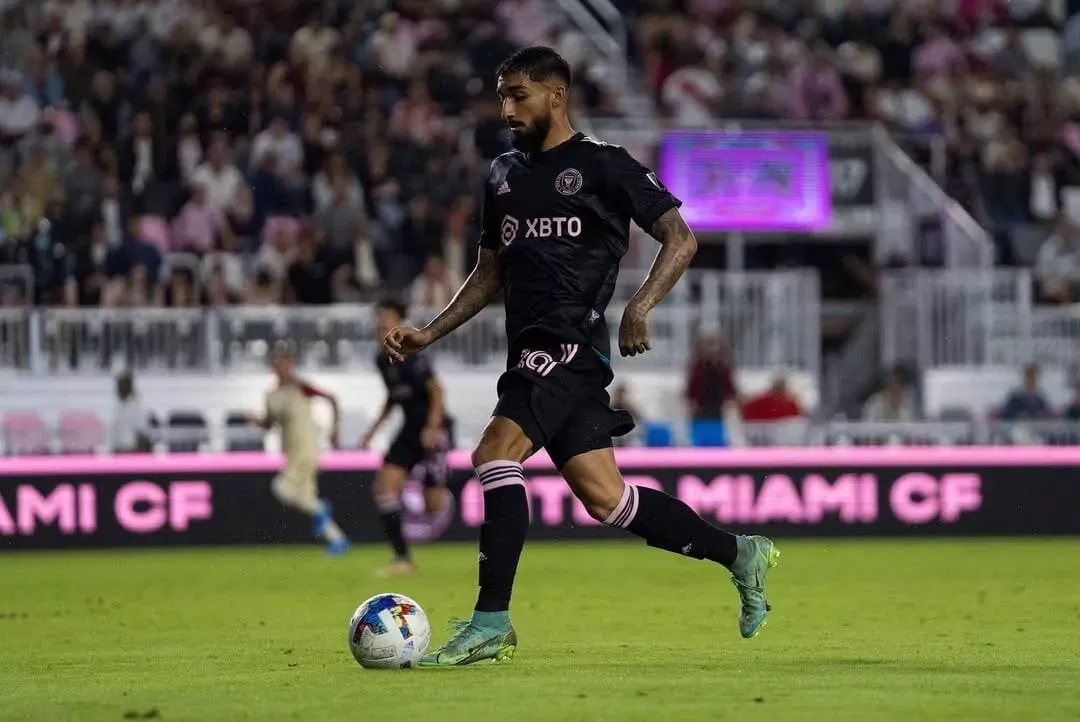
One player who has publicly expressed interest in following a similar route is Canadian striker Shaan Hundal.
The Brooklyn FC forward, whose family hails from Punjab and who currently holds an OCI card, has repeatedly stated his desire to represent India in the future.
Speaking recently to The Times of India, Hundal said he was prepared to do “whatever it takes” to wear the Blue Tigers jersey, even if it meant relocating to India and giving up his Canadian citizenship.
“I really want to come to India, play in the Indian Super League and play for the national team. The main thing is playing for the national team. Whatever it takes, I’ll do,” Hundal said.
However, the 26-year-old also acknowledged that support from clubs and the federation would be essential.
“I need help from the federation, or at least the federation pushes a team in the Super League to bring me over and then start the process of getting the passport.”
A long-term national team project
For years, the debate around PIO and OCI players has remained one of the most discussed topics in Indian football.
While changes to India’s citizenship laws remain outside the AIFF’s control, the federation appears to be focusing on players willing to fully commit to the process already in place.
The shortlist of 28 players and Chaubey’s direct appeal to clubs suggest the federation is looking beyond the current national team cycle.
Whether clubs ultimately sign those players remains to be seen, but the AIFF’s message was clear: expanding India’s talent pool is now a priority, and the federation believes PIO and OCI players could play a role in that process.
Why is AIFF encouraging ISL clubs to sign PIO and OCI players?
AIFF believes signing eligible PIO and OCI players could expand India’s talent pool and create a pathway for overseas players of Indian origin to eventually represent the national team.
How many PIO and OCI players have been shortlisted by AIFF?
According to sources, the AIFF has prepared a shortlist of 28 PIO and OCI players who could potentially become eligible to play for India.
What role did Ryan Williams play in AIFF’s proposal?
Ryan Williams’ journey from overseas player to India international has become a model for the federation. AIFF believes other eligible players could follow a similar pathway by playing in India and eventually acquiring Indian citizenship.
Can PIO and OCI players directly represent India?
No. India does not allow dual citizenship. Players must surrender their foreign citizenship and obtain an Indian passport before becoming eligible to represent the Indian national football team.
For more updates, follow Khel Now on Facebook, Twitter, Instagram, Youtube; download the Khel Now Android App or IOS App and join our community on Whatsapp & Telegram.