
Amelia Valverde's report flags deeper systemic issues as AIFF eye Indian coach for Indian Women's Football Team
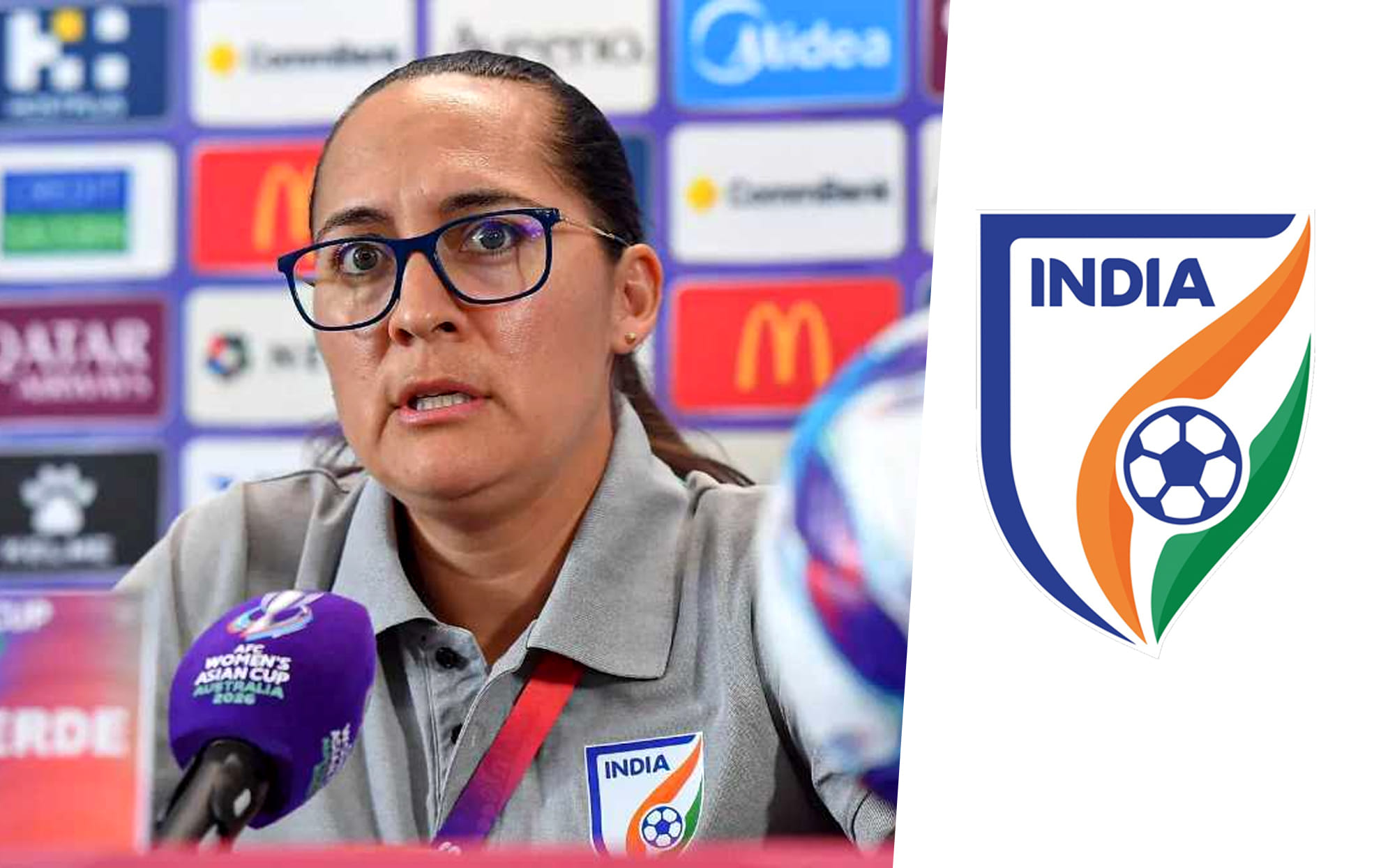
Indian Women’s Football Team have had five different coaches in five years.
All-India Football Federation (AIFF) has decided to part ways with Amelia Valverde as the head coach of the Indian Senior Women’s Team following a disappointing campaign at the AFC Women’s Asian Cup 2026, with the AIFF technical committee opting not to extend her contract beyond March 31.
The decision comes after India lost all three group-stage matches, conceding 16 goals while scoring just twice. Valverde, who was appointed solely to guide the team through the continental tournament, failed to deliver the expected improvement despite her international experience.
However, before her departure, the 39-year-old submitted a detailed report to the AIFF, outlining several structural and preparation-related shortcomings that, according to her, significantly impacted the team’s performance.
Details of the report have been credited to Hindustan Times.
The technical committee, chaired by IM Vijayan, and including members like Shabbir Ali, Harjinder Singh, Victor Amalraj, Climax Lawrence, and Santosh Singh, reviewed the team’s trajectory before taking the call.
With crucial fixtures approaching, the AIFF now sees this as an opportunity to shift direction, potentially handing the reins back to an Indian coach.
Catch Every Update, Anytime, Anywhere
What did Amelia Valverde’s report reveal about India’s struggles?
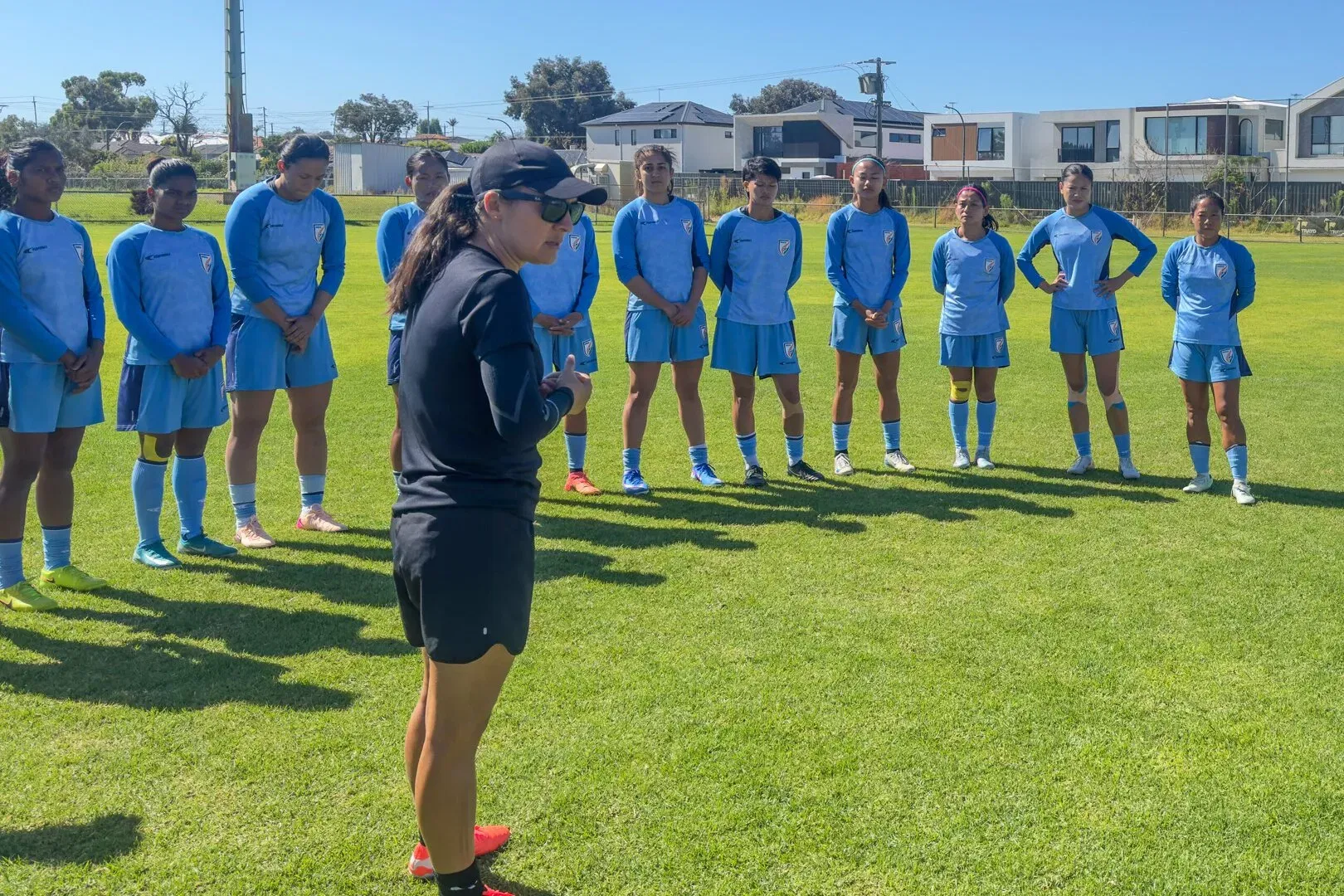
Valverde’s report paints a detailed picture of a team that struggled due to inadequate preparation rather than just on-field shortcomings. She pointed out that India played too many matches in a short span, which left little time for structured training, as shared by the Hindustan Times.
At the same time, she highlighted that many of the friendlies were against lower-level club sides rather than international teams.
As a result, the team failed to simulate the intensity and tactical demands of the AFC Asian Cup. She stressed that preparation should mirror actual competition conditions, including facing similar opponents in comparable environments.
Moreover, the report flagged logistical inconsistencies. India trained in Türkiye under cool and rainy conditions, but the tournament in Perth presented drastically different weather, with temperatures rising up to 36°C. This lack of environmental adaptation affected match readiness.
Additionally, Valverde noted gaps in support staff during crucial phases. According to her report, the team lacked a doctor until late February, did not have a dedicated equipment manager, and saw an assistant fitness coach leave early. These factors, she argued, made it difficult to maintain professional standards.
She also recommended introducing a sports psychologist to improve team cohesion, confidence, and mental resilience. Despite the setbacks, Valverde acknowledged the players’ professionalism and attitude, stating that the team showed glimpses of high-level competitiveness but failed to sustain it across matches.
Interestingly, the AIFF responded by defending its structure. The federation maintained that medical and logistical support followed standard practices, with physiotherapists reporting to doctors remotely and responsibilities shared among staff.
Nevertheless, the report underlined a broader issue that there was a disconnect between preparation planning and actual tournament demands.
A revolving door: India women’s team coaching instability
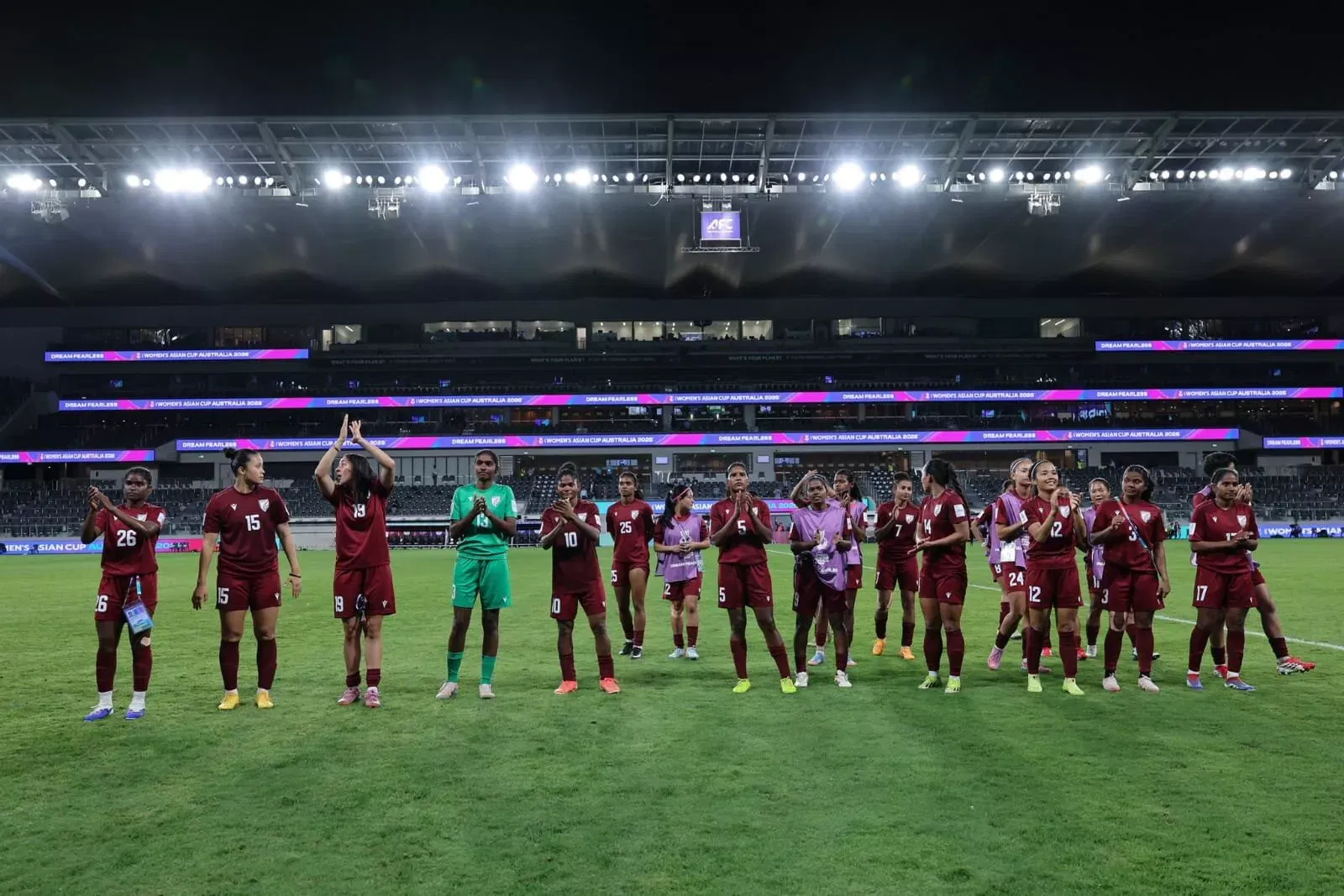
Valverde’s departure does not just mark the end of a brief tenure, it also brings attention to a persistent issue within the Indian women’s setup, which is the absence of long-term stability in leadership.
Ever since Thomas Dennerby stepped down in 2023, the team has gone through a series of coaching changes. Langam Chaoba Devi, Santosh Kashyap, and Crispin Chhetri have each handled the role for short periods, while Suren Chhetri and Joakim Alexandersson have also stepped in on an interim basis. This frequent turnover has made it difficult for the team to build a consistent identity.
Amid this uncertainty, Crispin Chhetri delivered a major breakthrough by guiding India to the AFC Asian Cup 2026, ending a two-decade wait and securing qualification on merit for the first time. That achievement was widely seen as a step forward for the programme.
Even so, the AIFF opted for a change in direction and brought in Valverde just weeks before the tournament, a decision that drew mixed reactions from within the football community.
With only a limited window to work with the squad, Valverde had little time to implement her methods effectively. Criticism has also emerged from within the system.
Valanka Alemao openly questioned the decision-making process, highlighting the lack of transparency in appointments and the absence of long-term planning.
“After the team played and did not qualify for the next stage, questions must be asked and answers sought from those responsible for the series of blunders concerning the team, as it has caused huge embarrassment to the country”, said Valanka Alemao as quoted by TOI.
Furthermore, off-field issues added to the chaos. Reports of wrong-sized kits being delivered just before the tournament and hastily arranged replacements painted a troubling picture of organizational lapses.
Taken together, these developments suggest that the coaching changes are symptoms of a much larger structural inconsistency rather than isolated decisions.
What’s next for India women’s football team?

As India move into a crucial phase, the calendar presents a series of important assignments that could shape the team’s immediate future. The side will first be in action during the April FIFA International Window, before shifting focus to the SAFF Women’s Championship in June.
In addition, India are scheduled to compete in the FIFA Series in Nairobi, where they will take on Australia, Kenya, and Malawi, offering a valuable test against varied opposition.
Amid this backdrop, the All-India Football Federation (AIFF) technical committee appears ready to pivot towards a domestic coaching option. At present, Crispin Chhetri and Anthony Andrews have emerged as the leading contenders to take charge.
Anthony Andrews, in particular, has built a compelling case through his achievements in domestic football. He played a key role in establishing Gokulam Kerala as a powerhouse by guiding them to consecutive Indian Women’s League titles. Following that success, he carried his winning formula to East Bengal, where he once again delivered the league title. His teams have often stood out for their structured approach, proactive attacking style, and ability to deliver in high-pressure matches.
Even so, the overall situation is far from straightforward. Crispin Chhetri’s earlier removal, despite leading India to qualification, continues to raise concerns about the lack of continuity in decision-making. At the same time, Andrews, despite his consistent results at club level, has repeatedly been overlooked for the national role in the past.
Licensing also remains a key factor in the final call. While both candidates hold AFC ‘A’ licences, neither currently possesses the AFC Pro Licence, which could weigh heavily in the selection process.
All things considered, the upcoming appointment carries significant importance. India needs more than just a new coach; they require a clear roadmap, long-term stability, and better alignment between domestic progress and international performance.
For more updates, follow Khel Now on Facebook, Twitter, Instagram, Youtube; download the Khel Now Android App or IOS App and join our community on Whatsapp & Telegram.