
ISL clubs propose club-led structure, want Genius Sports only as technology partner
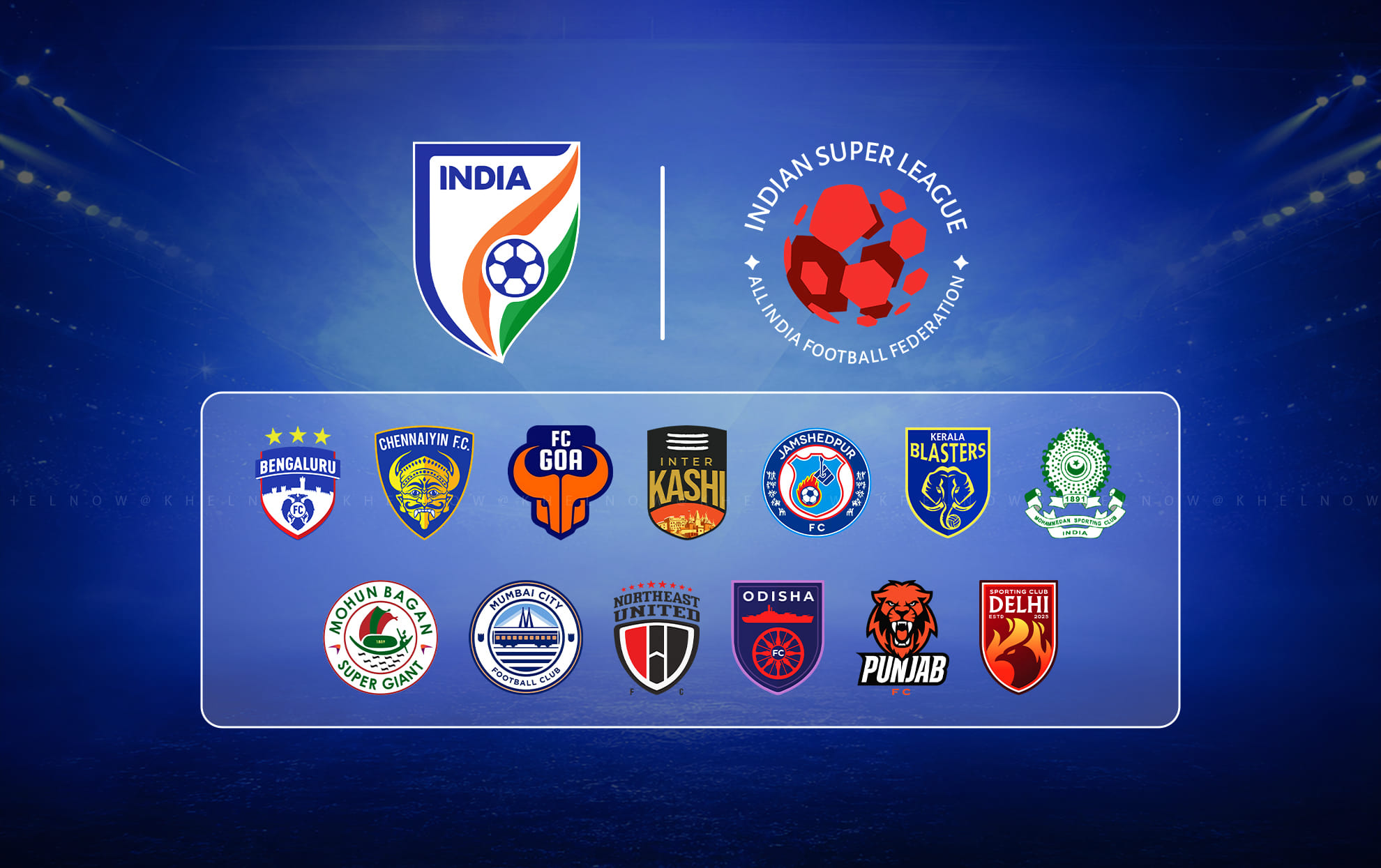
Clubs propose Genius Sports as a technology partner and oppose external commercial control of the league.
Ahead of the crucial meeting between Indian Super League (ISL) clubs and AIFF President Kalyan Chaubey on 22 May, all ISL clubs, except East Bengal FC, have jointly written to the AIFF and the Sports Ministry proposing a club-led operating structure for the league.
The proposal, sent on 13 May and signed by Bengaluru FC Director of Football Darren Caldeira on behalf of the clubs, does not outright reject Genius Sports. Instead, the clubs want Genius Sports to operate only as the league’s Data and Technology Partner rather than as an external commercial entity controlling the league’s operations and rights structure.
Under the proposed model, the clubs are willing to collectively pay AIFF approximately ₹12.65 crore annually upfront, roughly equivalent to the amount currently proposed under the Genius Sports framework.
According to sources tracking the matter, the clubs believe the proposed structure gives the league greater flexibility over media rights, sponsorships, and commercial assets, rather than locking all rights into a single long-term bundled agreement.
“The clubs believe this model gives Indian football a more sustainable ecosystem while allowing the league to retain greater commercial flexibility,” a source tracking the matter told Khel Now.
“Under the proposed structure, the league would be able to separately commercialise media, sponsorship and data rights instead of packaging everything into a single long-term agreement,” the source added.
As reported elsewhere, ISL clubs have not agreed to pay any form of franchise or participation fee.
Clubs point to 2025-26 season as proof of operational capability
Catch Every Update, Anytime, Anywhere

One of the key arguments in the proposal is that the recently completed ISL season has shown that clubs can collectively operate the competition in a financially sustainable and efficient manner.
“The current season has demonstrated that there exists a viable and sustainable pathway for clubs themselves to collectively operate the league in a significantly more cost-efficient manner.”
The clubs argued that over the last decade, they have developed operational expertise, vendor relationships and institutional knowledge within Indian football, which now allows them to run the league more efficiently while reducing costs.
The proposal highlighted league operations, logistics, production management, administration, and central execution as areas where meaningful savings could be achieved under a club-run structure.
In one of the strongest observations in the proposal, the clubs suggested that a foreign commercial entity without deep operational roots in India may struggle to achieve the same level of cost efficiency and local execution.
“It is the considered view of the clubs that such optimization may be considerably more difficult for a foreign commercial entity with no longstanding operational roots in India to effectively achieve.”
The clubs also maintained that conducting a full league season internally would enable economies of scale while preserving the competition’s quality and integrity.
Clubs believe they can unlock greater commercial value
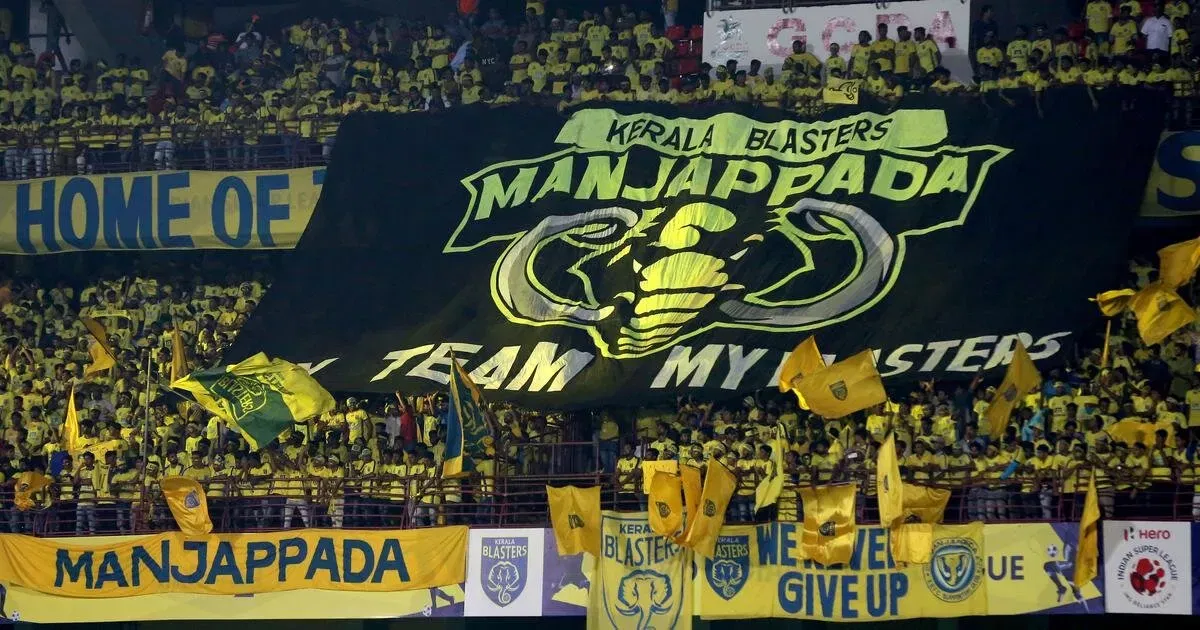
One of the central arguments made by the clubs is that local stakeholders understand the Indian football market better than any external commercial operator.
The clubs argued that their regional presence, existing fan bases and long-standing commercial relationships place them in a stronger position to maximise sponsorship, broadcast and licensing revenues.
“The clubs also believe that they, along with AIFF, are best positioned to engage with the Indian market and unlock the full commercial potential of the league.”
The proposal specifically highlighted areas such as:
- central media rights
- sponsorships and commercial partnerships
- licensing opportunities
- fan engagement assets
- local inventory integrations
According to the clubs, preliminary projections suggest a club-led structure could generate higher aggregate revenues while maintaining a leaner operational cost base.
AIFF to retain governance oversight under proposed model
Despite proposing a club-controlled framework, the clubs made it clear that the AIFF would continue to retain regulatory and governance oversight.
“The clubs wish to clarify that this proposal fully recognises the central and continuing role of the AIFF in Indian football governance.”
Under the proposed structure:
- AIFF retains 10% ownership in the league entity
- Integrity oversight remains with AIFF
- Referee management and regulatory support continue under AIFF supervision
- clubs collectively retain 90% of the economic interest
The proposal also gives both sides veto powers in their respective domains. While AIFF would retain supervisory and veto rights on sporting, integrity and disciplinary matters, clubs would retain veto powers over commercial and operational matters affecting the league.
The clubs also proposed that governance continue through the previously discussed Governing Council and management committee structure but without any external commercial entity holding governance or ownership rights within the league.
“There would be no standalone external commercial partner holding a controlling commercial interest in the league.”
Proposed role of Genius sports

While pushing back against the idea of an external commercial operator controlling the league, the clubs repeatedly emphasised that they value Genius Sports’ expertise.
Under the proposed structure, Genius Sports would function as the ISL’s exclusive Data and Technology Commercial Partner, handling areas such as sports data, integrity solutions, fan engagement technologies and related commercial products.
The clubs also indicated they remain open to a long-term commercial relationship with the company.
However, the proposal argued that because the operational scope under this structure would be significantly reduced, the currently discussed USD 7 million financial framework would also need to be revised downward.
Clubs push for stronger role in Indian football’s future
One of the strongest sections of the proposal focused on long-term sustainability and value creation.
The clubs argued that Indian professional football can only become sustainable if clubs are allowed to participate more meaningfully in the commercial upside of the league, especially considering the scale of investment already being made into:
- player salaries and recruitment
- youth development
- infrastructure and training facilities
- football operations
- fan engagement and community development
According to the proposal, the club-led framework is designed to create stronger alignment between those who invest in Indian football and those who drive its commercial future.
The proposal also requested that the AIFF allow direct discussions between the clubs and Genius Sports to explore a mutually acceptable structure moving forward.
“The clubs would welcome the opportunity to present the detailed financial assumptions, operational projections, and structural framework supporting this proposal.”
One notable detail in the letter is that the proposal was signed on behalf of all ISL clubs except East Bengal FC, highlighting the growing alignment among clubs on the league’s future commercial and operational direction.om the letter is that the proposal was signed on behalf of the ISL clubs (except East Bengal).
What are the ISL clubs proposing to AIFF?
The clubs have proposed a club-led operating structure in which clubs collectively run the ISL, while AIFF retains governance oversight.
What role would Genius Sports play under the proposal?
Genius Sports would serve as the league’s Data and Technology Commercial Partner rather than control commercial operations.
How much are clubs willing to pay AIFF?
The clubs are willing to collectively pay AIFF around ₹12.65 crore annually upfront.
Which club did not sign the proposal?
All ISL clubs signed the proposal except East Bengal FC.
For more updates, follow Khel Now on Facebook, Twitter, Instagram, Youtube; download the Khel Now Android App or IOS App and join our community on Whatsapp & Telegram.