
Why the ISL tender failed: Key findings from AIFF-KPMG & Justice L. Nageswara Rao’s report to the Supreme Court
Indian football is sinking deeper into crisis. A day after the national team suffered its first loss to Bangladesh in 22 years in the AFC Asian Cup 2027 qualifiers, the sport is battling an even bigger disaster back home, the failed Indian Super League (ISL) commercial tender.
With no bidders coming forward, the AIFF has been left with a ₹50 crore-sized hole in its annual budget, money previously assured under the outgoing FSDL deal. The federation is essentially functioning without financial oxygen, and the domestic football structure is barely moving.
After the collapse of the tender, the Supreme Court-appointed Bid Evaluation Committee (BEC) asked AIFF-KPMG to file a detailed report.
Retired Justice L. Nageswara Rao then reviewed the process and submitted his own 27-page evaluation to the Supreme Court. The case was mentioned by the Amicus on 18 November, with the next hearing scheduled for 20 November.
Meanwhile, the 12 ISL clubs, except Odisha FC and Chennaiyin FC, have jointly moved the Supreme Court as intervenors.
Khel Now accessed Justice Rao’s full report. These are the key takeaways.
Why the ISL tender failed: findings from AIFF-KPMG which was submitted to BEC.
AIFF-KPMG listed the following reasons given by potential bidders who chose NOT to participate:
A) League Structuring Issues
1. Promotion-Relegation Concerns
Bidders felt immediate relegation could damage long-term development and destabilise investment plans. It also complicates club–commercial partner dynamics.
2. 15-Year tender duration was too short
Given how young and unstable the Indian football ecosystem still is, bidders wanted a longer horizon to reduce risk.
3. AIFF’s Guaranteed Payment was a red flag
Bidders were uncomfortable with AIFF earning a guaranteed payment while holding limited risk, leaving the commercial partner to absorb all commercial losses.
4. Mandatory open tender for media rights
Platforms that already run streaming or TV services lose vertical-integration benefits if forced into an open tendering process.
B) Operating freedom & governance structure
Bidders raised strong objections to the governance framework proposed.
1. Decision-making power too Skewed towards AIFF
AIFF retained substantial control, but the commercial partner carried the entire financial burden.
2. Lack of clear operating autonomy
The Governing Council structure heavily limited the commercial partner’s authority. Key issues like scheduling, commercial strategy, and league operations were not fully in their control.
3. Rights & responsibilities not clearly defined
Clarity was missing on what the commercial partner could manage directly, especially around media rights, sponsorship, and operational decisions.
C) Other major deterrents
1. Overly narrow eligibility criteria
The tender demanded highly specific experience, 150+ hours of sports event production and multi-year sponsorship handling, qualifications only a handful of global entities possess.
2. Consortium requirements + Unrealistic timelines
A two-week window to assemble documents and partnerships was seen as impossible. Similar processes abroad take months.
3. No clarity on number of ISL clubs
Media reports about clubs potentially withdrawing made bidders nervous.
4. Lack of viewership data
Even after requests, bidders were not given digital viewership numbers, critical for valuing commercial rights.
AIFF-KPMG’s recommendations to BEC
AIFF-KPMG suggested the Supreme Court consider the following adjustments:
1. Flexibility in league ownership structure
Allow a more attractive model where footballing and commercial operations can be housed differently, potentially drawing private investors.
2. Explore equity models
Consider equity-based structures for the long-term commercial rights, or performance-linked commercial payouts.
3. Allow entry & exit options for long-term Investors
Ensure investors can enter for long-term growth but also exit at fair market value.
4. Revisit promotion-relegation timeline
Clubs fear immediate relegation in 2025–26. KPMG recommended a 3–5 year transition period before implementing promotion/relegation fully, aligning with AFC discussions.
Justice L. Nageswara Rao’s recommendations to the Supreme Court
1. Minimum guaranteed payment too high
The mandatory annual guaranteed payment was the biggest deterrent.
Recommendation: Reduce or restructure this amount to make the bid commercially viable.
2. Decision-Making & Veto Powers Need Reform
Bidders objected to the AIFF’s veto powers and the limited operational role offered to the commercial partner.
Recommendation: Rework the Governing Council structure so the commercial partner has equal representation.
3. Sub-Licensing & Media Rights Must Be Relaxed
Bidders wanted the freedom to sub-license broadcast/digital rights.
Recommendation: Allow independent sub-licensing without prior AIFF approval.
4. Clarify Interpretation of “Essential Aspects”
To avoid conflicts under Article 63 of the AIFF Constitution:
- AIFF should keep control over regulatory and essential football matters.
- Day-to-day commercial operations should be delegated to the commercial partner.
The road ahead: Can Indian football recover?
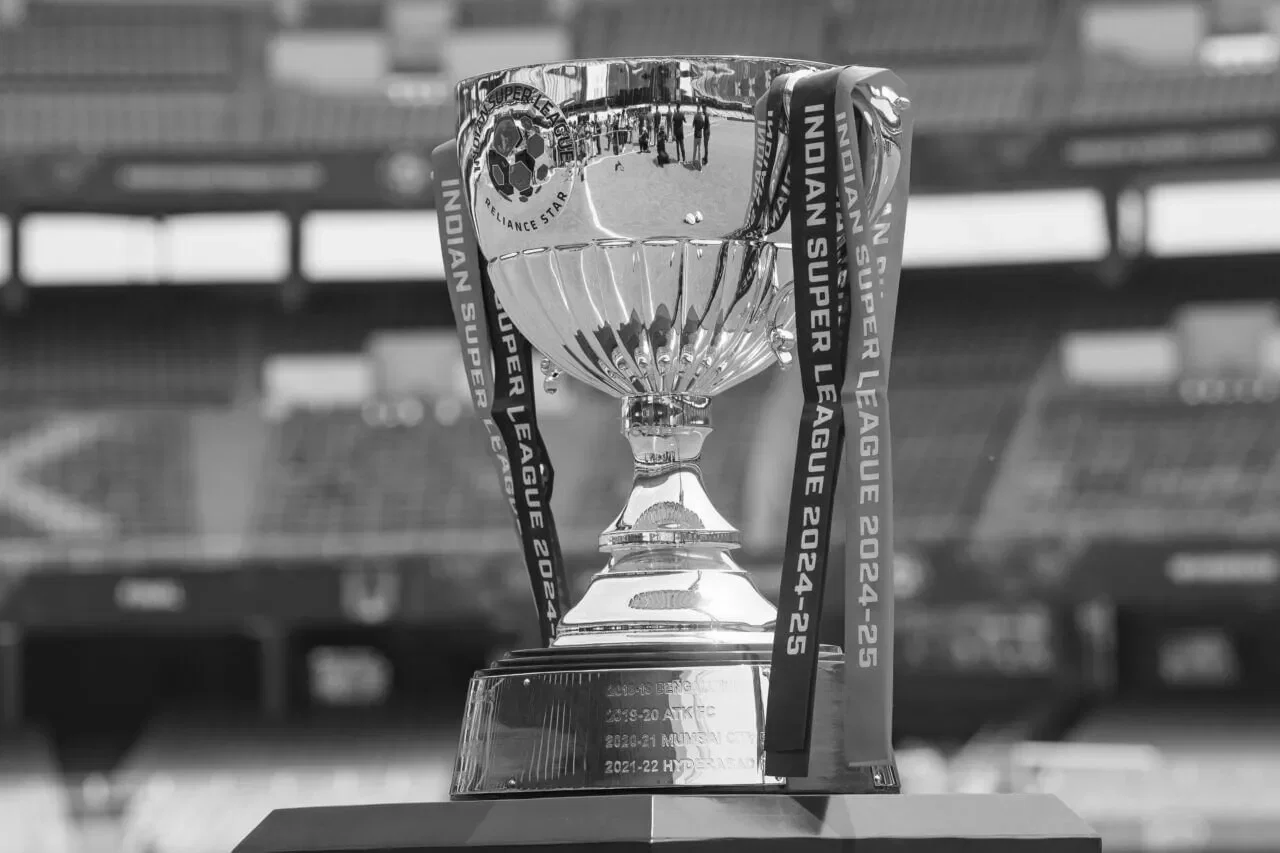
The ISL tender’s collapse has shown how fractured the Indian football ecosystem has become. AIFF is running on fumes, competitions are in limbo, and fans have lost faith in the system.
The Supreme Court’s next hearing on 20 November will be crucial. If the Court accepts Justice Rao’s recommendations, the tender could be relaunched quickly with a more realistic structure.
But if the matter drags on, as many fear, Indian football risks further paralysis at a time when both the national team and the domestic ecosystem desperately need stability.
Right now, the sport is clinging to life. The hope is that this legal process finally brings clarity and that Indian football can start rebuilding from the ruins.
Why did the ISL commercial tender fail?
Because no bidders came forward. Reports submitted to the Supreme Court show concerns over high guaranteed payments, limited operating freedom for the commercial partner, unclear media rights, and unrealistic tender timelines.
What was the minimum annual guaranteed payment under the tender?
The bidder had to pay a minimum ₹37.5 crore per year or 5% of gross revenue– whichever was higher. Justice Rao said this was too high, especially for early years.
What happens next in the Supreme Court?
The matter has been listed for 20 November, where the Court will review the reports and decide how to revive the tender process.
Why is this tender crucial for AIFF?
AIFF is now missing the ₹50 crore annual support it previously received from FSDL. Without a commercial partner, the federation risks financial paralysis across leagues, competitions and youth development.
For more updates, follow Khel Now on Facebook, Twitter, Instagram, Youtube; download the Khel Now Android App or IOS App and join our community on Whatsapp & Telegram.
Ashish Negi is the co-founder and CEO of Khel Now. A computer engineering graduate from LPU (2015), he has been closely following and covering Indian football and sports since 2007. He started the Indian Football Team Facebook page in 2013 and later handed it over to the AIFF in 2015 when it had grown to over 500K followers. Ashish continues to drive Khel Now’s vision while staying deeply connected to the pulse of Indian sport.