
Top five Indian players who transitioned into successful coaches
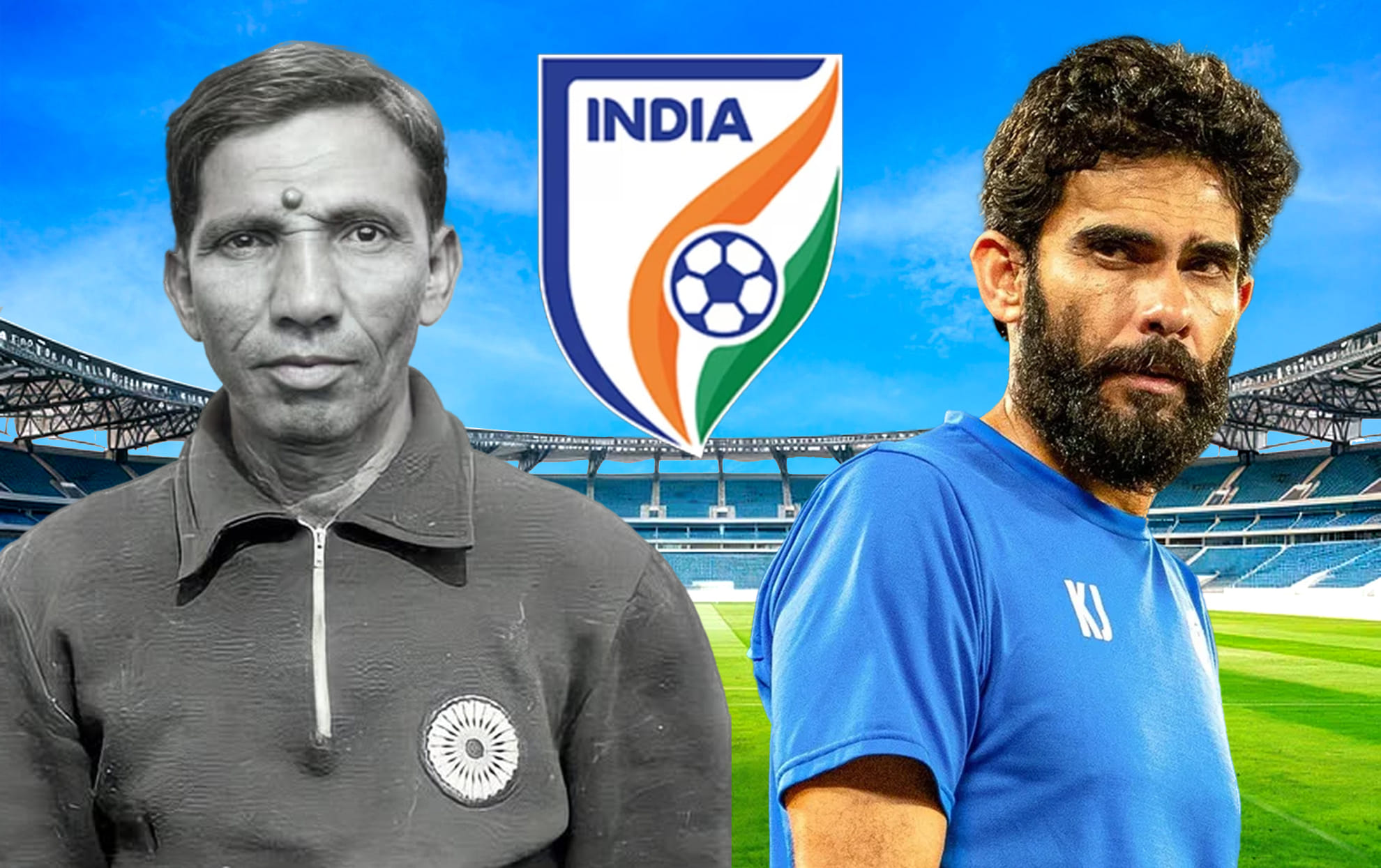
These former Indian internationals have had some successful stints on the other side of the field.
Indian football has seen several former players entering the world of coaching, but only a few have truly excelled at the touchline.
These individuals didn’t just rely on their playing reputation; they adapted, evolved and left a lasting mark as tacticians and leaders.
From modern-day success stories to legendary figures who shaped Indian football’s foundation, here are five Indian footballers who became outstanding coaches.
Catch Every Update, Anytime, Anywhere
5. Savio Madeira
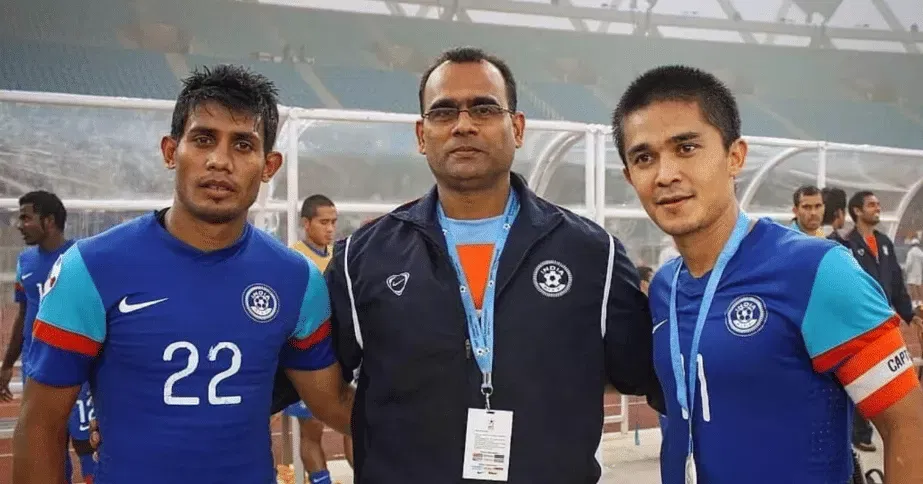
Savio spent his entire career playing at Salgaocar SC between 1983 and 2000, winning 2 Rovers Cups, the Federation Cup and the League title.
After retiring, he began his coaching journey at Salgaocar, initially as an assistant coach before taking charge as the head coach. The club finished NFL (National Football League) runners-up and lifted the Durand Cup in 2003.
Following his stint with Salgaocar FC, Savio became the assistant coach of the Indian national team, playing a key role in India’s 2008 AFC Challenge Cup triumph, two Nehru Cup wins, and the qualification for the 2011 AFC Asian Cup.
He later served as India’s head coach, guiding the team to SAFF Championship glory in 2011, underlining his smooth transition from player to coach.
4. Amal Dutta
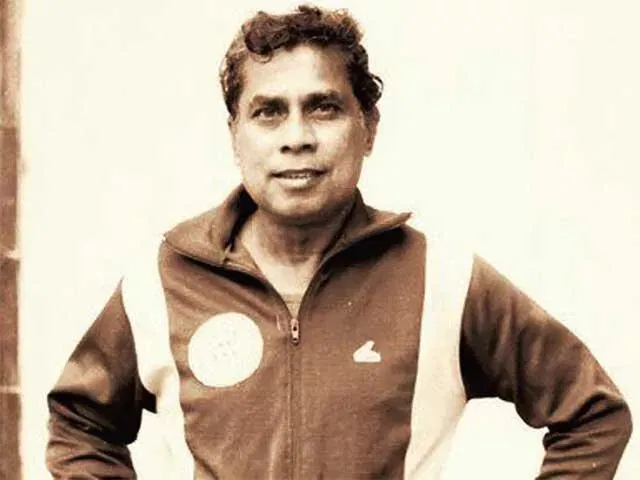
Amal Dutta, also known as the “Diamond Coach”, was one of Indian football’s early pioneers who made a lasting impact both as a player and a coach. He began his professional career in the early 1950s and represented East Bengal for 3 seasons, featuring in overseas tours to Romania and the Soviet Union.
He also had a brief spell with Mohun Bagan and earned a solitary cap for India, winning the 1953 Asian Quadrangular Tournament while being part of the 1954 Asian Games squad.
A career-ending injury forced him to retire at the age of 29, after which Dutta committed fully to coaching. He travelled to England at his own expense to complete an FA coaching course under Walter Winterbottom, becoming one of India’s earliest formally trained coaches.
On returning, he coached Railways, Odisha, and later East Bengal, playing a key role in shaping Indian football’s coaching culture. He was the first Indian Coach who introduced the modern-day diamond formation in Indian football, thus giving him the nickname of “Diamond Coach”.
3. Sukhwinder Singh
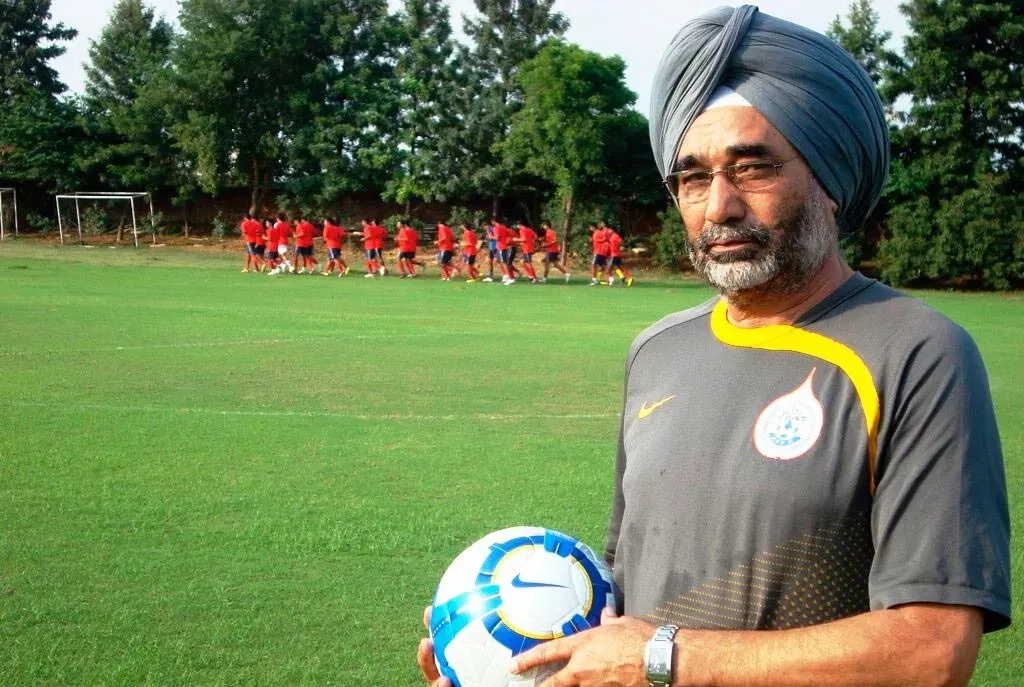
Sukhwinder Singh established himself as one of India’s most effective coaches during the rise of professional club football. He enjoyed his greatest success with JCT FC, building a dominant side that won two Federation Cups, the inaugural National Football League (1996–97) and the IFA Shield, while also competing credibly in continental tournaments.
He featured prominently in Indian club football and played for Punjab Police at the 1971 Asian Club Championship, later winning the Santosh Trophy with Punjab in 1974–75.
Singh served as head coach of the Indian national team (1999–2001) and led the side to the SAFF Championship victory in 1999. His tenure is best remembered for India’s impressive campaign in the 2002 World Cup qualifiers, where the team lost just once and narrowly missed progression.
2. Khalid Jamil
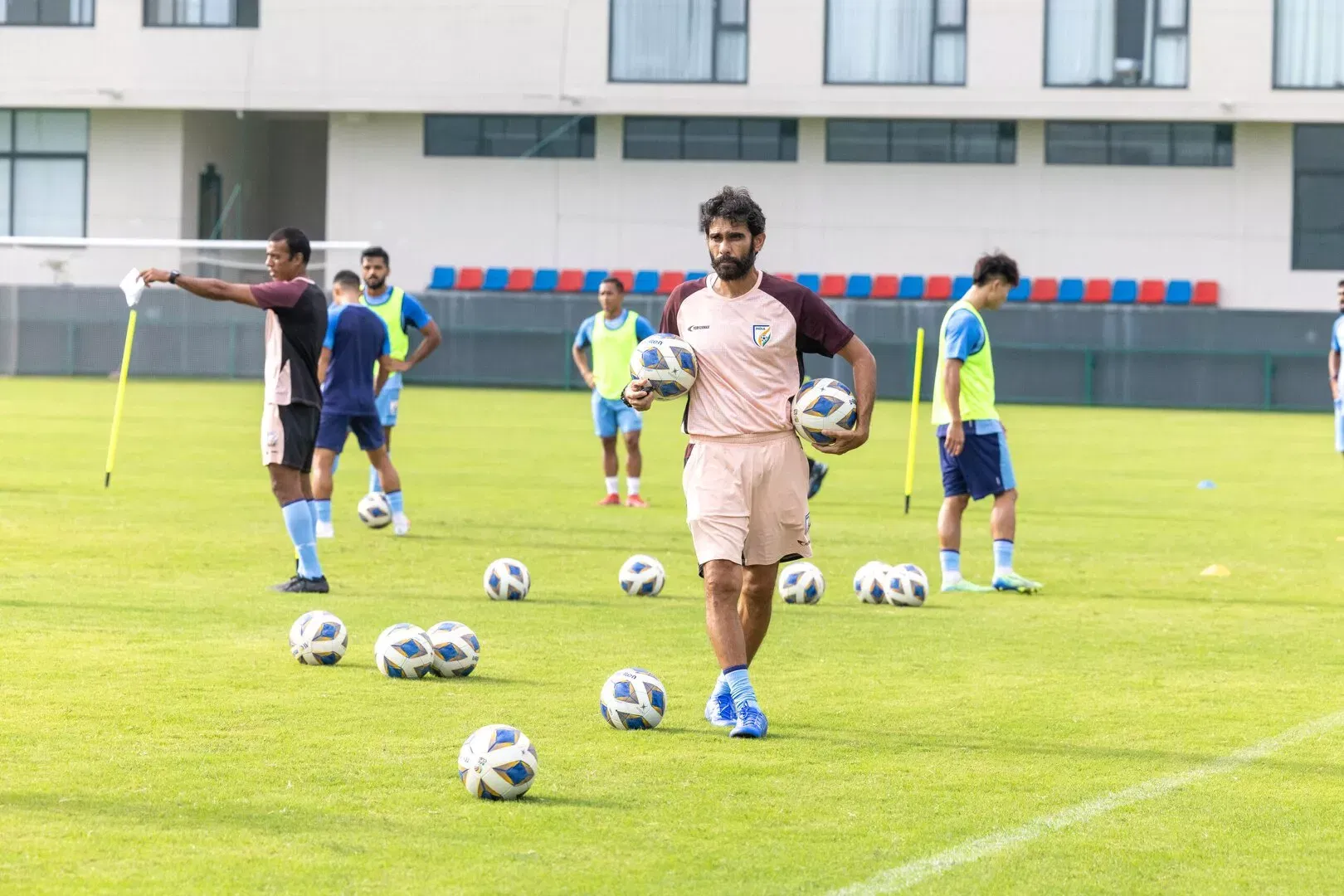
Khalid Jamil is widely regarded as the most successful Indian coach of the modern era. After a respectable international playing career, he transitioned seamlessly into management, making his name with Mumbai FC, where he consistently kept them competitive in the I-League.
His reputation soared in 2016–17, when he guided Aizawl FC to a historic I-League title, making them the first club from Northeast India to win a national championship.
Jamil later worked with East Bengal and Mohun Bagan and scripted history at NorthEast United FC, becoming the first Indian coach to take an ISL team to the playoffs and later the league’s first permanent Indian head coach.
He also coached Jamshedpur FC before being appointed India national team head coach in 2025, leading the Blue Tigers to a 3rd place finish in the CAFA Nations Cup, underlining his rise from grassroots grit to national leadership.
1. Syed Abdul Rahim
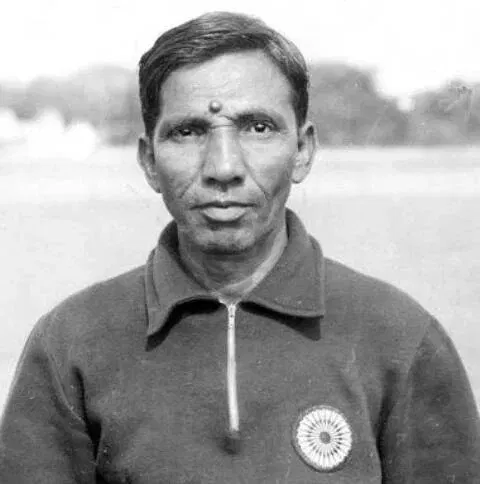
Syed Abdul Rahim began his football journey as a player, representing Qamar Club in India and later turning out for Dutch amateur side HSV Hoek, before transitioning into coaching. Appointed India head coach in 1950, Rahim represented the country’s golden era, transforming the national team into a major force in Asian football.
Under his guidance, India won Asian Games gold in 1951 and 1962 and achieved their greatest-ever result by reaching the semi-finals of the 1956 Melbourne Olympics.
Rahim’s teams also competed creditably at multiple Olympic tournaments and challenged stronger European opposition.
More importantly, he laid the foundation of Indian football by nurturing legends such as P.K. Banerjee, Chuni Goswami, Neville D’Souza, Jarnail Singh, and Tulsidas Balaram. His impact remains unparalleled.
For more updates, follow Khel Now on Facebook, Twitter, Instagram, Youtube; download the Khel Now Android App or IOS App and join our community on Whatsapp & Telegram.