
SAFF Women's Championship 2026: Missed chances, failed experiments & more talking points from India vs Bangladesh
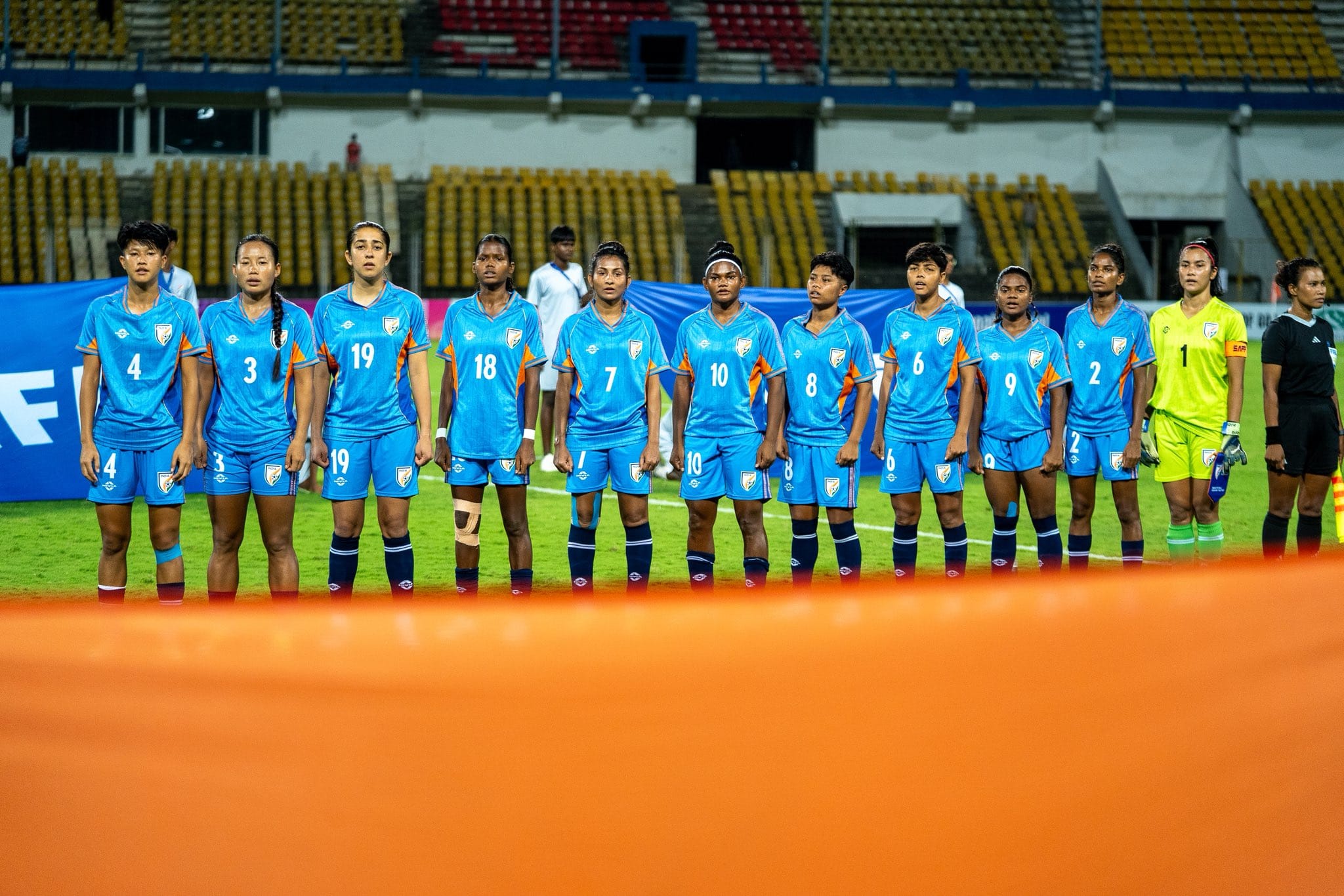
India top Group B with two wins in two games
With qualification to the knockout stage of the SAFF Women’s Championship 2026 already secured for both sides, India and Bangladesh went head-to-head at the Fatorda Stadium to determine the Group B winners and secure a potentially easier opponent in the semifinals. At the end, it was India who emerged victorious and booked a semifinal clash against Bhutan.
Crispin Chettri made six changes to the side that thrashed Maldives 11-0 in the opening game of the tournament.
Panthoi Chanu replaced Shreya in goal, while three additional changes were made to the defensive line. Sanfida returned to midfield, and Soumya Guguloth started on the wing. In a tactical experiment by the head coach, Aveka Singh was deployed as a lone striker, with Pyari Xaxa shifted out wide.
The game was end-to-end during the opening stages, with India creating several chances in attack while also gifting opportunities at the other end due to poor communication among the defenders.
The Blue Tigresses gradually settled into the contest and began to dominate proceedings, creating numerous goalscoring opportunities. However, they managed to score only once before the break and went into half-time with a slender lead courtesy of Pyari Xaxa’s strike.
Bangladesh came out with greater attacking intent in the second half and created a number of promising opportunities but lacked the finishing quality to make them count.
India, meanwhile, continued to create chances of their own. The pattern of the game remained unchanged as the Blue Tigresses missed several opportunities before eventually scoring twice late on to secure a 3-0 victory, thanks to Lynda Kom’s penalty and Malavika’s late header.
Despite the comfortable win, there were several areas that India will need to improve as the tournament progresses. Let us take a look at the key takeaways from the match.
Aveka Singh’s gamble as number 9 fails to pay off
Catch Every Update, Anytime, Anywhere
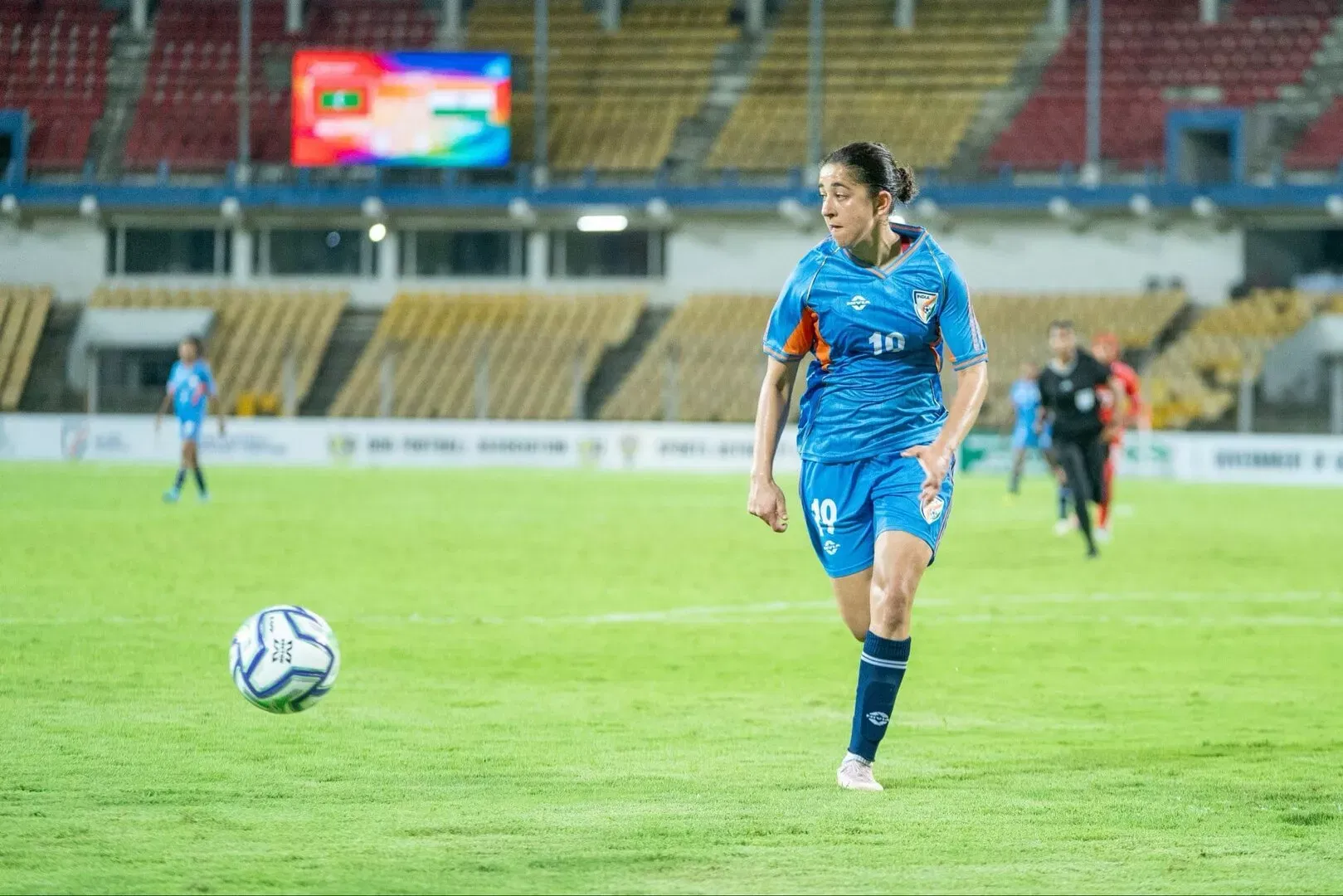
One of the biggest decisions Crispin Chettri made with his starting lineup was deploying Pyari Xaxa on the wing and starting Aveka Singh as the center-forward, with Sanfida Nongrum operating just behind her to press aggressively and make runs in behind the Bangladesh defense.
While the move benefitted Sanfida, who constantly threatened with her runs beyond the backline, it significantly reduced Aveka’s influence on the game.
Aveka, who was in sensational form against Maldives with four goals and two assists, was largely ineffective in attack and struggled to make an impact.
Her most effective role is playing just behind the striker, where she can make late runs into the box, score goals, and create opportunities for her teammates. Moving the most influential player in your attack away from her natural position proved to be a decision that backfired for the Blue Tigresses.
Not only did it diminish Aveka’s goalscoring threat, but it also affected India’s ability to create attacking moves through the middle from open play.
As a result, most of their attacks came from the flanks through crosses into the box, an approach that did not suit Aveka’s style of play, especially against physically dominant defenders. The lack of central creativity made India’s attack far more predictable and easier for Bangladesh to defend against.
Inconsistent in the final third
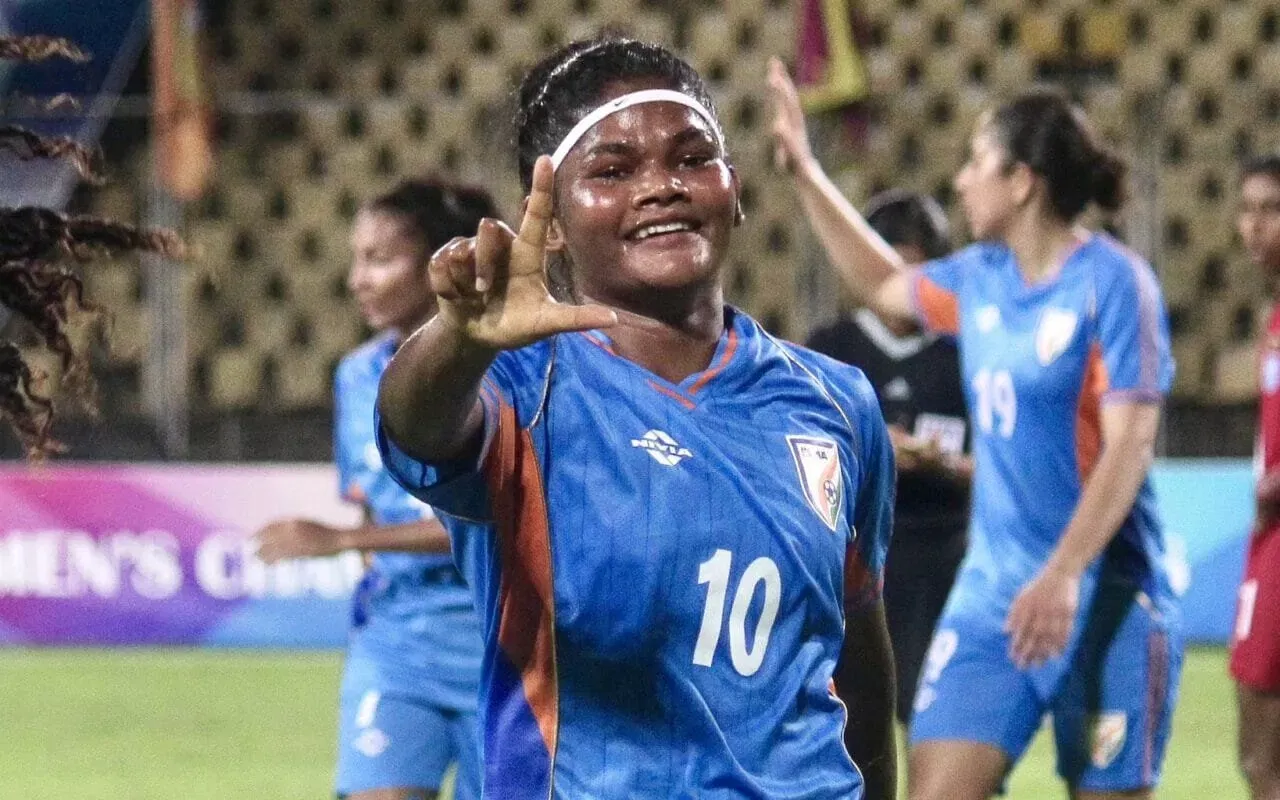
Even though India scored three goals against Bangladesh, the Blue Tigresses were nowhere near the level they displayed in their opening game against Maldives.
After finding the back of the net 11 times in the previous match, expectations were naturally high for the Indian attack. However, the overall performance of the forwards was quite disappointing and well below the standards they had set for themselves.
To be fair, India created plenty of chances through long balls and crosses from the flanks, capitalizing on the defensive lapses of the Bangladesh backline.
However, they failed to make the most of those opportunities, particularly in the first half. Pyari Xaxa should have scored more than once, while both Sanfida and Guguloth also had chances to get on the scoresheet. Several promising attacking moves ultimately came to nothing due to poor decision-making in the final third.
Of the three goals India scored, the first came from a mistake by a Bangladesh defender, while the second was a penalty that once again resulted from an opposition error. Only the third goal was a well-worked and well-taken effort, with Malavika rising above her marker to head the ball into the back of the net.
Despite securing the victory, Crispin Chettri is likely to be far from satisfied with the attacking display and the number of chances his side failed to convert.
Bangladesh no longer the same old opponents
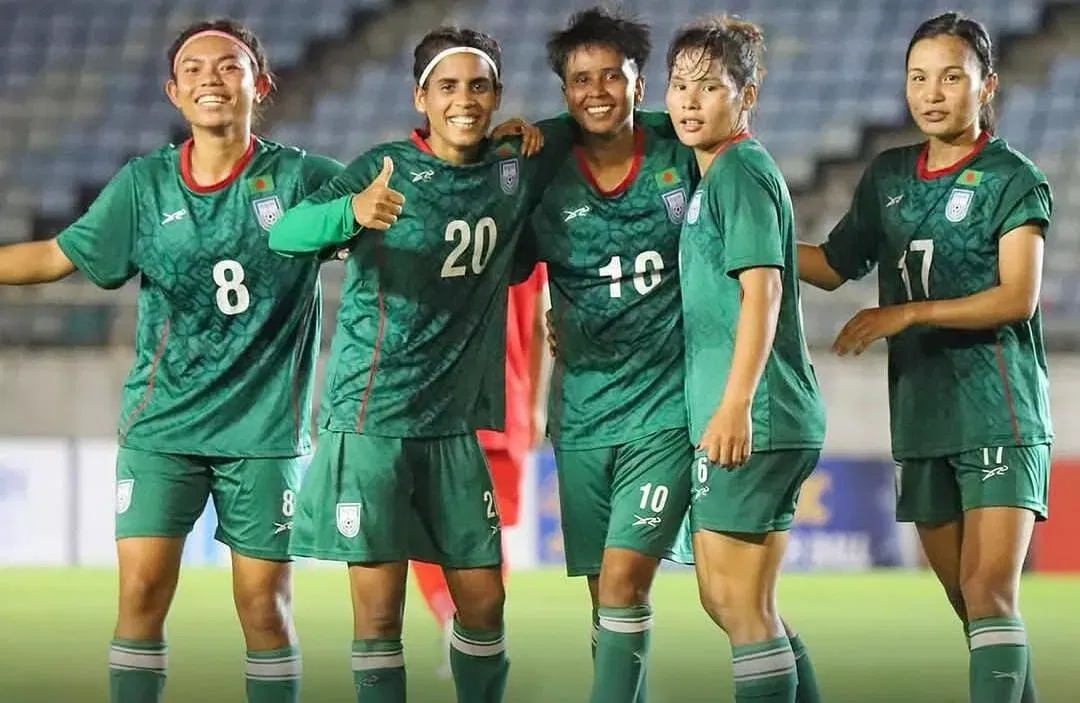
Bangladesh are the defending champions of the SAFF Women’s Championship and have won the competition in each of the last two editions. However, they have looked far from their best in this year’s tournament so far. They were pushed all the way by Maldives in their opening game, eventually securing a 4-2 victory.
Against India, Bangladesh looked vulnerable defensively and conceded numerous chances from set-pieces, counter-attacks, crosses, and almost every type of attacking situation. On another day, had India been more clinical in front of goal, Bangladesh could easily have suffered a defeat by four or five goals.
Going forward, Bangladesh also struggled to create clear-cut opportunities despite producing a few promising moves into the final third.
The quality of their final ball and overall execution in attacking areas were well below their usual standards. Had they made better use of their early chances they had, they could have easily come away from the match with a point.
Problems at the back
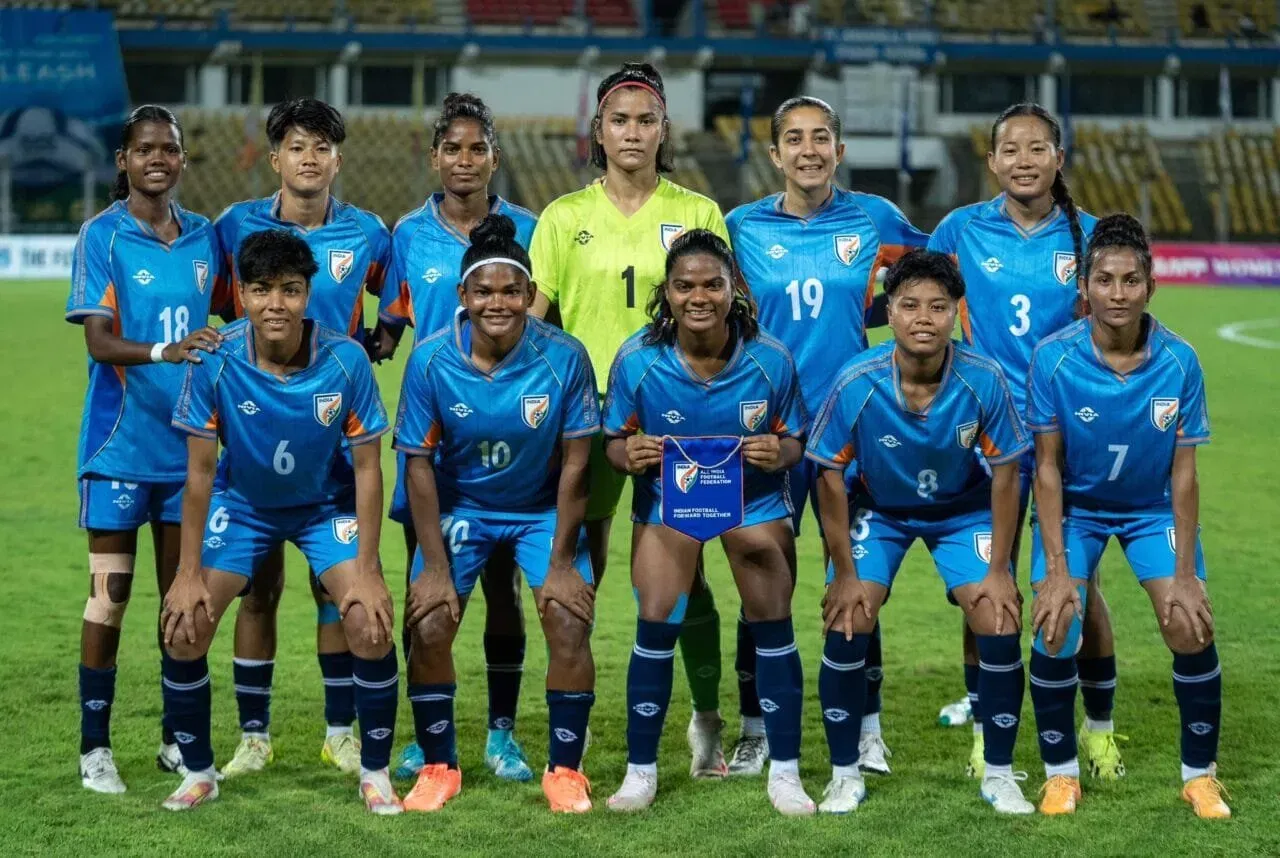
While Bangladesh were not at their usual best and struggled to test India as much as they would have liked heading into the game, the few chances they did create came largely from mistakes made by the Indian defense rather than their own attacking play. Crispin Chettri made four changes to the backline, including the goalkeeper, and that may have contributed to the lack of cohesion at the back.
The Indian defenders created their own problems with poor passing while attempting to play out from the back. There were a couple of moments in the first half where Shilky Devi and Purnima looked completely out of sync, playing dangerous passes that could easily have resulted in goals and left India trailing early in the match.
Even when there was little or no pressure from the Bangladesh attackers, the Indian defenders frequently misplaced their passes. The full-backs and center-backs often ended up playing the ball out of play instead of finding their midfielders or wingers. This is an area that Crispin Chettri must address, as on another day, such errors could prove costly and result in India losing the game.
For more updates, follow Khel Now on Facebook, Twitter, Instagram, Youtube; download the Khel Now Android App or IOS App and join our community on Whatsapp & Telegram.