
Creativity crisis, need for rebuild & other key talking points from India's Tajikistan friendly tour & Unity Cup 2026 campaign
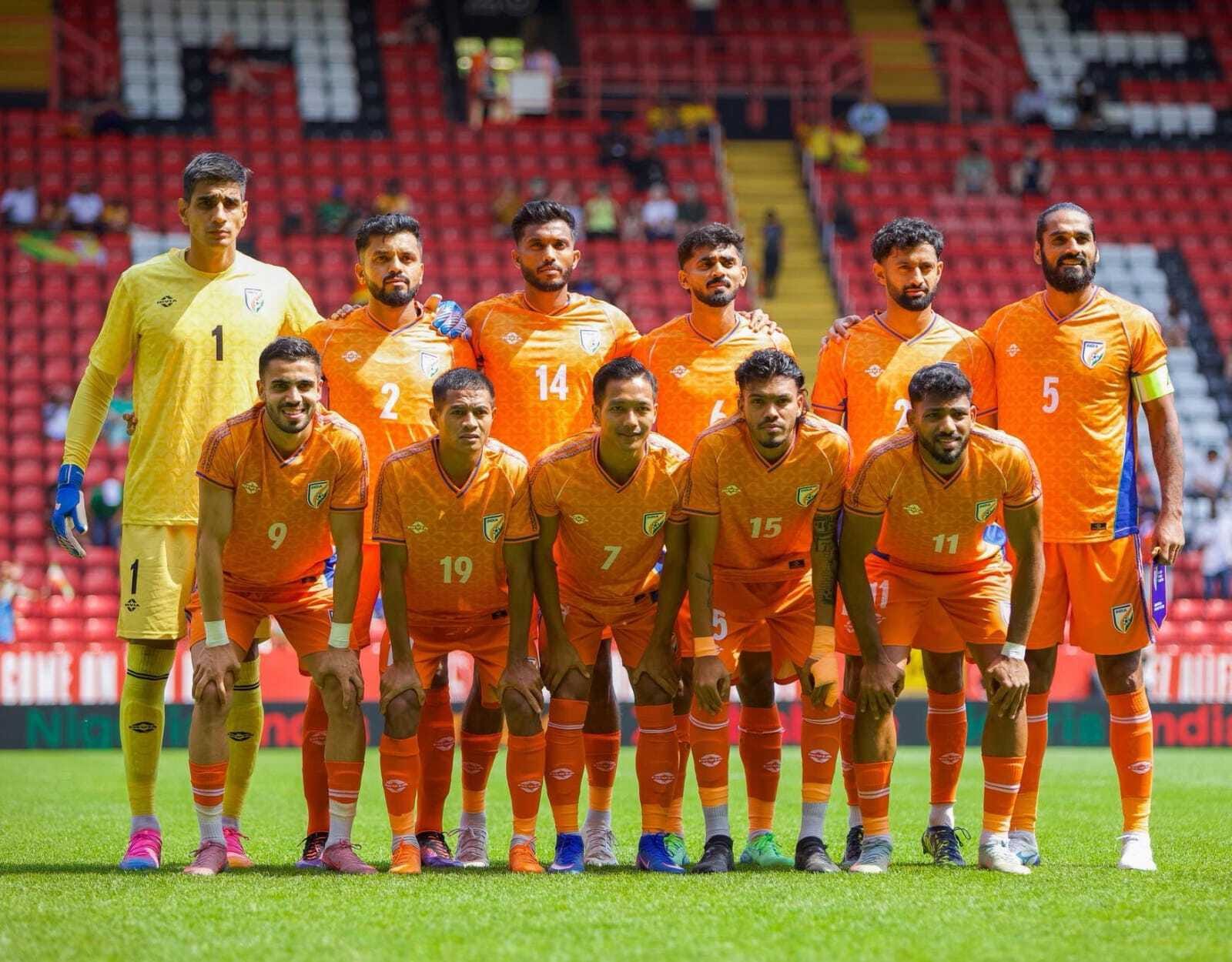
India have won just two out of the 12 games under Khalid Jamil
When the Indian Super League (ISL) 2025-26 season came to an end, many expected football excitement in the country to take a brief pause. Instead, the anticipation only grew as India were scheduled to play four matches within a span of just 15-20 days.
The first assignment was the highly anticipated Unity Cup 2026 in London, where the Blue Tigers were set to face strong opposition including Jamaica, Nigeria, and Zimbabwe. This was followed by two away friendlies against Tajikistan, another challenging test considering their FIFA rankings, physical superiority, and individual quality.
After securing a win and climbing five places in the FIFA Rankings during the March international window, there was a sense of optimism surrounding the national team.
However, it proved to be a return to familiar struggles for both India and Khalid Jamil, as the Blue Tigers completed the four-match stretch without registering a single victory.
India ended the Unity Cup campaign without scoring a goal while conceding four, and although they managed to find the net twice against Tajikistan, their defensive issues continued to persist.
The consequences have been significant. India’s position in the FIFA World Rankings has taken another hit, continuing a decline that has been ongoing for the last two years. More importantly, these results have further widened the disconnect between the team and its supporters.
At the moment, there is very little for fans to hold onto as justification for investing their time and emotions into watching performances that continue to disappoint.
Yet, Indian football fans are rarely rational when it comes to the teams they love. Despite the frustration, disappointment, and heartbreak that often accompany following Indian football, the support remains unwavering. As always, the hope is that better days lie ahead.
Until then, let’s take a look at four harsh truths we learned from these four matches.
Homesick Indian players must step out of their comfort zone
Catch Every Update, Anytime, Anywhere
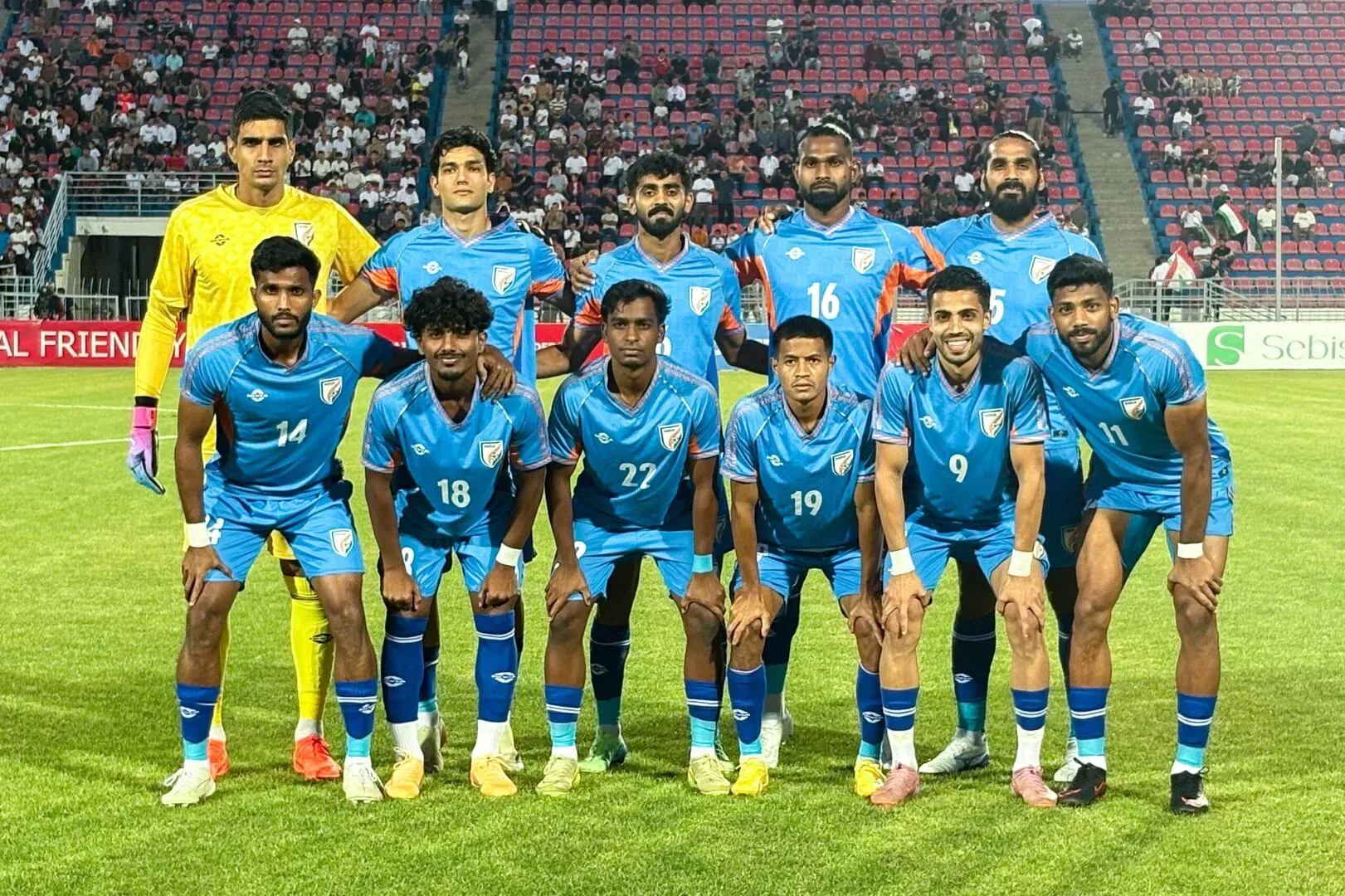
Let’s put the tactics, team selections, and other technical aspects of the game aside for a moment and focus purely on how the Indian players performed as individuals against higher-ranked opposition across these four matches. Looking at the results alone, it is not difficult to conclude that they struggled.
At times, a poor performance can be put down to an off day. On another occasion, the same players might perform much better. However, after closely watching these four games, one thing became quite evident, Indian players looked second best in every aspect of the game against stronger opponents.
They struggled to cope with the tempo at which the opposition played. The attackers found it difficult to beat their markers, defenders struggled to stay with their men, and physically, apart from one or two exceptions, the majority of the squad looked outmatched and dominated throughout the matches.
Players may have several reasons for choosing to remain in India and continue playing in the ISL. However, one reality continues to reveal itself whenever India faces stronger opposition.
Every Indian star at ISL is just another passenger on the pitch when it comes to international football. A major reason for this is the relatively lower standard of competition and the slower tempo at which matches are played.
If opportunities arise, Indian players should seriously consider moving abroad and spending a few seasons in more competitive football environments. Playing in Europe or other stronger leagues would expose them to different styles of football, higher intensity, and better-quality opposition, helping them develop both technically and physically.
The Indian women’s national team provides a good example of this, with players like Aveka Singh and Manisha Kalyan consistently standing out, partly due to the experience they have gained playing in Europe.
India’s creativity crisis shows no signs of easing
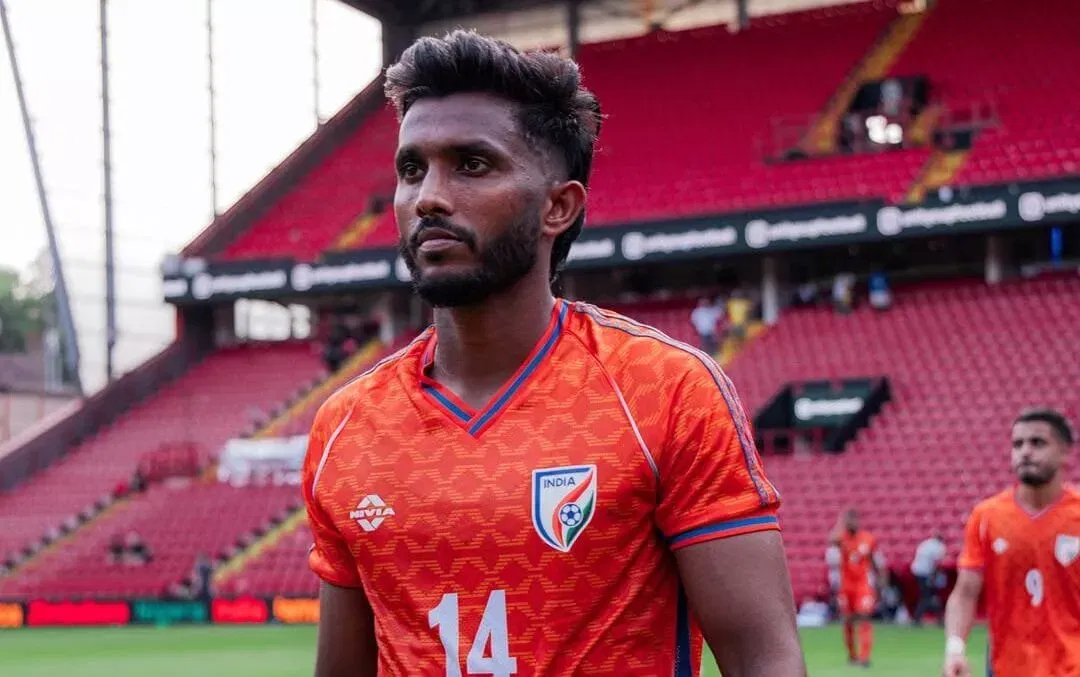
India have always struggled when it comes to scoring goals. From the days of Stephen Constantine to the more recent period under Manolo Marquez, finding the back of the net from open play has consistently been a problem. For many years, Sunil Chhetri masked these issues with his outstanding finishing ability when the team needed them most.
However, India currently does not have a striker of that caliber, making it even more important for the team to create a higher volume of chances. Across these four matches, India’s only two goals came from set-piece situations, with the second arriving largely due to a mistake from the opposition goalkeeper.
Looking back at the games, it is difficult to recall more than two or three genuine chances created by the team. Even with a generous assessment, the number of clear-cut opportunities would likely remain in single digits.
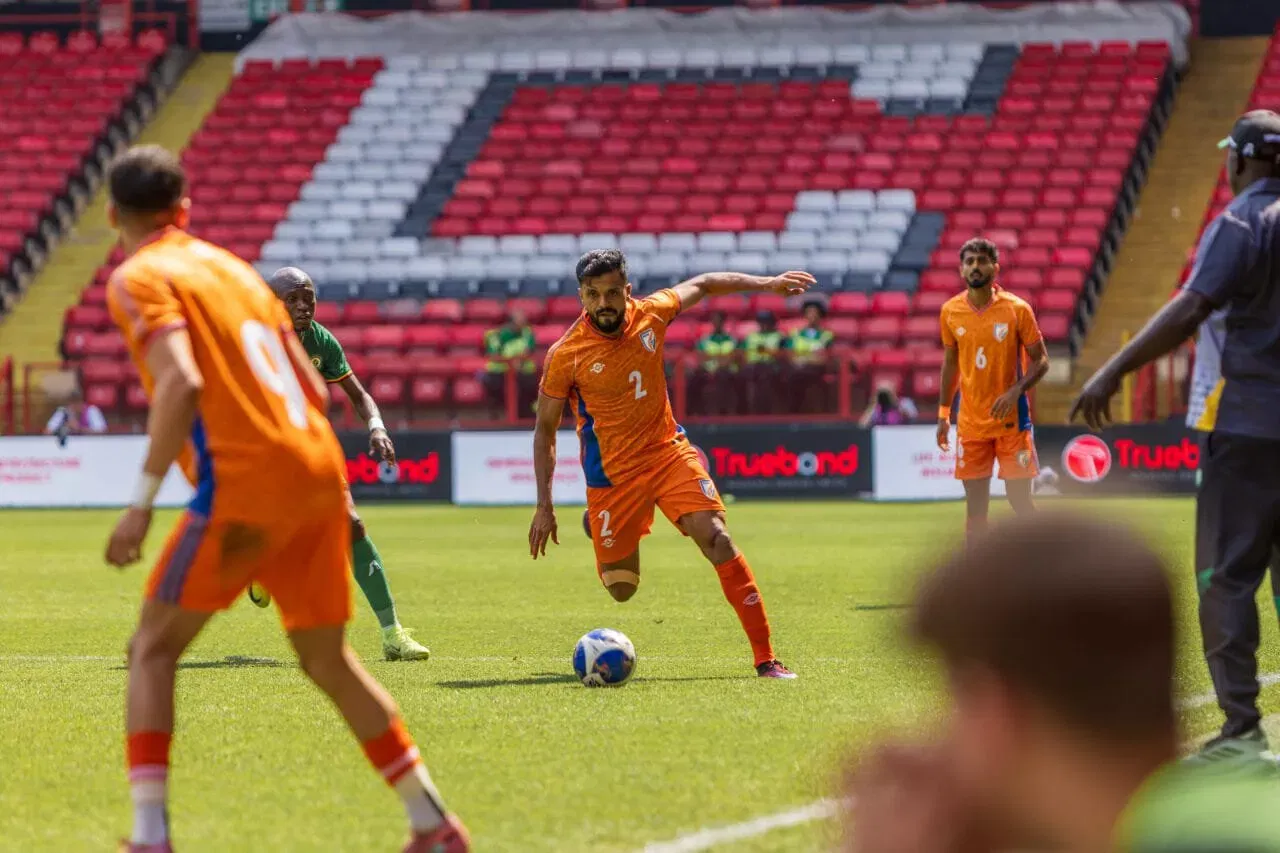
Most of India’s attacking chances came through long throw-ins, corners, and other set-piece situations, many of which lacked the quality needed to even beat the first man.
To improve, India need to identify a player capable of linking the midfield and attack while also creating chances for the forwards. Ryan Williams appeared capable of filling that role, but his injury has deprived the team of that option.
At the same time, the Blue Tigers cannot afford to depend on a single player and must continue exploring alternatives. Macarton had opportunities, but was unable to make a significant impact, while the same can be said for Edmund. Farukh deserves credit for being involved in both goals India scored, but he offers very little in terms of creativity from open play.
Will Sahal’s return solve these problems? Should Brandon Fernandes be brought back into the setup? Is it time to explore a new option like Nemil? Or should Ebindas be fast-tracked into the senior national team?
These are some of the questions the head coach must address to solve India’s long-standing creativity issues.
A rebuild requires fresh faces, not the same old names
Italy failed to qualify for the 2026 FIFA World Cup and one of the first steps they took afterwards was handing debuts to more than a dozen players and assessing options who could help the team in the long run return to where they belong.
Meanwhile, India, having missed out on the AFC Asian Cup and been eliminated in the second round of the FIFA World Cup qualifiers, continue to rely on many of the same players who were part of those disappointments.
When Khalid Jamil had an excellent opportunity to bring in some of the young players who impressed in the ISL and test them at the international level, he instead stated that he wanted to respect the senior players and prepare them for the SAFF Championship.
Not only did many of those senior players fail to impress, but the team’s poor results have continued to drag India further down the FIFA World Rankings.
One positive was the opportunity given to players like Pramveer, who finally earned a start in the last game and delivered an impressive performance in midfield, matching the Tajikistan players physically and holding his own.
Ricky and Macarton were also given opportunities and, while neither managed to make a significant impact, the experience at least provided clarity on what they can offer and highlighted the areas they need to improve to succeed at the international level. Noufal remained underutilized, while Bijoy got his chance and looked reasonably comfortable alongside Jhingan.
Going forward, India must move on from some of the underperforming senior players and continue testing new faces within the national team setup.
Building a strong core of players should be the priority as the team prepares for future AFC Asian Cup and FIFA World Cup qualification campaigns.
India must look past Khalid Jamil
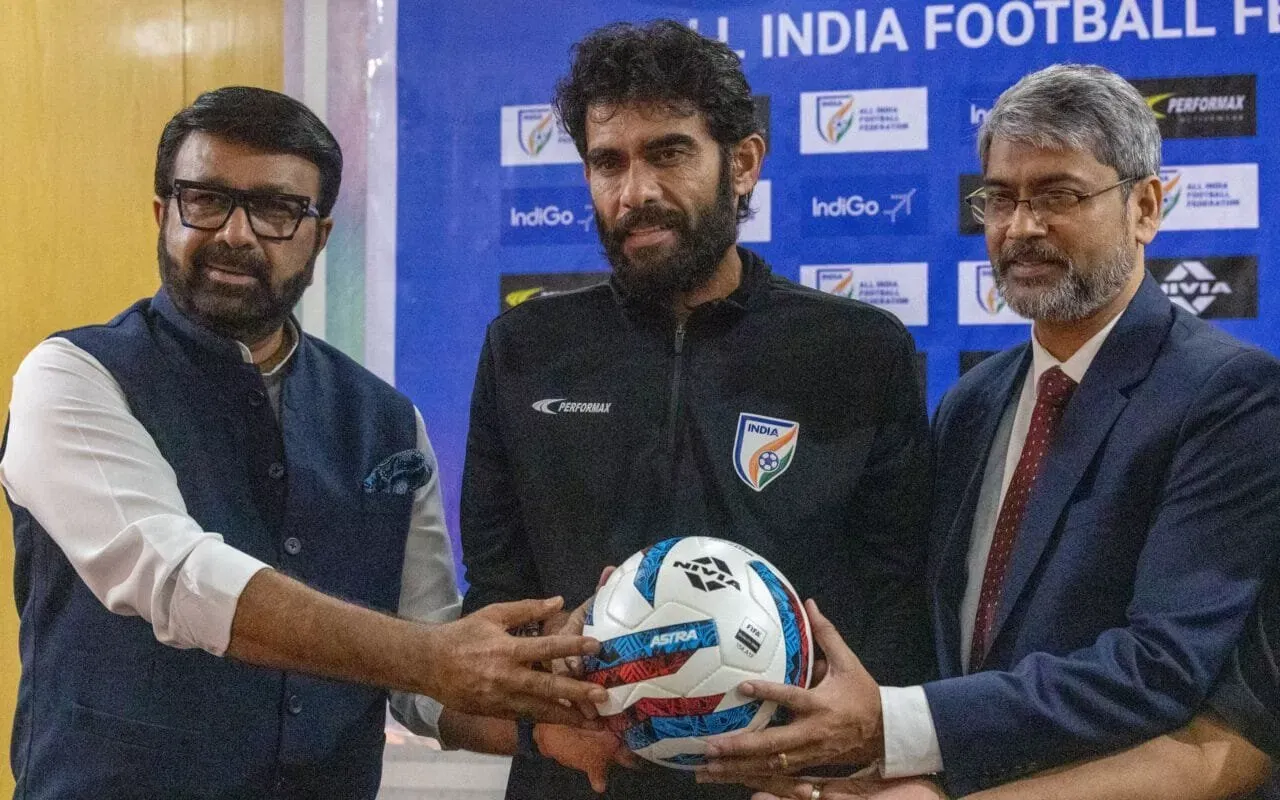
When Indian football found itself in a difficult situation with no head coach and the AIFF lacking the finances to appoint a high-profile manager, Khalid Jamil was handed the national team job after the technical committee deemed him the best option available.
To be fair, Khalid had just come off a decent season with Jamshedpur FC and had enough credentials to justify his appointment.
His tenure began on a positive note with an impressive victory over Tajikistan and a third-place finish at the 2025 CAFA Nations Cup. However, things have steadily gone downhill since then. In 12 matches in charge, he has managed just two wins, with only one victory coming in the last 11 games.
Twelve matches is a significant period in international football and provides a reasonable sample size to assess a coach’s impact. Even if the results are set aside for a moment, has Khalid Jamil established a clear playing identity for the team?
The answer is a straightforward no. One game India line up with a back four, the next with a back five, and whenever they take the lead, they play a back 8/9.
There is no clear captaincy candidate in place, with the armband turning into a merry-go-round between Jhingan, Bheke, Farukh and Gurpreet. Looking at some of the recent tactical decisions only adds to the concerns.
Deploying Roshan and Farukh in deeper midfield roles while bringing on Noufal and then taking him off after around 20 minutes are sackable offences in themselves. More often than not, Khalid’s substitutions appear reactive rather than proactive, and he has shown little willingness to take risks either with his starting lineups or his in-game management.
The AIFF must seriously evaluate Khalid Jamil’s future as national team head coach. If they continue down the current path despite the lack of visible progress, a defined style of play, or signs of a meaningful rebuild, India could be heading towards another disappointing four-year cycle.
Would changing the coach automatically solve every problem? Not necessarily. But based on the current trajectory, it is difficult to argue that things could get much worse than where they stand today.
For more updates, follow Khel Now on Facebook, Twitter, Instagram, Youtube; download the Khel Now Android App or IOS App and join our community on Whatsapp & Telegram.