
Three things India must get right before facing Tajikistan again
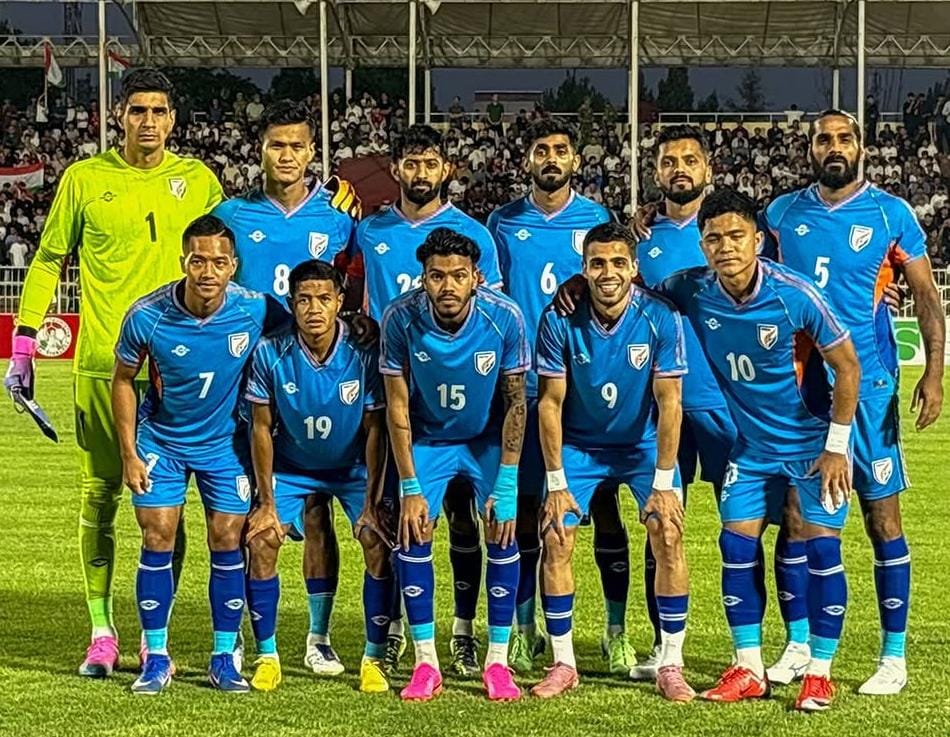
India lost 3-1 in their first of the two friendlies against Tajikistan.
Following the disappointing 2026 Unity Cup campaign in London, where the Indian Men’s National Football Team finished bottom of the table without scoring a single goal, Khalid Jamil and his boys travelled to Tajikistan in search of positive results and a chance to turn things around.
The team was scheduled to play two friendlies against the hosts on June 05 and June 09 as part of their preparations for the SAFF Championship, as ironically emphasised by head coach Khalid Jamil himself.
India headed into the match with largely the same squad that featured in the Unity Cup, with Parthib Gogoi replacing the injured Ryan Williams being the only change. The outcome, as well, remained unchanged as the Indian men’s senior national team suffered yet another defeat.
More concerning than the result was the manner of the loss, which closely resembled their previous two defeats. Khalid Jamil’s side looked second-best throughout the contest, were outplayed in most areas of the pitch, and appeared lost for ideas for long periods.
The Blue Tigers fell behind early after Macarton conceded a penalty with a clumsy challenge inside the box. Sheriddin Boboev made no mistake from the spot to hand the hosts an early advantage. Following the setback, India enjoyed a decent spell and managed to create a few opportunities, including efforts that struck the crossbar and forced saves from the Tajikistan goalkeeper. Despite that response, the hosts carried a narrow 1-0 lead into the half-time break.
India struggled to maintain the same attacking threat after the restart and looked far less effective going forward in the second half. Tajikistan continued to press for more goals and eventually found the net twice around the hour mark to put the game beyond reach. With little left to play for, Khalid Jamil made use of all his substitutions, and one of those substitutes, Farukh, grabbed a late consolation goal to reduce the deficit and make the final score 3-1.
The defeat means Khalid Jamil has now lost five of his last six matches in charge of the national team. With pressure continuing to mount, the Indian head coach will need to address several issues before the second friendly. Here are three things he must correct following another disappointing display from his side in the first game.
Start Nikhil Barla over Nikhil Poojary
Catch Every Update, Anytime, Anywhere

Since the opening game of the 2026 Unity Cup, Nikhil Poojary has started every match in the absence of Tekcham Abishek Singh, who would likely have been Khalid Jamil’s preferred choice had he been available. However, Poojary’s return to the national team setup has not gone as planned, with the fullback struggling to make an impact and often looking out of place across the games he has featured in.
He was at fault for one of the goals conceded in the first Unity Cup match and has generally looked vulnerable defensively throughout the campaign. Going forward, his contribution has also been limited. Apart from providing a cross for Edmund against Zimbabwe, the Bengaluru FC fullback has offered very little in attack. His passing has often lacked precision, while the overlapping runs that are usually expected from him have been largely absent.
Despite these shortcomings, Khalid Jamil has continued to persist with Poojary, leaving India’s right side exposed on multiple occasions. The Indian head coach may now need to make a bold decision and hand an opportunity to Nikhil Barla, who has impressed in the ISL over the past few seasons. Barla is an energetic modern fullback capable of contributing at both ends of the pitch and possesses a quality final delivery.
Given the performances seen so far, Barla deserves an opportunity to prove himself at the international level. More importantly, playing a young player at high-level international football against strong opposition could help him adapt to the demands of this stage. At this point, it is difficult to argue that he could perform any worse than what India has received from Poojary in recent matches.
Bin the long throw-in tactics and build attacking patterns
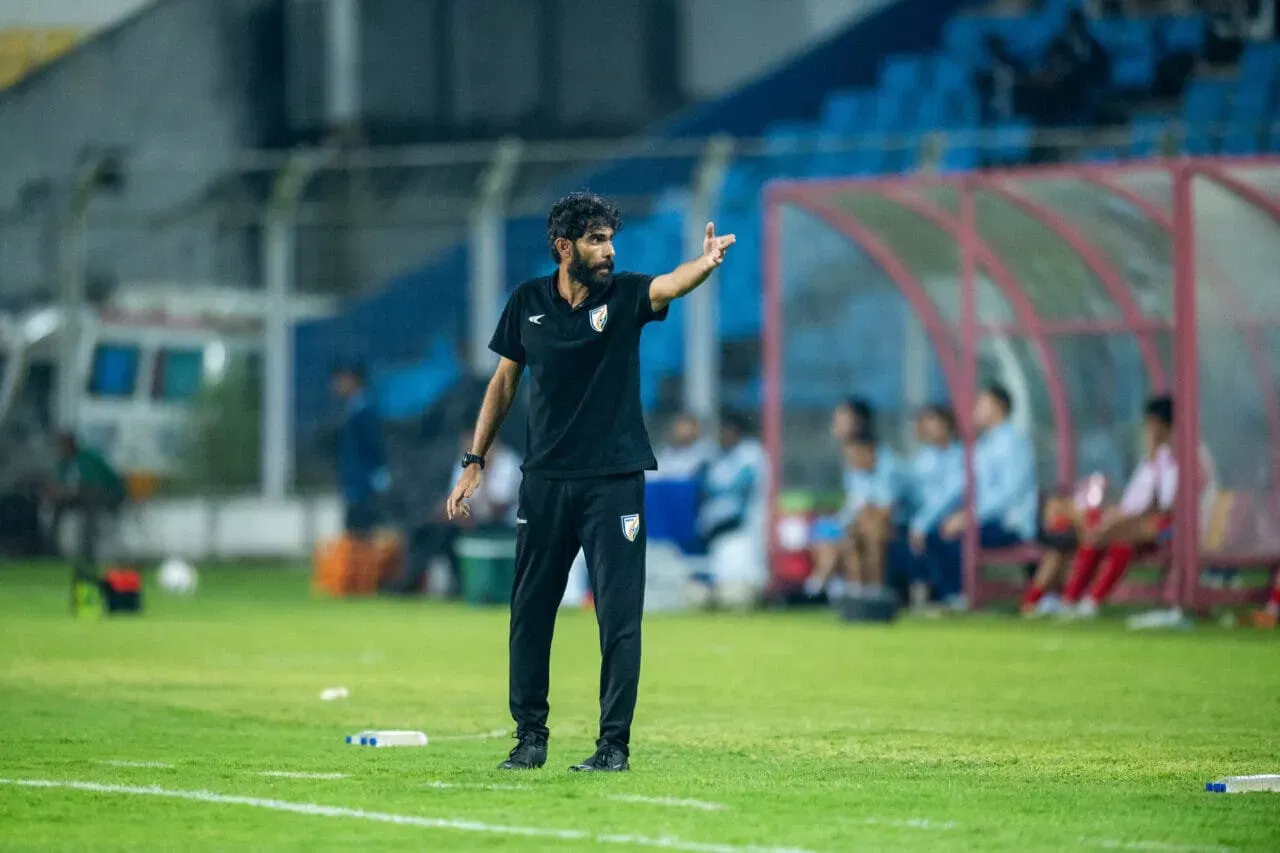
If India aspire to make progress in football and establish themselves among the top teams in Asia, if not the world, they need a clear identity and a defined style of play that every player entering the NT setup can understand and follow. However, under Khalid Jamil, there has been little indication of a distinct playing philosophy developing, even after 11 matches in charge.
From his first game against Tajikistan to his eleventh, the most consistent feature of Khalid Jamil’s tactics has been the reliance on long throw-ins whenever India get an attacking throw-in opportunity. While it can be an effective weapon on occasion, it cannot serve as the primary game plan in every match, especially at the international level against stronger and better-ranked opponents.
The latest match was another example of this issue. There may not be an exact count of how many long throw-ins India attempted, but there is one statistic everyone knows: none of them produced any meaningful outcome. Against physically strong and aerially dominant Tajikistan defenders, India should have anticipated the likelihood of not finding success through that route rather than realising it during the game.
India’s most promising attacking moments came when they were able to build moves, shift the ball out wide, and deliver crosses into the box. In fact, the team’s two best opportunities of the match originated from crosses by Akash Mishra. This is an area India should look to exploit more frequently, particularly by involving the fullback on the opposite flank as well.
At club level, players like Ricky and Macarton have shown that they can create chances when given time and responsibility on the ball. Allowing them greater freedom in possession could help India create more attacking patterns. It is something Khalid Jamil must seriously consider going forward because the current approach is clearly not delivering the desired results.
Play new faces over those who have underperformed for ages
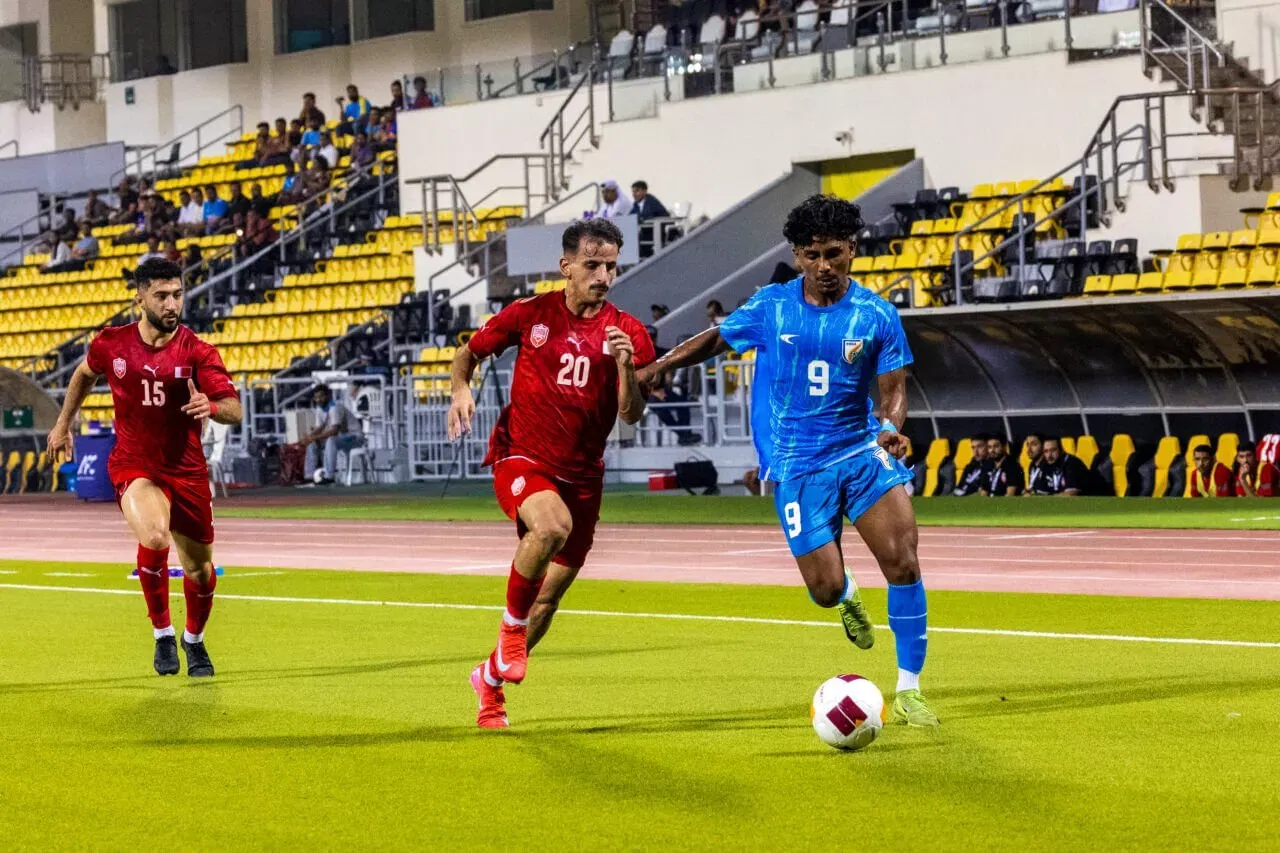
With India not set to feature in an AFC Asian Cup for at least the next five years, a FIFA World Cup for the next four years, and no major qualifiers scheduled for roughly the next 18 months, the NT head coach has a valuable opportunity to look towards the future. This period should be used to test new players, expand the talent pool, and identify the next generation that will carry the Indian tricolor in the years ahead.
Given the current situation, it is difficult to understand the continued reliance on the same set of experienced players. Seeing 35-year-old Bheke, 32-year-old Jhingan, an out-of-form Poojary, and an underperforming Jeakson and Chhangte start game after game raises questions about the team’s long-term planning. For once, Khalid Jamil needs to make some bold decisions and begin giving opportunities to newer faces within the national team setup.
Everyone knows what Sandesh Jhingan can offer at this stage of his career. Why not give him a rest and hand a start to a young player like Pramveer? Similarly, why not move on from Rahul Bheke and provide opportunities to players such as Bijoy to prove themselves at the international level?
The midfield situation is equally puzzling. Khalid Jamil has often found himself forced to start Jeakson in every match after opting to include only three midfielders in the squad, a decision that remains difficult to understand.
In attack, Chhangte has scored just once in his last 18 appearances for the national team, while Vikram is still searching for his first goal after 13 matches. Despite their struggles, they continue to receive opportunities. Why not start players like Sanan and Noufal on the wings and assess what they can offer rather than limiting them to brief cameos from the bench?
If giving opportunities to younger and less experienced players results in defeats, then so be it. India are already losing matches, relying heavily on so-called experienced senior professionals. At least by trusting younger players, those defeats can become valuable learning experiences that help shape their development and prepare them for the demands of international football in the future.
For more updates, follow Khel Now on Facebook, Twitter, Instagram, Youtube; download the Khel Now Android App or IOS App and join our community on Whatsapp & Telegram.