
India vs Jamaica: Defensive disorganisation, midfield gamble & more talking points from Unity Cup 2026 opener
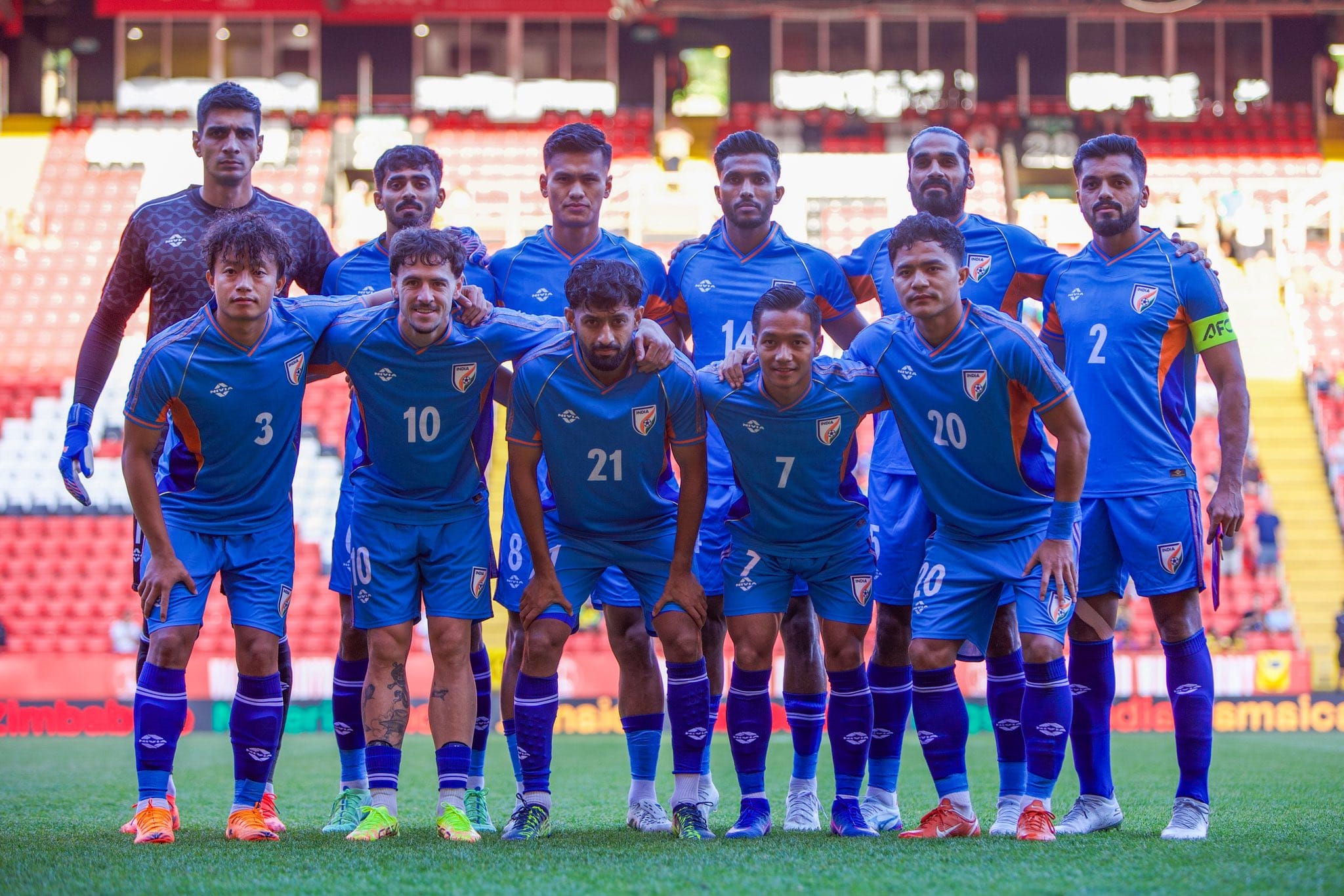
India will play against Zimbabwe next in the third-place playoff game.
The Indian national football team kicked off their 2026 Unity Cup campaign in London against a higher-ranked Jamaica national football team side at The Valley, the home stadium of Charlton Athletic. With a place in the final at stake, both sides battled for victory, but it was Jamaica who came out on top, defeating the Blue Tigers comfortably 2-0 and ending India’s hopes of reaching the final.
Heading into the match, Khalid Jamil was forced to make several adjustments to his squad after Mohun Bagan refused to release their players. With the 22-man squad available to him, the Indian head coach opted for a back five, with Akash Mishra, Sandesh Jhingan, and Rahul Bheke forming the central defensive line. Farukh Choudhary partnered with Jeakson Singh in midfield, while Edmund Lalrindika was handed his first start in Indian colours.
Despite fielding a defence-heavy lineup, India struggled to contain the Jamaican attack, with the Reggae Boyz finding spaces through the Indian defence with relative ease. Jamaica took the lead early in the game in the eighth minute when Clarke curled in a superb right-footed effort past Gurpreet Singh Sandhu. The first half ended 1-0 in Jamaica’s favour, although they had several more opportunities to extend their lead.
In the second half, Jamaica adopted a more controlled and conservative approach, focusing on retaining possession at the back while protecting their advantage. India enjoyed a decent spell during the half and managed to create a few attacking moves, but none of them seriously threatened the Jamaican goal. Dixon eventually doubled Jamaica’s lead in the final quarter of the match, effectively putting the game beyond India’s reach.
Let us take a moment to look at what went wrong for India and what the Blue Tigers need to improve ahead of their upcoming clash against the Zimbabwe national football team.
India’s unsettled backline proved costly
Catch Every Update, Anytime, Anywhere
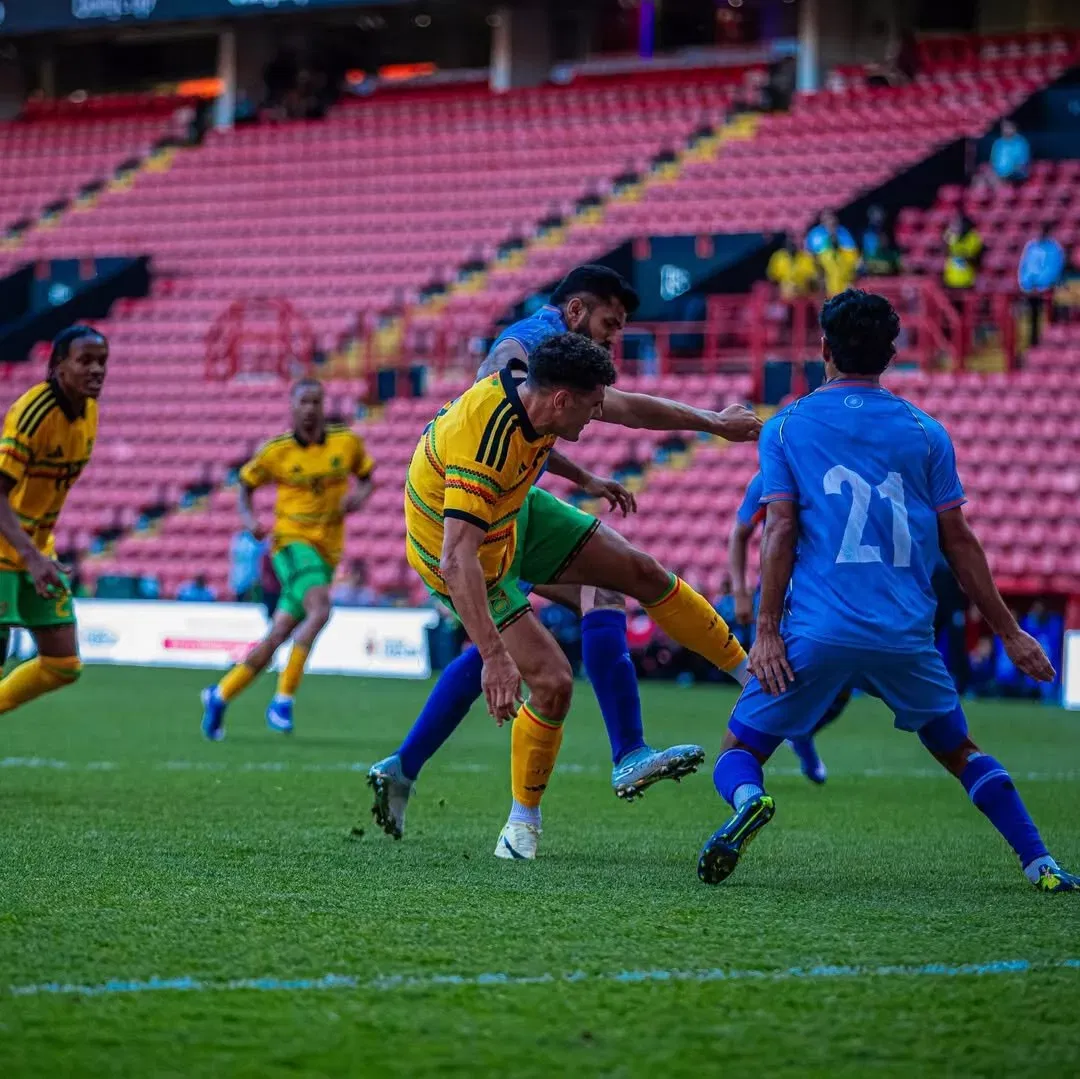
Khalid Jamil, who deployed a back four in the previous game against Hong Kong, opted for a change in shape against Jamaica by switching to a 5-4-1 formation, considering the superiority of the opposition on paper. While the idea behind using a back five was to reduce space for the Jamaican attackers and keep things compact defensively, the plan backfired, especially in the opening stages of the match.
India’s five-man defensive line failed to close down spaces effectively and instead ended up allowing the Jamaican attackers too much room on the ball, enabling them to dictate the tempo of the game. Even for the opening goal, Nikhil Poojary and Bheke both backed away instead of stepping up to close down Clarke. The hesitation from both defenders allowed Clarke enough time and space to shoot and find the back of the net.
In the second half, when Roshan Singh was shifted into midfield, there appeared to be considerable confusion among the Indian players. Roshan and Akash often seemed uncertain about who should push forward on the left flank and who should hold their defensive position. At times, even Akash and Sandesh Jhingan looked unsure about their positioning and defensive responsibilities. The second goal India conceded highlighted these lapses, and such defensive errors are simply unacceptable at this level.
Khalid Jamil’s midfield gamble backfires
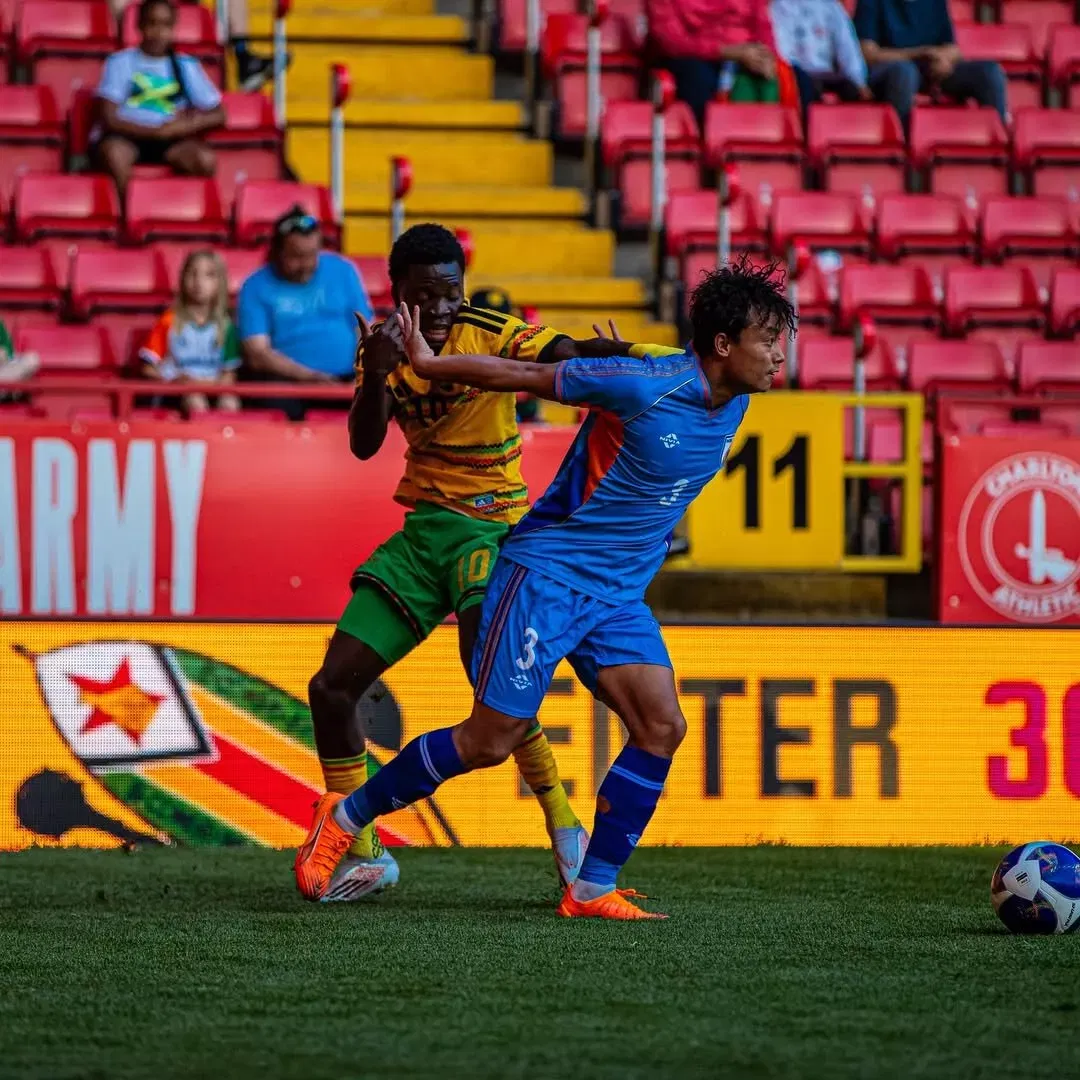
Despite India having limited midfield options in the form of Jeakson Singh, Ricky Shabong, and Macarton Nickson, most expected Khalid Jamil to start at least two of them against Jamaica. However, the Indian head coach surprised many by deploying Farukh Choudhary alongside Jeakson in midfield.
Although Farukh may have been preferred for his aerial ability and physicality, the midfield pairing of Jeakson and Farukh struggled to make an impact and appeared almost non-existent defensively. Nearly every Jamaican transition resulted in an attacking opportunity, as the Indian midfield failed in its primary responsibility of breaking up attacks and regaining possession in central areas.
There were also moments when Chhangte had to drop deep from his natural wide position just to receive the ball and progress play forward, a responsibility that should ideally have been handled by the midfielders. More concerning was the fact that Khalid Jamil chose not to make any substitutions in midfield at halftime despite these obvious shortcomings.
Shifting Roshan Singh into midfield instead of introducing Ricky or Macarton proved to be another questionable decision, as Roshan struggled to cope with the physicality of the Jamaican midfielders. Ricky’s cameo in the final 10 minutes only reinforced why he should have started, as he brought much-needed composure on the ball, carried possession forward effectively, and helped break up opposition attacks.
Long-ball football holding India back
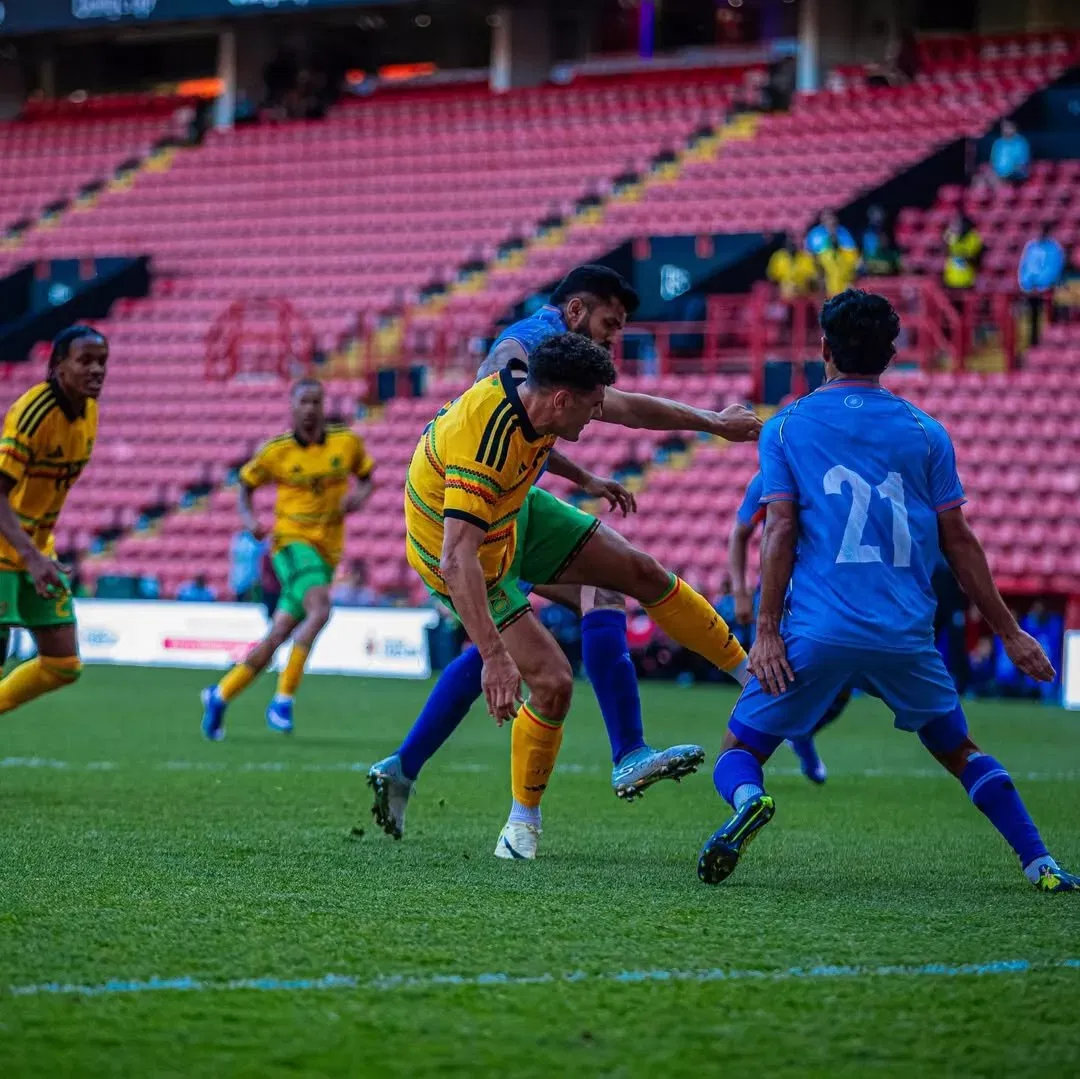
India’s attacking approach against Jamaica could largely be divided into two patterns: the ineffective long balls played by defenders and midfielders, and the more promising attacking sequences built through patient possession, switches to the flanks, and quality crosses into the box. The latter approach became more visible in the second half, unlike the direct style India relied on during the opening 45 minutes.
One may wonder why India did not adopt that approach throughout the game. The answer lies in the team’s defensive setup during the first half. The switch back to a back four later in the match allowed India to play more naturally, retain possession for longer periods, and build attacks with greater composure.
There were several encouraging attacking moves in the second half that came as a result of India’s patient build-up play, and Khalid Jamil must ensure that the team uses this approach more frequently against Zimbabwe.
Even during attacking throw-ins in the final third, India should focus more on delivering crosses with their feet rather than repeatedly relying on long throws, as that tactic is unlikely to trouble physically dominant African sides.
Khalid Jamil must bring in changes against Zimbabwe
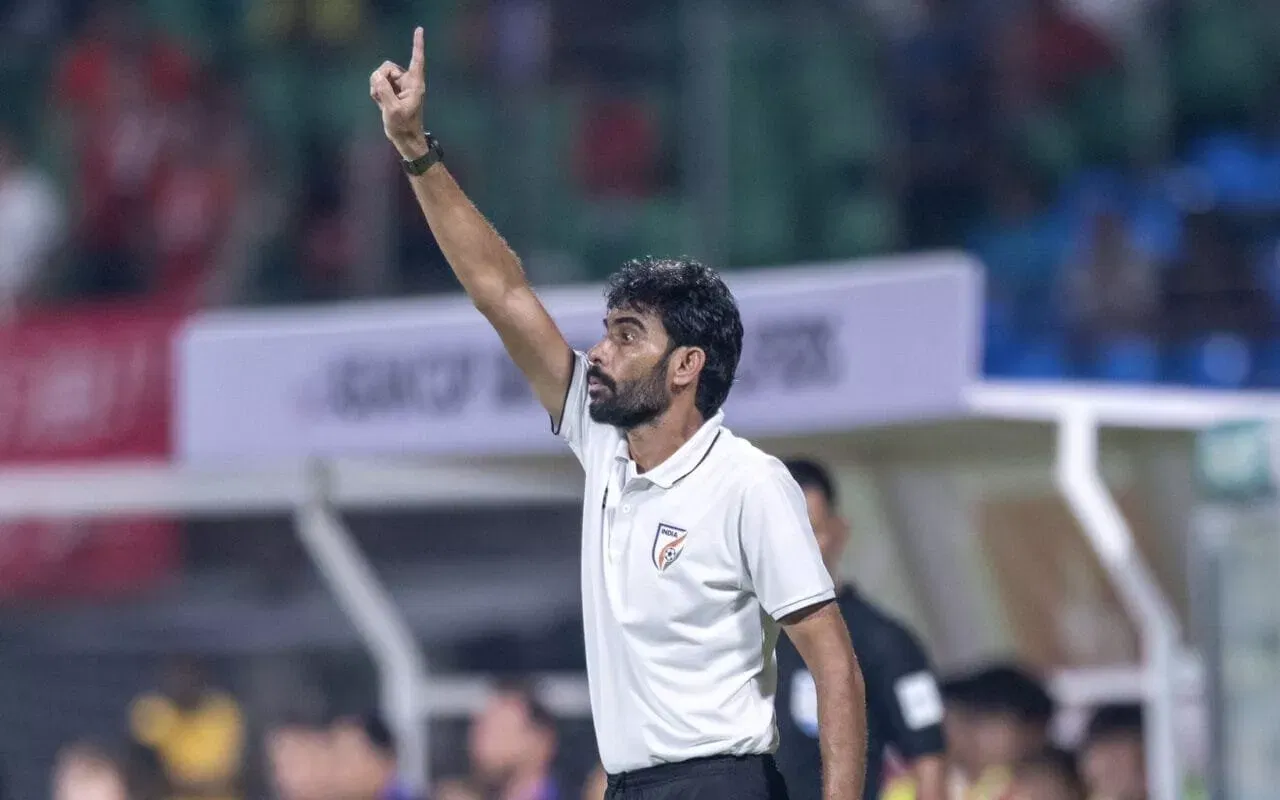
Heading into the game against Zimbabwe, Khalid Jamil needs to be braver with his team selection and should not hesitate to trust younger players ahead of some senior names. Most importantly, India must return to a back four with a three-man midfield, which would improve the link-up between midfield and attack. The presence of an additional midfielder would help the team retain possession better and create attacking moves with greater fluidity.
In terms of personnel, the availability of Ryan Williams remains uncertain after the Bengaluru FC forward was forced off midway through the second half with an injury. If he is unavailable, Khalid Jamil should consider starting players such as Noufal or Sanan, both of whom can provide directness on the wings and take on defenders in one-on-one situations.
In midfield, changes are necessary, and India cannot afford to continue with a makeshift option like Farukh in that role. Someone like Ricky Shabong, who combines an excellent passing range with the tenacity to win tackles and duels, must come into the starting lineup to provide far better balance in the middle of the park.
For more updates, follow Khel Now on Facebook, Twitter, Instagram, Youtube; download the Khel Now Android App or IOS App and join our community on Whatsapp & Telegram.