
ISL: Centralised venue vs single-leg home and away – which one is better?

ISL 2025-26 will kick off from Feb 14th in a single-leg home and away format.
The 2025-26 Indian Super League (ISL) season is now almost right around the corner, with the campaign finally set to begin on February 14 (2026). With a lot of anticipation building around what is going to be a shortened league that is expected to have only 91 matches from February to May, there are still some questions around the logistics part of it.
For one, there is yet to be clarification over the venues that will be hosting the ISL matches. While a number of clubs like Mohun Bagan and East Bengal have given confirmation over where they’d want their home matches to take place, not every ISL club has done the same.
There is now an ongoing debate over whether a single home-and-away leg system should be implemented or whether teams should agree to play all matches in a centralised venue. Both aspects are radically different from each other, but keeping in mind the financial aspects of hosting football matches, there needs to be a smart decision that must be made around the venue system for the 2025-26 ISL.
How do the centralised venue and home-and-away system work?

Over the years in the ISL, fans have been able to witness seasons in which matches have been held in both centralised and home-and-away systems. The centralised venue programme basically refers to every team in the league being situated in one city, where all the matches of a campaign can take place.
This was, of course, done for the Covid-19 pandemic-affected campaigns like the 2020-21 or and 2021-22 seasons, where all the matches were held in Goa. Of course, the centralised venue needs to be a city which has multiple state-of-the-art stadiums in it so that there can be a great variety when it comes to scheduling matches with ease and allotting specific ‘home stadiums’ to every team.
The home-and-away system, on the other hand, is what has been happening in the ISL in every campaign that wasn’t impacted by Covid-19. This is the system that happens in the European leagues and majority of football leagues around the world, where teams play their home matches in their own designated stadium inside their city.
Moreover, this system also promotes teams to travel for away matches, creating a rhythm which makes a football campaign feel fulfilling for the fans. The home-and-away system also creates a lot of off-the-pitch work for players, as they have to constantly keep travelling for matches, and it also impacts a club’s financial aspect.
Why centralised venue system should have been better for the 2025-26 Indian Super League?
The home-and-away system is almost like bread and butter when it comes to how a football league system works around the globe. Be it the Premier League or even a low-tier football league, teams are almost accustomed to following this routine of playing their home matches in their designated city and then travelling elsewhere for the away matches.
Of course, this serves its advantages as well. It creates a genuine feel of excitement among the fans because of how they can fill their stadium to root on their team at home. Some fans love travelling to support their team in away matches as well, and this travelling to watch a match in another place has its own thrilling aspect.
Financial boost for clubs
However, going by the current financial state of the ISL, this home-and-away system can be quite damaging for the clubs. That is because a club needs to spend a lot of money to send their team in the necessary top facilities for away matches, where the likes of travel fares, hotel costs and more miscellaneous expenses are considered.
Not only that, but teams also have to pay a relatively hefty fee to host matches in major stadiums inside their own cities, as the likes of Mohun Bagan and East Bengal can attest to. With the ISL teams currently working on a reduced budget because of the downsizing in revenue from the league, they could end up making major losses if forced to spend notable money just on hosting matches or sending their teams elsewhere for multiple away games.
That is why using a centralised location can be the better alternative for the ISL clubs right now. The travelling costs for every team will be nullified if they’re all camped in one city, where teams will only have to bear hotel costs and inner-city travel costs for their players. This could also ensure all the matches go on smoothly because of the broadcast team also needing to be cited in one place to cover all the matches.
Stadium fees cost could cut down
Moreover, hosting all the matches at a centralised venue can decrease the amount of money that the teams have to pay to stadium authorities for matches too. This can have a positive impact on their finances, ensuring that clubs don’t need to ask for bigger pay-cuts for their players if they’re able to save money on other important aspects of their management.
If the ISL is held in Goa, like it has been as a centralised venue in the past during the Covid-19 era, then teams could be separated by granting ‘home grounds’ to specific team based on the number of quality grounds available. The Fatorda Stadium, for one, can be reserved as the home team for 3-4 teams, while the others are separated in the remaining grounds in the city.
Save players from getting burnt out
Having a home-and-away system for a four-month-long league doesn’t really make much sense at all. The players could get tired and demotivated by having to consistently travel as there is going to be no break within this period for when this shortened version of the 2025-26 ISL campaign takes place.
Keeping them in one place to take part in matches and training could keep them freshened up and more energized to produce the best kind of football on the pitch. Indeed, the lack of exhaustion from constant travelling will keep the players in an upbeat, positive mood and ensure that they will be able to produce energetic, vibrant performances in every match and ensure a sense of caginess does not set into matches after a point of time.
Of course, the excitement of every match happening in different cities will wither but considering the limitations of the 2025-26 ISL and keeping the financial irregularities in mind, a centralised venue appears to be the way to go for the benefit of all relevant parties.
Why is Home and Away the better model for ISL? (by Ayushman Sharma)
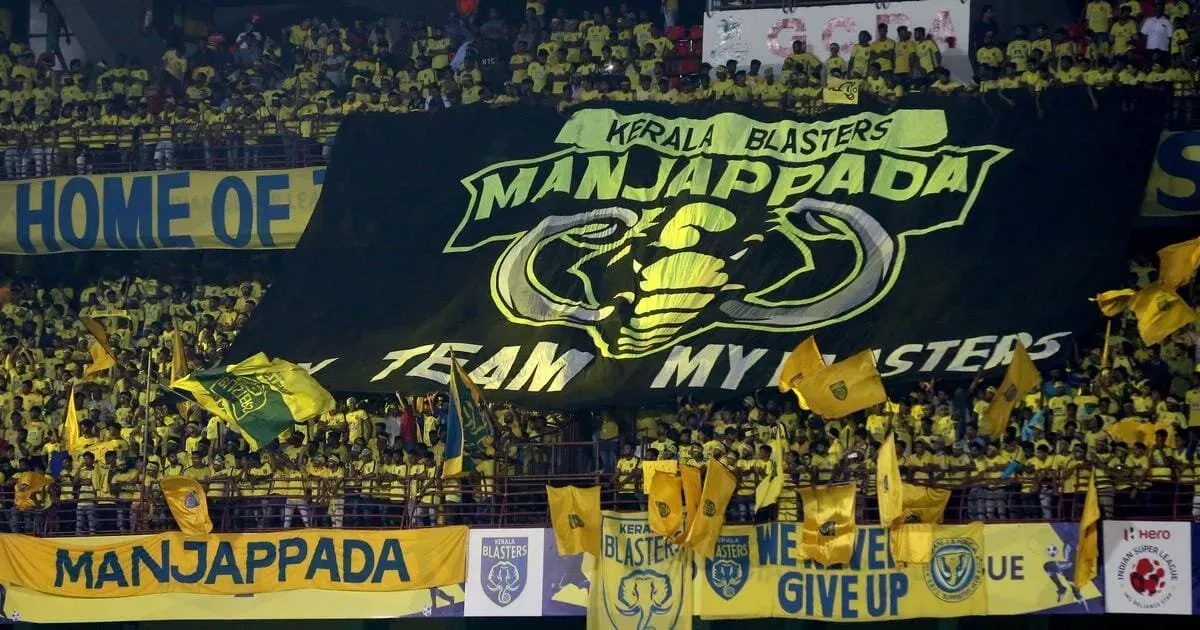
While the idea of centralized venue does sound good in some way, home and away model is still a wise and better way to conduct a league and keep it sustainable at the same time. Here is the explanation why it is still better to conduct the league in a home away format.
Cost-cutting without revenue generation is a dead end
Centralised venues only reduce expenses, they don’t create new income streams. Home matches, even with lower attendance unlocks multiple revenue layers in the form of local sponsors, ticketing, academy visibility, community programs and city partnerships.
In an uncertain climate, diversified income matters more than temporary savings. If the league happens in a single venue, the overall attendance of the league will be dead, only the matches in which the actual home team is playing will witness good attendance while the other matches will be an empty affair. We have already seen this in Indian football when the Super Cup was held in a centralised venue.
Clubs need leverage, not dependence
In a centralised system, clubs become financially dependent on league distributions and broadcast money. In contrast, the home and away system gives clubs negotiating power with local sponsors, municipal bodies and state governments, which is critical when central funding becomes unpredictable.
For example, various clubs get support from local sponsors and the state government, and if the matches do not happen in the home venue, the clubs may end up losing support from local sponsors and the state government which can affect the club in long term.
Indian football cannot afford identity loss
For ISL clubs, identity is also a commercial asset, not just an emotional one. Sponsors, local governments, academies and grassroots partners invest in clubs because they represent a city or region. Playing home matches reinforces that relevance; it keeps clubs visible in local media, schools, and communities. In uncertain financial times, clubs cannot afford to disappear from their markets for an entire season or more.
Centralisation may help manage short-term costs, but from a club’s perspective, losing local relevance means losing long-term revenue potential. Indian football cannot afford identity erosion because clubs without strong local roots are easier to abandon, harder to sell and far less resilient when the next financial challenge arrives. And the newly introduced sides in ISL, like Sporting Club Delhi and Inter Kash,i will never be able to build an identity and will end up being a part of the forgotten names like Delhi Dynamos and FC Pune City.
For more updates, follow Khel Now on Facebook, Twitter, Instagram, Youtube; download the Khel Now Android App or IOS App and join our community on Whatsapp & Telegram.
When does ISL 2025-26 start
14th February 2026
How many teams are playing the league
14
Are the fixtures of ISL 2025-26 out
No