
Why Formula 1 Bahrain and Saudi Arabia GP will not take place in 2026? Real reason behind cancellation
(Courtesy : F1)
Both upcoming Grand Prix were cancelled by Formula 1.
Amid rampant speculations, Formula 1 has confirmed that the upcoming Bahrain and Saudi Arabian Grands Prix, originally scheduled for April, will not take place. These two races were set to follow the Japanese GP, with back-to-back race weeks before a brief break leading up to the Miami GP.
Now, following the cancellations, there will be a gap of over 30 days with no racing, meaning fans will have to wait more than a month after the Japanese GP before the season resumes with the Miami Grand Prix. The cancellations have shortened the season, which will now feature 22 races.
Catch Every Update, Anytime, Anywhere
Ongoing situations in the Middle East region forced the cancellation

The April 12 race in Bahrain and the April 19 race in Saudi Arabia have been removed from the Formula 1 calendar due to rising geopolitical tensions and security concerns in the Middle East.
The decision was made jointly by Formula 1, the FIA, and the local race promoters as the ongoing conflict in the region raised serious safety risks for drivers, team members, officials, and spectators. Additionally, in the statement, F1 also added that F2, F2 and F1 Academy rounds are also cancelled.
“It has been confirmed today that, after careful evaluations, due to the ongoing situation in the Middle East region, the Bahrain and Saudi Arabian Grands Prix will not take place in April.
While several alternatives were considered, it was ultimately decided that no substitutions will be made in April.
The Formula 2, Formula 3 and F1 ACADEMY rounds will also not take place during their scheduled times. The decision has been taken in full consultation with the FIA and respective promoters.”
Due to the cancellation, F1 will lose out on hosting fees from Bahrain and Saudi Arabia, estimated at around $100 million. Teams will also miss out on race weekend revenue, including hospitality, sponsorship exposure, and local promotional earnings.
However, the President and CEO of Formula 1, Stefano Domenicali, noted that they will be back as soon as circumstances allow them to do so.
“While this was a difficult decision to take, it is unfortunately the right one at this stage considering the current situation in the Middle East.
I want to take this opportunity to thank the FIA as well as our incredible promoters for their support and total understanding as they were looking forward to hosting us with their usual energy and passion. We cannot wait to be back with them as soon as the circumstances allow us to do so.”
What month-long break after three races mean for struggling F1 teams
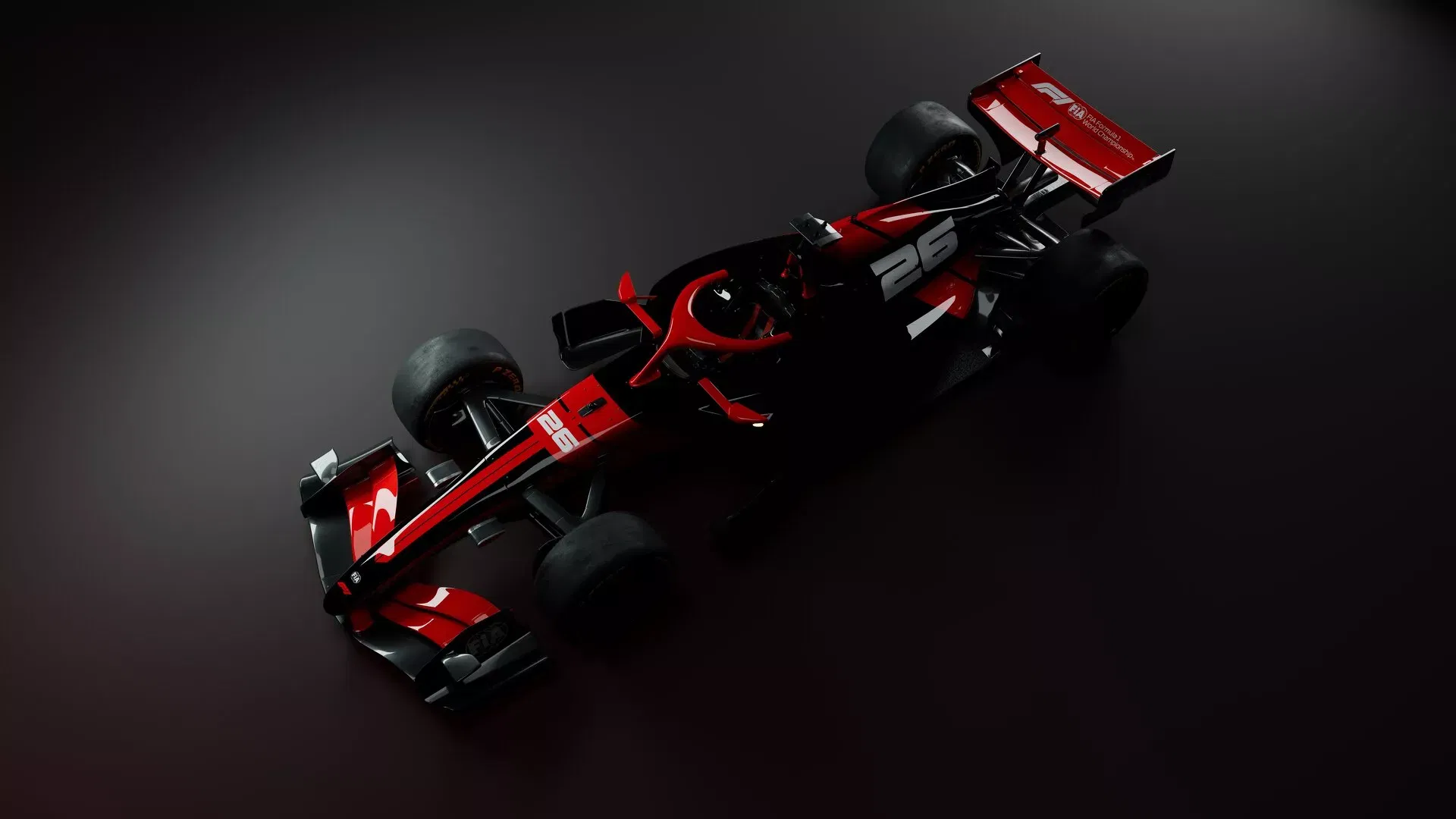
While the cancellation has robbed fans of two major races as the season started to pick up pace, the cancellation might be an opportunity for struggling F1 teams to get on top of their problems in the new regulation era.
The Chinese GP concluded a few hours ago, with seven drivers failing to finish the race, including four who were unable to start at all.
Notably, both McLaren drivers, Lando Norris and Oscar Piastri, along with Alex Albon and Audi’s Gabriel Bortoleto, could not take the start. Meanwhile, Red Bull’s Max Verstappen retired on lap 46 due to technical issues.
The rest of the grid, especially the backmarkers in Cadillac and Aston Martin, can also use this gap before summer break to get on top of their issues, before Formula goes back to racing in May.
Why did F1 cancel the Bahrain and Saudi Arabia Grand Prix?
Both Grand Prix were cancelled due to rising geopolitical tensions and security concerns in the Middle East.
Will the races be rescheduled for later in the season?
No, the races will not be rescheduled, meaning the season will now feature a total of 22 races.
For more updates, follow Khel Now on Facebook, Twitter, Instagram, Youtube; download the Khel Now Android App or IOS App and join our community on Whatsapp & Telegram.