
Cryptocurrency adoption in competitive gaming: What Indian players should know
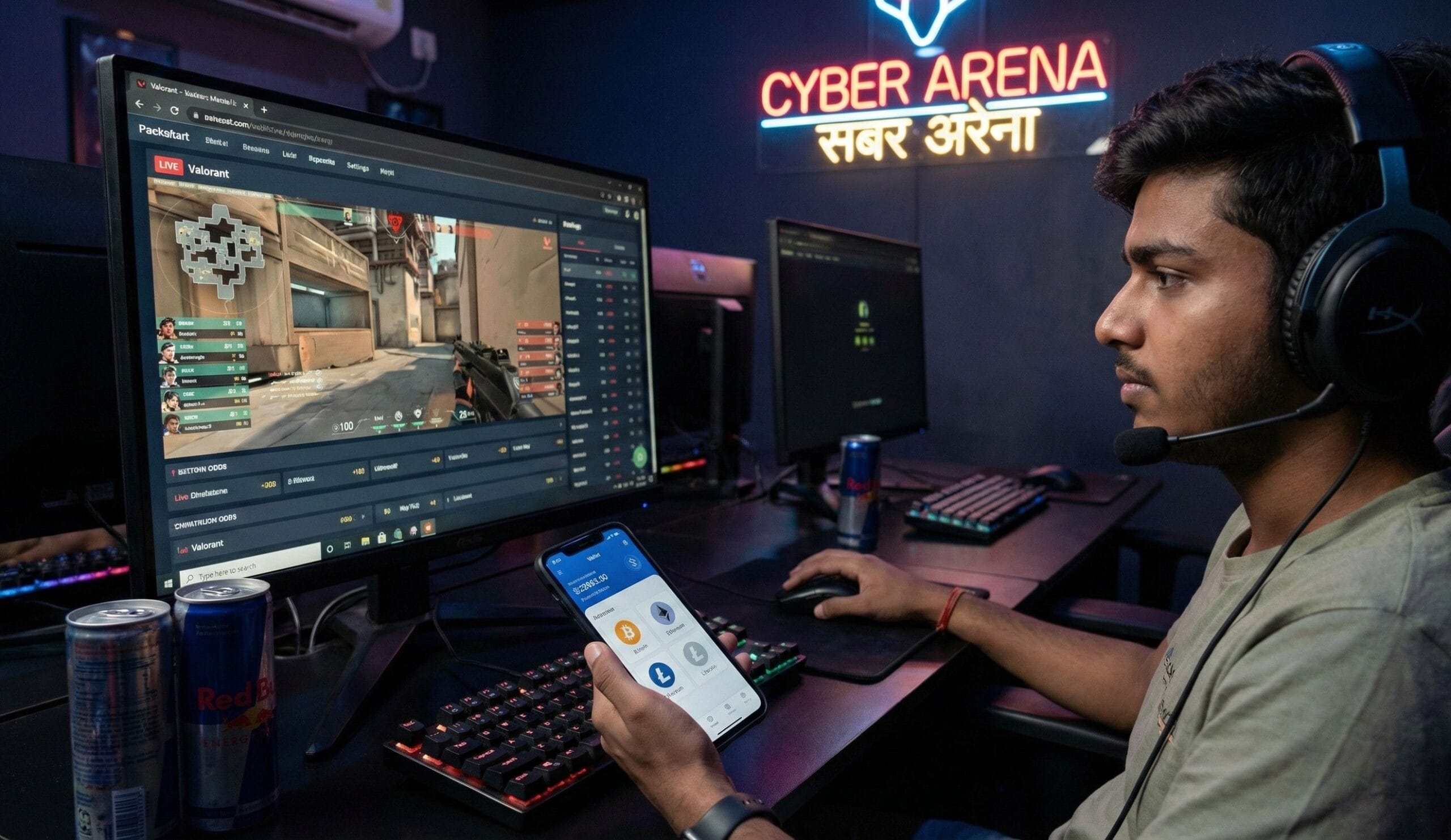
The intersection of cryptocurrency and competitive gaming keeps growing stronger. Prize pools paid in Bitcoin, tournament platforms accepting Ethereum, and gaming communities built around blockchain technology have moved from novelty to normalcy in parts of the esports world.
For Indian players and fans watching this unfold, the situation carries extra complexity. Our regulatory environment differs from North America or Europe, and understanding how cryptocurrency fits into gaming here requires navigating both technological and legal considerations.
Why Crypto entered gaming in the first place
Competitive gaming operates globally by nature. A Valorant team in Mumbai might compete against opponents in São Paulo, with organizers based in Los Angeles and sponsors headquartered in Seoul. Traditional banking struggles with this reality.
International wire transfers take days and cost substantial fees. Currency conversion eats into prize money. Players in some regions face restrictions on receiving payments from abroad. Cryptocurrency offered solutions to these friction points.
Bitcoin and Ethereum transactions settle in minutes regardless of geography. A tournament organizer can distribute prizes to winners across twelve countries simultaneously without negotiating with multiple banks. The appeal for international esports became obvious quickly.
The gaming community’s demographics helped adoption too. Esports audiences skew young and tech-comfortable. Many competitive players already understood blockchain concepts before cryptocurrency payment options appeared. The learning curve was shorter than in traditional sports.
The current landscape
Major esports organizations have experimented with cryptocurrency in various ways. Some tournaments offer crypto payment options for prize money. Others have accepted sponsorships from blockchain companies and exchanges. A few have launched their own tokens tied to fan engagement.
The results have been mixed. High-profile partnerships brought attention and funding during crypto bull markets. When prices crashed, some of those same partnerships became liabilities. The volatility that makes cryptocurrency exciting for traders creates headaches for organizations trying to manage budgets.
Team sponsorships from crypto exchanges peaked around 2021-2022. Names like FTX appeared on jerseys and tournament broadcasts before that exchange’s spectacular collapse reminded everyone about counterparty risk. The industry has grown more cautious about which crypto partners it embraces.
Despite setbacks, cryptocurrency infrastructure in gaming continues developing. Payment processors specializing in gaming transactions have emerged. Platforms facilitating crypto gaming platforms have matured considerably, offering more stable experiences than early implementations.
Indian regulatory reality
Indian players operate within a specific regulatory framework that differs from what international coverage often describes. Understanding this context matters before engaging with any cryptocurrency-related gaming services.
The Reserve Bank of India’s 2018 circular restricting banks from servicing cryptocurrency businesses created initial uncertainty. When the Supreme Court overturned this restriction in March 2020, it opened space for crypto activity but didn’t create comprehensive regulation.
The 2022 Union Budget introduced clearer tax treatment. Gains from cryptocurrency transfers face a flat 30% tax under Section 115BBH. A 1% TDS applies to transactions above specified thresholds under Section 194S. These rules apply regardless of whether your crypto gains come from trading, gaming prizes, or any other source.
The Public Gambling Act of 1867 remains the primary legislation governing gambling in India, though states have authority to create their own rules. Online gaming exists in a complex space where skill-based games receive different treatment than chance-based ones. Cryptocurrency adds another layer of complexity to an already nuanced situation.
Practical implications for Indian gamers: if you receive prize money in cryptocurrency, you’re responsible for tracking its value at receipt and reporting gains appropriately. If you convert crypto to INR through Indian exchanges like WazirX or CoinDCX, those transactions create tax events. Keeping detailed records protects you during any future scrutiny.
How players actually use Crypto
Beyond prize payments, cryptocurrency serves several functions in competitive gaming ecosystems.
Tournament entry fees sometimes accept crypto, particularly for online competitions with international participants. This simplifies the process for organizers who would otherwise handle dozens of payment methods and currencies.
In-game purchases and marketplace transactions increasingly offer crypto options. Games with player-to-player trading economies sometimes find cryptocurrency more practical than traditional payment processing for small international transactions.
Content creators and streamers receive crypto donations and tips from global audiences. For an Indian streamer with viewers across Southeast Asia, accepting USDT or another stablecoin avoids the complexity of handling multiple fiat currencies.
Team contracts occasionally include cryptocurrency components, though this remains more common in Western organizations than Indian ones. Salary payments, signing bonuses, and performance incentives might be denominated partly in crypto, creating both opportunity and risk for players.
Stablecoins: The practical middle ground
Pure cryptocurrency volatility creates problems for anyone trying to run a business or manage personal finances. If your tournament winnings arrive in Bitcoin and the price drops 20% before you can convert to rupees, you’ve effectively lost a chunk of your prize.
Stablecoins address this by pegging their value to fiat currencies, usually the US dollar. USDT (Tether) and USDC remain the most widely used in gaming contexts. They offer cryptocurrency’s transaction benefits without the wild price swings.
For Indian players receiving international payments, stablecoins provide a useful intermediate step. You can receive USDT, hold it without worrying about Bitcoin-style volatility, and convert to INR when convenient. The conversion still creates a taxable event, but you’ve removed the timing pressure.
Gaming platforms increasingly prefer stablecoins for exactly these reasons. Prize pools denominated in USDC mean winners know exactly what they’re receiving. Budgeting becomes predictable for organizers. The boring stability actually helps cryptocurrency function as currency rather than speculation.
Indian Esports and crypto integration
The Indian esports scene has grown remarkably over the past five years. Games like Valorant, BGMI, Free Fire, and CS2 have developed competitive communities with regular tournaments and professional teams.
Cryptocurrency adoption in Indian esports lags behind some Western markets but continues growing. Domestic tournaments primarily operate in INR, which makes sense given the audience and regulatory simplicity. International competitions that Indian teams enter more commonly involve crypto payment options.
Organizations like Global Esports, Enigma Gaming, and Velocity Gaming compete internationally and navigate these payment systems regularly. Their experience handling crypto prize money and sponsor payments provides models for emerging players and teams.
The mobile gaming emphasis in India creates interesting dynamics. BGMI and Free Fire tournaments attract massive participation, with many competitors using smartphones rather than dedicated gaming PCs. Crypto wallets work fine on mobile, but the player base’s familiarity with cryptocurrency varies more than in PC-focused communities.
Security considerations
Cryptocurrency’s benefits come with responsibility for security. Unlike bank accounts, crypto wallets have no customer service to call if something goes wrong. Lost private keys mean lost funds, permanently.
For players receiving meaningful amounts in cryptocurrency, proper security practices matter enormously. Hardware wallets from manufacturers like Ledger or Trezor store crypto offline, protecting against online attacks. They cost money but provide peace of mind for holdings above trivial amounts.
Exchange security varies. The FTX collapse demonstrated that even large, seemingly reputable exchanges can fail catastrophically. Keeping only what you need for active transactions on exchanges and moving larger amounts to personal wallets reduces counterparty risk.
Phishing attacks target gamers specifically. Fake tournament registration sites, fraudulent prize notifications, and impersonation scams all attempt to steal wallet credentials. Verify everything through official channels before connecting wallets or sending funds anywhere.
Two-factor authentication should be enabled on every exchange account and any platform holding your crypto. Use authenticator apps rather than SMS-based 2FA when possible, as SIM-swapping attacks can compromise phone-based verification.
The volatility question
Anyone holding cryptocurrency needs to decide how much volatility they can tolerate. This isn’t just a financial question but a psychological one. Watching your tournament winnings fluctuate 10% daily creates stress that some people handle better than others.
Conservative approaches minimize exposure. Convert crypto to fiat quickly after receiving it. Use stablecoins as an intermediate step. Treat cryptocurrency as a payment rail rather than an investment.
Aggressive approaches embrace the volatility. Hold prize money in Bitcoin or Ethereum hoping for appreciation. Accept the risk of decline in exchange for potential gains. This makes sense only if you can genuinely afford to lose the money.
Most players land somewhere between these extremes. Converting a portion to cover immediate needs while holding some crypto longer term balances security with opportunity. The right split depends entirely on your personal financial situation and risk tolerance.
Looking forward
Cryptocurrency’s role in gaming will likely expand regardless of short-term price movements. The underlying utility for international transactions remains valuable. As infrastructure matures and regulation clarifies, friction points that currently limit adoption should decrease.
For Indian players, staying informed about regulatory developments matters. The tax framework established in 2022 provides some clarity, but comprehensive cryptocurrency legislation could change the landscape. Following developments through reliable sources helps you adapt as rules evolve.
The esports industry’s relationship with crypto sponsors will probably stabilize at a more sustainable level than the 2021-2022 peak. Partnerships with established exchanges and blockchain projects will continue, but with more due diligence than the “take money from anyone” approach of the boom times.
Integration between gaming and blockchain technology extends beyond just payments. NFTs, play-to-earn models, and decentralized gaming platforms all involve cryptocurrency concepts. Whether these developments enhance gaming or distract from it remains debated, but they ensure cryptocurrency stays relevant to gaming conversations.
Practical steps for Indian players
If you’re an Indian player or fan engaging with cryptocurrency in gaming contexts, a few practical steps help:
Understand your tax obligations before receiving crypto. The 30% rate on gains and 1% TDS aren’t optional. Document everything from the start rather than trying to reconstruct records later.
Choose reputable exchanges for converting crypto to INR. WazirX, CoinDCX, and similar platforms registered with Indian authorities provide cleaner paper trails than peer-to-peer trades or offshore exchanges.
Start small if you’re new to cryptocurrency. Learn how wallets work, practice transactions with small amounts, and build familiarity before dealing with meaningful sums.
Separate gaming funds from speculation. If you want to trade crypto as an investment, that’s a different activity from using it as a payment method for gaming. Mixing them creates confusion and poor decision-making.
Keep security paramount. The gaming community attracts scammers who understand the culture and craft convincing approaches. Skepticism protects your assets better than optimism.
Cryptocurrency in competitive gaming isn’t going away. For Indian players navigating this landscape, understanding both the technology and the local context positions you to benefit from the opportunities while avoiding the pitfalls.

Alex graduated in mass communication in 2016 and has been covering global sports for Khel Now since then. He is covering sports tech, igaming, sports betting and casino domain from 2017.