
Inside Indian golf's divide: Head of International Series speaks on pathways, access and fractured system
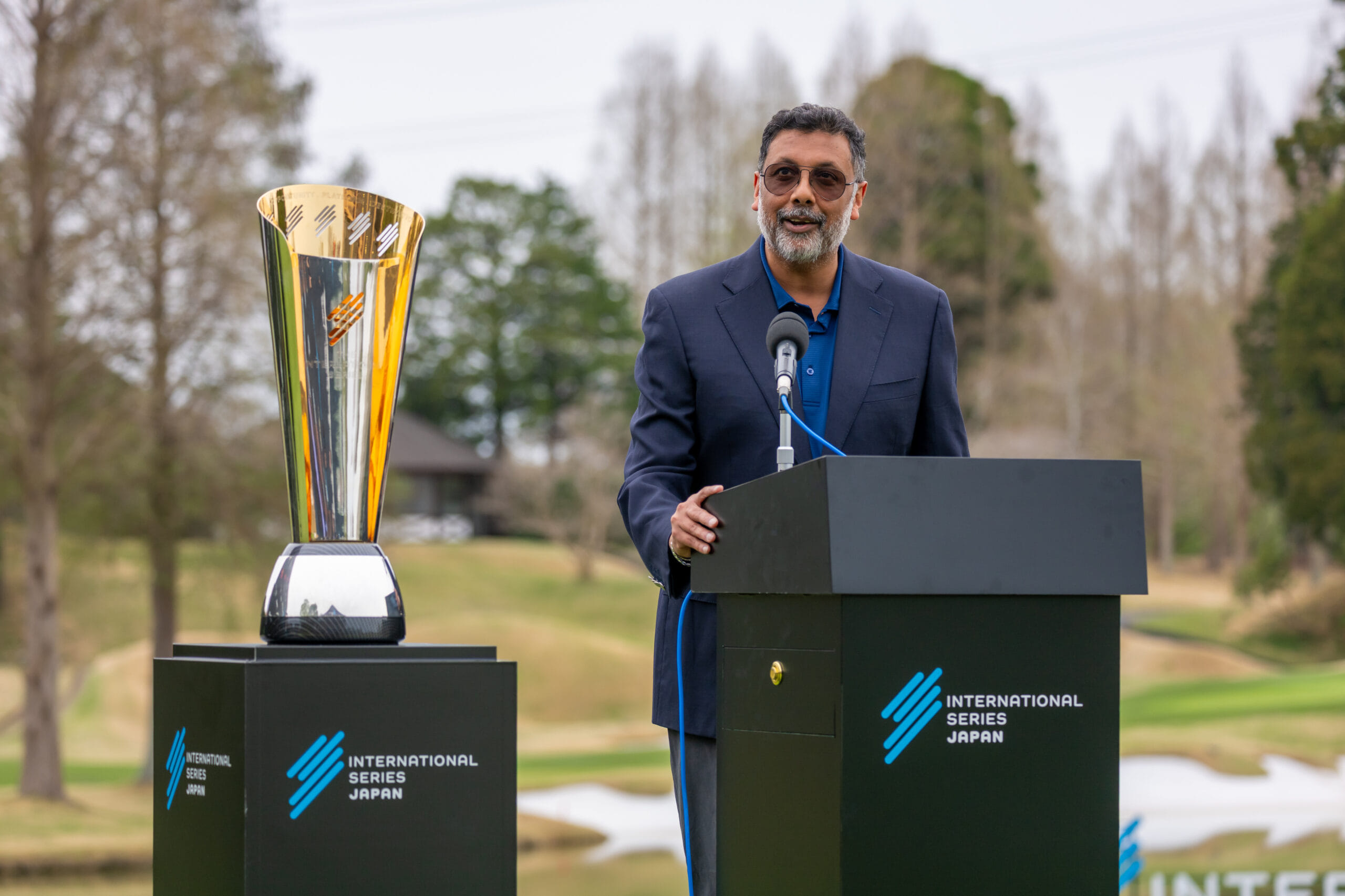
(Courtesy : Picture by Graham Uden / Asian Tour.)
Rahul Singh addresses the IGPL–PGTI split, Indian Open concerns and global pathway debate
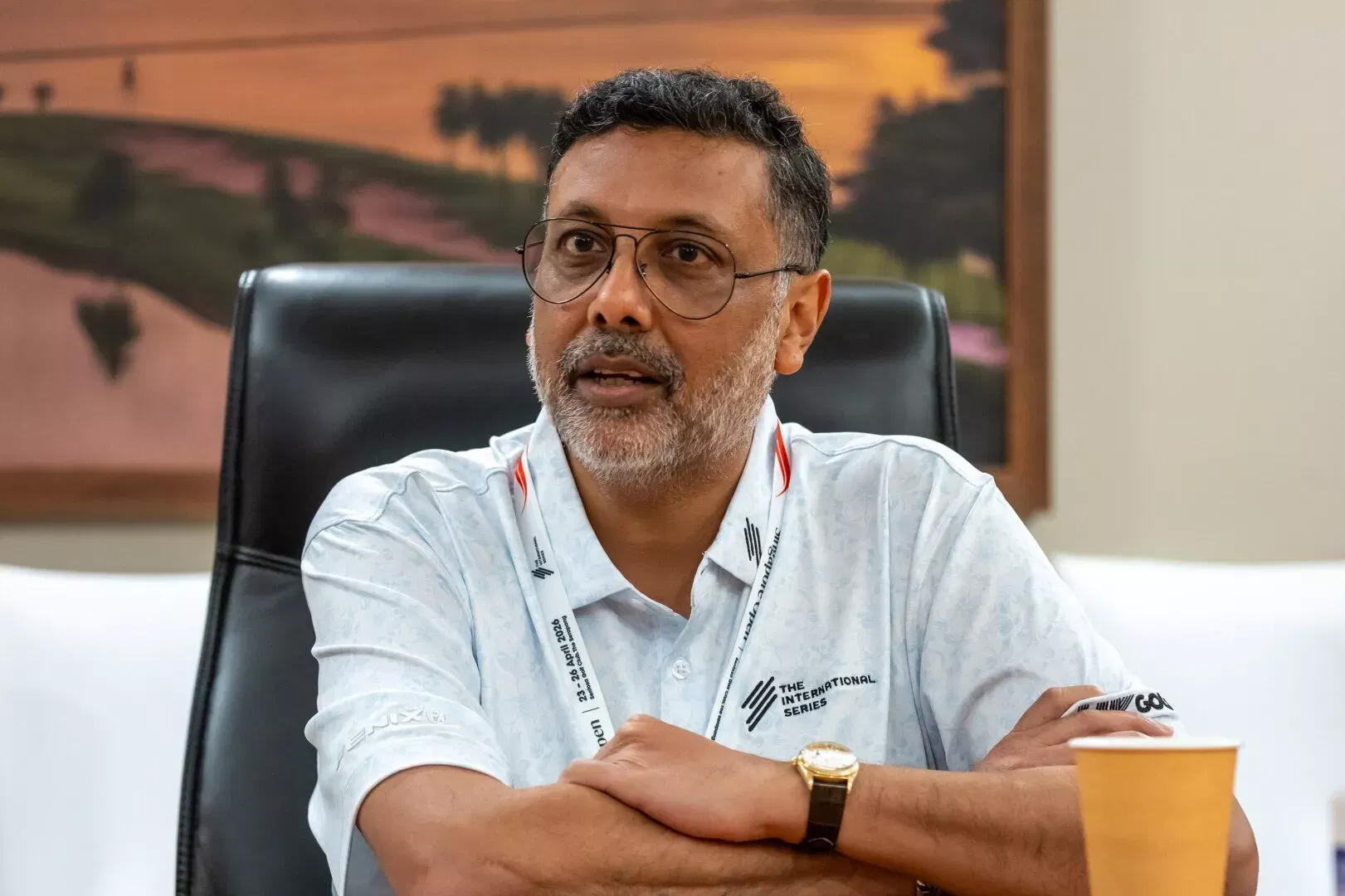
Speaking to travelling Indian media on the sidelines of the Singapore Open at Sentosa Golf Club, Rahul Singh, Senior Vice President of LIV Golf and Head of the International Series, made one thing clear — the conversation around Indian golf is no longer just about tournaments. Now it’s about structure, pathways and who gets access to them.
At its centre is a growing divide within the ecosystem.
“This is not about IGPL or PGTI”
Singh was careful with his words, but the message was direct.
“This is not about IGU, this is not about Indian Golf Premier League (IGPL), this is not about the PGTI. This is about all of them working together to bring the best talent onto the same playing field.”
The comment comes at a time when Indian golf is effectively split between two pathways, the traditional Professional Golf Tour of India structure aligned with the DP World Tour, and the emerging IGPL route, which is now linked to the Asian Tour and the LIV-backed International Series.
That split has already had visible consequences.
“We can’t have limiting fields in our own national opens,” Singh said, pointing to the absence of top Indian names in recent editions.
A pathway argument, not just a power struggle
For Singh, the debate is less about control and more about progression.
The International Series, launched as part of the Asian Tour calendar and backed by LIV Golf, is seen as a direct route into global golf.
“A core mission… is to give emerging talent the chance to test themselves on a global stage,” he said.
Through its alignment with IGPL, that pathway has now become more structured, offering Indian players access to Asian Tour events, International Series fields, and, ultimately, opportunities to join LIV Golf.
But Singh also pointed out what has been lost in the current system.
“When PGTI was aligned with the Asian Tour, players had more opportunities…today those pathways are limited,” he said.
The Indian Open question
One of the more telling moments came when Singh addressed the situation at the Indian Open.
“Some of the best Indian players were not represented…that is something that is not seen,” he said.
He went further, naming players who, in his view, should have been part of the field.
“Gaganjeet Bhullar…arguably the most decorated Indian golfer…Karandeep Kochhar should have found a place,” he added.
The larger point was clear – fragmentation is now affecting representation.
Opportunity vs restriction
Singh repeatedly returned to one theme: access.
“International Series is focused on opportunity, opportunity, and opportunity,” he reiterated.
That philosophy explains the current approach, working with IGPL, remaining open to PGTI, and pushing for a broader ecosystem rather than exclusivity.
“We’re tour agnostic… we’re not looking to block anyone,” he said, leaving the door open for collaboration with PGTI.
At the same time, he acknowledged the in reality that alignment hasn’t happened yet.
Recent tensions, including player suspensions for participating in IGPL events, have already highlighted how fractured the system has become.
Bigger picture: rebuilding the system
Beyond India, Singh positioned the International Series as part of a larger global strategy.
The series, which now spans multiple countries and includes national opens, is designed to create a consistent competitive ecosystem and a pathway into elite golf.
“We’re building ecosystems in each country… not just tournaments,” he said.
India, in that sense, is seen as a key market — but one that needs alignment.
What next?
Catch Every Update, Anytime, Anywhere
For now, the divide remains.
PGTI continues on its existing structure, IGPL is expanding with LIV-backed support, and the Asian Tour sits at the centre of the International Series pathway.
Singh’s message, however, is consistent.
“We need to make sure the best players play alongside each other.”
Because until that happens, Indian golf will continue to operate in parallel systems, rather than a unified one, which is slowing the growth of the sport in India, even after so much investment.
What is the International Series?
It is a LIV-backed set of events on the Asian Tour offering pathways to global golf.
Why is IGPL important?
IGPL is aligned with the International Series and provides Indian players access to global tournaments.
What concern was raised about the Indian Open?
Top Indian players were missing from the field due to the current fragmented structure.