
Why ballast weight makes sense in racing cars: Performance, rules and hidden strategy
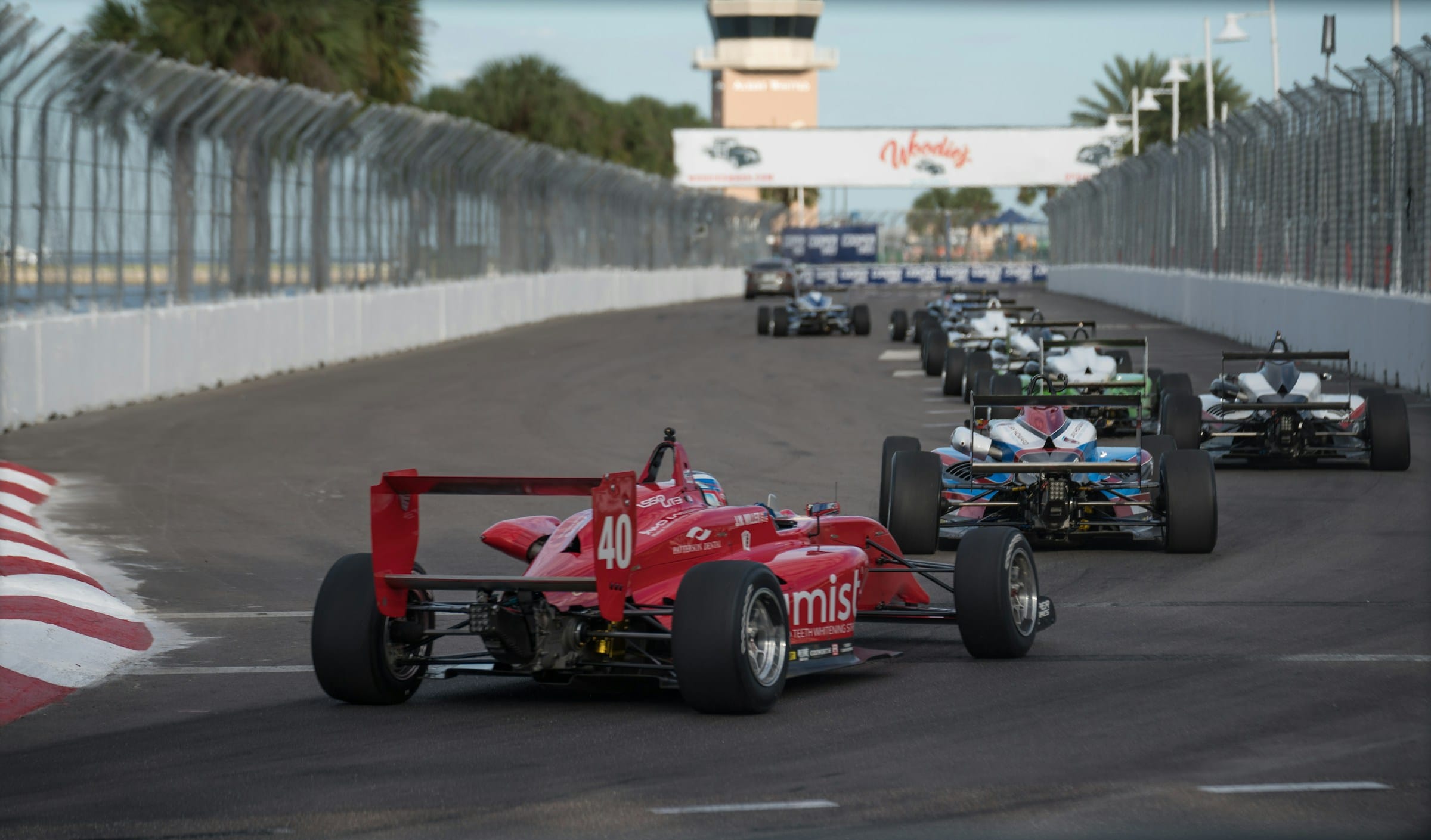
(Courtesy : Photo by KaroGraphix Photography on Unsplash)
Ballast weight sounds like the last thing a racing team would welcome. The natural instinct is simple: lighter car, faster lap, fewer problems. Yet in many categories, from touring cars to open wheel series, extra weight made of lead or tungsten sits carefully bolted into the chassis. It looks like a paradox until the logic behind it comes into focus.
Modern racing does not exist in a vacuum. Fans study sector times, analyze strategy threads, and compare pre race odds the way others scan financial charts. Platforms that track sporting probabilities, including names such as 1xBet, highlight how small technical details can shift expectations. Ballast weight belongs in that group of quiet variables that do not make headlines immediately, but define who fights for championships over a full season.
How added weight can make a car faster
Catch Every Update, Anytime, Anywhere
The surprise for newcomers is that ballast can help performance when used correctly. Engineers do not just throw lead bricks into any available corner. Weight placement becomes a powerful tool for tuning. By moving ballast plates, a team can transform the car’s balance under braking, turn in, and traction out of corners.
A car that feels nervous on entry and loose at the rear may calm down once ballast shifts toward the back. A machine that struggles to rotate through slow hairpins may respond to more mass near the front axle. The minimum weight becomes a starting point, not only a restriction. Strategic positioning turns a fixed number on a scale into a flexible setup parameter.
The broader racing ecosystem also reflects this nuance. Fans who follow technical bulletins and setup changes with the same curiosity used for checking 1xBet registration banners quickly learn that ballast reports reveal more than simple numbers. Positioning diagrams and post race comments tell a story about how teams chase grip and predict tire behavior over a full race distance.
Key ways ballast changes car behavior
Ballast affects more than straight line speed. Several interconnected characteristics shift at once.
- Center of gravity tuning
Lower ballast placement drops the center of gravity, reducing body roll and improving stability through quick direction changes such as chicanes. - Weight distribution control
Moving mass toward the front or rear adjusts how much load each axle carries, reshaping turn in response and traction off the corner. - Braking stability improvements
Extra weight in specific zones can stabilize the car under heavy braking, making lockups less likely and allowing later brake points. - Ride and kerb behavior
Carefully placed ballast helps a car settle over bumps and kerbs, reducing unpredictable hops that can ruin lap consistency.
These effects explain why teams fight for every kilogram of discretionary ballast. Once the minimum weight is met, any movable mass becomes a precious tool for fine tuning.
Trade offs, tires and race distance
The downside of ballast is simple physics. More mass means more energy required to accelerate, more stress on brakes, and often more heat in the tires. Over one lap, a perfectly balanced heavier car may still keep up with a twitchy lighter rival. Over a full race, extra weight often punishes tire life and fuel consumption if the setup is not optimized.
That is why ballast strategy always connects to tire management. Engineers access long run data, look at how quickly performance drops off, and decide whether a slightly heavier but friendlier balance is worth the trade. In some series, a car that treats its tires kindly thanks to smart ballast placement can attack late in the race while rivals slide around on worn rubber.
Practical reasons teams accept extra weight
Despite the costs, teams still embrace ballast when the rules and context make it worthwhile.
- Hitting mandatory minimum weight
Many race cars roll out of the design studio under the legal minimum. Ballast fills the gap in a controlled, predictable manner. - Locking in predictable handling
A car that behaves the same way corner after corner is easier to drive at the limit. Ballast helps smooth out twitchy tendencies. - Adapting to different circuit profiles
Tight street tracks, high speed circuits and bumpy layouts each reward different weight distributions. - Managing balance as fuel load drops
As fuel burns off during the race, the car’s weight shifts. Ballast helps keep the balance inside a safe, fast window.
The result is a technical dance between pure speed and long term consistency. Regulations, tire construction, circuit type and weather all shape how that dance looks on a given weekend.
Ballast as a window into racing philosophy
In the end, ballast weight reveals how modern motorsport values control over chaos. Engineers accept the penalty of extra kilograms because the reward is a car that can be trusted at the limit, lap after lap. Organizers use weight adjustments to keep championships alive until the final races. Drivers use the resulting balance to push harder under braking, carry more speed through corners and defend or attack with confidence.
What begins as a simple question about why anyone would willingly add mass to a racing car turns into a deeper look at rule making, engineering creativity and strategic thinking. Ballast is not an accident or a leftover. It is a deliberate choice that shapes how fast, how fair and how dramatic a racing season becomes.