
Top trends changing sports entertainment in 2026
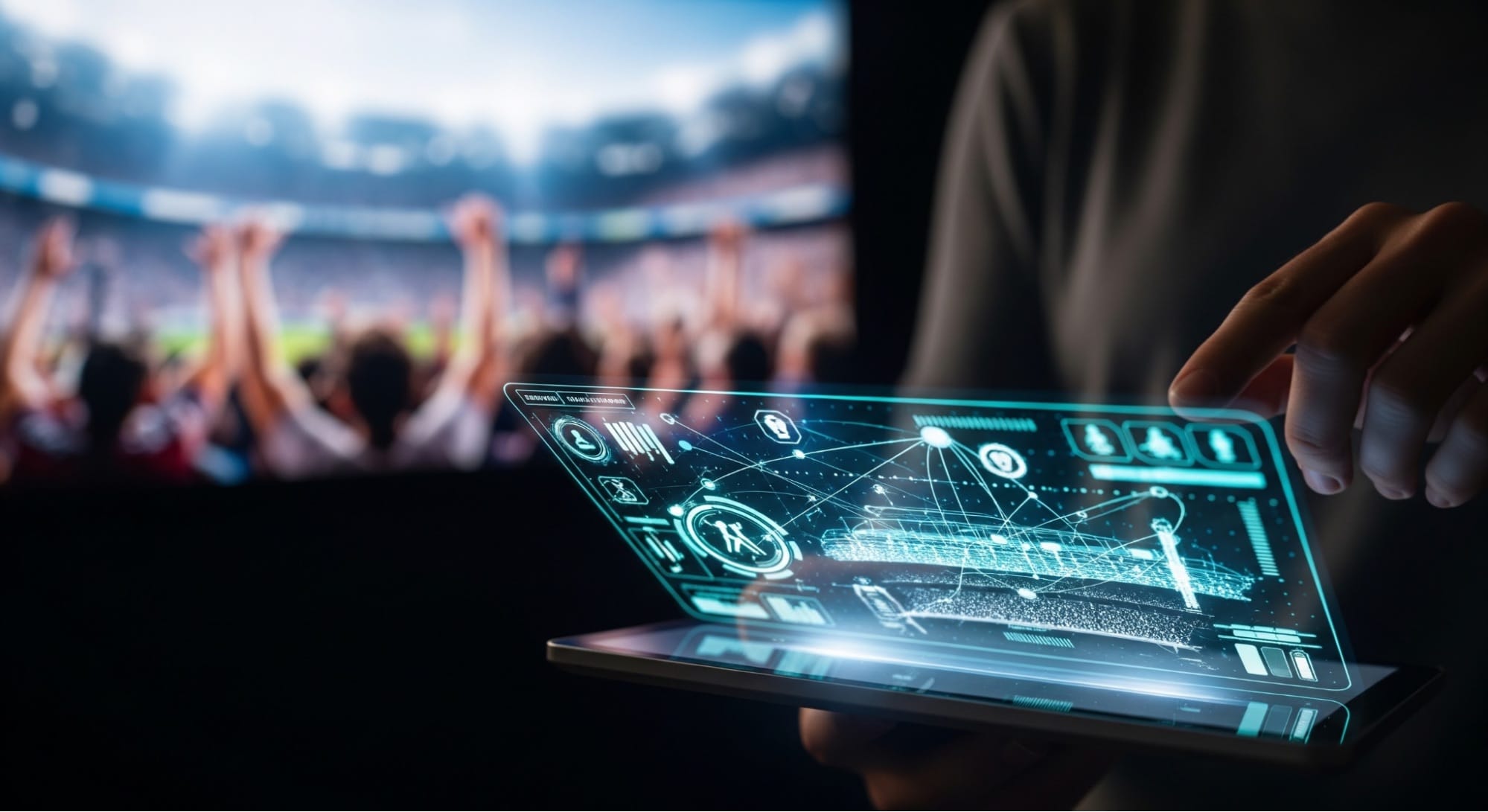
Sports entertainment in 2026 is no longer built solely around the match. The game still matters most, but the product now includes streaming, mobile feeds, alternate commentary, live statistics, betting markets, creator clips, fantasy layers, and team-owned digital platforms. Fans do not simply watch anymore. They manage attention.
The biggest shift is control. Leagues, broadcasters, teams, and tech partners all want a direct relationship with the viewer. That changes how sports are packaged, sold, clipped, and discussed.
Streaming has split the old viewing habit
The old sports calendar was simple: find the channel, sit down, watch. Streaming changed that routine into a subscription puzzle. One league may live across broadcast TV, league apps, regional networks, social clips, and platform-exclusive games.
That fragmentation irritates fans, but it also gives rights holders more data. Teams want to know what fans watch before the game, when they leave, which highlights they replay, and what offers they ignore. The broadcast is becoming only one door into a larger product.
In 2026, the winner is not always the platform with the best camera angle. It is the platform that reduces friction. Fewer logins. Faster streams. Cleaner notifications. Better replay access.
AI is moving from gimmick to workflow
AI is now part of sports operations, not just a buzzword in sponsor decks. It helps generate clips, tag moments, personalize feeds, translate content, analyze fan segments, and speed up production for overloaded media teams. The value is practical when it reduces human bottlenecks.
For fans, the visible effect is personalization. One viewer may get defensive breakdowns, another gets player-focused highlights, and another gets a short vertical recap built for a commute. That can make sports feel more personal, but it also risks flattening the communal part of fandom.
The best use of AI keeps the human event intact. Nobody needs a machine to make a rivalry feel alive. They need tools that make the event easier to follow.
Betting became part of the second screen
Live betting has changed how many adult fans read games. They check line movement, injury news, player props, shot charts, possession trends, and late substitutions while the broadcast continues. That second-screen habit is strongest in sports with constant statistical movement.
Basketball fits that model well. A fan following NBA betting Philippines is usually reading spreads, totals, moneylines, and in-play markets while also watching tempo, foul trouble, bench minutes, and injury updates. The value is not a promise of certainty; it is a structured way to compare odds movement with what the game is showing. Bankroll discipline matters because live markets can make emotion feel analytical.
This is now part of sports entertainment, not a separate room. The challenge for operators and media brands is tone. Betting content works best when it explains mechanics, limits, and probability without turning fandom into pressure.
Creator-led sports coverage keeps growing
Fans increasingly trust personalities as much as institutions. Former players, tactical YouTubers, newsletter writers, streamers, podcast hosts, and short-form editors can shape a story before the halftime show finishes speaking. That has made sports coverage faster, messier, and often more useful.
The strength of creator media is specificity. A 90-second breakdown of a pick-and-roll coverage can beat a vague studio segment. A former offensive lineman explaining hand placement can make football easier to understand than a loud argument about legacy.
The weakness is verification. Creator speed can outrun facts. In 2026, the best sports audience knows the difference between analysis, rumor, and clip farming.
Online casino entertainment sits beside sports content
Sports fans already move between different forms of digital leisure. They check scores, watch highlights, play fantasy formats, browse statistics, and use short games during breaks in the schedule. An online casino can replicate that same mobile pattern by presenting slots, table games, RTP information, RNG-based outcomes, and account checks in a clear way. The appeal is convenience and short-session entertainment, not guaranteed results.
This matters for sports entertainment because attention is no longer loyal to one format. A fan may watch a match, read a tactical thread, and then switch to a quick casino game during halftime. Good UX separates these activities clearly so users understand the difference between betting markets, casino mechanics, and pure content consumption.
Venues are becoming media studios
Modern stadiums are no longer just places to host games. They are content factories. Every tunnel walk, warmup jumper, pregame arrival, coach reaction, and crowd shot can become a clip. The event begins before kickoff and continues after the final whistle.
Teams now design venues with broadcast angles, premium hospitality, social spaces, and sponsor activations in mind. The live ticket is still valuable, but the digital afterlife of the event creates additional reach. A single courtside moment can travel farther than a full match report.
This changes fan behavior inside the building. People attend the game, film the game, and participate in the game’s media output at the same time.
Short-form highlights have changed memory
A fan who did not watch a game can still feel as if they experienced its key moments. Ten clips, one box score, and a few player quotes can create a compressed memory of the night. That is useful, but it also distorts scale.
Not every viral play decided the game. Not every loud reaction captured the tactical truth. Sports entertainment in 2026 lives inside that tension: highlights grow the audience, but they can also flatten the sport into isolated fragments.
Leagues know this. That is why full-game access, condensed replays, and premium analysis still matter. The clip brings the fan in. The deeper product keeps them.
Casual game formats fill dead time
Sports schedules contain waiting: rain delays, halftime breaks, long VAR checks, timeout-heavy endings, and late-night gaps between events. Mobile entertainment thrives in those spaces because it does not ask for a full commitment. The Lucky slot format fits that rhythm as a fast, simple game built around short rounds and immediate readability. It belongs to the casual side of digital play, where RNG mechanics set the outcome.
The key distinction is expectation. A sports fan may study form and matchups before a bet, but a casino-style instant game runs on its own probability model. That is why session length, bankroll limits, and clear rules are the useful parts of the experience.
Women’s sports and emerging leagues gain more shelf space
The sports entertainment market is less dependent on the old hierarchy. Women’s basketball, women’s football, emerging leagues, combat sports, creator tournaments, and niche competitions are finding audiences because distribution is cheaper and social clips travel fast. The barrier to discovery has dropped.
That does not mean every new league will last. Attention is not the same as loyalty. The durable properties will be the ones that combine athlete identity, competitive credibility, schedule consistency, and accessible media.
Fans are not short on options. They are short on reasons to care twice.
Data is the new season ticket
The next stage of sports entertainment is not only about selling access. It is about understanding the fan relationship across tickets, streaming, merchandise, betting interest, social behavior, and app usage. Teams want a single view of the fan because sponsors pay more for audiences that can be understood.
This makes privacy and trust more visible. Fans want personalization, but not surveillance that feels creepy. The better sports brands will explain what data they use and give the viewer a cleaner value exchange.
The game still starts with the whistle. The business now starts long before it.

Alex graduated in mass communication in 2016 and has been covering global sports for Khel Now since then. He is covering sports tech, igaming, sports betting and casino domain from 2017.