
Wearable IMU Tech to predict fatigue in athletes: A game‑changer no one’s talking about
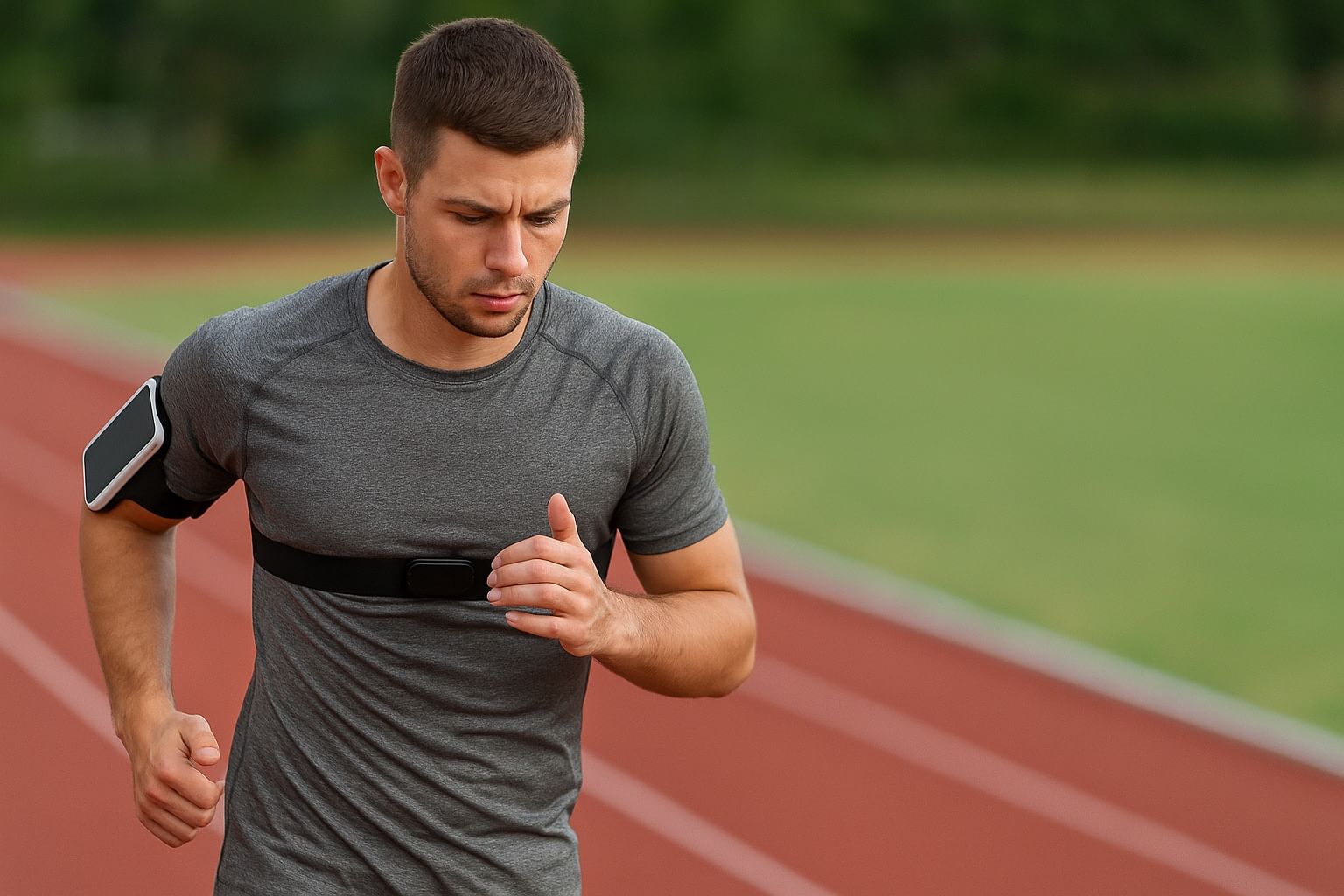
Fatigue isn’t only physical. It sneaks in through movement inefficiencies long before tired muscles give in. Imagine if your training wearable could warn you minutes before your form begins to fail. That’s now possible. Recent research using inertial measurement units (IMUs) is making that vision real — and it could transform athlete safety, performance, and recovery.
Why movement fatigue happens — and why it’s overlooked
Catch Every Update, Anytime, Anywhere
Every athlete knows when their legs feel heavy. But fatigue often starts silently: joint angles shift, timing slips, posture wavers. These early signs fly under the radar of traditional monitoring. Asymmetrical movement during a jump or sprint can happen before heart rate or lactate rise. Frontiers in Sports & Active Living describes how IMUs uncover such subtle shifts in trunk and limb sequencing, making early fatigue detection possible.
Without tracking movement mechanics, athletes risk injury from misalignment and loss of neuromuscular control. Yet most coaches only use HR or subjective scales to judge readiness. That’s like flying blind, with fatigue already setting in. Some athletes and teams are starting to use monitoring tools integrated with platforms like the pari app, which support IMU feedback and help visualize movement trends in real time, making it easier to recognize small shifts before they become big problems.
How IMUs push the boundaries of real‑time fatigue awareness
IMUs are tiny sensors that capture acceleration, rotation, and orientation. When placed on strategic body points—ankles, hips, torso—they reflect how movement patterns change over time.
Here’s why that matters:
- Early detection. There are minimal changes in gait or posture that can be used to detect the onset of fatigue long before muscular failure can take place.
- Objective alerts. Systems can trigger feedback when a threshold is crossed—no guesswork.
- Personalization. Each athlete gets their own baseline, so changes are meaningful and specific.
Research shows IMUs can reliably track changes in sprint kinematics and joint loading in real time. This level of insight was simply not available before.
Real‑world impact: Injury prevention, better recovery, smarter workloads
Athletes combining IMUs with coaching are already seeing real gains:
- Reduced overuse injuries. Identifying movement breakdown early helps prevent repetitive load damage in the knees, ankles, and lower back.
- Efficient training loads. Athletes only push when mechanics are still solid—no extra fatigue risk.
- Safer return‑to‑play. Rehab programs can confirm when movement patterns are restored before full load is resumed.
A review on badminton players noted that real-time biomechanical monitoring, including IMUs, helped correct lunging mechanics and prevent joint overloading. Similarly, wearable systems are now integral to elite rehab, optimizing recovery outcomes.
Imagine a runner receiving vibration feedback from a hip sensor when their pelvis tilts beyond the fatigue threshold, prompting immediate adjustment. That can mean the difference between finishing the session clean or suffering an iliotibial band flare-up.
Bringing it into daily training—What it takes
If you want to start using IMUs for fatigue monitoring, here’s a simple approach:
- Setup. Attach IMUs to one or two key regions—like ankles for stride and torso for posture.
- Baseline. Record several normal training sessions to establish your ‘fresh’ biomechanical signature.
- Thresholds. Look for deviations beyond ~5–10%: stride length changes, trunk tilt, contact time shifts.
- Feedback loop. Use alerts (vibration, earbud cue, app beep) to prompt immediate correction or rest.
- Integration. Combine this with HRV, sleep data, and subjective recovery scales for a holistic view.
This isn’t theoretical: IMUs are now affordable (under $200) and supported by apps that simplify data and alert logic. No need for labs or expert systems.
Conclusion
Fatigue starts long before your muscles give out, and much of it slips under standard radars. Wearable IMU technology introduces the intelligence of movement to everyday training, forewarning you when form is on the verge of collapse. It assists sportsmen to train more, heal better, and avoid injuries.
It is not a futuristic idea, but it is here and is already waiting to be expanded. When you consider fitness seriously, you should monitor your movement as it could be the most intelligent investment you will ever make.
What is an IMU and how does it help athletes?
An Inertial Measurement Unit (IMU) is a small wearable sensor that tracks acceleration, rotation, and body orientation. When placed on key areas like the hips or ankles, it helps detect subtle changes in movement patterns, allowing athletes to spot early signs of fatigue before muscle failure occurs.
How is fatigue detected using IMUs?
IMUs detect fatigue by identifying changes in joint angles, posture, stride length, and limb timing. These movement inefficiencies typically show up before traditional markers like heart rate or perceived exertion, offering a proactive way to manage fatigue.
Can IMUs help prevent injuries in sports?
Yes. By identifying early mechanical breakdowns, IMUs help prevent overuse injuries and alignment issues. They’re also used in rehab to ensure safe return-to-play by confirming when proper movement patterns are restored.
Are IMUs affordable and easy to use for regular athletes?
Absolutely. Many IMU-based systems now cost under ₹15,000 (~$200) and integrate with mobile apps that offer real-time feedback through beeps, vibrations, or visuals—making them accessible for both amateur and professional athletes.