
The new faces of UFC who could define the next decade
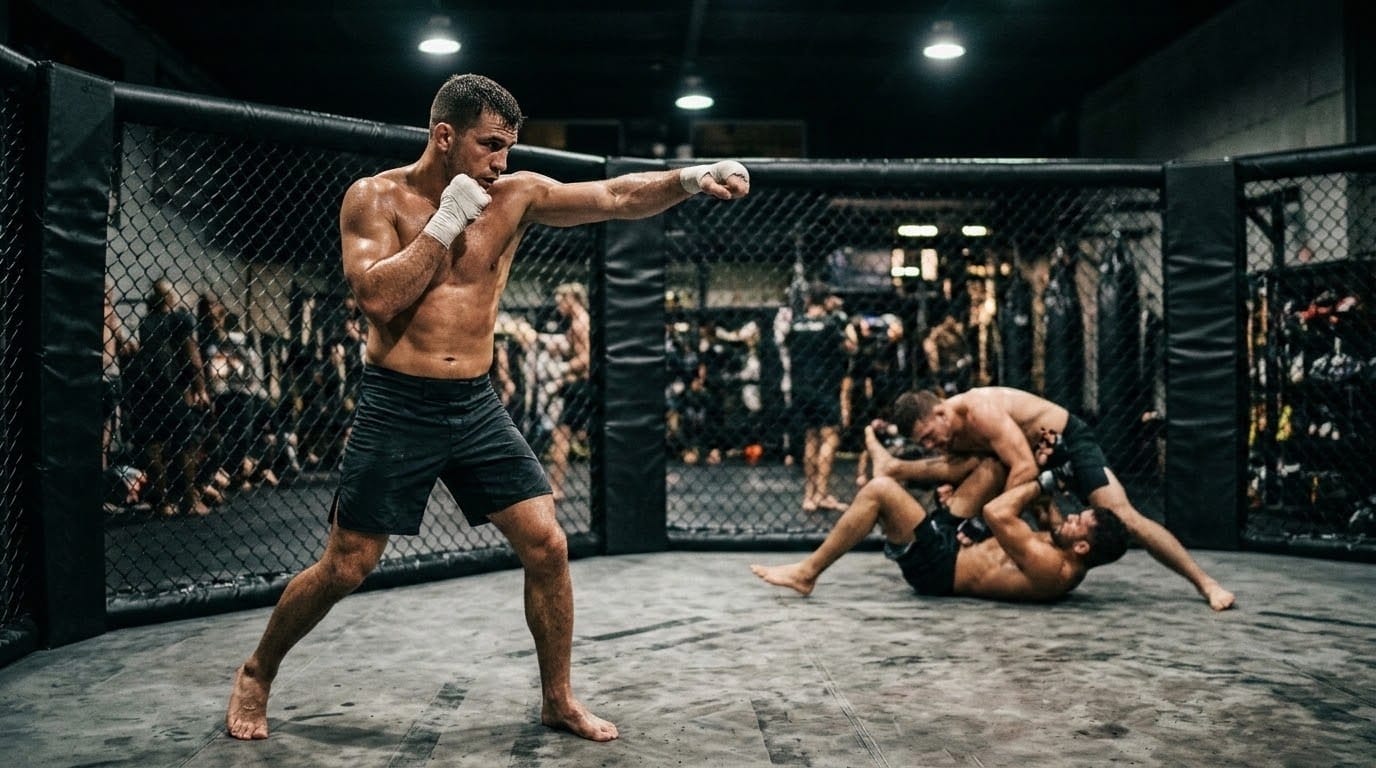
UFC’s next decade will not belong to one superstar. The sport is too global now, too technical, and too unforgiving for a single face to carry every division. The next era will likely be shaped by heavyweights who move like middleweights, lightweights who can wrestle and box, flyweights with five-round engines, and prospects from markets that once sat outside the MMA mainstream.
That also changes how fans read the sport before fight night. Style matchups, takedown defense, reach, stance, pace, weight cuts, judging patterns, and late odds movement now sit beside highlight reels. For adults following fight markets, UFC betting works best as an analytical habit built around probability, risk, and bankroll control rather than loyalty to a popular name. A fast knockout can make a bad read look smart, while a split decision can punish a good one. The edge is never guaranteed, and the smartest fans know when to pass.
The heavyweight face must move differently
Catch Every Update, Anytime, Anywhere
Heavyweight used to reward mass, patience, and one clean punch. That still matters, but Tom Aspinall represents the more modern template: speed, footwork, grappling comfort, and fast finishing instincts in a division where many fighters age slowly but move heavily. His appeal is not only power. It is the shock of seeing a heavyweight enter exchanges, reset, shoot, scramble, and finish before the opponent has built a rhythm.
That matters for the next decade because UFC heavyweights can no longer rely only on size. Fans expect pace. Promoters expect activity. Analysts expect proof that a fighter can survive beyond the first dangerous moment.
Lightweight remains the hardest throne to keep
Ilia Topuria’s rise showed how quickly a fighter can become a global attraction when elite boxing mechanics meet takedown defense and finishing confidence. Even after suffering his first professional defeat, his profile remains important because his style still fits the modern UFC economy: sharp soundbites, violent hands, multilingual appeal, and enough technical depth to sell serious matchups.
Lightweight is rarely stable. Arman Tsarukyan, Justin Gaethje, Charles Oliveira, Max Holloway, and other contenders keep the division brutally alive. The next decade’s face at 155 pounds will need more than charisma. He will need durability, wrestling answers, and the discipline to win when the knockout does not arrive.
Khamzat Chimaev still changes the temperature
Khamzat Chimaev’s aura has always been built on pressure. The numbers matter, but the feeling matters too: opponents often look rushed before the first exchange settles. His wrestling entries, top pressure, and pace can turn elite fighters into men simply trying to breathe.
His long-term question is not talent. It is sustainability. Can the body, schedule, weight management, and five-round discipline support the myth across several years? If they can, Chimaev remains one of the clearest candidates to define how the UFC sells controlled violence in the middleweight era.
Flyweight may produce the smartest stars
The UFC’s future might not come from the biggest bodies. Flyweight has become one of the sport’s richest tactical divisions because the pace is savage and the skill floor is high. Tatsuro Taira and other lighter-weight contenders represent a different kind of marketable fighter: less noise, more precision.
This is where serious fans often find the best education. Scrambles happen faster. Transitions are cleaner. Cardio errors get exposed. A flyweight star may never have the casual reach of a heavyweight champion, but the next decade of MMA technique may be written at 125 pounds.
India’s pathway matters more than one result
For Khel Now’s audience, the Indian angle deserves careful handling. Anshul Jubli’s UFC record shows how punishing the jump can be, but his Road to UFC breakthrough still mattered because it proved an Indian lightweight could enter the system on merit. Puja Tomar’s 2024 debut win then marked a separate milestone for Indian MMA on the women’s side.
Neither story should be inflated into instant superstardom. That would miss the point. India’s real UFC future depends on deeper coaching, wrestling rooms, striking defense, regional promotions, and fighters getting international rounds before the Octagon lights hit them.
The next decade will reward complete skill sets
The future face of UFC will probably need several traits at once:
- Clean defensive wrestling against chain attacks
- Striking that works against both orthodox and southpaw opponents
- Five-round cardio under grappling pressure
- Strong media presence without forced theatrics
- Reliable weight cuts
- Activity across at least two fights per year
- Enough adaptability to win ugly decisions
The contenders are not selling the same future
| Fighter | Division Lens | Why He Matters | Main Question |
| Tom Aspinall | Heavyweight | Speed and grappling for a larger athlete | Can he build a long title run? |
| Ilia Topuria | Lightweight | Boxing power and global star appeal | Can he rebound from defeat? |
| Khamzat Chimaev | Middleweight | Wrestling pressure and intensity | Can he stay active and healthy? |
| Tatsuro Taira | Flyweight | Technical pace and grappling transitions | Can he convert skill into mainstream reach? |
| Raul Rosas Jr. | Bantamweight | Youth, attention, and fast development | Can his game mature under pressure? |
| Bo Nickal | Middleweight | Elite wrestling base | Can his striking close the gap? |
| Anshul Jubli | Lightweight | Indian MMA visibility | Can he rebuild after setbacks? |
Stardom now needs more than violence
The next UFC face must do three jobs at once. He has to win fights, explain himself across platforms, and survive a schedule where one bad night can reset public memory. That is why the most interesting names are not always the loudest ones.
UFC’s next decade may be defined by fighters who understand range, wrestling, recovery, media, and pressure as one connected system. The sport has outgrown the old idea of a brawler with a microphone. The new face has to be a fighter, analyst, brand, athlete, and survivor in the same skin.