
What is going wrong with India's bowling in NZ vs IND Test series?
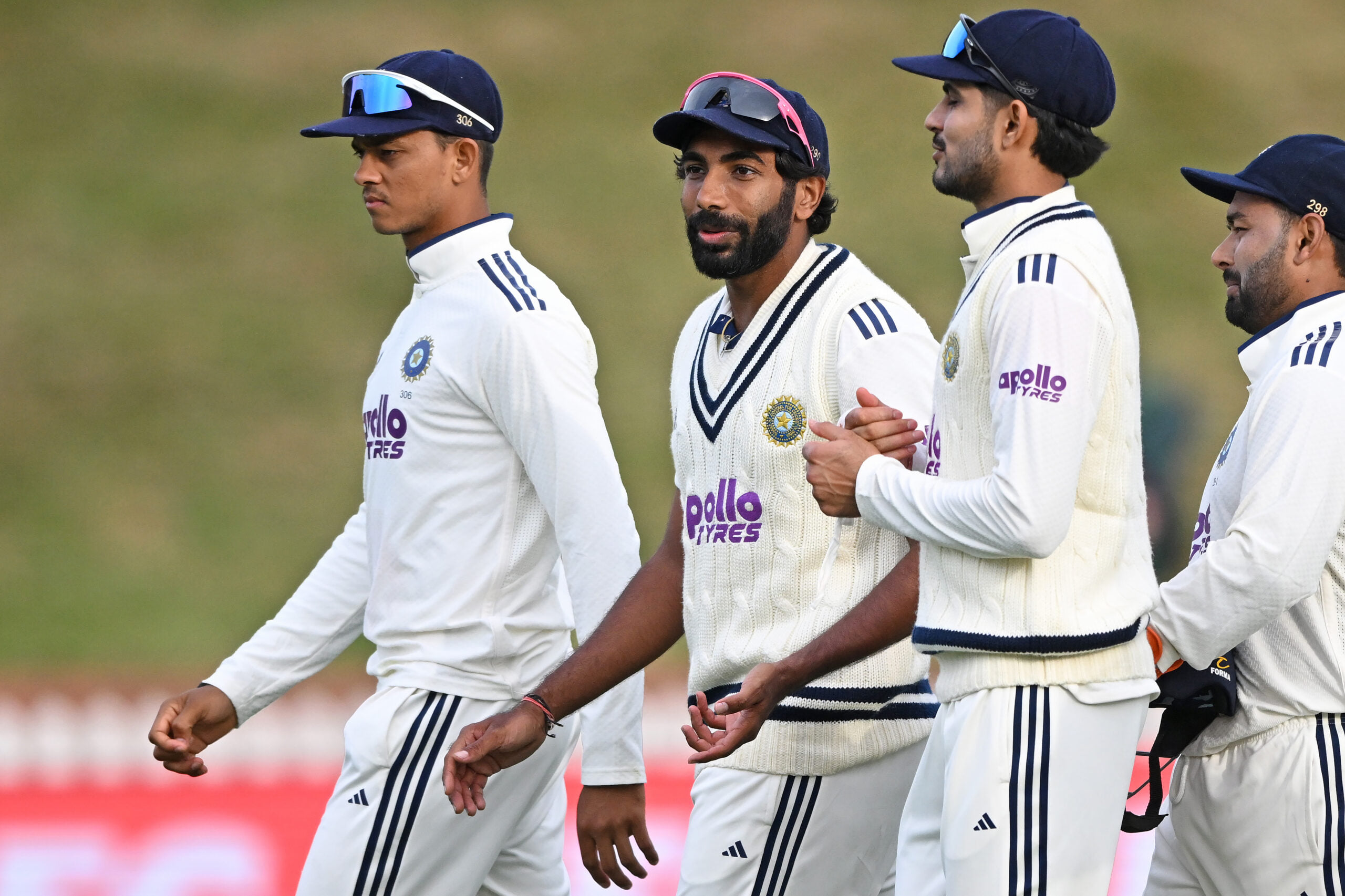
(Courtesy : Getty Images)
Mohammed Siraj and Ravindra Jadeja’s absence raises questions around India’s bowling.
India’s bowling attack has struggled to take 20 wickets in the ongoing Test series against New Zealand. Despite having experienced players like Jasprit Bumrah, Mohammed Siraj and Ravindra Jadeja in the squad, the team management has faced questions over their bowling combination and selection decisions.
The problem first became clear during the opening Test at the Basin Reserve in Wellington. India scored 720/9d and took a 352-run first-innings lead. However, the bowlers failed to dismiss New Zealand in the final innings, as the hosts batted for 120 overs and finished at 239/5 to secure a draw.
India faced another challenge in the second Test at Hagley Oval in Christchurch. After winning the toss and choosing to bowl, the visitors allowed Tom Latham and Devon Conway to put together a 77-run opening partnership. Although Akash Deep picked up two wickets, Tom Blundell and Glenn Phillips helped New Zealand reach 246/5 at the end of Day 1.
There are a few reasons why India’s bowling attack has not been able to make the most of its opportunities in the series, and here we take a look at that.
What are reasons behind India’s bowling struggles?
Catch Every Update, Anytime, Anywhere
1. Adapting to the Kookaburra ball
Indian bowlers are more familiar with the SG ball used in home Tests. In New Zealand, they have to work with the Kookaburra ball, which requires a different approach. Once the ball loses its shine, bowlers need to depend more on accuracy and patience to create wicket-taking chances.
2. Absence of experienced players
Mohammed Siraj and Ravindra Jadeja have not played either of the first two Tests. Siraj brings experience in overseas conditions, while Jadeja offers both bowling options and batting depth. Their exclusion has raised questions about the team’s selection decisions.
3. Flat pitch conditions
The Wellington pitch became easier for batting as the match progressed. India’s bowlers found it difficult to get movement and take wickets once the surface became flat. This allowed New Zealand to bat for long periods and save the Test.
4. Lack of patience from the bowlers
India’s bowling coach Morne Morkel has also spoken about the need to remain patient. Instead of trying to take a wicket with every delivery, the bowlers need to maintain their line and length and put pressure on the batters over several overs.
India’s bowling problems are not limited to pitch conditions alone. The team also needs to find the right combination and give their bowlers clear roles. With New Zealand showing that it can bat for long periods, India will need a more consistent bowling performance to take control of the series.
Why are Mohammed Siraj and Ravindra Jadeja not playing?
The team management preferred other bowling combinations for the first two Tests, although their selection decisions have faced criticism.
Who replaced Prasidh Krishna in the second Test?
Gurnoor Brar replaced Prasidh Krishna and made his Test debut in Christchurch.
For more updates, follow Khel Now Cricket on Facebook, Twitter, Instagram, Youtube; download the Khel Now Android App or IOS App and join our community on Whatsapp & Telegram.