
Key takeaways from India's AFC U-20 Asian Cup qualification campaign
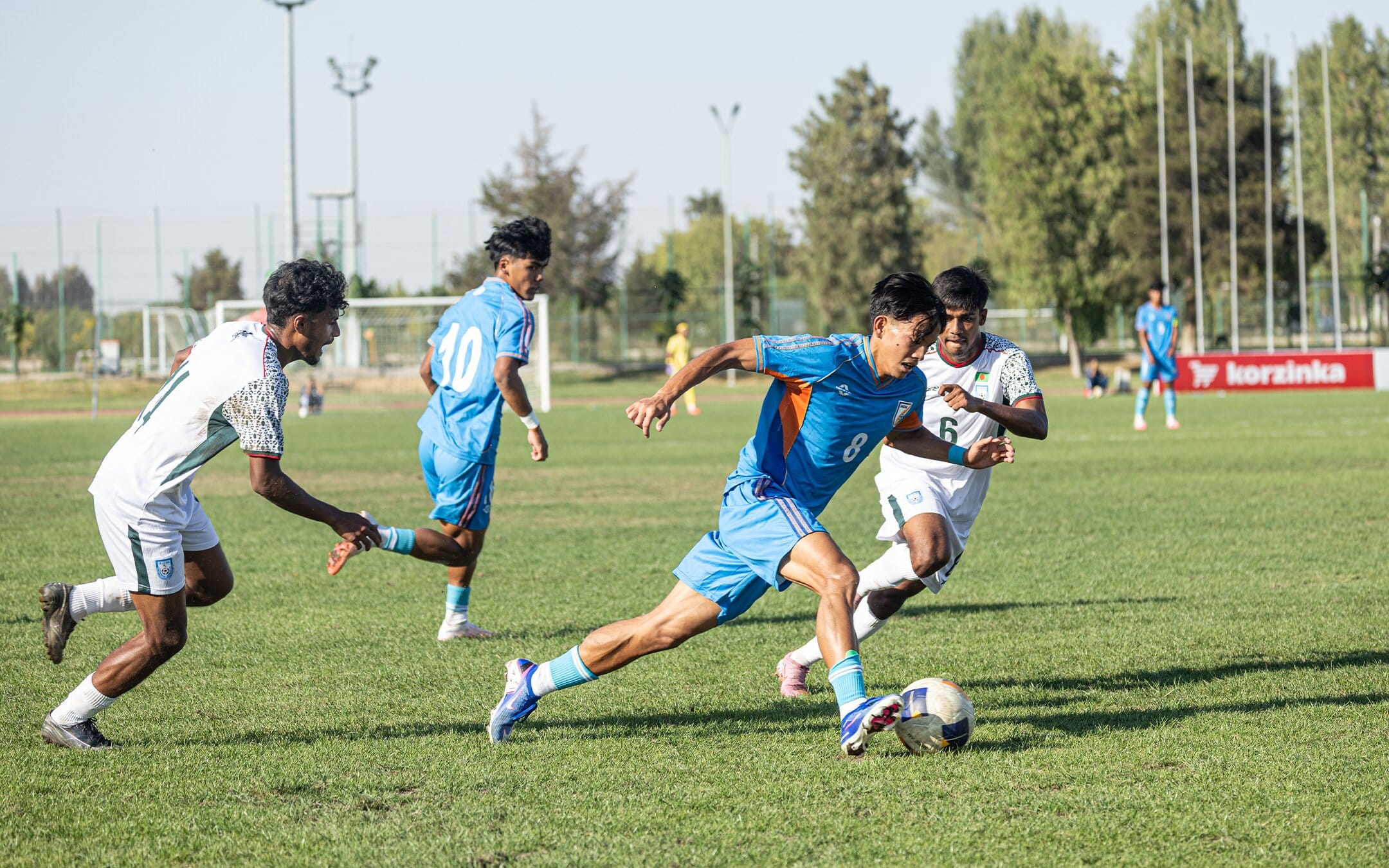
The Blue Colts secure their qualification for the main tournament after 20 years.
India U-20 have qualified for the 2027 AFC U-20 Asian Cup after being able to gain a dominant 3-0 win over Bangladesh U-20 in their final group game on Sunday (September 6, 2026).
As the Blue Colts were able to win two of their three group matches in the qualification period, they finished as the runners-up of their group behind hosts Uzbekistan U-20 and were able to secure direct qualification into the U-20 AFC Asian Cup.
As a result, India U-20 will now be playing in the U-20 Asian Cup for the first time since 2006 – when they themselves hosted the tournament. It’s only vindication of how far the youngsters have come under the guidance of Mahesh Gawli, who has been able to ensure their direct qualification for an U-20 Asian Cup outside India for the first time since 2004.
India U-20 produced some solid performances in their qualification matches, keeping two clean sheets and scoring four goals across the three games as well.
There were definitely some ups and downs in their overall qualification period, but the youngsters showed a lot of character to be able to come back from adversity to win two games and secure qualification into the main tournament.
The Blue Colts’ performances also caused some major things to be learnt about Mahesh Gawli’s side, in terms of their strengths and aspect they must improve on to be able to strongly compete with Asia’s best. Here, we look at the four takeaways from India’s 2027 AFC U-20 Asian Cup qualification campaign.
Catch Every Update, Anytime, Anywhere
4. Set-piece shakiness a factor to be improved upon

The India U-20 side looked to be pretty good when it comes to their build-up play and movement through open play, but their work on set-piece situations still left much to be desired for the fans. The Blue Colts weren’t really able to score any notable goals from corners or free-kicks, failing to impose pressure on their opponents from such situations.
They looked vulnerable on set-pieces in the loss to Uzbekistan U-20, with the physical Uzbekistan youngsters hassling them in such situations and also scoring multiple times from set-pieces.
Gawli needs to make his India U-20 side sharper when it comes to defending set-pieces, as well as trying to create chances from those situations. The Blue Colts need to be more innovative in their delivery and execution from corners and free-kicks are, enabling them to create more chances from these scenarios.
They also need to be stronger in winning duels and making key clearances when defending from this situation for the Blue Colts to be able to hold their own against teams strong on set-pieces.
3. Promising midfielders mark bright view for future

The encouraging aspect of India’s performances at the U-20 AFC Asian Cup qualifiers is that their midfielders weren’t regressive, just sitting back and helping their defence. Instead, Gawli actually urged his midfield players to be way more aggressive in taking the fight to their opponents in the matches. Rather than just sitting back in their own half and soaking pressure, the Indian young midfielders looked to be sharp with their pressing and win back the ball in key positions.
They were also eager to carry the ball into the danger zones and not afraid at all of making clever runs into the final third to enhance India U-20’s overall goal threat.
That is probably why it isn’t surprising that three of India U-20’s four goals scored in the qualifiers came from their midfielders in skipper Shami Singamayum, Danny Meitei and Md Arbash. Gawli is clearly allowing his no.8 or no.10 assets to make clever runs into the opposition penalty box and try to convert chances emphatically rather than creating them all the time, adding a new dimension to the Indian goal threat.
2. Lack of clinical no.9 a concern for India U-20
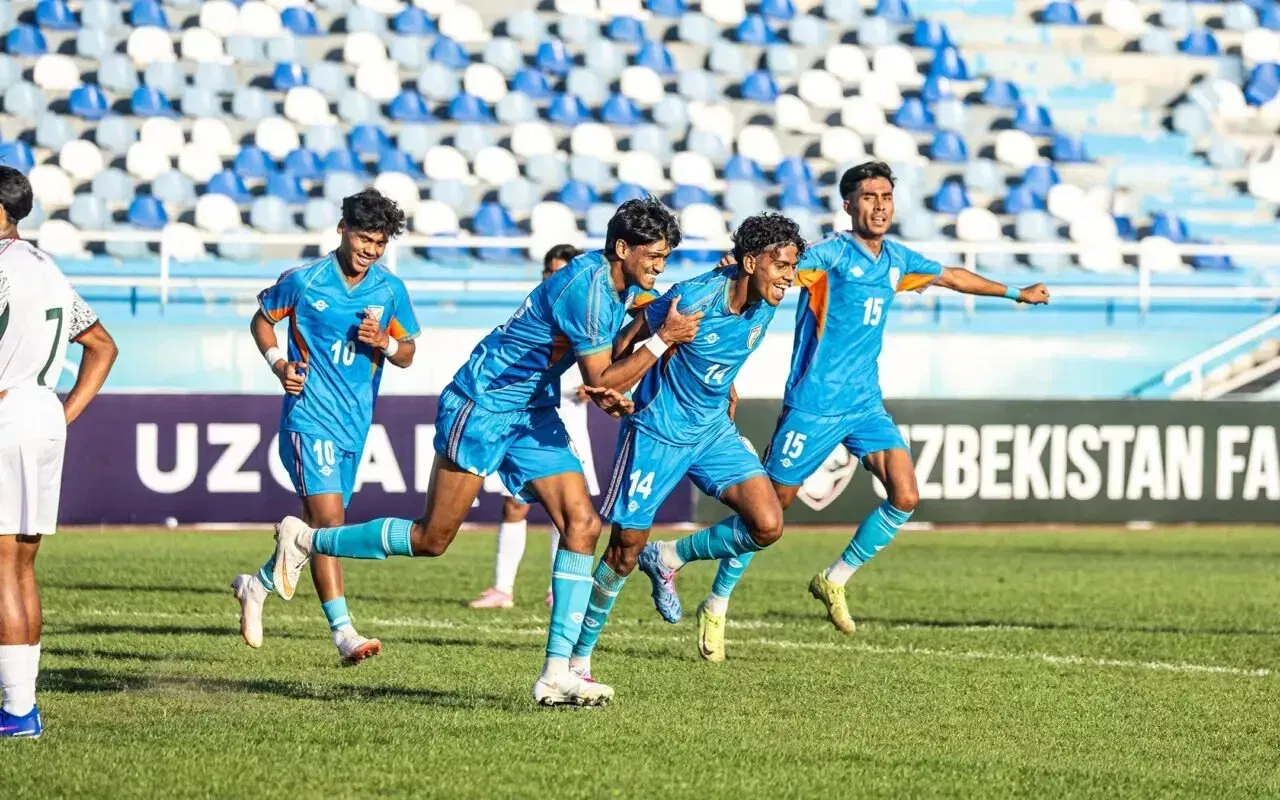
While India did play some eye-catching attacking football in their U-20 Asian Cup qualifiers, especially in the clash against Bangladesh U-20, they weren’t able to see their player up front convert any of the chances. Hateem Ali, who plays for UAE side Shabab Al-Ahli, was chosen as the one to spearhead the Indian frontline and operate as their no.9 in the qualifiers.
To his credit, the young striker was able to make good use of his physicality to at least help with the link-up play going forward – but he wasn’t really all that compelling when it comes to the final product.
Ali couldn’t score a single goal in the qualifiers and was actually pretty frustrating in failing to convert a few chances that did come his way. The reality is that India U-20 needs a prolific goal-scorer up front for them to be more clinical in matches against prominent opponents going forward.
It’ll be a big challenge for Gawli to find a way for his side to score regular goals through their centre-forward and be more clinical going forward.
1. Variety of goal options a positive asset for India U-20
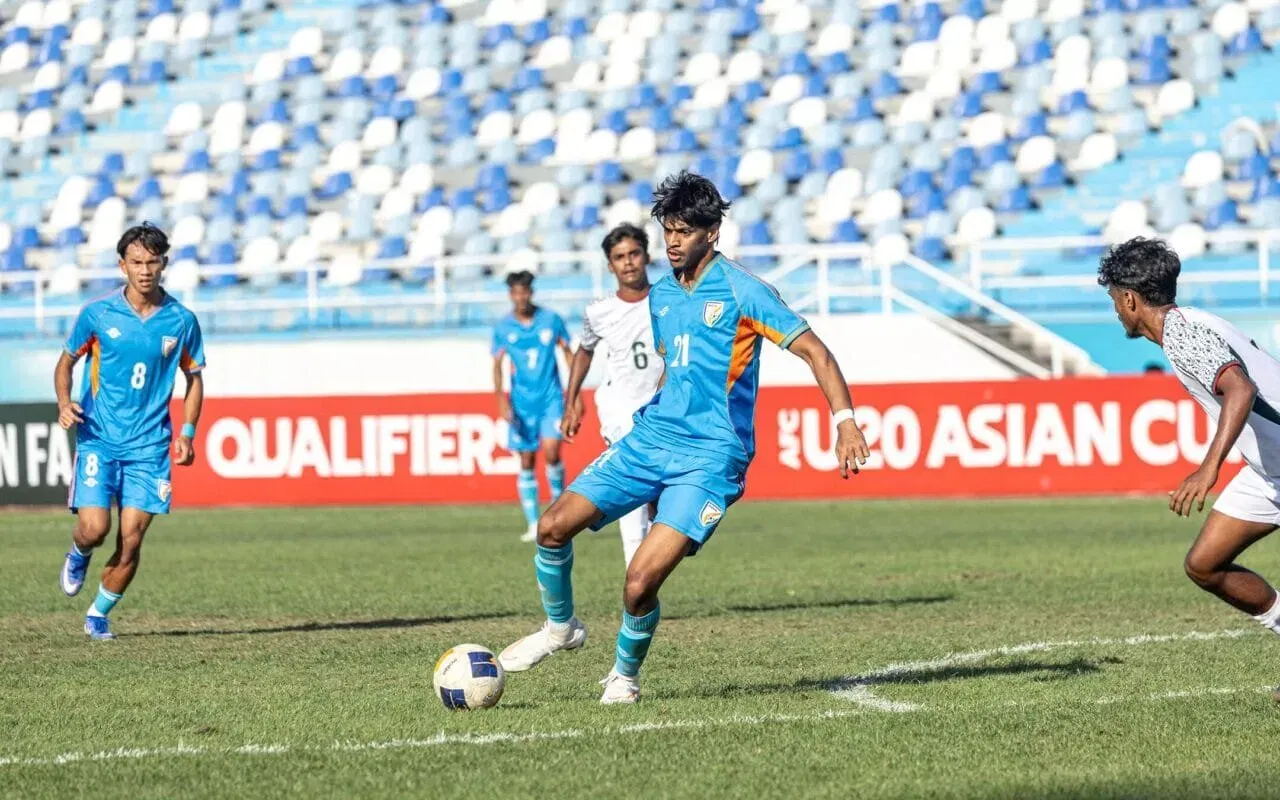
India U-20 might not have been the most dominant in their performances at the U-20 Asian Cup qualifiers, but they were definitely decisive when it mattered the most in their two wins. Mahesh Gawli must’ve been proud of how composed and efficient his players were in front of goal to score those four goals in three matches, not letting nerves hold them back in the important moments.
A major positive from the Blue Colts’ performances is that it proves there are a lot of possible match-winners and goal outlets in the current India U-20 side. All their goals were scored by different players, with no player scoring more than one.
While the Blue Colts would want their strikers to be more clinical to get multiple goals across such tournaments, the fact that they have multiple players to rely on for goals is definitely a major boon. Gawli can now rely upon multiple attacking players to come up with the goods in front of goal for his side and pick up India with decisive contributions in key moments.
As long as the Indian youngsters can keep honing their goal-scoring prowess, they should be able to win more matches in compelling fashion going forward.
Did India U-20 qualify for the AFC U-20 Asian Cup 2027?
Yes, India U-20 secured direct qualification for the AFC U-20 Asian Cup 2027 after finishing second in their qualifying group behind hosts Uzbekistan U-20.
When did India U-20 last play in the AFC U-20 Asian Cup?
India U-20 last featured in the AFC U-20 Asian Cup in 2006, when India hosted the tournament.
For more updates, follow Khel Now on Facebook, Twitter, Instagram, Youtube; download the Khel Now Android App or IOS App and join our community on Whatsapp & Telegram.