
Decoding the Downfall of Maharashtra Men’s Football Part 2: Illusion of Progress (2010-2020)
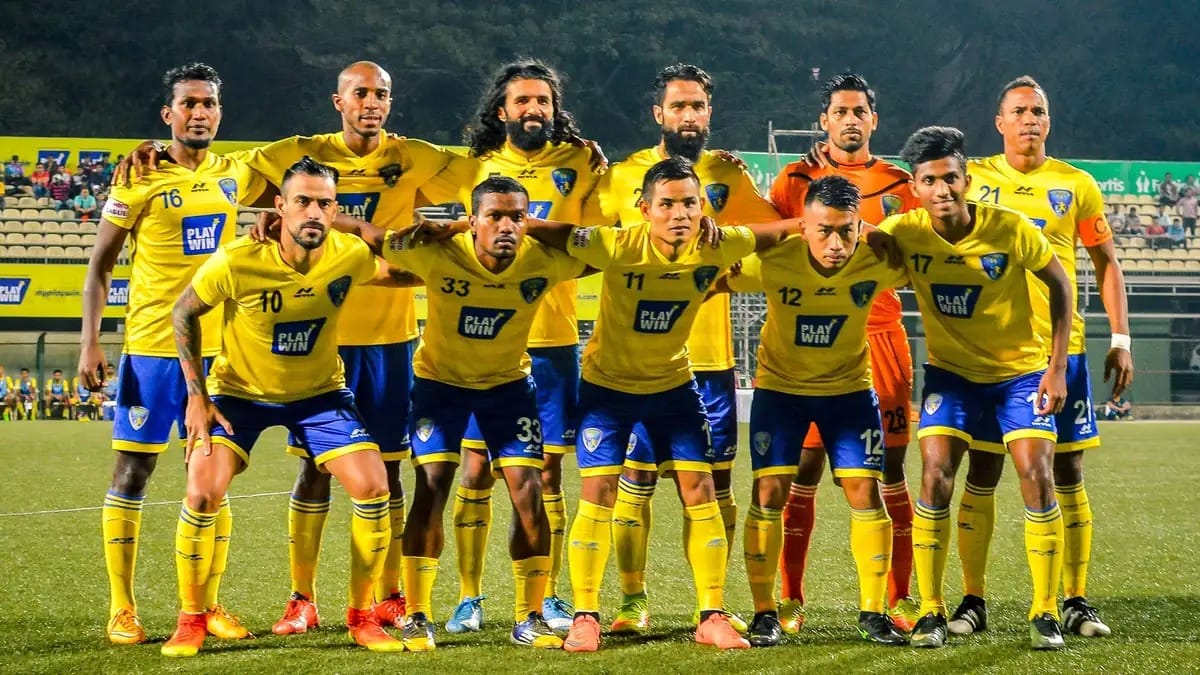
A decade that promised growth in Maharashtra football but delivered confusion.
By the end of 2010, men’s football in Maharashtra had lost two of its key pillars with the stoppage of the Rovers Cup and the disbanding of Mahindra United, but a new era was coming with the establishment of Pune FC as a regional force and the advent of the Indian Super League (ISL).
The state, with its infrastructure and commercial pull, was well placed to benefit from the professionalisation of the sport, but the decade that followed would be defined by short-term thinking, poor community engagement, and misplaced optimism.
Catch Every Update, Anytime, Anywhere
Pune FC and Mumbai FC: The Last Meaningful I-League Pathways
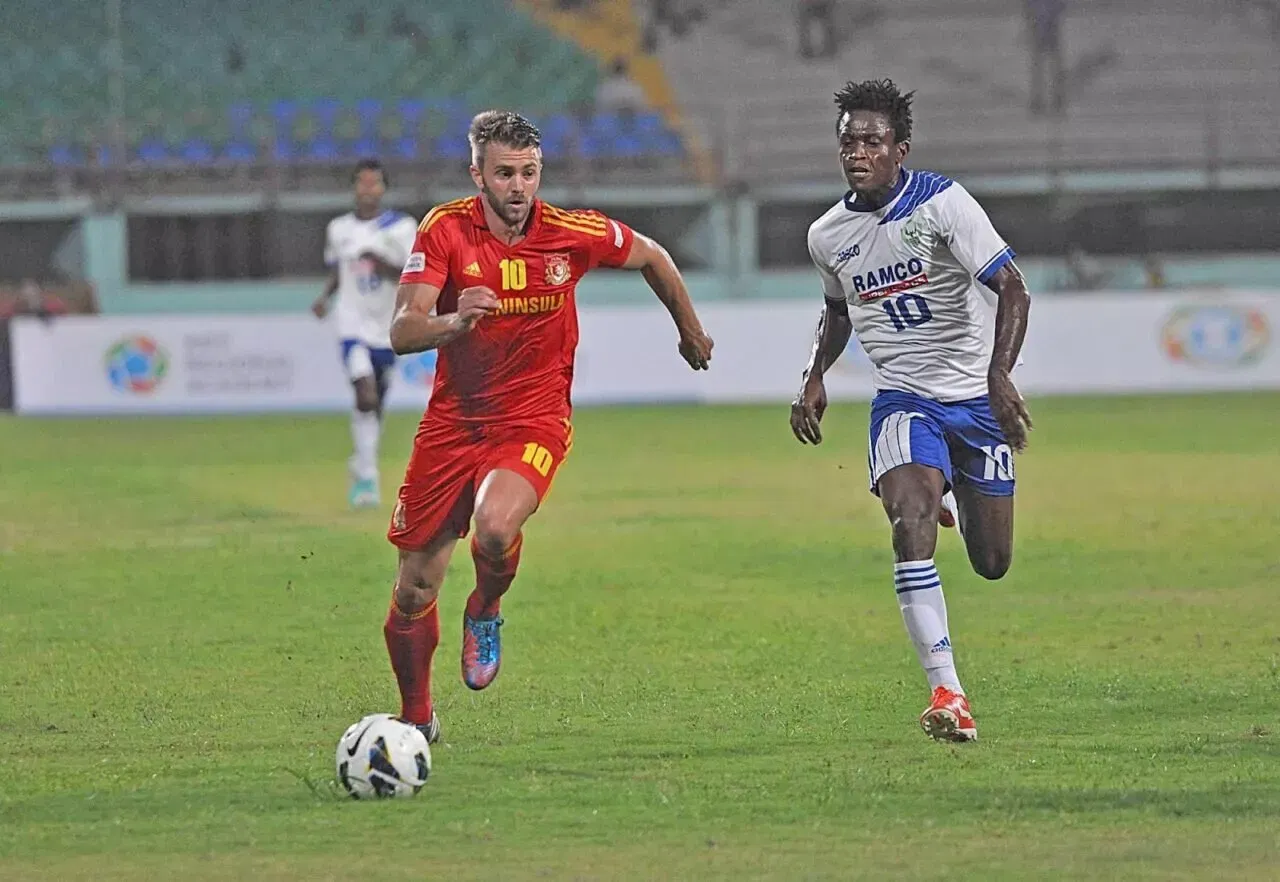
When the National Football League was rebranded as the I-League, the All India Football Federation (AIFF) had instructed clubs to comply with the Asian Football Confederation’s (AFC) licensing criteria, enabling the full professionalisation of the sport in the country.
Unfortunately, the institutional clubs were unable to comply due to their public sector structures, and that meant Air India could not play in the top flight anymore.
The shock of losing two iconic clubs in the space of a few years was absorbed by two functional I-League clubs that offered regional players a legitimate professional pathway.
Pune FC and Mumbai FC went about their business without too much fuss, training year-round, playing full league calendars, and recruiting locally to an extent. For players emerging from district leagues, college football, or state teams, these clubs represented a clear and credible next step.
Under the tutelage of Derrick Pereira, Pune FC finished in the top five every season, even going on to play an AFC Champions League qualifier in early 2014. The club’s problems lay off the field, where they were unable to build a local football culture due to limited fan engagement, the remote location of their home venue from the city, and a lack of local, national, or foreign star players.
These factors, coupled with the club management’s financial concerns over the long-term viability of the I-League, led to Pune FC shutting shop in 2015.
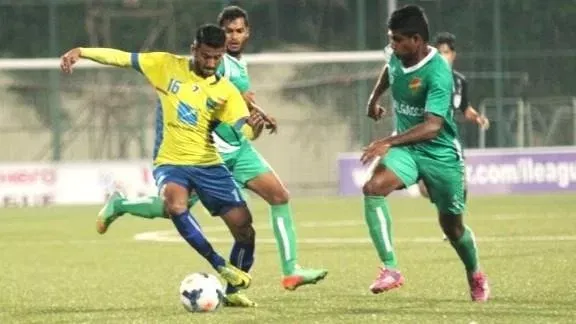
In 2007, Mumbai FC stepped in to fill the void created by Mahindra United, roping in Englishman David Booth and assembling a team of experienced Indian internationals and upcoming local talent to dominate the city league before qualifying for the I-League in a year’s time.
Booth led the club to a respectable seventh-place finish before he and his staff were poached by the newer version of Mahindra United at the end of the season. Fresh off announcing his retirement, midfielder Khalid Jamil was given the reins, and he successfully maintained the club’s I-League status during his seven years after multiple relegation battles and a few mid-table finishes.
Also Read: Decoding the Downfall of Maharashtra Men’s Football Part 1: Success Without Succession (2000-2010)
Operating on tighter budgets, Mumbai FC fulfilled an important role under Jamil of keeping football alive in Maharashtra’s cricket-crazy capital. Cooperage Stadium was once again home to an I-League club, and the community responded by attending matches by the hundreds, if not thousands.
The club also gave a pathway to local talent like Keegan Pereira, Darren Caldeira, Ashutosh Mehta and Jayesh Rane, who went on to have successful careers in Indian football.
“I never thought of taking up football professionally until I got into the Mumbai FC U19 team but it happened because a clear pathway allowed me to continue developing and break into the first team,” said midfielder Rane. “At the time, there were many teams at a good level in Mumbai including I-League clubs so I did not have think about leaving the city or state to continue my professional career.”
Jamil’s departure in 2016 led to the appointment of Santosh Kashyap and then Oscar Bruzon, who presided over Mumbai FC’s bottom-place finish and subsequent relegation. That turned out to be the final straw for a club struggling with financial issues, and the management decided to wind up their operations instead of competing in the lower tiers.
Bharat FC and DSK Shivajians: Boom and Bust
While Pune FC and Mumbai FC ploughed on in search of success, a second tier of clubs attempted to break through with ambition and private investment. Bharat FC and DSK Shivajians entered the ecosystem with differing philosophies but met the same structural limitations.
Encouraged by the possibilities of private capital after Bengaluru FC’s stunning debut season, the AIFF opened another round of bids for corporate entry into the I-League, and the Pune-based Kalyani Group put in the victorious bid, creating Bharat FC.
After spending around 12 crore rupees to build the team and signing experienced Indian internationals like Gouramangi Singh, Mehrajuddin Wadoo, Syed Rahim Nabi, and Steven Dias, Bharat FC won four of their 20 I-League matches and finished bottom of the table. Although they had immunity from relegation, the club management decided to pull the plug on the whole project, citing a lack of return on investment.
DSK Shivajians was a rebranded corporate entity of the local legacy club Shivajians, who had established themselves as a local powerhouse in the Pune District leagues. After the takeover by real estate giants DSK Group, the club built professional infrastructure and partnered with Liverpool FC to run their academy.
This youth setup helped launch the careers of Amey Ranawade and Puitea while also giving first-team opportunities to local and regional talent like Rohan Adnaik, Indrajit Chougale and Shrikant Molangiri.
After a few unsuccessful attempts to qualify for the I-League through the lower tiers, DSK Shivajians opted for the corporate entry route and entered the top tier in the 2015-16 season. With a relatively young squad, the club finished bottom of the table but was protected by immunity to relegation. The following season, they did slightly better and finished seventh.
By this time, off-field issues had crept in, and it all came to a head when the owners were arrested for defaulting on payments to investors, and this collapse hit the club hard. Players mid-career were left without contracts, youth prospects were scattered, and a rare attempt at long-term planning fell apart at the seams.
ISL comes to Maharashtra: Mumbai City FC and FC Pune City
The arrival of the Indian Super League promised to usher in a new golden age of Indian football, and in Maharashtra, it gave birth to Mumbai City FC and FC Pune City in 2014. Initially, both clubs appeared well-positioned to anchor the state’s footballing future with fan engagement, marquee players, corporate backing, and an ecosystem familiar with functioning professional football.
The immediate positives that the two franchises brought were improved training standards, upgraded facilities, and access to a professional environment for local players.
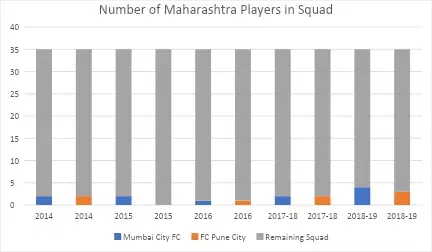
However, the limitations of the franchise model soon became apparent as they prioritised short-term competitiveness over long-term integration. As depicted in the graph above, in the first seasons of the ISL, Mumbai City registered 2, 2, 1, 2, and 4 Maharashtra players in their first team squad, while FC Pune City had 2, 0, 1, 2, and 3.
FC Pune City, in particular, struggled to define an identity after failing to embed itself in the city’s football culture. Within five years, the owners sold their sporting licence, and the franchise relocated to Hyderabad.
As of mid-January 2026, Mumbai City FC are still active, albeit a tad bit financially poorer after the exit of their majority stakeholders, City Football Group, but even they have struggled to create pathways for local talent into the first team.
Rane, who left Mumbai FC in 2016, went on to win the I-League with Aizawl FC and the ISL with Chennaiyin FC and ATK, before a homecoming with Mumbai City FC in 2023 brought another title.
“The only thing that has changed since I left all those years ago is the lack of teams from Maharashtra at the I-League level. With so many players from the state and just one club in the top two tiers, it is very difficult for them to get a platform to show their talent and make a career in football,” he said.
The Broader Picture: Gaining Football, Losing Direction
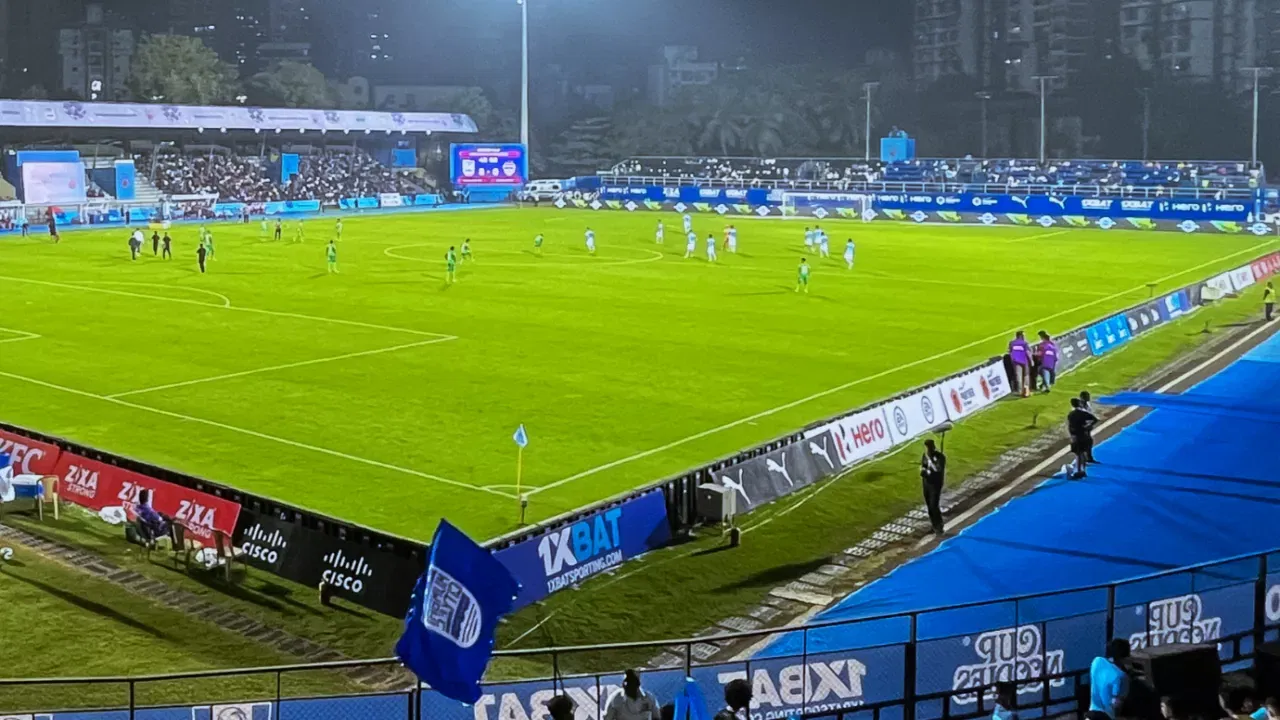
Beyond clubs and leagues, the 2010s were marked by increased footballing activity across Maharashtra. The Andheri Sports Complex, or Mumbai Football Arena as it is also known, became Mumbai City FC’s home stadium, signalling a shift from a multipurpose event venue to a football-specific stadium.
The new and improved Mumbai Football Arena also hosted international tournaments like the Hero Tri-Nation Series in 2017 and the Hero Intercontinental Cup in 2018, the latter making the headlines for THAT Sunil Chhetri video, after which fans responded by selling out the remaining matches.
The stadium also hosted the ISL final in 2019, which saw Bengaluru FC defeat FC Goa with an extra-time goal from local boy Rahul Bheke.
But beneath the surface, familiar problems persisted. District leagues outside Mumbai became box-checking exercises for the local governing bodies whose priorities lay in holding on to power. The 2015-16 Santosh Trophy runners-up finish briefly suggested a resurgence but became an outlier as subsequent campaigns saw early exits.
By the end of the 2010s, Maharashtra football had simply thinned out as clubs came and went, stadiums were lit up for television, but the pathways that once sustained the state were either fragile or gone altogether.
The decade that came next would strip away whatever illusion of progress remained. Santosh Trophy campaigns would expose the depth of the problem, professional opportunities would narrow further, and even the last remaining bastions of top-level stability would come under threat.
Part III traces how Maharashtra football entered the 2020s with visibility but no backbone, and why the consequences of that imbalance are now impossible to ignore.
For more updates, follow Khel Now on Facebook, Twitter, Instagram, Youtube; download the Khel Now Android App or IOS App and join our community on Whatsapp & Telegram.