
Understanding FIFA eligibility criteria: How to represent national team?
FIFA allows players to play for representative teams.
With the FIFA World Cup 2026 currently ongoing and India once again missing out on the footballing festival, the questions are once again the same. When will India play the FIFA World Cup?
Recently as exclusively reported by Khel Now, there has been a positive development with regards to a Sports Passport, which could help the OCI/PIO players to represent the country efficiently in the coming future.
From diaspora stars like Yan Dhanda being linked with India to big players like Declan Rice and Brahim Diaz already making the switch to other nation, the FIFA eligibility criteria is often very misunderstood.
In this article, we take a look at the FIFA’s eligibility regulations on how a player can represent a national team.
No nationality, No eligibility
Catch Every Update, Anytime, Anywhere

The most simple and important rule is that without nationality, there is no eligibility.
A footballer must hold the permanent nationality of the nation before they represent them on an international stage. Just being eligible to apply for citizenship or being close to receiving the passport is not enough.
This is exactly why only OCI cards do not make a footballer eligible to represent India. FIFA only recognises a permanent passport as the proof of citizenship.
FIFA competition regulations consistently state that proof of “nationality” is only provided through the holding of a “permanent international passport”. By way of example, article 19 paragraph 3 of the Regulations for the FIFA World Cup Qatar 2022 Preliminary Competition provides:
“The only document considered to be valid proof of a player’s identity and nationality shall be a permanent international passport that explicitly, and in Latin characters, states the player’s first name(s) and surname(s), as well as his day, month and year of birth. Identity cards or other local supporting official documents shall not be accepted as a valid means of identification…”
A passport is not always enough
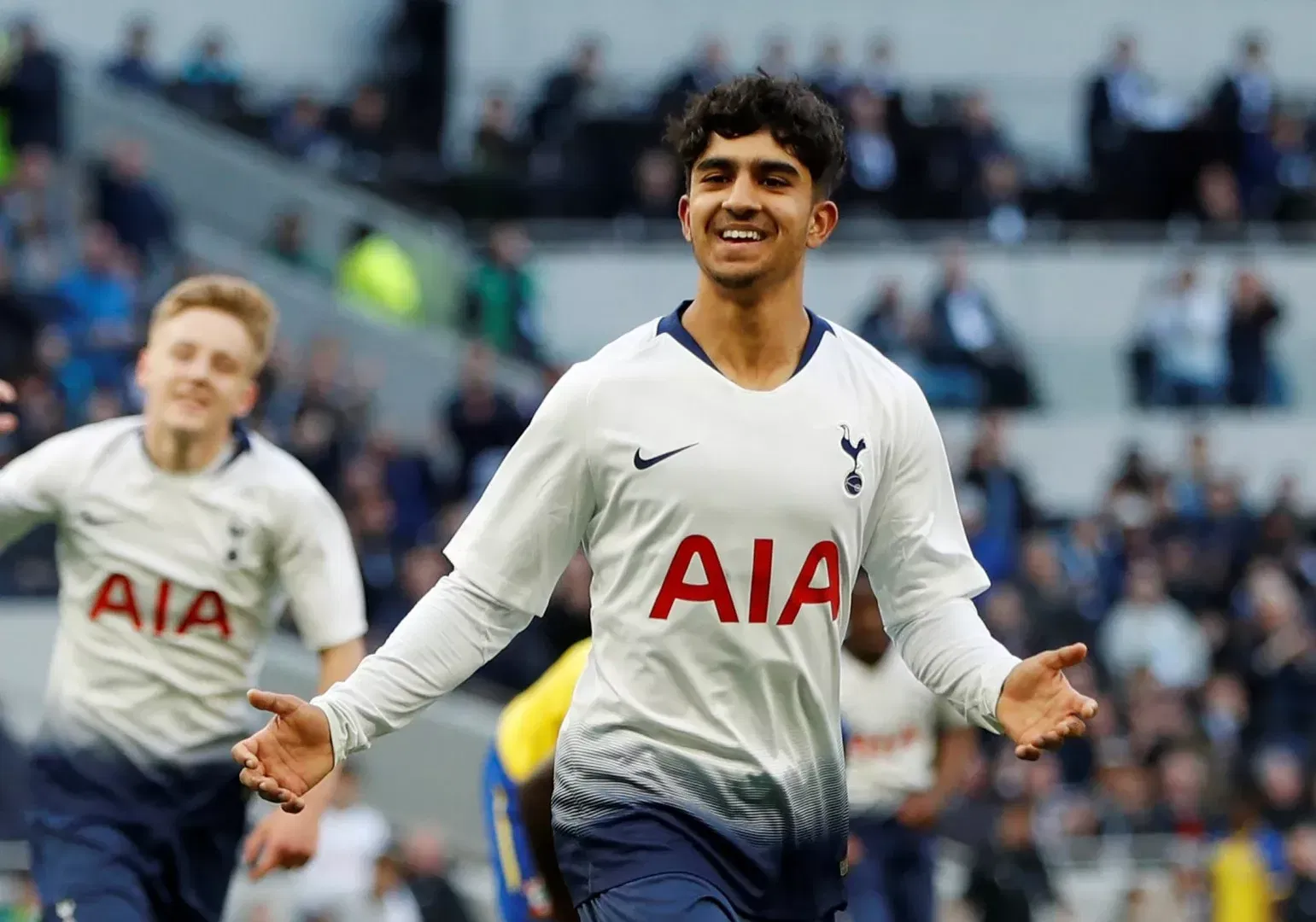
Well receiving a passport is very essential, but it isn’t always enough. FIFA looks for a genuine connection between the player and the country.
There may be various kinds of genuine connections like players who already possess multiple nationalities through birth.
For example, they have a biological parent or Grandparent born there or have lived there continuously for at least five years. This is very important to understand that the criteria only go back till the biological Grandparent and not the Great Grandparent.
“Besides holding the nationality of the territory or country of the MA concerned, a player who is subject to article 7 is eligible to participate for the representative teams of that MA only if they meet at least one of the “genuine link” conditions provided in article 7 paragraph 1 (a) to (d).”
The term “biological” is very important in the FIFA regulations under article 6 paragraph 1 to prevent nationality shopping.
Without it, a talented player could be adopted by someone from another country just to gain eligibility for the national team, to prevent this it is very essential.
“The reference to “biological mother or biological father”, as opposed to simply “mother or father” is deliberate. This is a protective measure against abusive “nationality shopping”, preventing an adult or talented teenage footballer being legally adopted by an individual in a new country or territory to facilitate a change in “sporting nationality”.”
However, FIFA makes exceptions in genuine cases of adoption after reviewing the individual’s circumstances and connection to the nation and it is done by the Players’ Status Committee (PSC).
“In its most recent case, the PSC decided that an adoptive parent could substitute for a biological parent where: the player was adopted and moved country at three (3) months old; and, the player’s biological parents were deceased.”
So, we need to understand that not every Indian origin player is eligible to represent India, if they do not fulfill the genuine connection link, they are ineligible.
Now, for players who acquire citizenship later through naturalization, similar are the requirements. The footballer must have lived in the country for at least 5 years becoming eligible.
These rules exist to prevent countries from handing out passports purely to strengthen their sports teams.
Nationality entitling players to represent more than one association
According to article 6 paragraph 1, a player, who, under the terms of article 5, is eligible to represent more than one association on account of his nationality, may play in an international match for one of these associations only if, in addition to holding the relevant nationality, he fulfils at least one of the following conditions:
- He was born on the territory of the relevant association;
- His biological mother or biological father was born on the territory of the relevant association;
- His grandmother or grandfather was born on the territory of the relevant association;
- He has lived on the territory of the relevant association for at least five years.
“Regardless of par. 1 above, associations sharing a common nationality may make an agreement under which item d) of par. 1 of this article is deleted completely or amended to specify a longer time limit. Such agreements shall be lodged with and approved by the Council.”
Some examples

One of the biggest examples is of the star midfielder Declan Rice. Declan after representing the Republic of Ireland at youth levels and senior friendly level, switched to England.
This was only possible because his previous appearances for Ireland were only in friendly games, which meant he was not strictly tied to them under FIFA regulations.
Article 5 paragraph 3 provides the basis for which a player is tied to a “sporting nationality” associated with an MA for the duration of their representative team career.
There are several examples such as Aymeric Laporte, who became eligible to represent Spain in 2021 after obtaining Spanish nationality through the process of naturalization.
There are several other examples across national teams like Morocco, Qatar etc.
Acquisition of a new nationality
According to article 7 paragraph 1, any player who refers to article 5 paragraph 1 to assume a new nationality and who has not played international football in accordance with article 5 paragraph 3 shall be eligible to play for the representative teams of the new association only if he fulfils one of the following conditions:
- He was born on the territory of the relevant association.
- His biological mother or biological father was born on the territory of the relevant association.
- His grandmother or grandfather was born on the territory of the relevant association.
- He has lived on the territory of the relevant association:
- for players that began living on the territory before the age of 10: at least three years;
- for players that began living on the territory between the age of 10 and 18: at least five years;
- for players that began living on the territory from the age of 18: at least five years.
Does FIFA allow to play for representative teams?
Yes, FIFA allows to play for representative teams but only when the eligibility criteria is fulfilled.
Does having only an OCI card make an individual eligible to play for India?
Only OCI cards do not make a footballer eligible to represent India. FIFA only recognises a permanent passport as the proof of citizenship.
For more updates, follow Khel Now on Facebook, Twitter, Instagram, Youtube; download the Khel Now Android App or IOS App and join our community on Whatsapp & Telegram.