
EXCLUSIVE: Sports Ministry sends Sports Passport proposal to PM Modi's Office
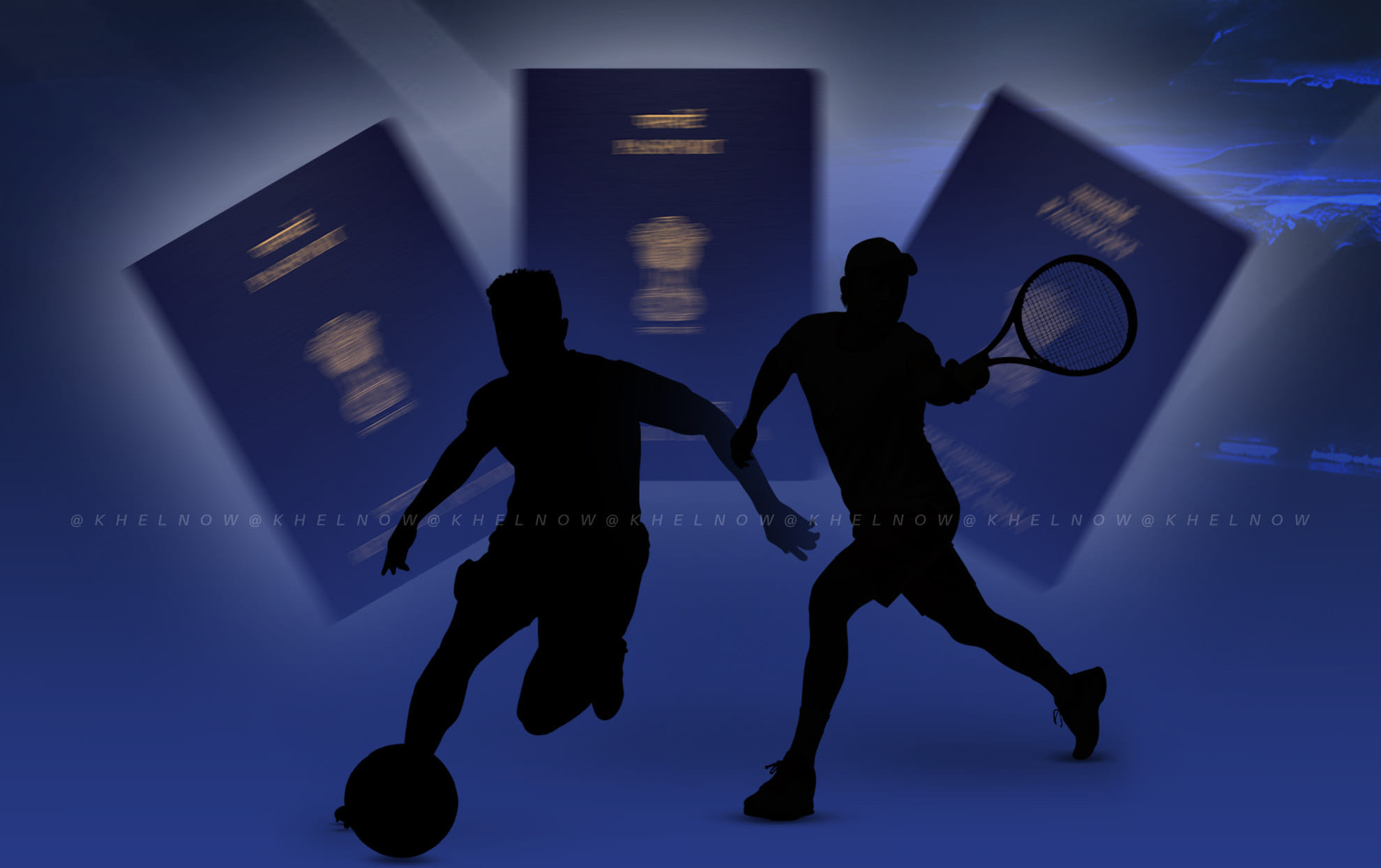
Move could open the door for PIO and OCI athletes to represent India across football, basketball, tennis and other sports.
A proposal that could reshape the future of Indian sport has reached the highest levels of government.
Khel Now can exclusively reveal that the Ministry of Youth Affairs and Sports has submitted a proposal to the Government of India seeking consideration of a Sports Passport framework that would allow eligible Persons of Indian Origin (PIO) and Overseas Citizens of India (OCI) athletes to represent India in international sport.
According to sources familiar with the matter, the proposal is being examined as part of a broader effort to improve India’s competitiveness across global sports, particularly in disciplines such as football, basketball and tennis, where several countries have successfully used sports naturalisation pathways to strengthen their national teams. The matter was recently discussed during the meeting between the Sports Minister, ISL clubs, and AIFF officials.
“Sports Ministry has sent a detailed proposal to the Government of India to consider a Sports Passport framework to boost India’s performance in global sports such as football, basketball and tennis. It is likely to take six to eight months before the Government of India makes a decision on the subject,” a source close to the developments told Khel Now.
The development comes at a time when India is preparing its bid to host the 2036 Olympic Games and faces increasing pressure to improve performances across major international competitions.
Why the proposal matters
The FIFA World Cup 2026 kicked off in North America this week with a record 48 nations competing. India, meanwhile, remains absent from football’s biggest stage.
The men’s national football team is currently enduring one of its most difficult periods in recent memory, having failed to qualify for the AFC Asian Cup for the first time in nearly a decade.
Against that backdrop, several players of Indian origin are representing other countries at the FIFA World Cup.
Among them are Sarpreet Singh (New Zealand), Samuel Moutoussamy (DR Congo), and Tahsin Jamshid (Qatar), all of whom have Indian roots. Jamshid still holds an Indian passport and represents Qatar via their Sports Passport.
For many within Indian football, their presence on the world stage has once again reignited debate around whether India should create a pathway for athletes of Indian origin who wish to represent the country.
AIFF President Kalyan Chaubey has been one of the strongest advocates of exploring that possibility.
During this week’s meeting involving Sports Minister Mansukh Mandaviya, ISL club representatives and AIFF officials, Chaubey once again raised the issue and urged clubs to consider signing PIO and OCI players.
Sources indicated that the federation has already identified a pool of 28 players who could potentially become part of India’s long-term plans if regulatory pathways are created.
The Ryan Williams example
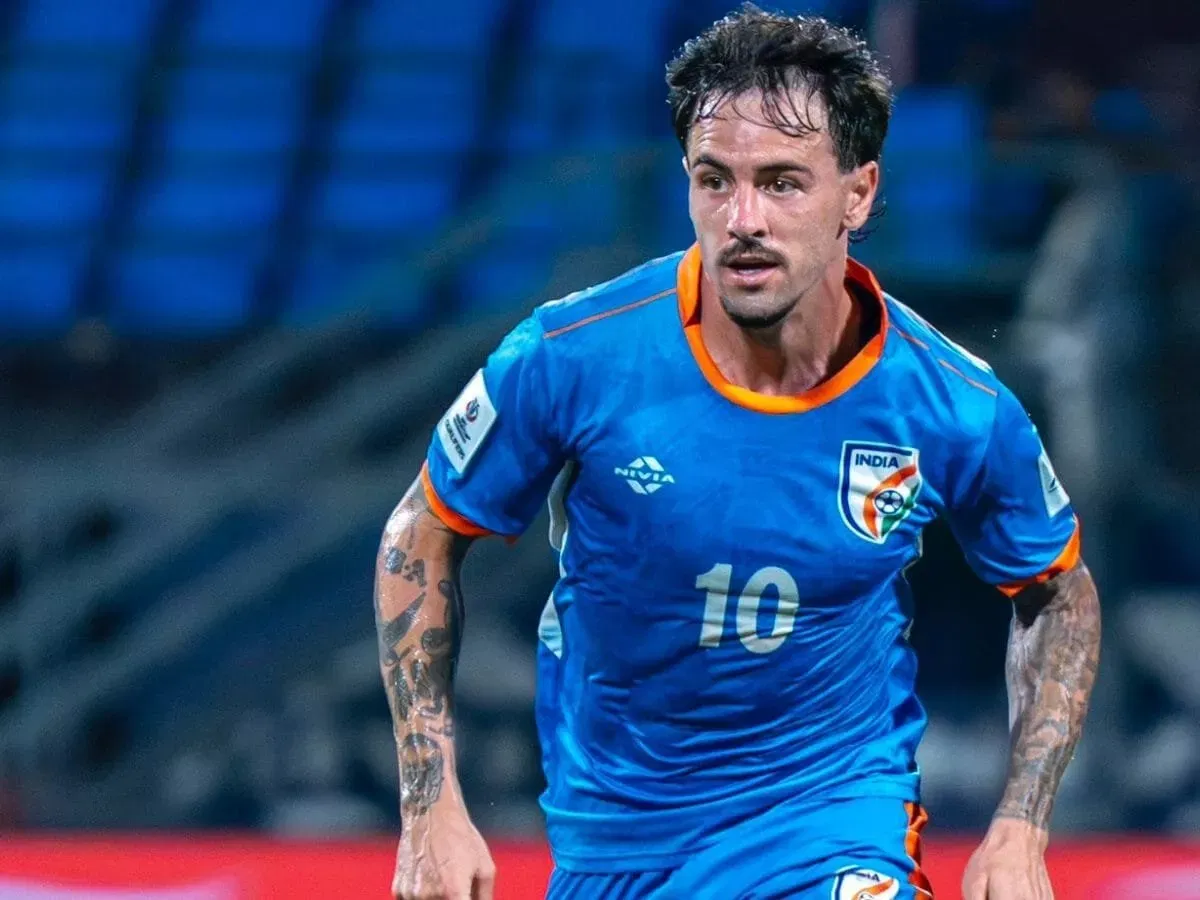
India does not permit dual citizenship, meaning players cannot simply switch sporting allegiance while retaining their original nationality.
Instead, they must surrender their foreign passport and obtain Indian citizenship before becoming eligible to represent the country.
That was the route followed by Bengaluru FC forward Ryan Williams.
Earlier this year, Williams renounced his Australian citizenship, acquired an Indian passport and became eligible to play for India. He later made his debut under Khalid Jamil and scored against Hong Kong.
Before Williams, Japan-born Arata Izumi had followed a similar route to become eligible for India back in 2012.
However, such cases remain rare because the process is lengthy and often requires significant personal and professional sacrifices.
What is a Sports Passport?
A Sports Passport is a mechanism that allows countries to fast-track or create special eligibility pathways for athletes who can contribute to national sporting objectives.
Different nations use different models.
Some grant full citizenship through accelerated procedures, while others create limited sporting eligibility frameworks without extending all rights associated with traditional citizenship.
The objective is simple: to improve the quality of national teams and enhance competitiveness at international events.
Supporters argue that such systems help countries tap into diaspora communities, attract elite talent and accelerate sporting development.
Critics, however, question whether national teams should rely on athletes developed outside their domestic systems.
Countries already using similar models
Catch Every Update, Anytime, Anywhere
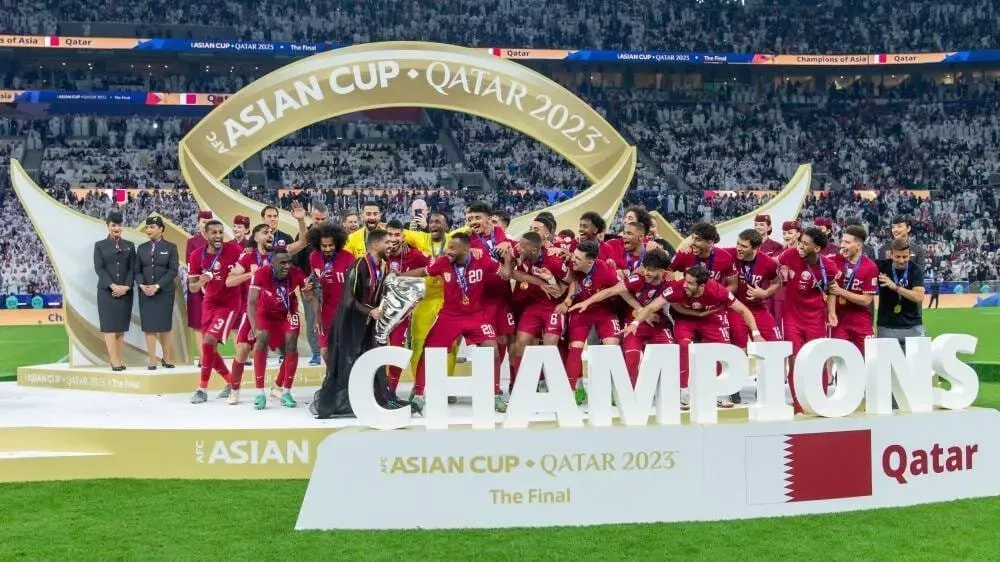
Several nations have adopted versions of the concept.
Qatar is perhaps the most well-known example. The country has used sports naturalisation extensively across football, athletics and handball as part of its wider sporting strategy. The approach played a role in Qatar’s AFC Asian Cup triumph in 2019 and helped build squads that competed on some of sport’s biggest stages, including the FIFA World Cup 2022.
Bahrain has followed a similar path in athletics, particularly by recruiting long-distance runners from East Africa.
Turkey has regularly granted citizenship to foreign-born athletes in wrestling, athletics, and weightlifting, while Spain has used exceptional citizenship provisions in select cases, most notably in basketball.
Hungary and Austria also maintain legal provisions allowing citizenship exemptions for individuals deemed to be in the national interest, including elite athletes.
A decision that could shape India’s sporting future
For now, the proposal remains under consideration.
Any change would require support beyond the Sports Ministry, with both the PMO and the Ministry of Home Affairs expected to play key roles in determining whether such a framework can be introduced.
What is clear, however, is that the conversation has moved beyond football.
For years, the debate around PIO and OCI athletes largely remained confined to individual sports federations. The Sports Passport proposal changes that.
For the first time, a framework that could affect multiple sports has formally reached the highest levels of the Indian government.
Update: Khel Now contacted SAI media, but officials refused to give any statement on this matter.
What is the Sports Passport proposal?
The Sports Passport proposal is a framework under consideration that could allow eligible PIO (Persons of Indian Origin) and OCI (Overseas Citizens of India) athletes to represent India in international sports through a special eligibility pathway.
Which government bodies are reviewing the proposal?
According to sources, the Ministry of Youth Affairs and Sports has submitted the proposal to the Prime Minister’s Office (PMO) and the Ministry of Home Affairs for consideration.
Why is India considering a Sports Passport?
The proposal is aimed at improving India’s competitiveness in global sports such as football, basketball and tennis by creating pathways for talented athletes of Indian origin to represent the country.
Will PIO and OCI footballers be able to play for India?
If approved, the proposal could create a mechanism for eligible PIO and OCI athletes to represent India, although the final structure and eligibility criteria are yet to be decided.
How long could it take for a decision to be made?
Sources indicate that the Government of India could take six to eight months to arrive at a decision on the proposal.
Which countries already use Sports Passport-style systems?
Countries such as Qatar, Bahrain, Turkey, Spain, Hungary and Austria have used fast-track citizenship or special eligibility pathways to strengthen their national teams in various sports.