
Inside Punjab FC’s rise: Changing football culture through youth development
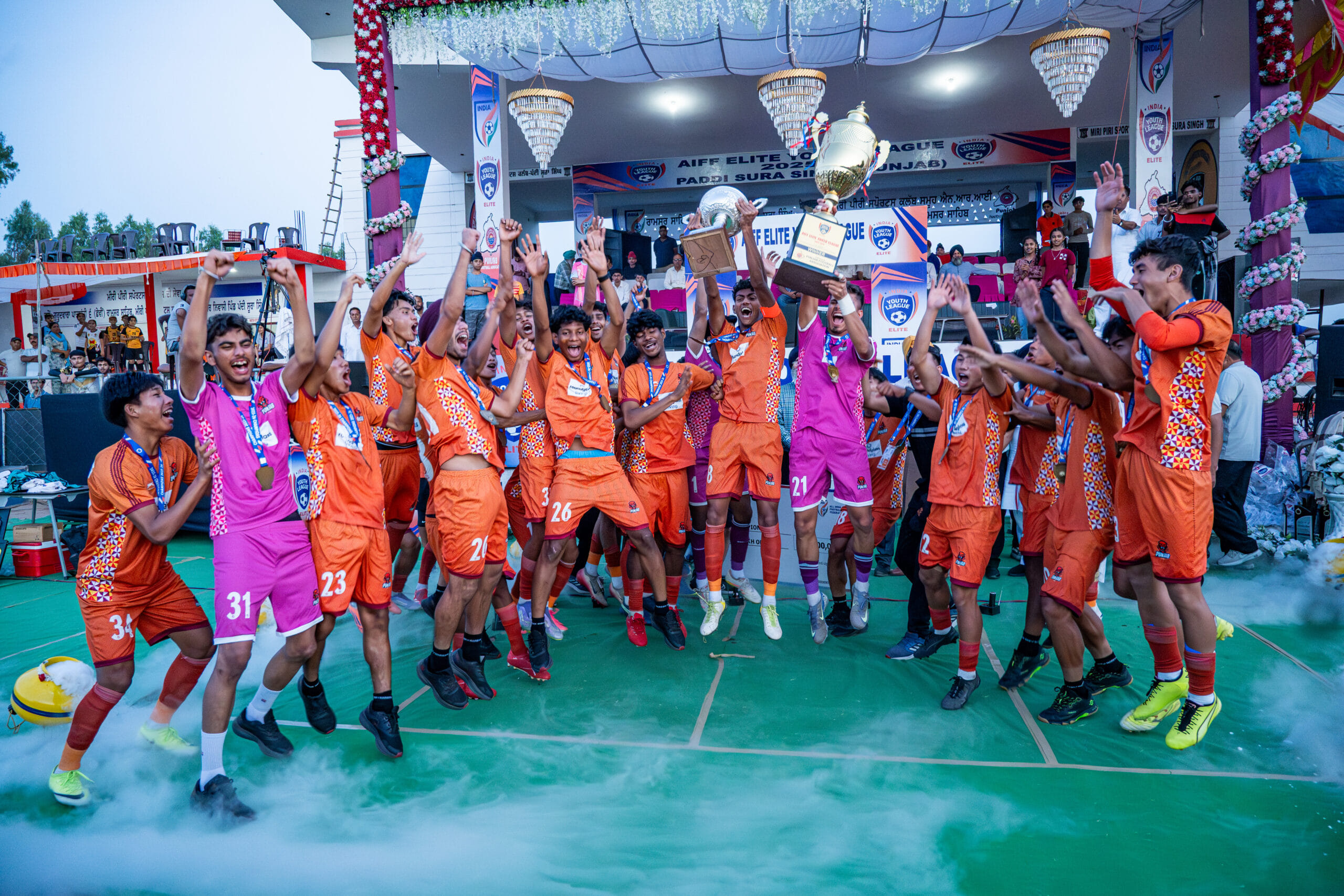
Punjab FC won AIFF Elite Youth League defeating Zinc Football Academy
On paper, Punjab FC’s 3–0 win over Zinc Football Academy in the AIFF Elite Youth League final reads as a dominant performance. In reality, it felt like something more revealing, a continuation of a process that has been unfolding across Punjab’s footballing landscape for several years.
While the final in Garhshankar delivered silverware, the foundations of that success were laid elsewhere, on training pitches, in smaller towns, and across a growing network of development centres spread throughout the state.
Focus on expanding grassroot
Catch Every Update, Anytime, Anywhere
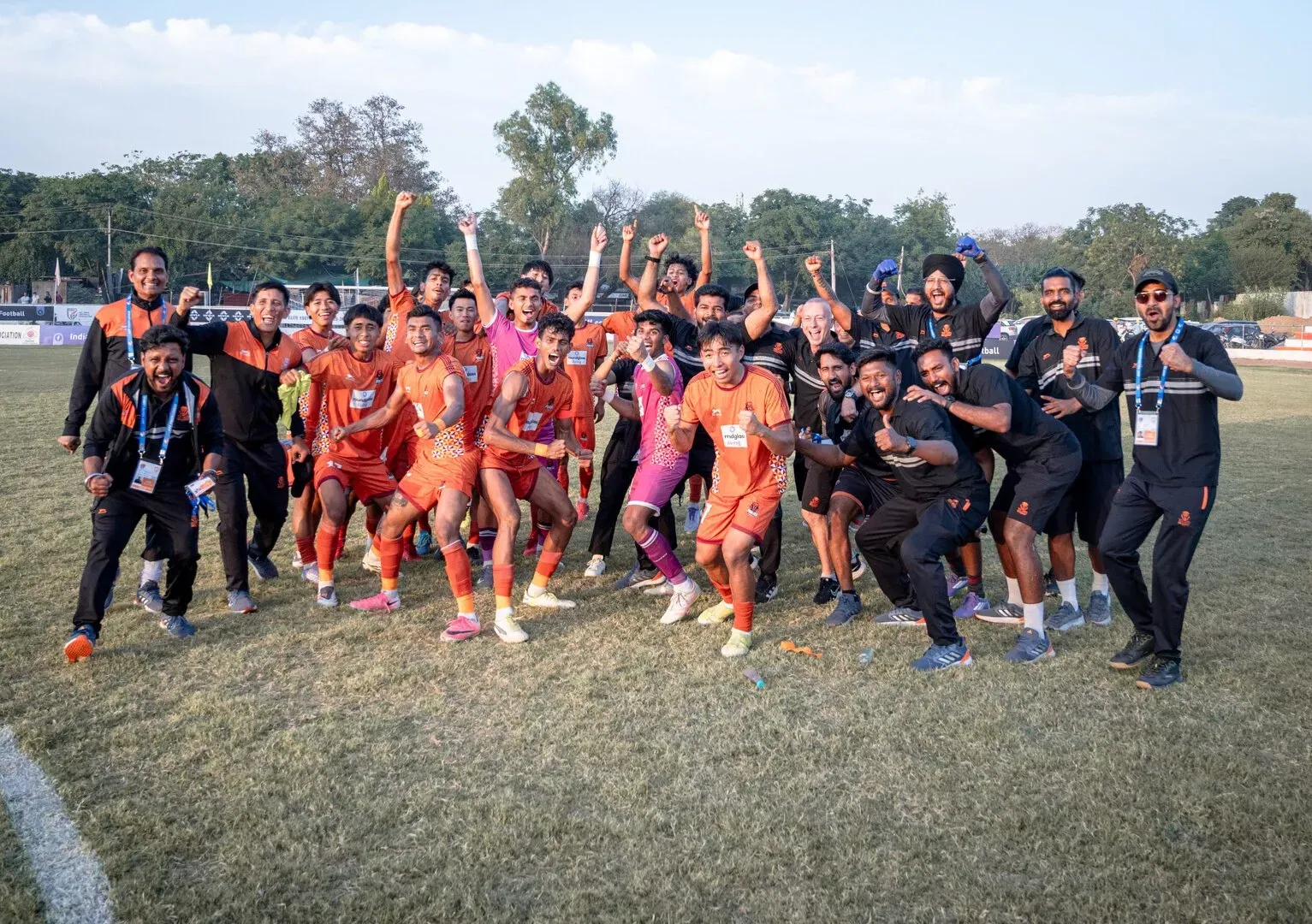
In April 2026, Punjab FC expanded its grassroots footprint further, launching six new development centres across Batala, Bilga, Khothra, Panam, Moga, and Patiala. Each centre begins with a structured intake of 75 players, 50 boys and 25 girls, reflecting both the scale and inclusivity built into the club’s model.
Those numbers matter, but so does what sits behind them. These additions take the club’s network to 32 centres across Punjab, reinforcing what is already one of the most extensive grassroots systems in Indian football. More importantly, the expansion is not driven by volume alone. Each centre follows a defined framework, ensuring consistency in coaching, development standards, and player progression.
“At the development centre level, the aim is to create the right environment for young players to learn and enjoy the game. With the new centres, we are able to reach more children and give them access to structured coaching from an early age,” said Bikramjit Singh, Deputy Lead, Football Development Centre.
At the core of Punjab FC’s approach is a system built on uniformity rather than fragmentation. From grassroots centres to the elite academy, players move through a clearly defined structure that integrates technical training with physical conditioning, nutrition, education, and psychological support.
The academy itself, recognised as a five-star institution by the All India Football Federation, reflects that thinking. Beyond football, it offers academic pathways, medical support, and performance-focused infrastructure, ensuring that players are equipped for long-term progression both on and off the pitch.
“For us, the focus has always been on building a complete development ecosystem. The expansion of our grassroots centres and the success at the Elite Youth League level are both outcomes of the same philosophy: consistent coaching, clear pathways, and long-term investment in young players,” said Giuseppe Cristaldi, Technical Director of Youth Program.
The emphasis, as Cristaldi points out, is not on one-off success but on processes that can be repeated and trusted.
An effective pathway
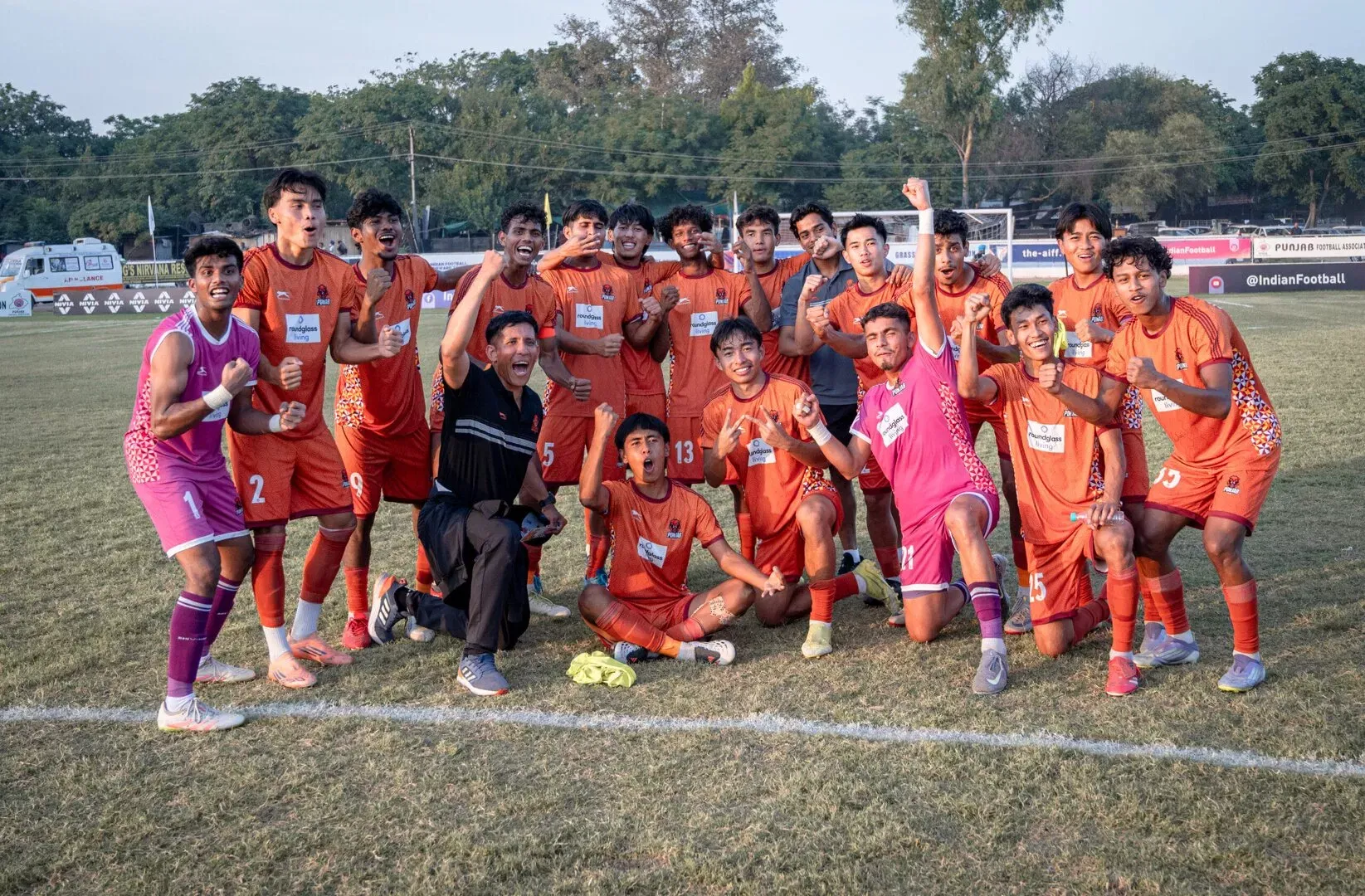
The effectiveness of that structure is becoming increasingly visible. Punjab FC’s academy has already produced 15 Indian internationals across senior and age-group levels, and its presence within national youth setups continues to grow.
At the recent SAFF Under-20 Championship, six Punjab FC players were named in the Indian squad. Their impact was immediate. In India’s 3–0 win over Pakistan, all three goals were scored by academy graduates: Vishal Yadav opened the scoring, before Omang Dodum added two in the second half.
It was not just about the goals. There was a familiarity in how those players combined, a shared understanding shaped within the same system. Several of them were part of the club’s Under-17 side that has set the standard at the domestic level.
“What is important is that every player in our system understands the pathway in front of them. From the grassroots centres to the academy and beyond, there is structure and continuity. The recent results at the youth level reflect that alignment,” Cristaldi added.
That alignment was evident again in the Elite Youth League final.
After controlling large stretches of the first half, Punjab FC broke the deadlock in the 69th minute through Karish Soram. What followed was decisive. Within moments, captain Vishal Yadav doubled the advantage, capitalising on a defensive lapse, before Thongram Rishikanta Singh added a third to complete a sharp, clinical 10-minute spell.
The 3–0 win secured back-to-back national titles at the Under-17 level. More significantly, it reinforced a pattern. This was not a team peaking; it was a system delivering.
Many of the players on the pitch were products of the same development pipeline that the club continues to expand. The result, in that sense, felt like a natural extension of the work being done across the state.
Reshaping Punjab’s footballing culture
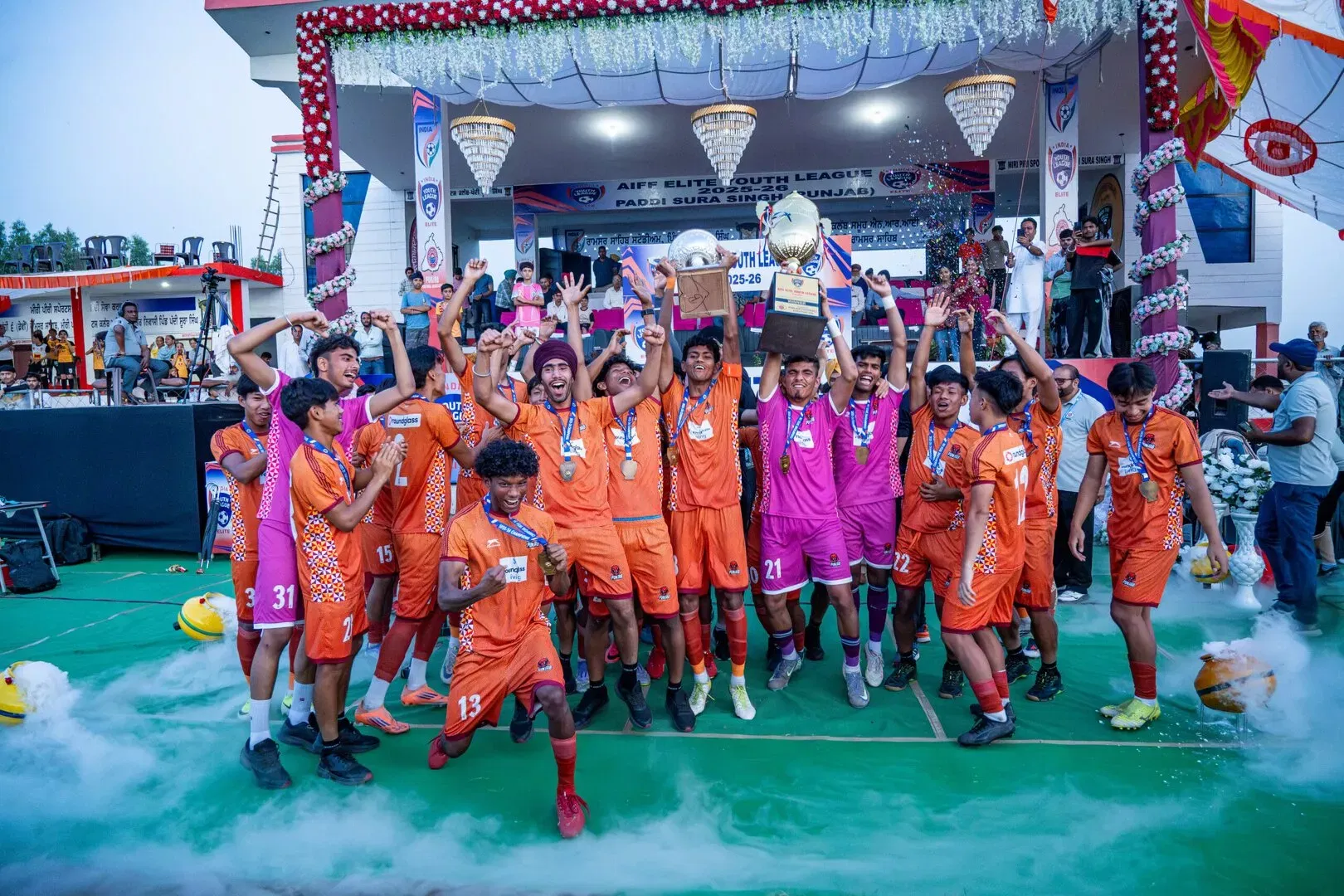
Punjab’s sporting identity has long been associated with hockey and kabaddi. Football, for years, existed on the margins. That is beginning to change.
Across districts, training grounds that once saw occasional use are now active on a daily basis. Structured sessions have replaced informal play, and participation among girls has grown steadily within the club’s network. For many families, football is no longer just a pastime; it is increasingly viewed as a pathway.
The impact extends beyond the pitch, with discipline, education, and community engagement forming an integral part of the environment being created.
For more updates, follow Khel Now on Facebook, Twitter, Instagram, Youtube; download the Khel Now Android App or IOS App and join our community on Whatsapp & Telegram.