
Should clubs have gone for conference model for the ISL 2025-26 season?

AIFF earlier proposed the conference model to ISL clubs, but a few clubs opposed it!
Back in December, when the All-India Football Federation (AIFF) appointed a three-man committee to look into the Indian Super League (ISL) situation and find a solution to keep the Indian football ecosystem functioning, the committee proposed two formats to the Indian Super League (ISL) clubs.
One was a conference model where each group would consist of seven teams, and the top four teams from each group would fight for the championship.
The second format was a home-away single-leg tournament with no playoffs. The top club would be crowned champions, and the bottom team would ultimately be demoted to the I- League (India’s second-tier football competition).
Many teams were unconvinced by the conference structure; the Indian Super League (ISL) clubs and the All-India Football Federation (AIFF) voted to organise the tournament in a single-leg home/away format.
Pros and Cons of Single-leg Home/Away Format:
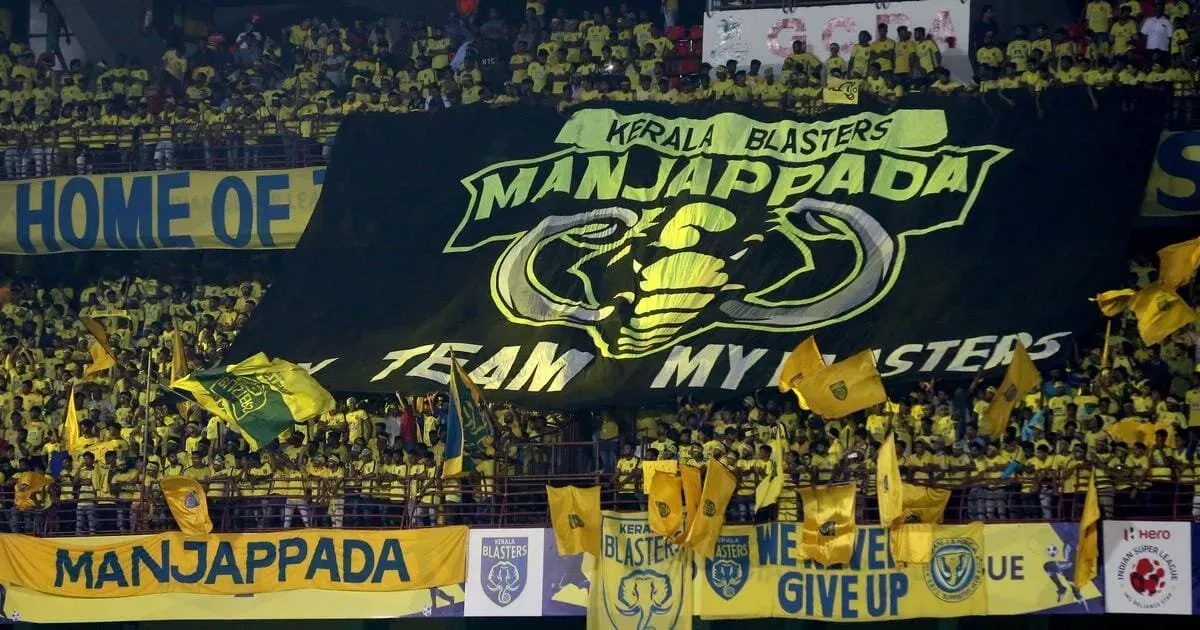
Despite both formats guaranteeing each ISL team around 11 to 13 matches, depending on league standings, the collective decision to continue with a single-leg home-and-away format was shaped by several practical considerations. Above all, finances played a decisive role, especially at a time when many clubs are actively cutting costs and reassessing spending.
On the positive side, hosting matches allows teams to generate ticket revenue, attract local sponsors, and benefit from stronger engagement with regional media. Moreover, playing at home bases makes logistical sense, as most clubs now have dedicated training facilities in their own cities, while the presence of passionate supporters often provides a significant competitive edge on matchdays.
However, the format is not without its drawbacks. Regular travel for away fixtures adds to operational expenses and can be physically demanding for players, especially with limited recovery time between matches.
At the same time, staging home games brings its own set of costs, including stadium operations and matchday logistics. Scheduling also remains a challenge, as the availability of home grounds is not always guaranteed due to external events or shared usage, often forcing clubs to adapt at short notice.
Read More: List of foreigners who left ISL due to uncertainty in Indian Football
Why would the centralised conference model have worked better?
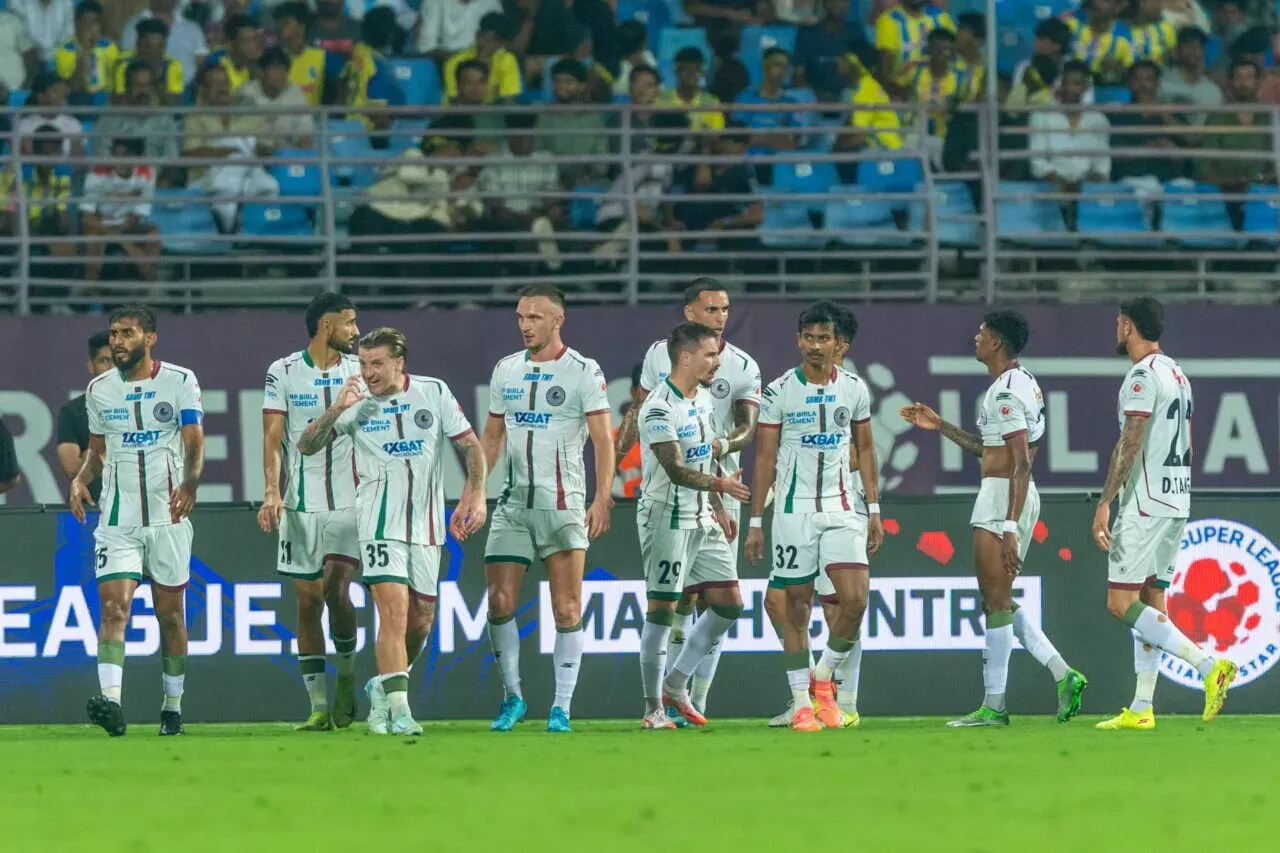
While the single-leg home/away format would benefit some clubs financially by raising revenue from home games, it does not benefit all clubs. While certain teams, such as East Bengal, Mohun Bagan, Kerala Blasters, Jamshedpur FC, Bengaluru FC, FC Goa, and Northeast United, can draw large audiences (perhaps upwards of 10,000), others struggle to do so.
With teams going in with an all-Indian squad or fewer foreigners, the number of fans in the stands might drop even lower. Hosting home games would be an extra financial burden for these teams. Mohammedan SC and Inter Kashi have thus informed AIFF that they prefer to play all of their games away from home.
The expenses associated with stadium maintenance and travel to away games may be significantly reduced with centralised venues. Instead of each club contributing their own money to ground maintenance, it would be divided among the clubs. The league’s production expenses for broadcasters may have been reduced if they had chosen centralised venues.
Not only from the club’s perspective, but this format would have been great for players who had played little to no football in the previous seven to eight months, thanks to AIFF. In these circumstances, it would have been ideal if the players had had more recovery time and travelled less between matches on this tight schedule.
In terms of relegation battles, a conference idea in which the bottom three clubs from each group compete for survival may have made more sense. Playing against elite teams when at the bottom is not something any coach or player would wish for. In the end, every ISL team would want to avoid relegation, as it might result in severe financial difficulties and potentially the closure of clubs.
ISL to kick off on February 14
ISL 2025-26 will run from February 14 to May 17. All 14 ISL clubs, including debutants Inter Kashi, confirmed their participation. The ISL 2025–26 season will follow a single home-and-away league format, resulting in 91 matches overall.
To manage the compressed calendar, matches will largely be scheduled as double-headers on Fridays, Saturdays, and Sundays. Kick-off timings have also been finalised, with games starting at 5:30 PM and 7:00 PM. There will also be matches on Thursday, but single ones.
Frequently Asked Questions
When will the 2025/26 Indian Super League start?
The 2025/26 ISL season is expected to start on Feb 14, 2026, and run till May 17, 2026.
Will there be playoffs in the ISL this season?
There will be no playoffs in the 2025/26 ISL season. Table toppers will be crowned as champions and will be handed over the ISL Shield.
For more updates, follow Khel Now on Facebook, Twitter, Instagram, Youtube; download the Khel Now Android App or IOS App and join our community on Whatsapp & Telegram.

Shyam Sundar is an Indian football fan turned writer who has been covering the sport since 2023, after following it closely since 2020. He has reported on the ISL, I-League, IWL, and Indian national team matches. A passionate football enthusiast, he holds a special place in his heart for Chennaiyin FC and Manchester United.