
Three Friendlies, Three World Cup nations: Five lessons for Indian Football
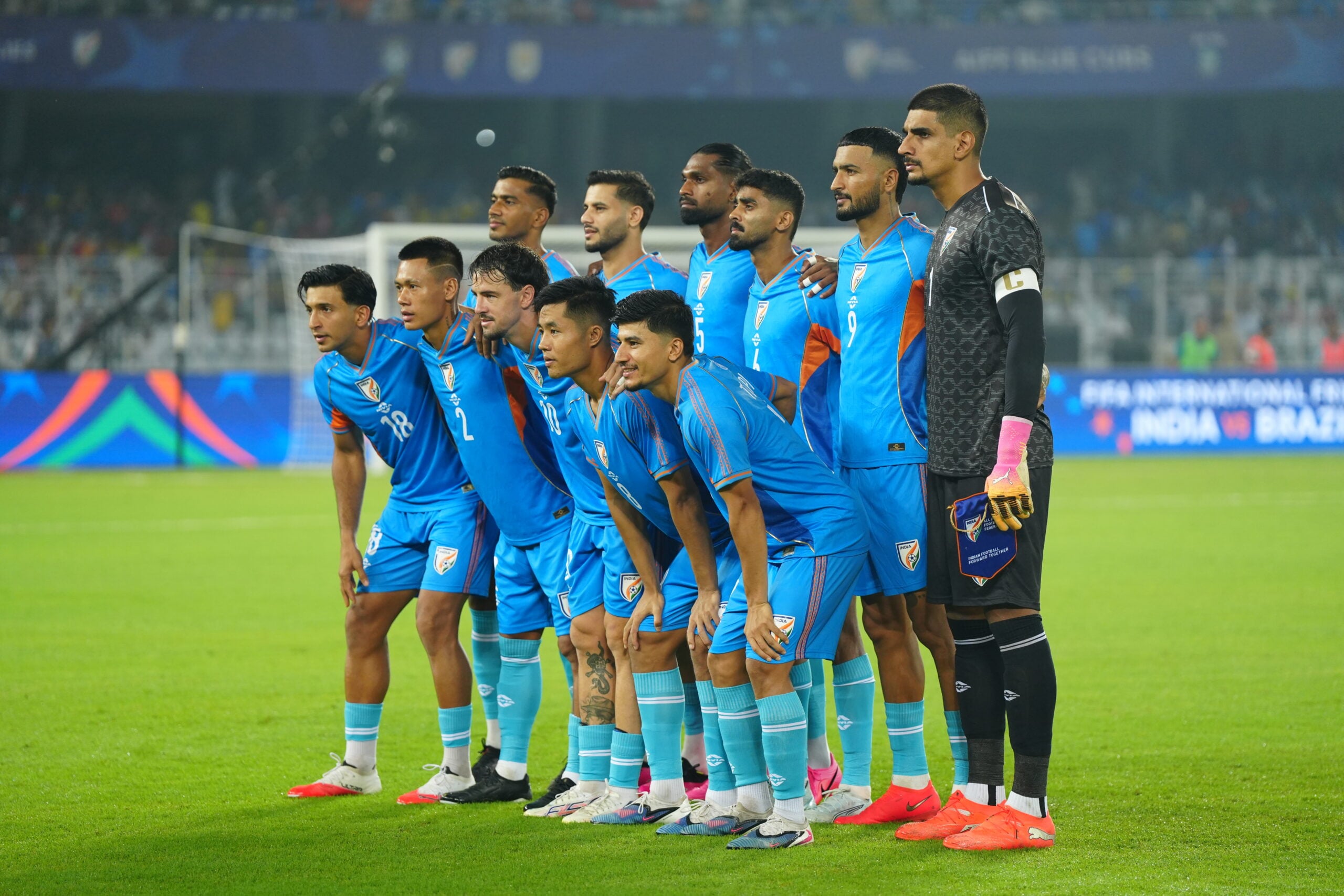
India conceded 11 goals in three games in the September-October international break.
Just a month ago, the Indian national team were heading into an incredibly exciting September–October international window, where the Blue Tigers were all set to face three World Cup-playing nations in the form of Panama, Brazil and Uruguay.
Now, all three games have come to an end, and Indian football fans have been left with far more positives and excitement for the times ahead.
Khalid Jamil’s side started the window with their best result of the three games, securing a 1–1 draw against Panama in Bengaluru. They built on that performance with a decent 0-4 loss against Brazil, where they tried to play positively and go on the front foot whenever they won the ball.
India’s first half against Uruguay was even better, with Anirudh Thapa scoring against a 20th-ranked team when no one expected it. However, the second half went south as they eventually suffered a 6–1 defeat.
If you look at all three friendlies and say Indian football has regressed further, you are not a real Indian football fan, but rather one of those who predicted India would concede 20+ goals across the three games.
For those who have followed the lows of the Indian senior team ever since the 2023 SAFF Championship triumph, these three games have given more hope to look forward to than the last three years have.
At the same time, the games have also taught a lot of lessons to these players and coaches, who are testing themselves at this big stage for the first time in their careers.
Let’s take a look at the five lessons we learned from these friendlies, something that we must work on or be proud of going into the upcoming camps.
Time to move on from more regulars from the past
Catch Every Update, Anytime, Anywhere
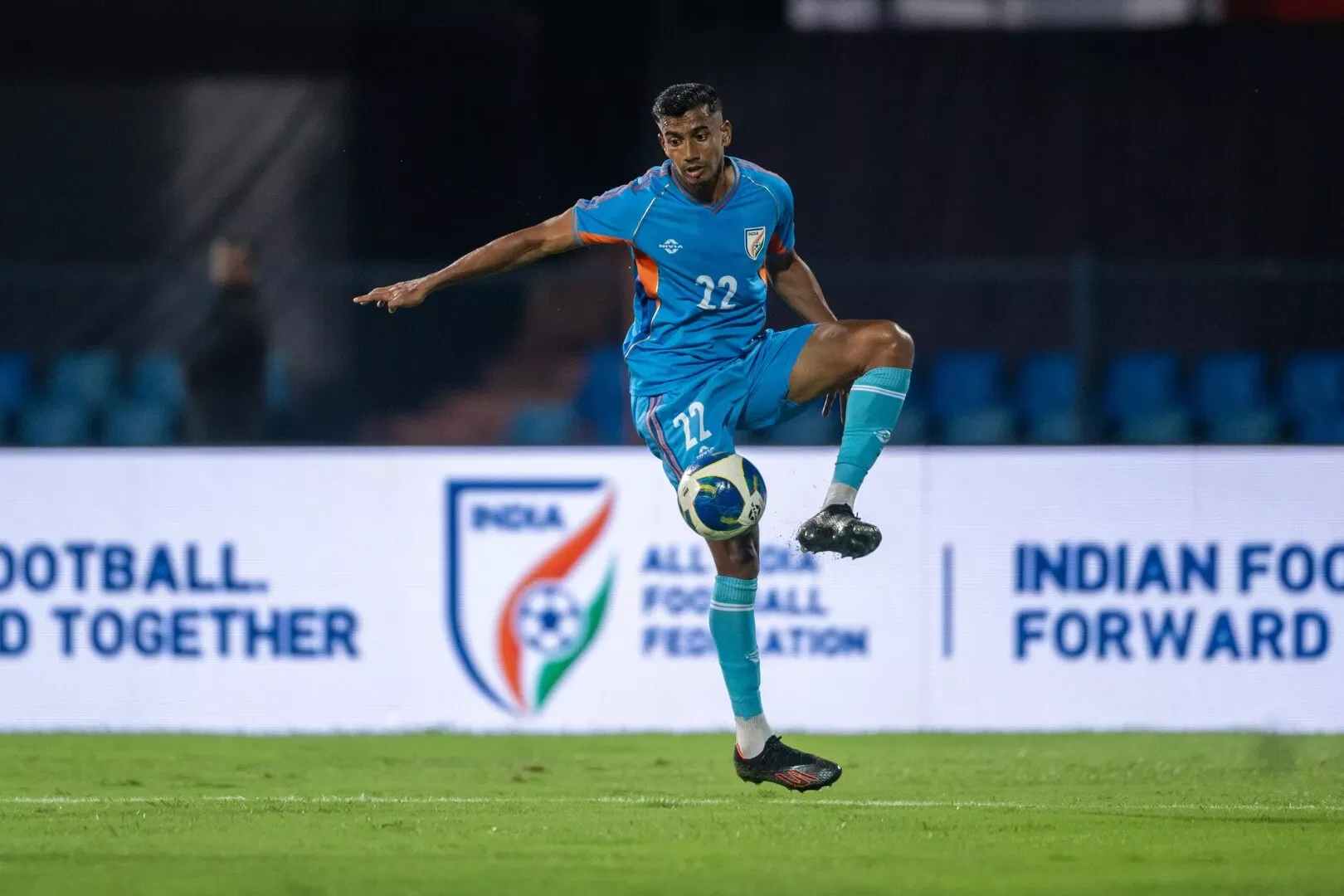
Photos : Rajesh G / AIFF
When Khalid Jamil announced the squad for these three games, he raised a lot of eyebrows by dropping key players from the past, with the likes of Sandesh Jhingan, Rahul Bheke, Nikhil Poojary and Lallianzuala Chhangte among the prominent players who were dropped from the NT set-up.
And what this international window proved is that the head coach must show the same ruthlessness towards some of the players still in the NT set-up.
For example, the likes of Ashique Kuruniyan and Gurpreet Singh, who started all three games, failed to impress in any of them barring the Panama game. Sahal, as well, failed to impact the games he played, barring a couple of flicks and nutmegs here and there.
The likes of Farukh Choudhary, Vikram Partap Singh and Rahim Ali were given further opportunities to prove themselves with minutes off the bench but failed to seize their opportunities in the same way Mohammad Sanan, Ricky Shabong and Jay Gupta did.
One mistake is all elite teams need to punish you
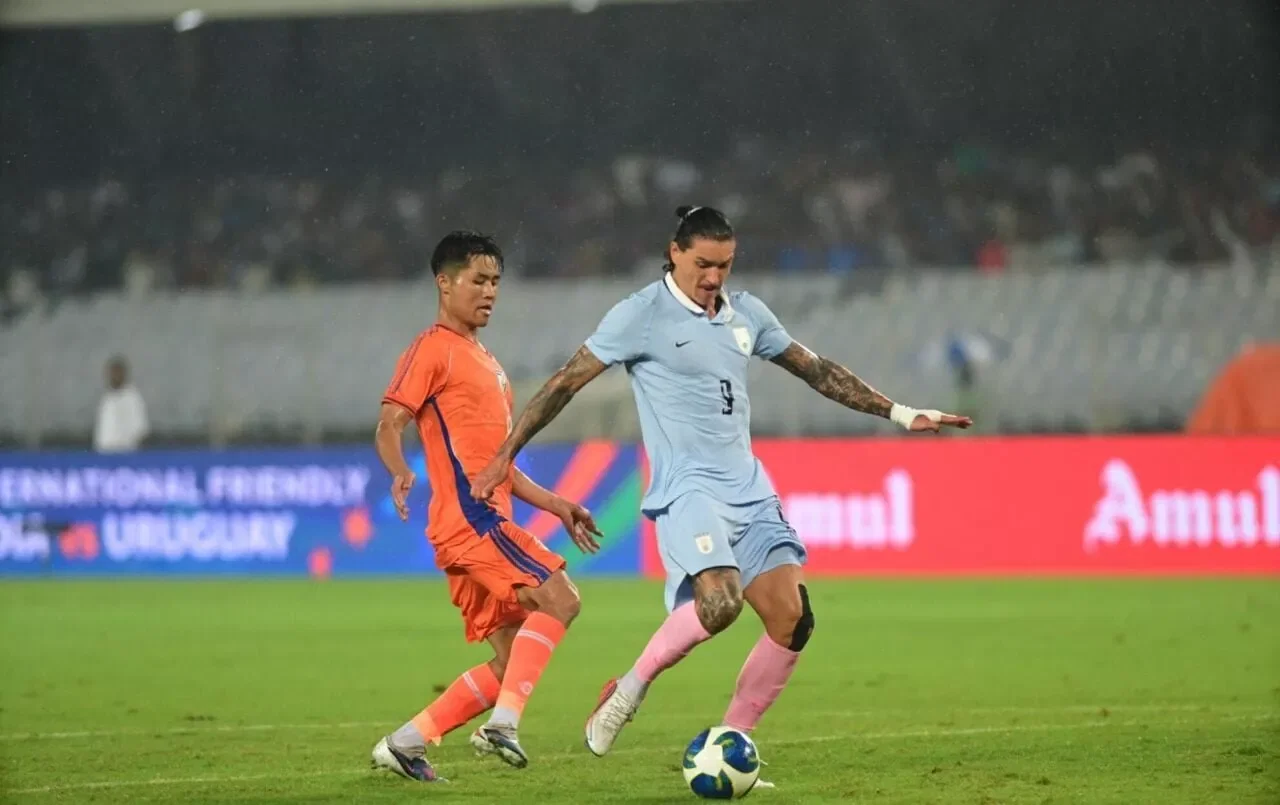
While India are used to playing and losing against a lot of nations that are in and around them in the rankings, they were not punished as heavily as they were by the Brazilian and Uruguayan national teams.
Losing games or dropping points by not scoring goals is nothing new, however, these two games exposed how bad India’s defensive set-up can be when it comes to playing out from the back or dealing with silly concentration errors here and there.
To be fair to Khalid Jamil and his boys, India were defensively compact for major parts of the Panama game, the Brazil game and the first half of the Uruguay game. But they still ended up conceding 11 goals. Why? Because the players were not mentally strong enough to remain concentrated throughout the 90 minutes.
The goal against Panama was a long ranger, with no one attempting to close down the space at the edge of the box. For the first two goals against Brazil, Gurpreet could have done better. For the third, Bijoy gave the ball away cheaply, while the fourth looked like a routine save that Gill would make nine times out of 10 in the ISL.
Pramveer gave away a penalty in the first half against Uruguay, while the second goal was a complete switch-off from the Indian defense. The second half defending, where they conceded four goals, was just schoolboy defending with no defensive shape or structure, which was affected by Khalid’s half-time substitutions.
Khalid Jamil insisted that this was a key factor they must work on in the upcoming camps, as they need to equip themselves with better mental stability to stay concentrated for the full 90–95 minutes they play.
Indian players showing better composure and skill on the ball
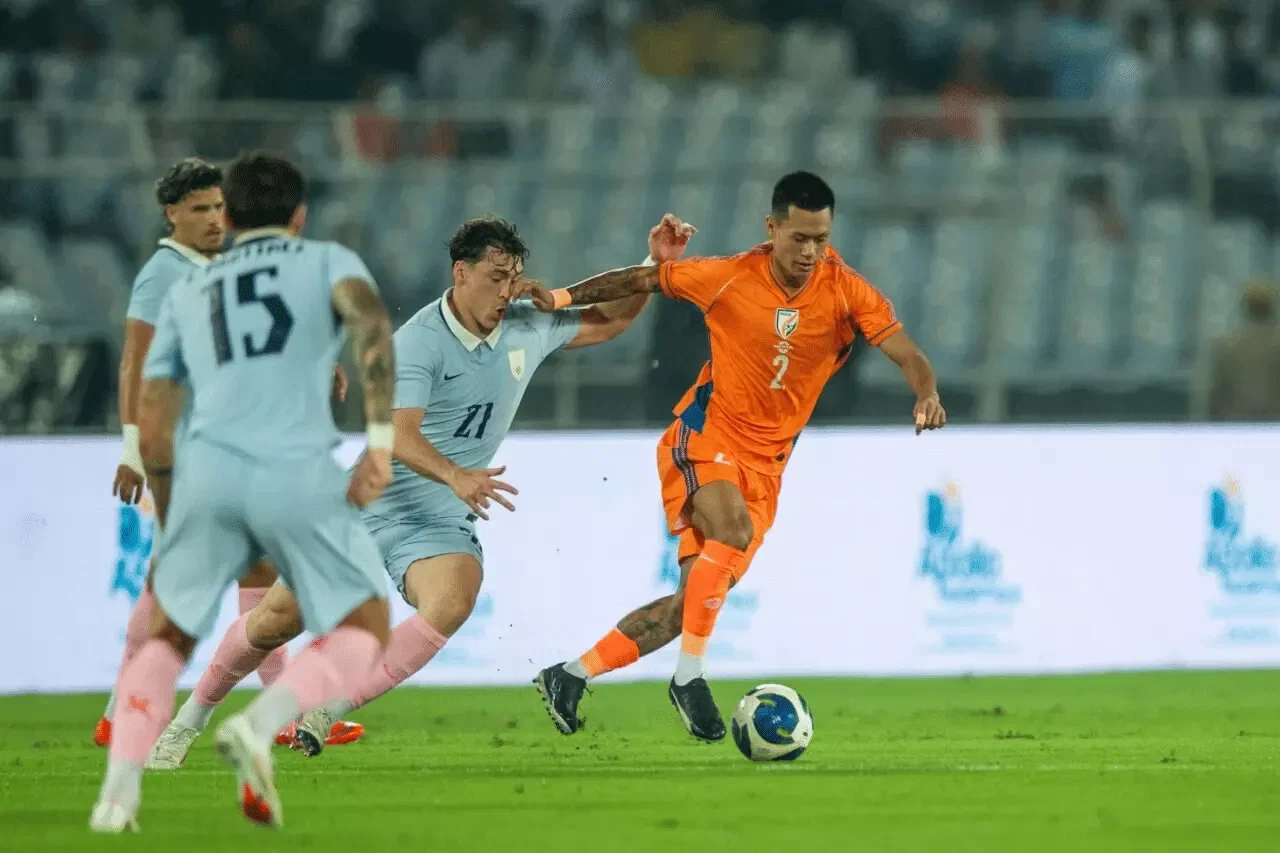
There were a lot of positives for Indian football from this international break, but one major positive was the technical ability the players, especially the defenders and midfielders alongside Ryan Williams, displayed on the ball. Anwar Ali and Pramveer were extremely comfortable with the ball at their feet and were never afraid to play out from the back.
So was Abhishek Singh, who was never afraid to make progressive runs forward and take more time on the ball to play one-twos instead of simply clearing the ball.
Anirudh Thapa and Apuia in midfield were really composed on the ball and tried to build up play and spread possession instead of just kicking the ball long whenever they recovered possession.
Ryan Williams, as usual, displayed why he was developed in England with his technical abilities on the ball, while Sanan showed the same qualities here and there in the minutes, he got against Uruguay and Brazil. Jay Gupta, as well, made a lot of progressive runs in his cameo against Brazil. Prabhsukhan Gill as well, was effective with his distribution as a goalkeeper in his 45-minute cameo against Brazil.
All of these are good signs of Indian players getting better on the ball, and this could go even further if we work more on grassroots development and our players go and play in leagues outside India.
Overpriced tickets will keep fans away, no matter the opponent
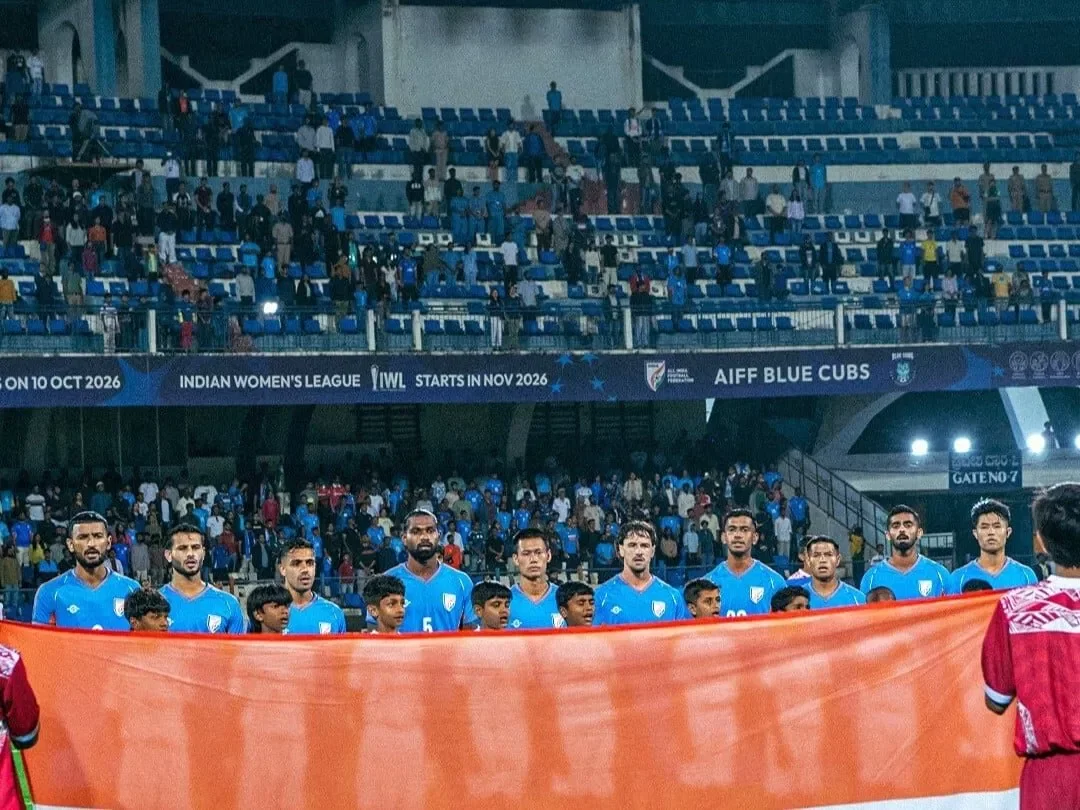
While these three games took the sport in India to more and more fans across the country and the global football audience, one of the major mistakes made by the All India Football Federation was pricing fans out of experiencing the games in the stadium.
The pricing for the Panama game in Bengaluru attracted just 9,000-odd fans to a stadium that used to fill up every seat even for SAFF Championship games.
The Brazil game looked like an outlier with 51,000 in attendance, but it was still not a houseful as the stadium was expected to host 85,000 fans according to reports. The attendance was brought up to 51,000 odd, only after giving tickets to CFL players, offering discounts to the three Kolkata giant clubs, introducing 1+1 ticket offers and, obviously, complimentary tickets.
And after seeing the low turnout in these two games, the AIFF did its best to get more numbers for the Uruguay game. They gave free entry to ticket holders of the Messi event who had suffered losses, reduced ₹1,999 tickets by 90% to just ₹199, and gave away complimentary tickets through clubs. Yet all their efforts attracted only 37,000 odd fans.
Had they made these efforts when the fixtures were announced, the numbers would have been much higher, as that would have helped fans plan better for these games.
Also Read: ISL 2026-27: Top 10 most valuable India U-23 players
Khalid Jamil’s tactics work against high lines, fail against low blocks
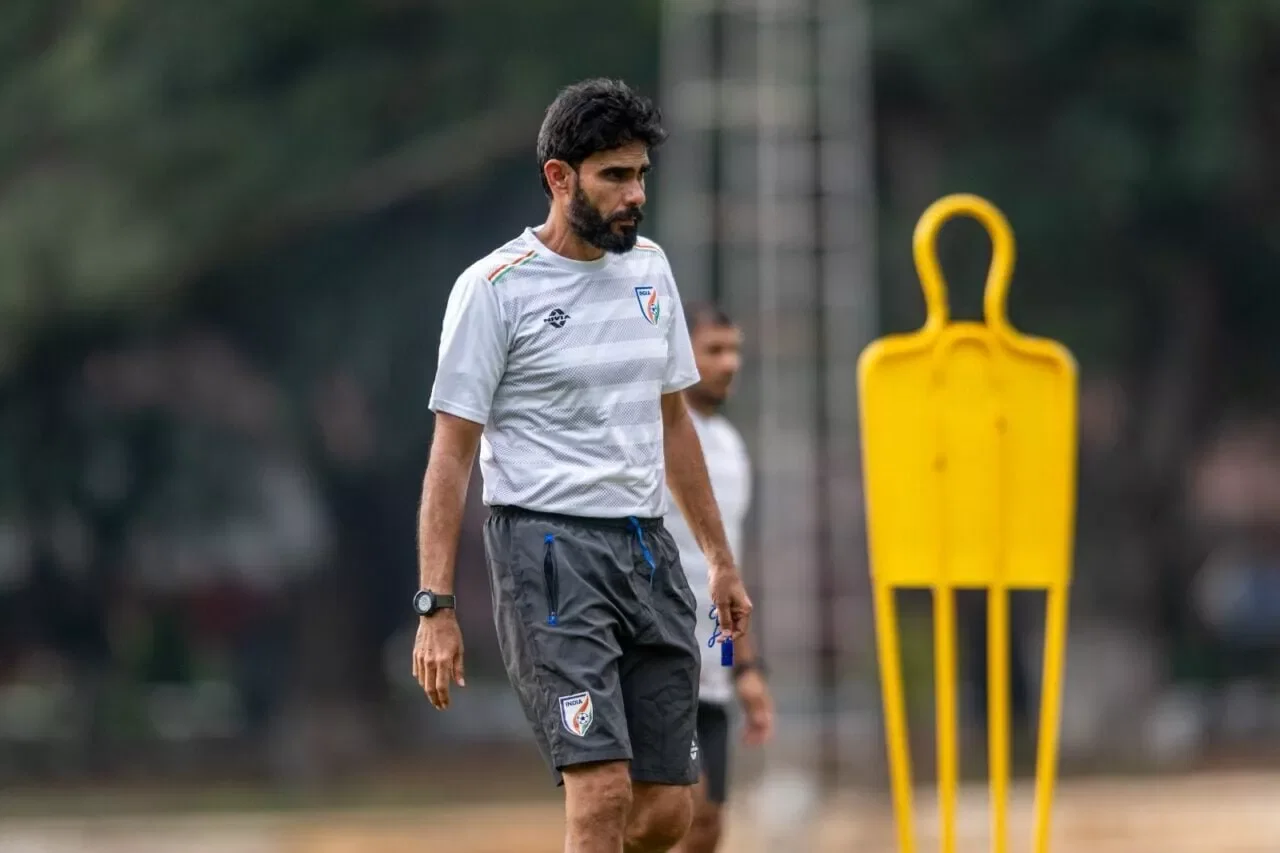
Khalid Jamil was under a lot of criticism coming into this international window following his poor performances in the AFC Asian Cup qualifiers, Unity Cup and the Tajikistan friendlies.
With three big games against top World Cup teams lined up, it was going to be a huge test for Khalid Jamil as the whole world was watching, and it could have potentially turned into a global embarrassment.
To be fair to Khalid Jamil, his tactical set-up was excellent against Panama, decent against Brazil barring the defensive errors, and the way his team played against Uruguay before the lightning break was brilliant and unexpected by many.
His low-block defensive set-up with quick transitions in attack was dangerous against these top sides, who deployed a high line against the lower-ranked Indian side.
But this raises the question: why can’t we create the same number of chances and play this positive football against lower-ranked teams and teams in and around us?
Khalid Jamil has to tweak his tactics to make sure he can set up his side in a way that will be effective against teams that deploy a low block, instead of sticking to the same tactics that would give India no space to attack against lower-ranked teams.
Whether these results were a result of the longer camp the Blue Tigers had, or whether it is Khalid Jamil’s usual gimmick of impressing when playing as the underdogs, India’s performances against lower-ranked teams will give us the answer.
Who scored for India in the 6-1 loss against Uruguay?
Anirudh Thapa scored the lone historic goal of the match for the Indian NT against Uruguay.
When will the Indian NT play again?
The Indian NT will return to action in the November international window where they will play two friendlies against New Zealand.
For more updates, follow Khel Now on Facebook, Twitter, Instagram, Youtube; download the Khel Now Android App or IOS App and join our community on Whatsapp & Telegram.