
Matchday Dispatches: Seven things we learned from India vs Uruguay
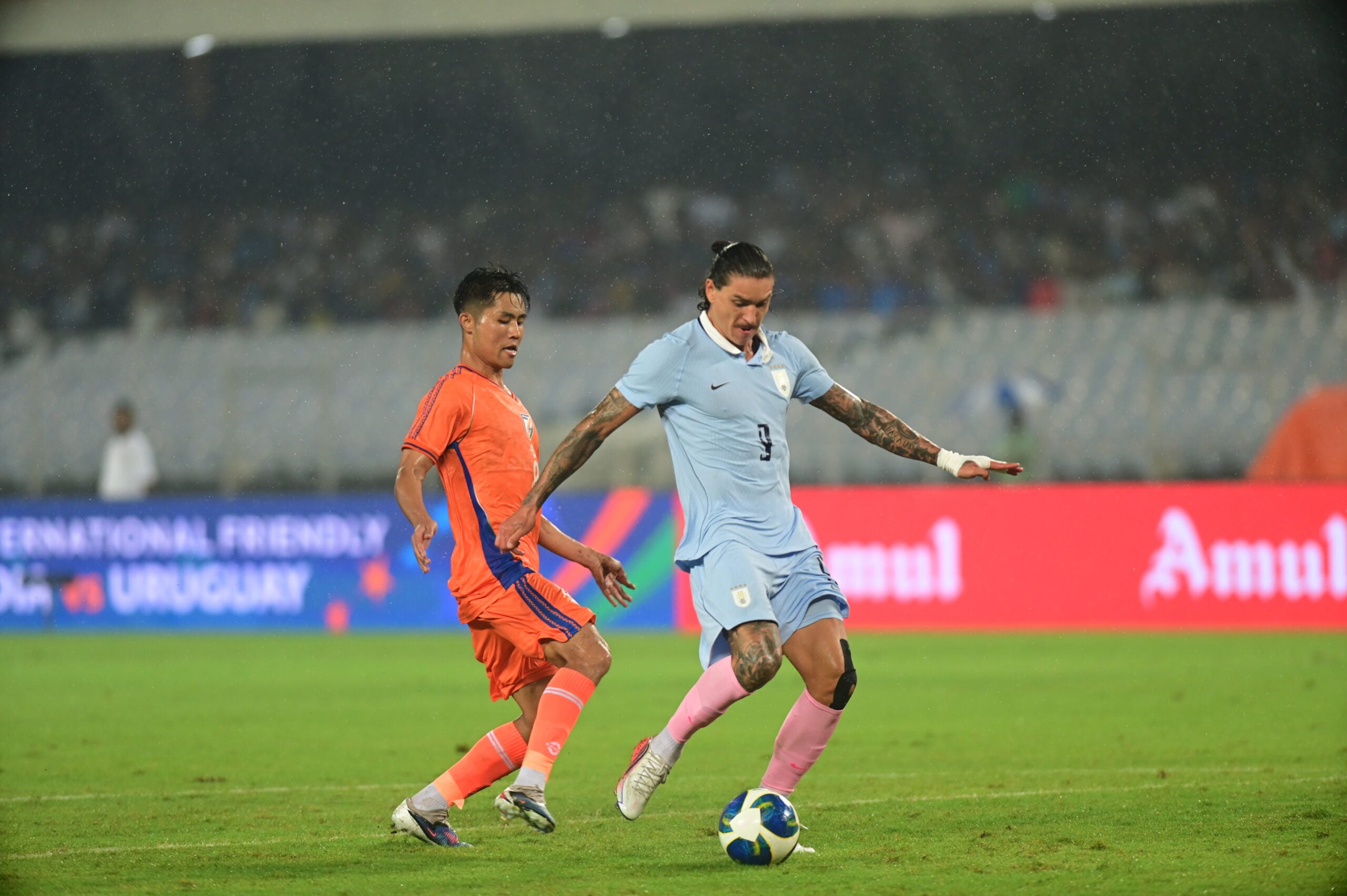
(Courtesy : Khel Now)
La Celeste thrashed the Blue Army in Kolkata
As the dust settles on Uruguay’s 6-1 rout of India, Indian football fans are left with both a lot to contemplate about the national team’s future and probably a sense of relief that this set of fixtures, always a little detached from reality, is over.
The cautious optimism that began to creep in after playing a tired Brazil side morphed into a lesson in misery dished out by Diego Forlan’s side. This was mirrored by the apparently inclement weather conditions at the Salt Lake Stadium, a night to be forgotten.
By the way, does anyone know which tone-deaf minds at Sony came together to call the match a seven-goal thriller in their highlights package?
Probably a question for better minds than us, but following Sony, we decided to give you our seven main takeaways from a torrid October night for the Blue Tigers, both from the stands and the pitch.
1. Uruguay were a far tougher test than Brazil
Catch Every Update, Anytime, Anywhere
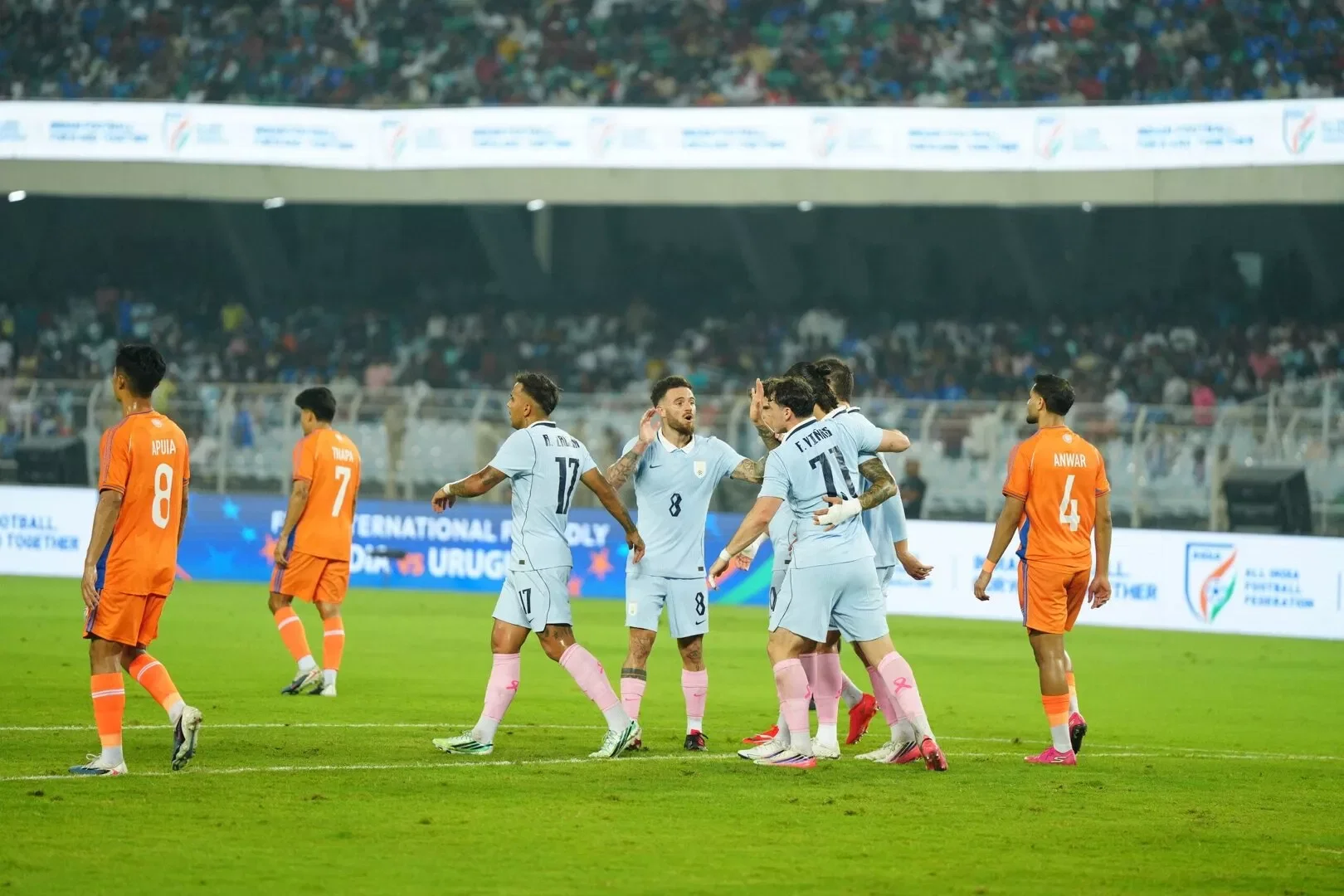
A match of this size tends to fly under the radar, and it is an easy mistake to make to underestimate the opponents without context. We cannot blame the buoyant spirit that rose after a not-as-bad-as-expected showing against Brazil.
The avid fan would have noted that Brazil showed up two days before, very tired after a gruelling schedule of games with a lot of travel. Their priority was simply to mark their attendance and minimise their risk of injury.
By contrast, Uruguay showed up five days earlier and were gracious guests. They visited the Victoria Memorial, took pictures with fans, trained and got their massages done. Well-rested, well-fed, and with tourist spots out of the way, they also had the advantage of watching India play twice before in this international break, while Brazil and Panama showed up relatively uninformed, at best. This was clear in Uruguay’s tweaks in the second half, but more on that later.
Given the context, and remember that Brazil and Uruguay are separated by only fifteen places in the rankings, which side would you expect as a tougher test? The well-rested, prepared Uruguay or the tired, cautious Brazil?
2. India need to convert their chances
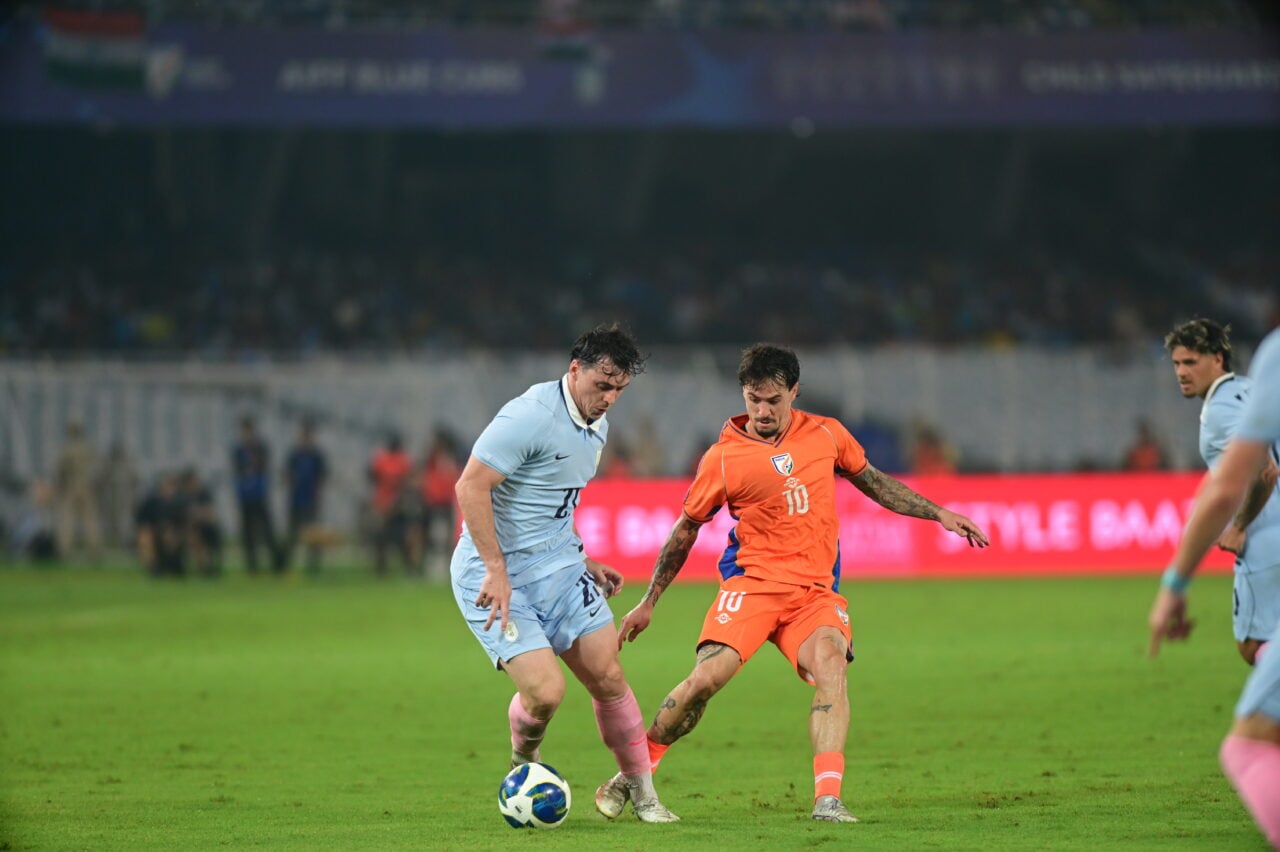
India have mastered the art of looking good for long stretches of the game, with no real end product. The wider discussion of this game will focus on immaterial things like tactics, the quality of opposition, chances created, and there will be a few complaints about the state of Indian football (when are there not?)
All the above ignored, we consider it a good thing that at least this Indian team has dusted the cobwebs away, taken the field against far superior opponents and realised that they can share the same grass with these world-class footballers, nutmeg them, glide past them with a half-turn, and pull off audacious one-twos.
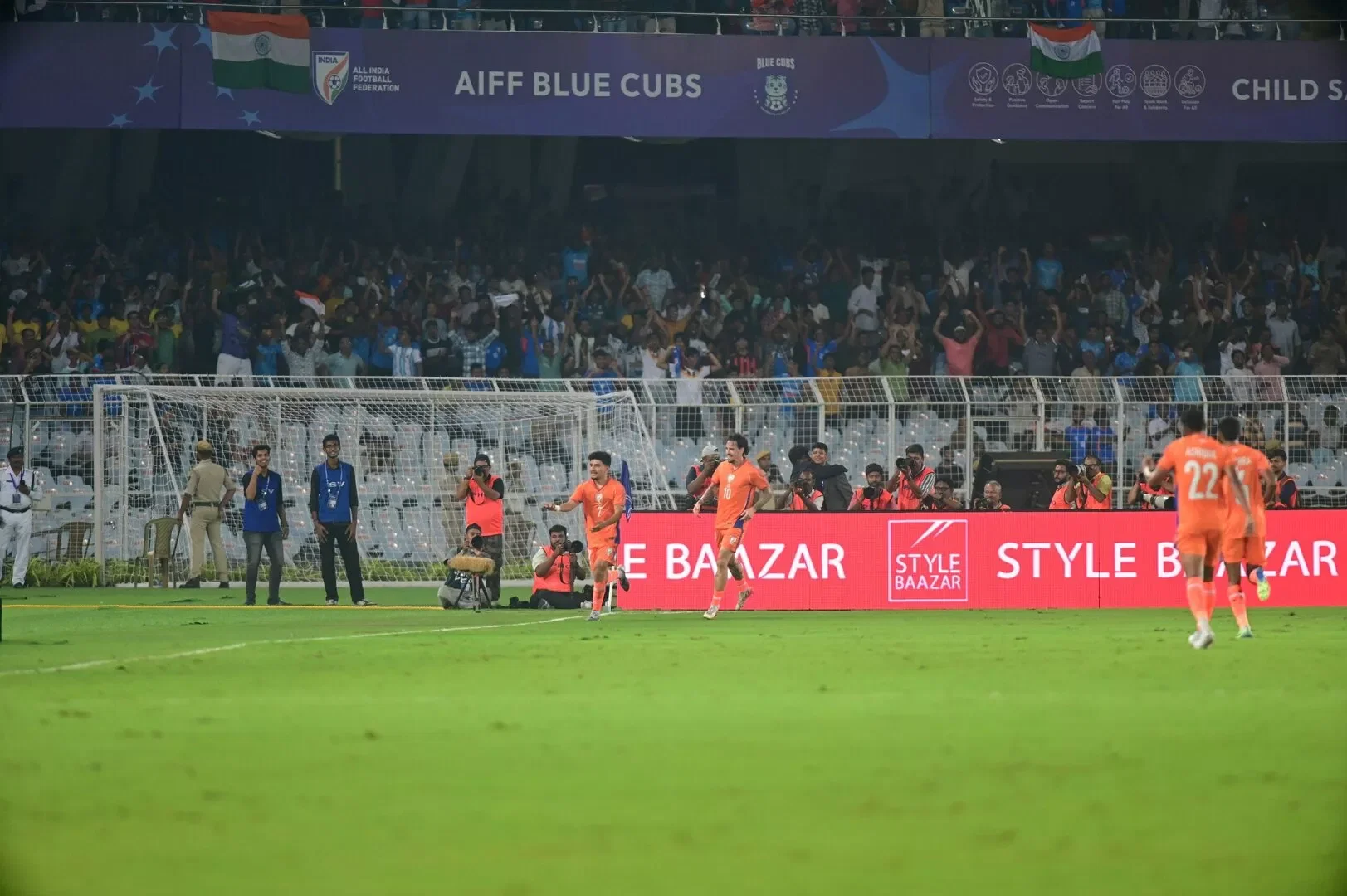
This was the common theme throughout the set of fixtures. The Blue Tigers growing in confidence with every successful little moment. Epitomised best in Sanan’s shifting feet, sending former Arsenal man Torreira to the ground to get a shot off, prompting a roar from the misty stands of the Salt Lake stadium
Alas, Cardozo, the Uruguayan keeper, tipped the shot over the bar, showing both the difference between the two keepers and summing up Indian football. A lot of heart, spectral flashes of real skill, and then it all came crashing down again. Elite keepers and teams don’t need to do all that; they just need to do enough, and that is what Cardozo did here.
3. Tactical margins
While India’s players should take heart in belonging on the same field as these star-studded names, it helps to remember where the gap between the elite sides and India really exists: the even smaller margins than Danilo’s wide-open legs.
Remember earlier, when we mentioned immaterial things like tactics, conditioning, discipline and organisation? We lied; these are the margins that matter (unless you are in a panna tournament) where the elite teams begin to separate themselves, Uruguay being the best example.
This difference is often hard to note on television, but in person, it is unmistakable, as one watched Uruguay rotate positions, the players keeping up a constant stream of chatter with each other, constant tweaks to their shape showing a comfort and assurance in their ability that is more sure than any flash-in-the-pan nutmegs or turns.
Shortly after Sanan’s rousing shot, Uruguay’s fourth goal from a quick counterattack was the definition of this difference. After recovering the ball, a TV camera does not catch the six La Celeste players who instantly sprint upfield from their own box, recognising their chance. The goal is eventually scored by one of these six, Sanabria, who covers nearly the entire field to tap it in.
By comparison, India are slow to react, especially the midfield unit. Naturally, India were dogged, and they were caught flat-footed, tired as they tried to be fearless in going toe-to-toe with Uruguay. Herein lies the margin: India completely missed the set-up for the counter-attack while Uruguay have constantly been looking for it, absorbing India’s pressure with cunning, and pouncing when they see their chance. This was the story of the game.
Also Read: Positives & Negatives from Indian football team’s 6-1 loss to Uruguay
Against an elite side, you can never switch off. They will let you pull off the nutmegs and flicks. They don’t care; they are looking for the gaps in your line. And they will find it.
4. A game of two halves
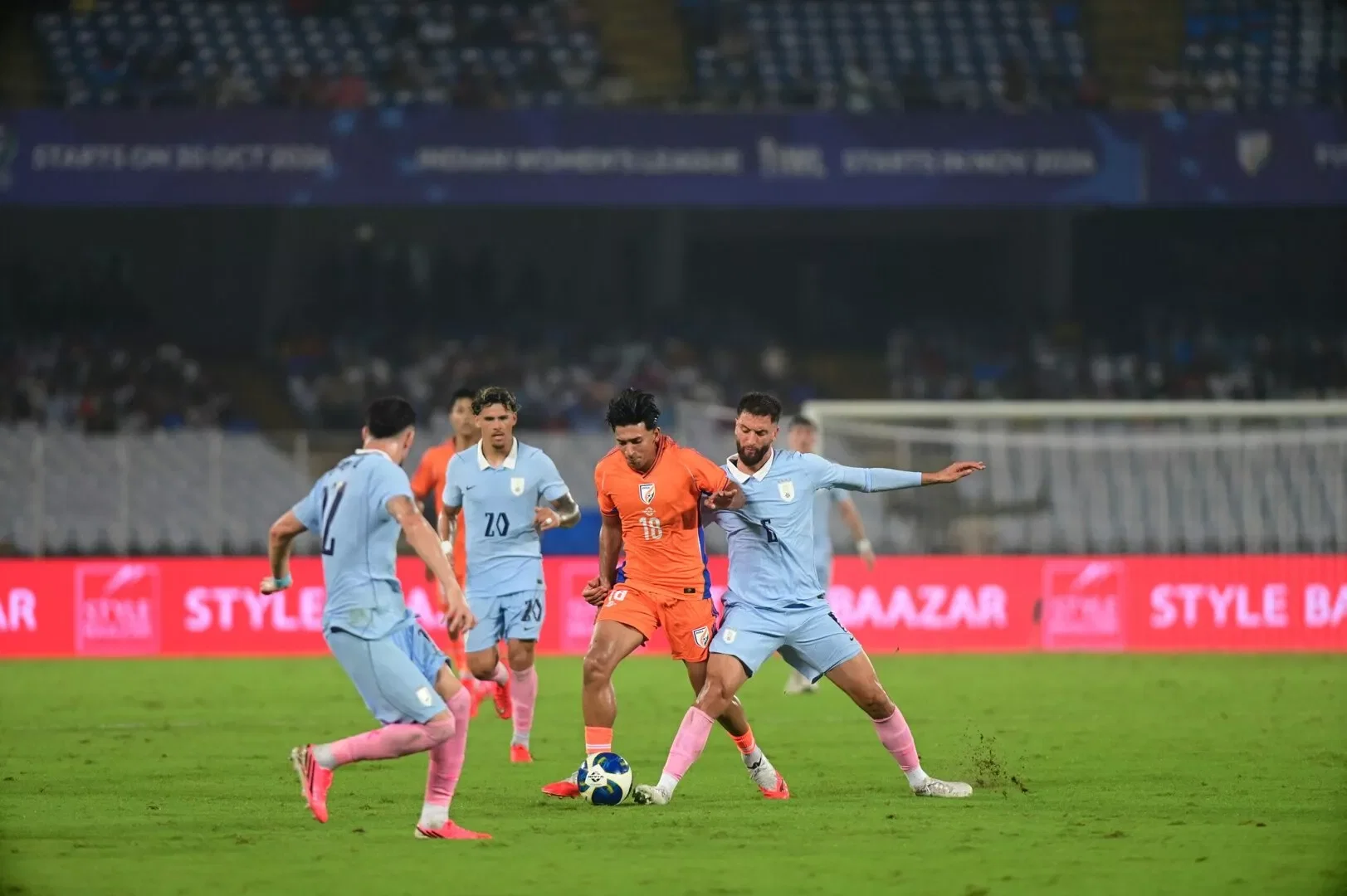
India played on momentum, streaky and fearless. Uruguay resorted to their time-old tricks of cunning and experience. Whenever India put on pressure, they absorbed it without stretching themselves too thin.
From the stands, it was apparent that while India seemed to be playing from moment to moment, Uruguay were looking long-term. Sometimes, they would sit back for no apparent reason or switch off despite having better field position, perplexing fans.
Yet, they conserved energy better than their opponents, and the reason became very apparent in the second half when they turned up the level; India could not cope.
India would do well to learn from them about game management, looking beyond the next few minutes to the next half, picking when to turn down the heat and when to turn it up. More importantly, how to react to different situations on the fly, without losing sight of your overall strategy.
5. VYBK blames Gurpreet heavily
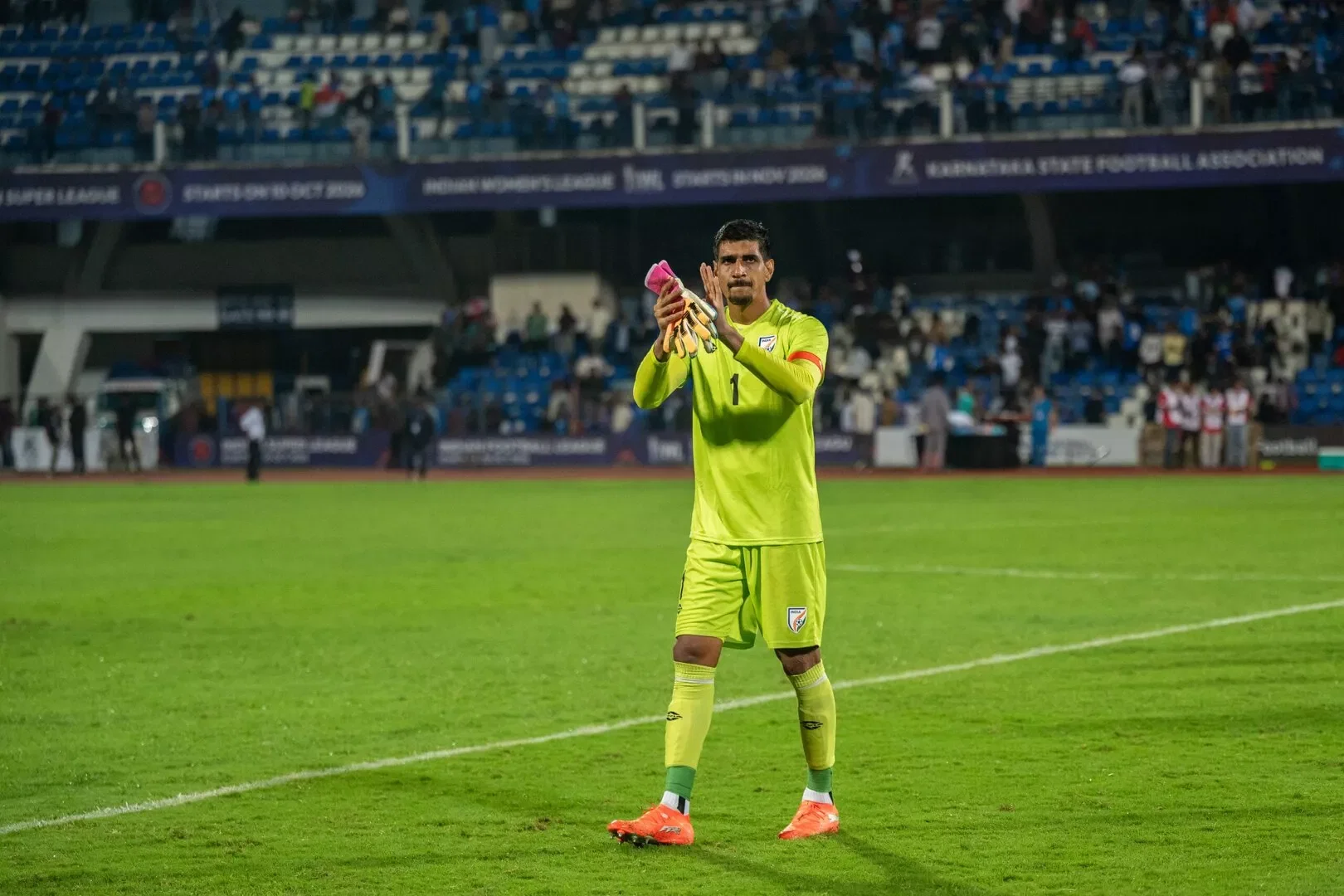
Of course, a word must be said about the goalkeeping. That was the common topic for most fans tuning in, and understandably so. When a team concedes ten goals across two matches, the fingers will always be pointed first at the goalkeepers.
Gurpreet Singh Sandhu would be the first to shoulder the blame, though. That is a non-issue; Sandhu did so, in conversation with sports presenter Suyash, acknowledging he could have done better against Estevao and the Brazilians. There is a natural tendency, as fans get frustrated, to find a scapegoat, and India’s long-time custodian was an easy target. There is some truth in it; Sandhu is ageing and past his better days, but to focus on him is to ignore everything else.
Yet, in any game where one team concedes six, the whole team shoulders the blame, and the failing is always structural. If we are looking to really assign fair blame where it is due, we can start with the decision to eschew the ASEAN Cup games and play meaningless friendlies against opponents far superior, which do little for the team’s development. Nobody needed this game to know that Darwin Nunez outstrips Anwar Ali on the pitch.
Not to mention, the complete lack of grassroots development and league stability that actually creates a stronger national team.
Chants of “Gurpreet, go back” rose loud and clear from the frustration in the stands. While the anger is understandable, it is hoped that said anger can be channelled towards the real avenues where meaningful change for the Blue Tigers can be made. Lambasting one of its most trusted veterans is never a good start. The AIFF elections, though, are a very good place to start.
6. India must demand higher standards in the future
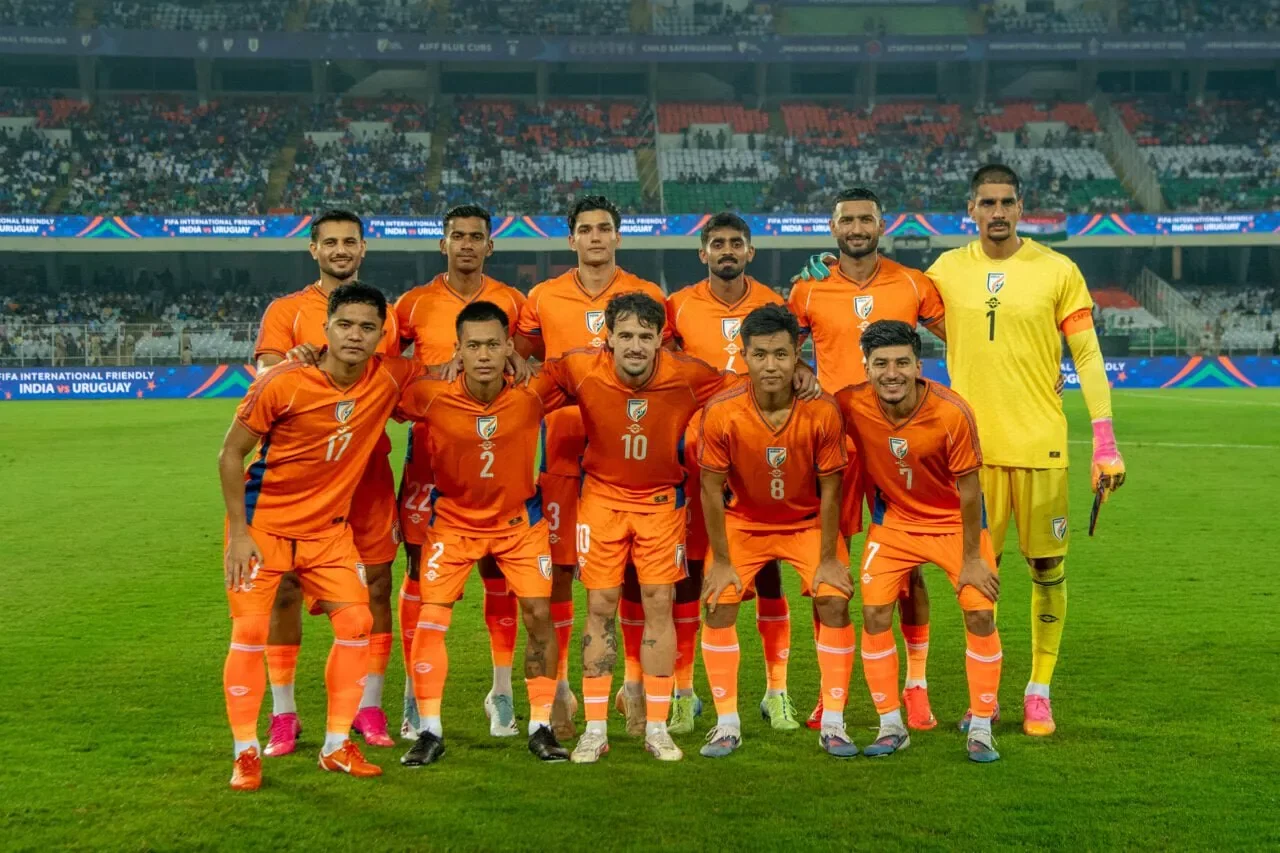
India did play well for about 30 minutes. In those 30 minutes, the volume rose in the stands, and hope took over. That hope, that belief against all odds. The familiar dream of India in the World Cup. And then a two-time world champion quickly put out that flame.
Some will say that was to be expected. They would be right. Yet, India should hold themselves to a higher standard than that. But to expect that standard will be reflected in those 30 minutes and a few passages of play, is to do it wrong.
India should hold itself to a higher standard in everything that enables it to play these games. In the infrastructure its players get, in the competitive games against continental peers, and in the support the national team receives.
The boys will always give it their all, but we will quickly find that once the standards in everything surrounding those 90 minutes change, the standards during those 90 minutes will change, and it won’t be a cautious hope anymore.
7. Global exposure needed
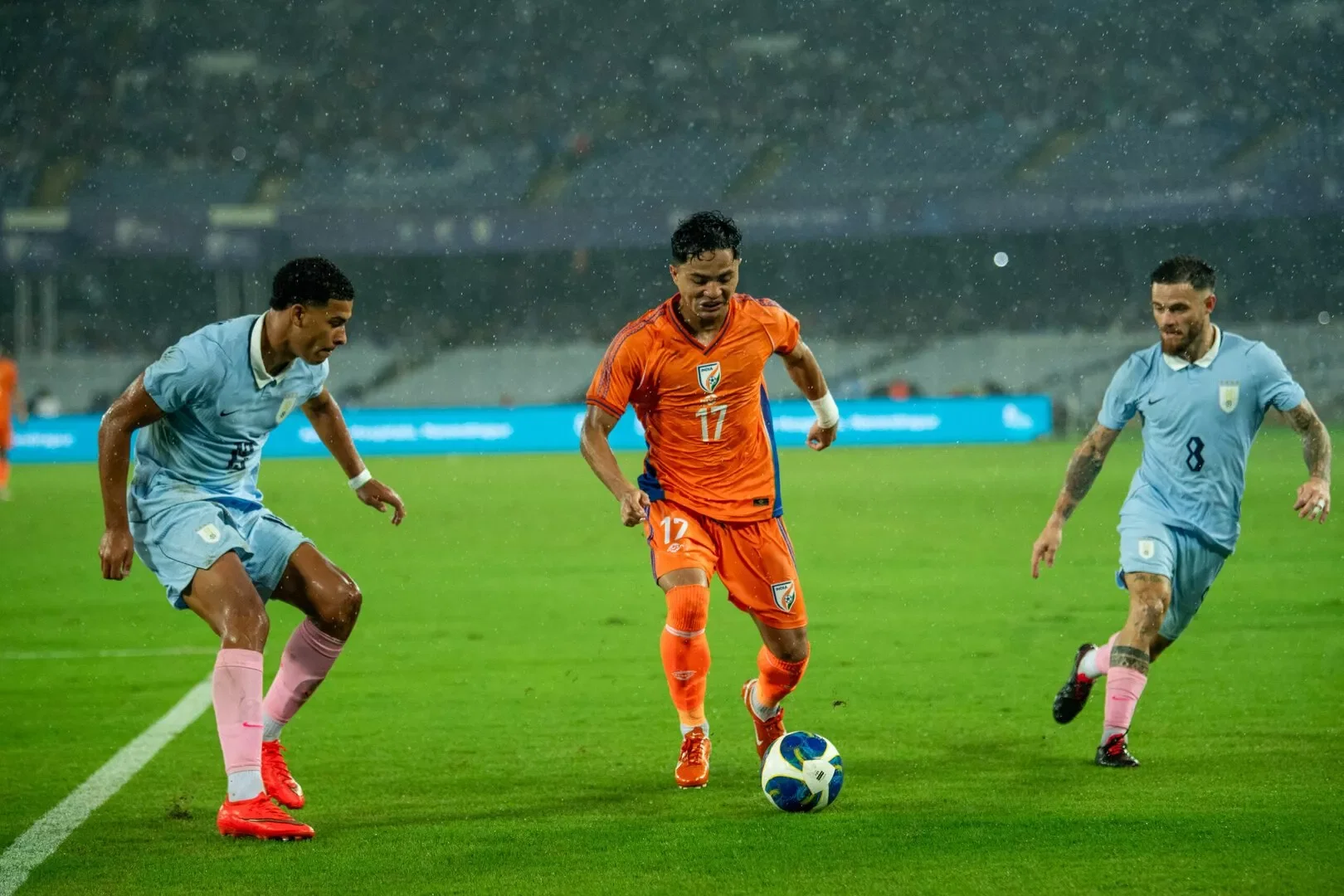
Finally, the state of coverage of Indian football. The one thing this set of fixtures did do was bring more eyeballs to the team. More eyeballs are always a good thing, as Gurpreet also noted, “the more the merrier”.
Then the question remains: what do we do with these eyeballs? We certainly don’t pander to them, as Sony did, describing the thrashing as a seven-goal thriller. We don’t scramble at the last moment, giving away passes once it becomes clear the stands will not fill out.
We meet the new fans with honesty, invite them to join the brethren of Indian football fans, and carry them away from the regularly scheduled programming of UCL and Premier League football. We accept the flaws, and only from that place can we work honestly as a collective to fix our many problems and celebrate the little wins, as we did when the stands erupted after India scored.
Uruguay scored six; India scored one. We have come a long way. So let’s not call it a seven-goal thriller. But also, let’s celebrate the thrill that one goal did bring us. Football is nothing without joy.
For more updates, follow Khel Now on Facebook, Twitter, Instagram, Youtube; download the Khel Now Android App or IOS App and join our community on Whatsapp & Telegram.