
On this day in 2016: Lionel Messi announced his retirement from Argentina
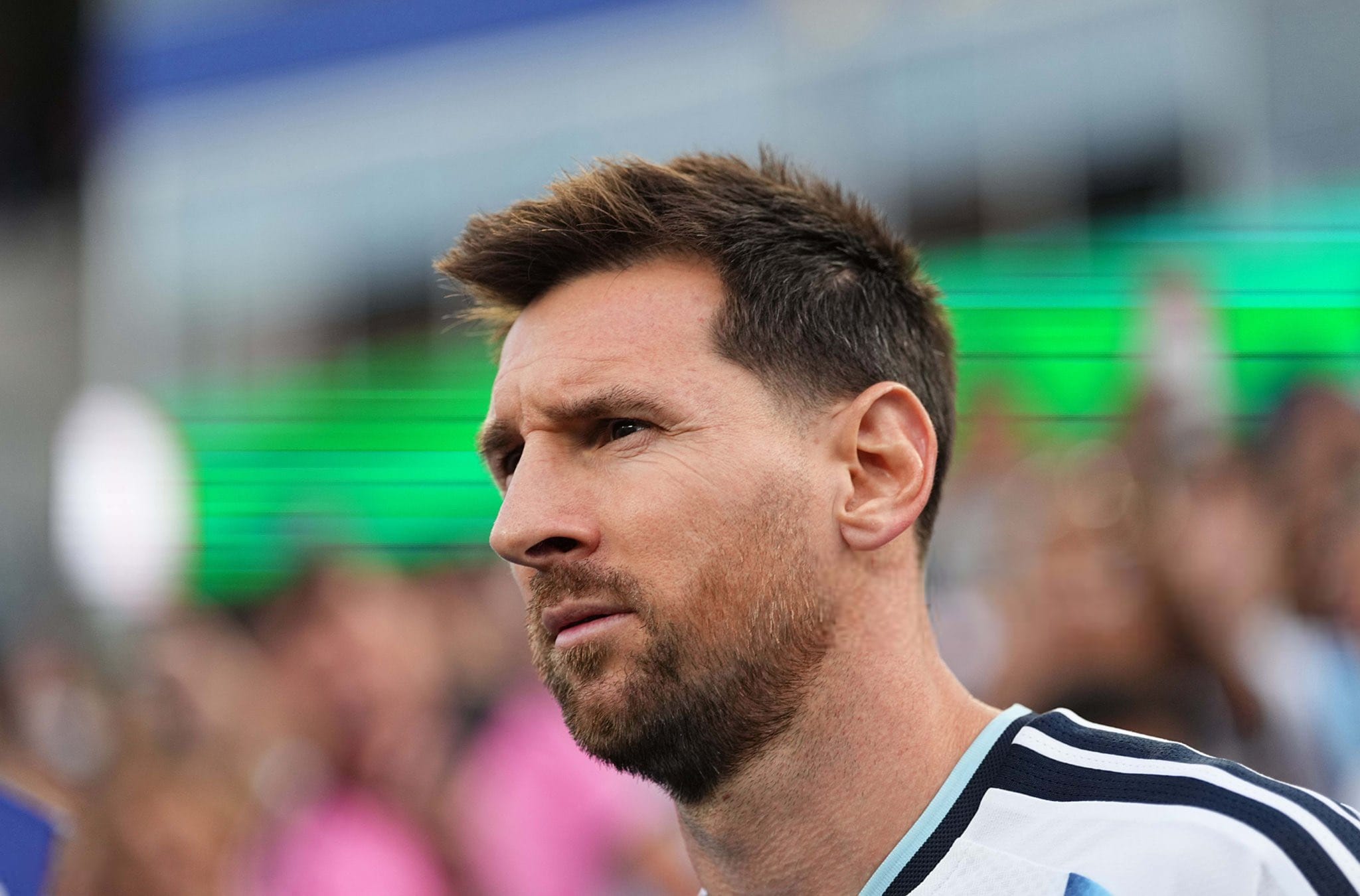
(Courtesy : Getty)
Messi shockingly announced international retirement in 2016.
Lionel Messi has cemented his status as one of the greatest players to grace the sport. His technical ability, unbelievable dribbling, and exceptional finishing, especially from set-pieces, have had a massive impact on the growth of future generations of footballers.
He is the most decorated player in the sport, having won the most Ballon d’Ors (8) and holding the record for the most titles won by a footballer in history, amassing an astonishing 47 major trophies for club and country.
Messi, who is currently captaining the Argentina national football team in the ongoing 2026 FIFA World Cup, shockingly announced his retirement from the national team on June 26, 2016, marking 10 years since the historic decision.
Why did Messi announce his retirement in 2016?
Catch Every Update, Anytime, Anywhere
Lionel Messi announced his retirement from international football after years of devastating results with the Argentina national team. He suffered four heartbreaking losses in major tournament finals, with three defeats coming in two consecutive years.
His first loss with the nation came in the 2007 Copa America final, held in Venezuela, losing 3-0 to Brazil in the final. His next major defeat came in the 2014 FIFA World Cup final in Brazil, suffering a 1-0 loss against Germany. This defeat was most emotional for the player, as it was his best performance in a major competition, with the player winning the Golden Ball for his contributions.
Lionel Messi then suffered two consecutive losses in the Copa America final, in 2015 and 2016, against Chile. Both defeats came in penalties, adding to the heartbreak for the player, with Messi missing his penalty in the 2016 final, leaving him distraught.
It was right after the 2016 Copa America that Messi announced his international retirement, citing the emotional distress caused by those results. The decision was also influenced by his dissatisfaction with Argentina’s FA regarding their logistical incompetence and organizational issues, affecting the team’s performance.
What happened after he returned?
Lionel Messi returned to the national team on 12 August, 2017, seven weeks after shocking retirement. He reserved his decision after massive public persuasion and a crucial face-to-face meeting with the new Argentinian manager.
Following his announcement, huge protests broke out in Buenos Aires, with fans taking it into the streets displaying the sign “No Te Vayas Lamine/Leo” (Don’t Go Leo), with iconic figures like Diego Maradona and Argentina’s president begging him to reconsider his decision.
Subsequently, the newly appointed manager, Edgardo Bauza, flew straight to Barcelona to meet the player, convincing the player with the new tactical style that would be implemented. Lionel Messi won his first-ever major title with Argentina in 2021, securing his Copa America title under manager Lionel Scaloni, defeating rivals Brazil 1-0 in the final.
This started the glorious years for the players and the nation. He next won the 2022 Finalissima title, securing a 3-0 commanding victory over reigning UEFA Euros winners Italy. In the same year, Messi won the biggest career achievement with the nation, defying all odds to win the 2022 FIFA World Cup title, with him securing the FIFA Golden Ball for the second time in his career, becoming the only player to achieve the feat.
Argentina continued their great run, securing their second consecutive Copa America title, defeating Colombia 1-0 in the final, effectively becoming the most successful team in the competition’s history.
For more updates, follow Khel Now on Facebook, Twitter, and Instagram; download the Khel Now Android App or IOS App and join our community on Telegram.