
The second-screen revolution: How gamification is transforming the Indian sports fan experience
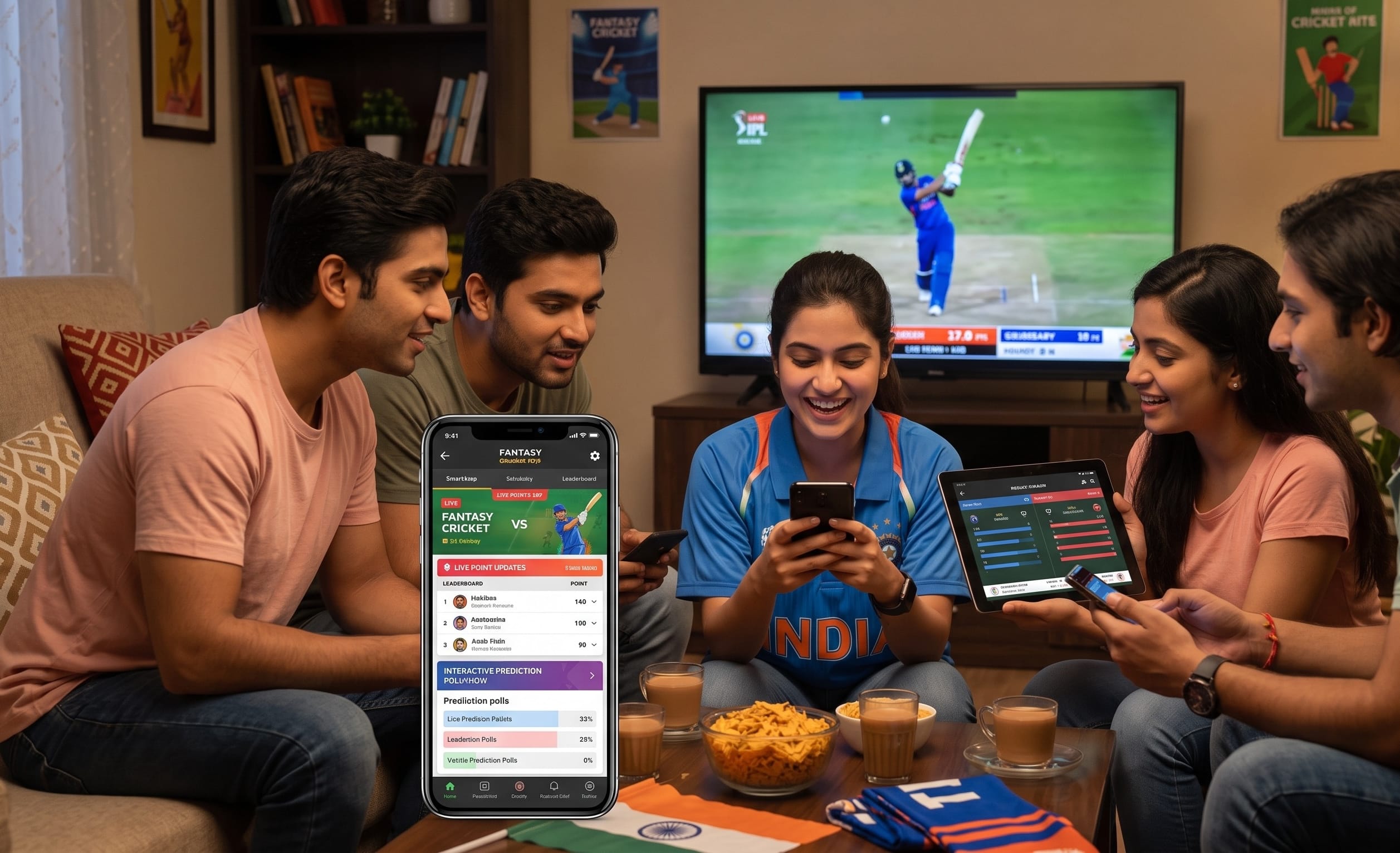
There was a time, not so long ago, when watching a cricket match in India was a communal, stationary event. You’d gather around the one house on the street with a reliable colour television, maybe share a few snacks, and sit through the adverts with nothing but the local chatter to keep you occupied. Fast forward to today, and the scene couldn’t look more different. If you walk into any living room during a big Indian Premier League (IPL) or Indian Super League (ISL) match, you’ll see eyes flitting between the big screen and the small one held firmly in hand.
This isn’t just about checking emails or scrolling through social media. We’re witnessing a complete overhaul of how people consume sport. It’s a shift from passive viewing to active participation. The “second-screen” isn’t a distraction; it has become the central hub for the modern fan’s experience. Whether it’s arguing about a VAR decision on Twitter or participating in real-time polls, the way Indian sports fans engage with their favourite teams has been completely gamified.
The evolution of the Indian sports fan: From passive spectators to digital participants
The landscape of Indian sports changed forever with the birth of the IPL in 2008. Suddenly, cricket wasn’t just a game; it was a high-production spectacle. It wasn’t long before the ISL followed suit, bringing that same level of glamour and professional structure to football. These leagues didn’t just bring in more money; they brought in a new kind of fan. This fan doesn’t want to just sit and watch for three hours. They want to be part of the narrative.
I’ve noticed that the younger generation of fans, particularly those who grew up with a smartphone as an extension of their arm, view sports as an interactive platform. The rise of these domestic leagues provided the perfect playground for digital innovation. In the early days, you might have sent a text message to vote for the ‘Man of the Match’. Today, you’re likely managing a full fantasy squad, tracking live player heat maps, and chatting with thousands of other supporters in real-time.
The ISL, in particular, has done a fantastic job of integrating digital touchpoints. They’ve recognised that the Indian football fan is often a global fan as well, someone who is used to the high-tech broadcasts of the Premier League. To keep them engaged, the experience has to be snappy and rewarding. This evolution from being a spectator to a “participant” means that the game doesn’t end when the whistle blows. The discussion, the stats, and the mini-games keep the momentum going 24/7.
The second-screen phenomenon: Why 70% of fans can’t put their phones down
Catch Every Update, Anytime, Anywhere
It’s a staggering statistic when you think about it: nearly 70% of sports fans are using their mobile devices for social interaction while a live broadcast is happening. If you’ve ever found yourself refreshing a live commentary feed while the game is playing right in front of you, you’re part of this global trend. But in India, this phenomenon has a unique flavour.
Social interaction is the heartbeat of Indian culture. We love to talk, we love to debate, and we certainly love to share our opinions on sport. The second screen allows for a “virtual stadium” experience. If you’re watching a match alone at home in Mumbai, you aren’t really alone. You’re part of a digital crowd that’s tens of millions strong.
This trend is driven by the desire for more context. A broadcast can only show so much. The phone provides the rest: what are the experts saying on social media? What’s the win probability right now? This layer of data adds a gaming element to the viewing. You aren’t just watching a bowler run in; you’re checking if he’s about to hit the performance milestones you predicted in your group chat. It turns the entire three-hour broadcast into a series of micro-moments that demand your attention.
Bridging the interval: Making the most of the halftime break
One of the biggest challenges for any sports broadcaster is keeping the audience from wandering off during the break. Traditionally, this was the time to go put the kettle on or grab a snack. But in the digital age, the interval is prime real estate for gamification. Social gaming and interactive digital cards have started to replace the old-fashioned halftime analysis shows that many of us used to mute.
One of the most interesting developments I’ve seen is the rise of “Matchday Bingo.” It’s a clever, interactive layer where fans use digital cards to track specific events that might happen in the second half. You might have a square for a “Substitute Goal,” a “Clean Sheet,” or even “More than 5 Yellow Cards.”
It’s a brilliant way to keep fans invested in the minutiae of the game. Suddenly, a late-game substitution isn’t just a tactical move; it’s a moment that could help you complete your card. This kind of social gaming bridges the gap between the high-octane action on the pitch and the lull of the halftime whistle. It keeps the brain engaged and gives fans a reason to stay glued to the screen (and their phones) even when the players are in the dressing room. According to recent insights from Wikipedia’s sports broadcasting pages, interactive features like these are becoming standard in modern streaming platforms to boost viewer retention.
The fan experience: The value of casual gaming moments
Watching a high-stakes match, especially one involving the national team or a closely contested IPL derby, can be genuinely stressful. Your heart rate is up, your focus is intense, and the emotional stakes are high. This is where the psychology of casual gaming comes into play. Between those high-pressure moments, the human brain actually looks for a way to decompress without completely switching off from the entertainment experience.
Many fans have found that “Double Bubble” style casual games provide the perfect mental reset. These are the sorts of games that are easy to pick up, visually bright, and offer a quick sense of progression. I find that when there’s a break in play or a particularly long VAR review, a few minutes of something light and colourful helps manage that matchday tension.
It’s a bit like a palate cleanser between courses of a meal. You don’t want something heavy or complex; you want something that offers a bit of dopamine-driven relaxation. By engaging in these casual gaming moments, fans can stay in the “zone” of entertainment while giving their “sports-brain” a much-needed rest. This balance helps prevent the burnout that can sometimes come with following a long tournament or a particularly gruelling season.
Virtual fan parks: The future of community engagement
As we look toward the future, the concept of the “Fan Park” is moving from physical spaces into the digital realm. Not everyone can make it to a stadium or a crowded city square, but everyone can join a virtual hub. These virtual fan parks are becoming sophisticated ecosystems where live scores, social feeds, and interactive games all live under one roof.
Within these hubs, we’re seeing a resurgence of classic community games. For example, bingo has emerged as a surprisingly effective community-building tool. It’s a game that almost everyone knows how to play, and when it’s integrated into a sports theme, it creates a shared objective for thousands of fans at once. It’s not just about winning; it’s about the collective experience of marking off those numbers as the live scores and match events roll in.
These hubs centralise the fan experience. Instead of hopping between five different apps, you have your live stream, your chat, and your games in one place. It creates a sense of belonging that is hard to replicate. You can see how others are reacting, compete in small challenges, and feel like you’re part of a living, breathing community. It’s the ultimate expression of the second-screen revolution—a space where the line between watching and playing is almost completely blurred.
A new era of fandom
The way we watch sports in India has changed for good, and honestly, I think it’s for the better. The integration of gamification doesn’t take away from the purity of the sport; it adds a new dimension to it. It gives us more ways to connect with our friends, more ways to understand the game, and more ways to stay entertained during the quiet moments.
Whether you’re a die-hard cricket fan who knows every stat or someone who just enjoys the spectacle of the ISL, these digital tools are designed to make your experience more personal and engaging. The second-screen revolution is here to stay, and as technology continues to evolve, the bond between the fan and the game will only get stronger. Next time you’re watching a match, take a look at your phone. You aren’t just looking at a screen; you’re looking at your ticket to a much bigger, much more exciting world of sport.
***
Please gamble responsibly. For help and support regarding gambling, please contact the relevant national support organisations. Remember that gaming should always be a form of entertainment, not a way to solve financial problems. 18+ only.
What is the second-screen experience in sports?
The second-screen experience refers to fans using smartphones or tablets while watching live sports to engage with social media, fantasy sports, live statistics, polls, and interactive content.
How is gamification changing sports viewing in India?
Gamification is making sports more interactive through fantasy leagues, live polls, prediction games, quizzes, digital rewards, and social challenges that keep fans engaged throughout a match.
Why do Indian sports fans use a second screen during live matches?
Fans use a second screen to discuss matches on social media, track live statistics, follow expert opinions, participate in fantasy sports, and enjoy interactive features that enhance the viewing experience.