
Australian Open 2026: Top five controversies
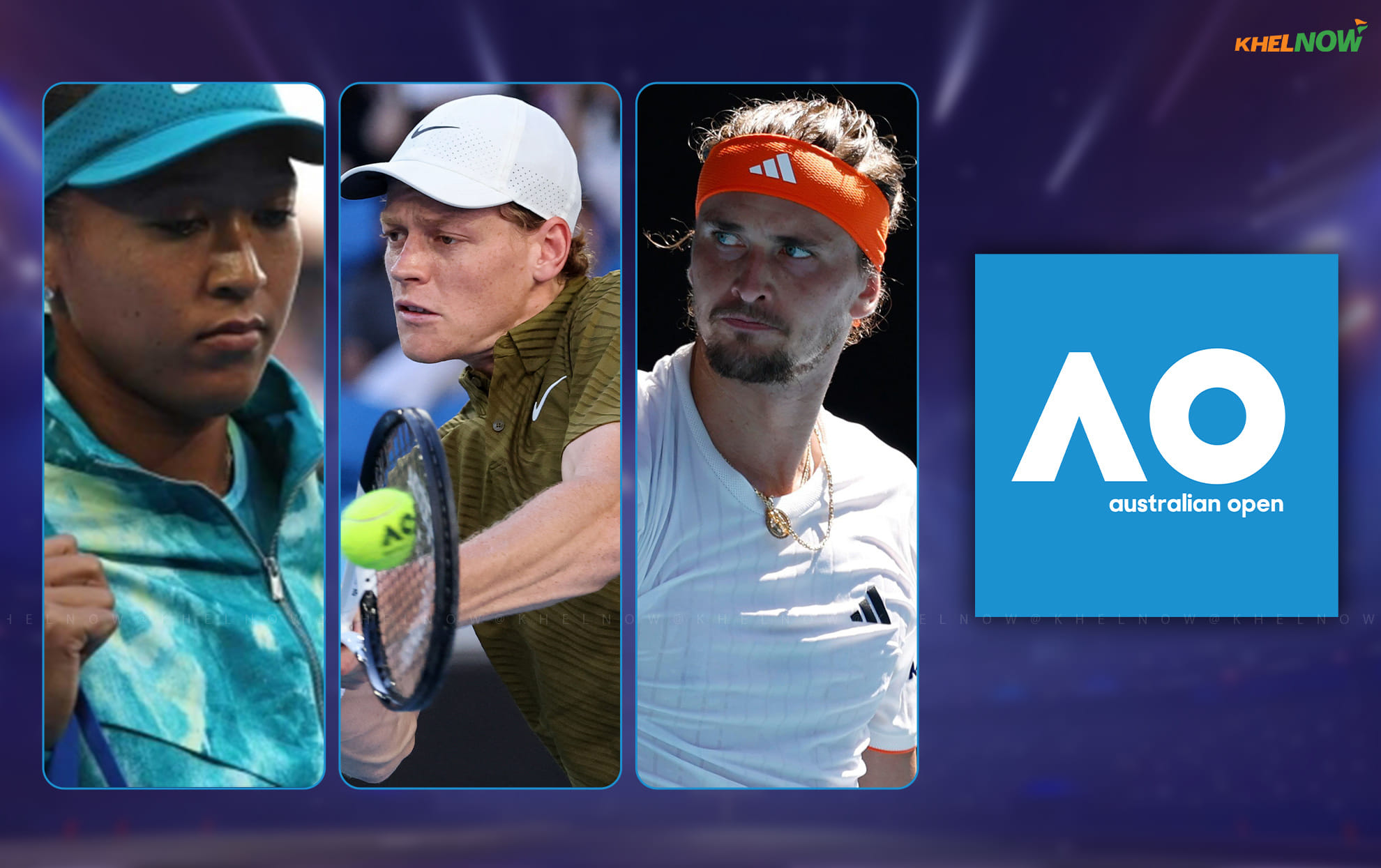
Several top players were at the centre of controversies at the recently concluded Australian Open.
The Australian Open 2026 had its share of a series of off-court and on-court controversies, with players openly questioning privacy boundaries, umpiring consistency, and perceived favoritism.
From Coco Gauff’s private frustration being broadcast, to disputed medical timeouts, hindrance calls, and heat-break decisions, the tournament sparked widespread debate about player welfare, rule enforcement, and the growing intrusion of constant camera coverage in elite tennis.
Let’s have a look back at the top five controversies occurred during the first Grand Slam of the year:
Players demand for increased privacy amidst limited personal space with cameras stationed everywhere
Catch Every Update, Anytime, Anywhere
The biggest controversy at the Australian Open 2026 stemmed from Coco Gauff’s quarterfinal loss to Elina Svitolina, after which she sought a seemingly private spot near Rod Laver Arena to vent her frustration by smashing her racket, only for the moment to be captured on camera and broadcast globally.
This incident highlighted the intense surveillance players face off-court, with cameras in hallways, warm-up areas, and backstage zones leaving little personal space for emotional recovery.
Gauff expressed disappointment, noting that such private moments shouldn’t be aired, and emphasized that the locker room felt like the only truly private area.
The episode sparked broader debate among players about the balance between fan engagement, content creation, and athletes’ mental well-being in an era of constant coverage. Players have voiced strong support for greater privacy amid limited personal space.
Iga Swiatek questioned the invasive culture, asking: “The question is, are we tennis players, or are we, like, animals in the zoo where they are observed even when they poop? … OK, that was exaggerating obviously, but it would be nice to have some privacy. It would be nice also to have your own process and not always be observed.”
The WTA Chair Valerie Camillo affirmed: “Recent concerns raised by WTA players at the Australian Open about cameras in off-court player areas are completely valid.
This is a very human and fair request – athletes need spaces where they can recover and not feel constantly under scrutiny.” Tennis Australia acknowledged the need for compromise while defending fan connection through such footage.
Novak Djokovic too empathized with Gauff, saying: “It’s really sad that you can’t move away anywhere and hide and fume out your frustration… I’m surprised we have no cameras while we’re taking a shower.
That’s probably the next step… I’m against it. I think there should be a limit and a borderline where this is our space.”
Also Read: Australian Open 2026: Top five best moments
Alexander Zverev calls out organisers for openly favoring Carlos Alcaraz by flouting rules mid-match
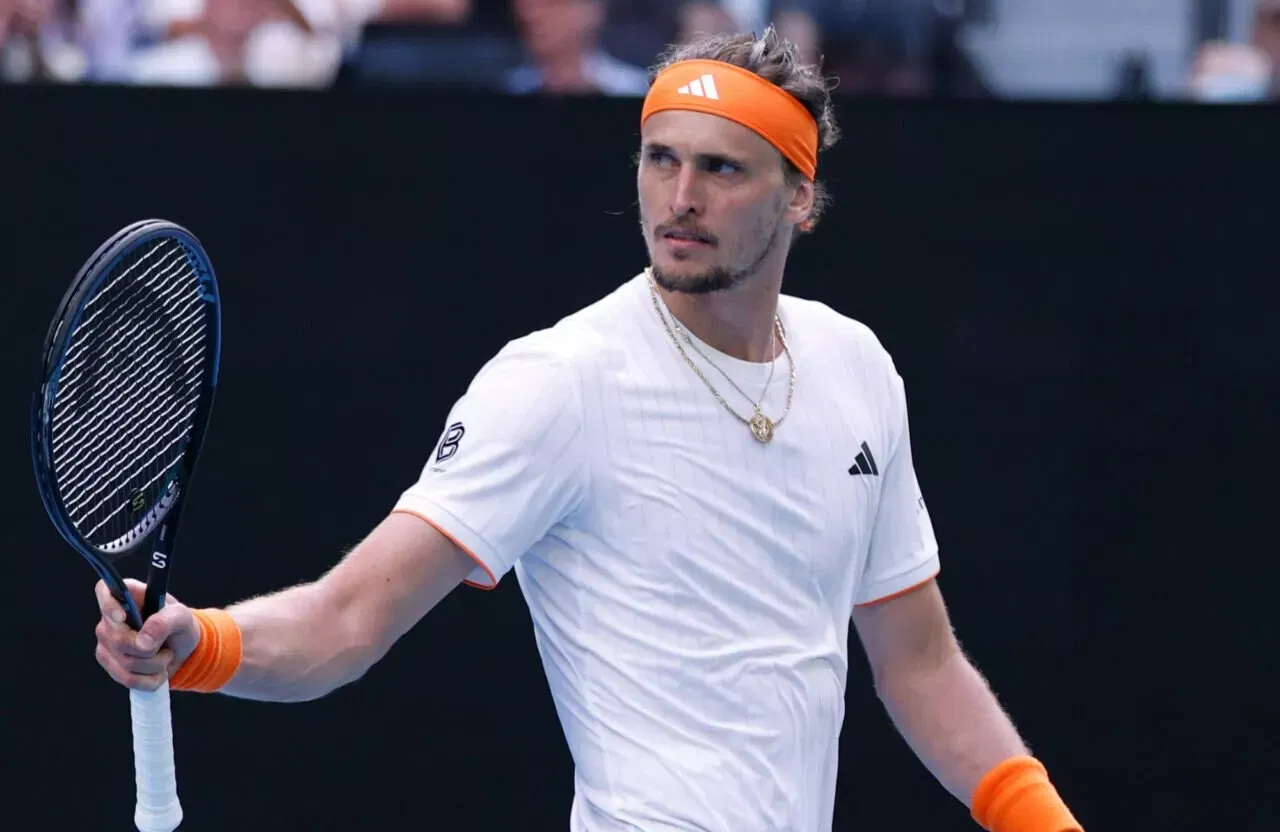
Alexander Zverev accused Australian Open officials of favoritism during his marathon 2026 semifinal loss to Carlos Alcaraz, after the Spaniard was granted an extended medical timeout for what Zverev believed were cramps.
With Alcaraz leading by two sets, his movement visibly dipped midway through the third, prompting on-court treatment, thigh massages, pickle juice, and a three-minute medical timeout announced by the chair umpire.
Zverev angrily protested, arguing that cramps do not qualify for medical timeouts under Grand Slam rules, and confronted the supervisor, alleging rule-bending to protect top players. “He has cramp! He can’t take a medical, he is cramping. What else should it be? This is absolute bull****! This is unbelievable,” he shouted.
Under Australian Open regulations, cramps are classified as a loss of physical condition and are meant to be treated only during changeovers, not via formal medical timeouts. Zverev claimed the extra recovery time erased his hard-earned fitness advantage in the five-hour, 27-minute contest.
Aryna Sabalenka given hindrance warning in semi-final clash
The incident unfolded in the Australian Open 2026 women’s singles semi-final when World No. 1 Aryna Sabalenka faced Elina Svitolina on Rod Laver Arena. In the opening point of the fourth game of the first set (with Sabalenka leading 2-1 overall), Sabalenka hit a mishit forehand return that sailed deep but stayed in play.
As the ball bounced near the baseline, Sabalenka let out her characteristic loud grunt during the shot, followed by an extended frustrated groan or exclamation (“UH-AYA” or similar vocalization) upon realizing she thought it might go out.
Chair umpire Louise Engzell (or Louise Azemar Engzell) immediately halted play and issued a hindrance call against Sabalenka, ruling that the second noise was not a “normal” grunt and had distracted Svitolina as she prepared to return the still-live ball. The point was awarded to Svitolina, sparking immediate disbelief from both players.
Also Read: How does top 10 of WTA rankings look after Australian Open 2026?
The Belarusian vehemently protested, demanding a video review on the big screen (which was granted but upheld the call), exclaiming things like “What? What is wrong with you?!” to the umpire.
The decision stood as a point penalty for hindrance under ITF rules, which prohibit deliberate or unintentional actions that hinder an opponent during a point.
Sabalenka, who claimed this had “actually never happened to me” especially regarding her grunting, described it as her simply “exhaling” or reacting naturally after the shot, calling it the “wrong call” and “so off.”
She remained furious post-match, saying the umpire “really pissed me off”, but noted it motivated her to play more aggressively, helping her break and dominate the match 6-2, 6-3 to reach her fourth straight AO final.
Jannik Sinner gets lucky as he avoids an early exit at the Australian Open
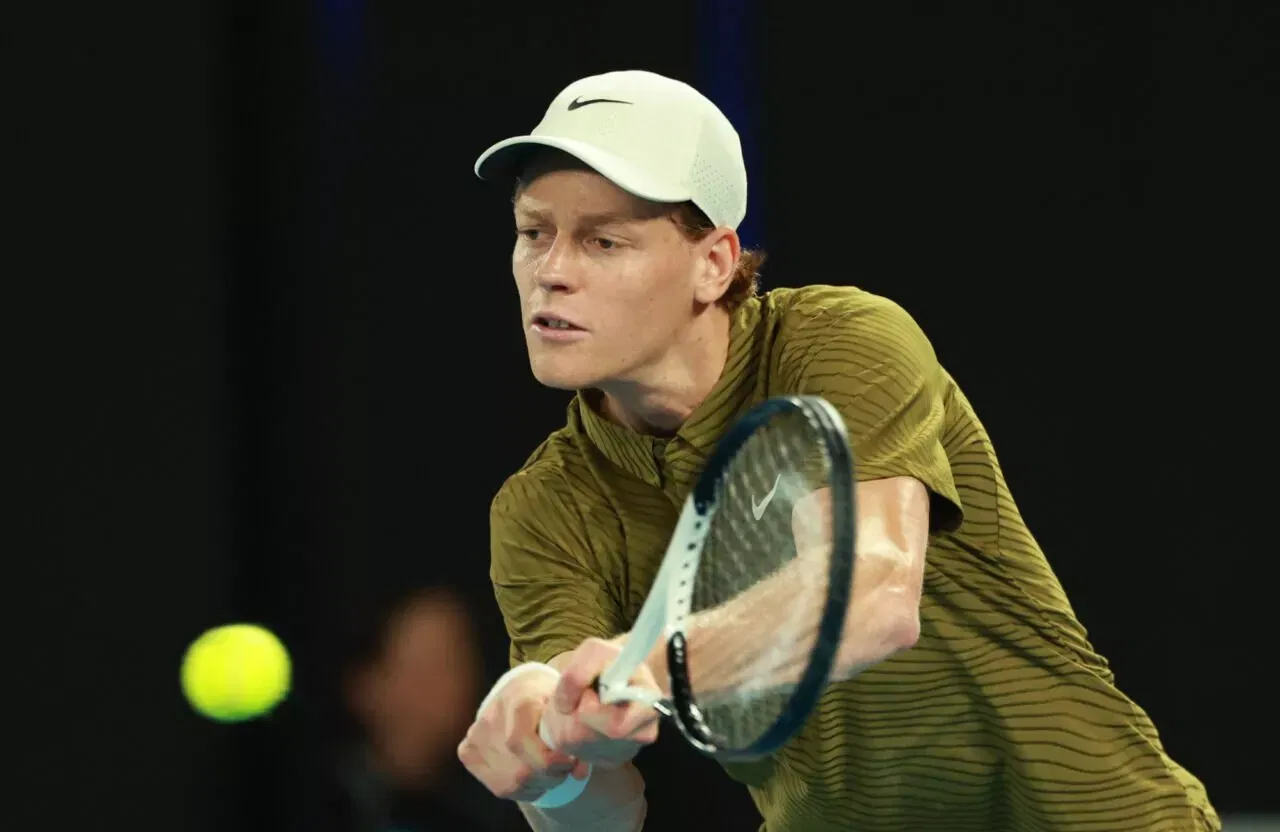
The Jannik Sinner heat break controversy erupted during the Australian Open 2026 third-round match on January 24, 2026, when the defending champion and world No. 2 Jannik Sinner faced American qualifier Eliot Spizzirri on Rod Laver Arena.
Amid extreme Melbourne heat exceeding 36-40°C, Sinner suffered severe full-body cramps (starting in his legs and spreading to his arms), visibly struggling to move, serve, or compete effectively.
Trailing 4-6 in the first set but winning the next two, the match turned pivotal in the third set with Spizzirri leading 3-1 and momentum firmly on his side, the Italian appeared on the verge of retirement or collapse. At that critical juncture, the tournament’s heat stress scale hit the mandatory threshold of 5.0, triggering the Extreme Heat Policy
Play was suspended for about 10 minutes, outdoor courts were halted, and the Rod Laver Arena roof was closed, shifting conditions to cooler, air-conditioned indoor play.
Sinner used the break to recover (admitting he “got lucky” with the timing), returned moving freely, immediately broke back, and rallied to win 4-6, 6-3, 6-4, 6-4, advancing to the fourth round.
The decision to enforce the heat rule sparked intense backlash from fans, who accused organizers of favoritism toward the top seed, claiming the “perfectly timed” intervention robbed Spizzirri of a potential upset and handed Sinner an unfair lifeline.
A viral backstage clip showed Sinner’s coach Darren Cahill briefly speaking with tournament director Craig Tiley during the suspension, fueling conspiracy theories of undue influence or special treatment. Tournament officials defended the call as standard protocol for player safety, applied uniformly across the event.
Novak Djokovic’s wife slams poor ruling during Naomi Osaka’s heated win against Sorana Cristea
The argument between Naomi Osaka and Sorana Cirstea erupted during their second-round match at the Australian Open where Osaka prevailed 6-3, 4-6, 6-2 on Margaret Court Arena.
Tensions arose primarily from Osaka’s frequent loud “come on!” exclamations to pump herself up, which Cirstea found distracting, especially when shouted between her first and second serves after missing a first serve.
Cirstea complained to the chair umpire during the match about the timing of these outbursts, viewing them as unsportsmanlike hindrance or poor etiquette, though no official hindrance or code violation was called against Osaka.
The frustration boiled over post-match with a frosty, brief handshake at the net with Cirstea reportedly telling the Japanese something along the lines of “You have been playing on the tour for so long, you have no idea what fair play is,” expressing her displeasure at the self-motivational shouts.
In her on-court interview, Osaka casually dismissed the issue with “Apparently a lot of ‘come ons’ that she was angry about, but whatever… I think this is her last Australian Open so, okay, sorry she’s mad about it,” which came across as sarcastic and further irked many.
Osaka later apologized in her press conference, admitting her initial comments were disrespectful and that emotions ran high, emphasizing she doesn’t like disrespecting people.
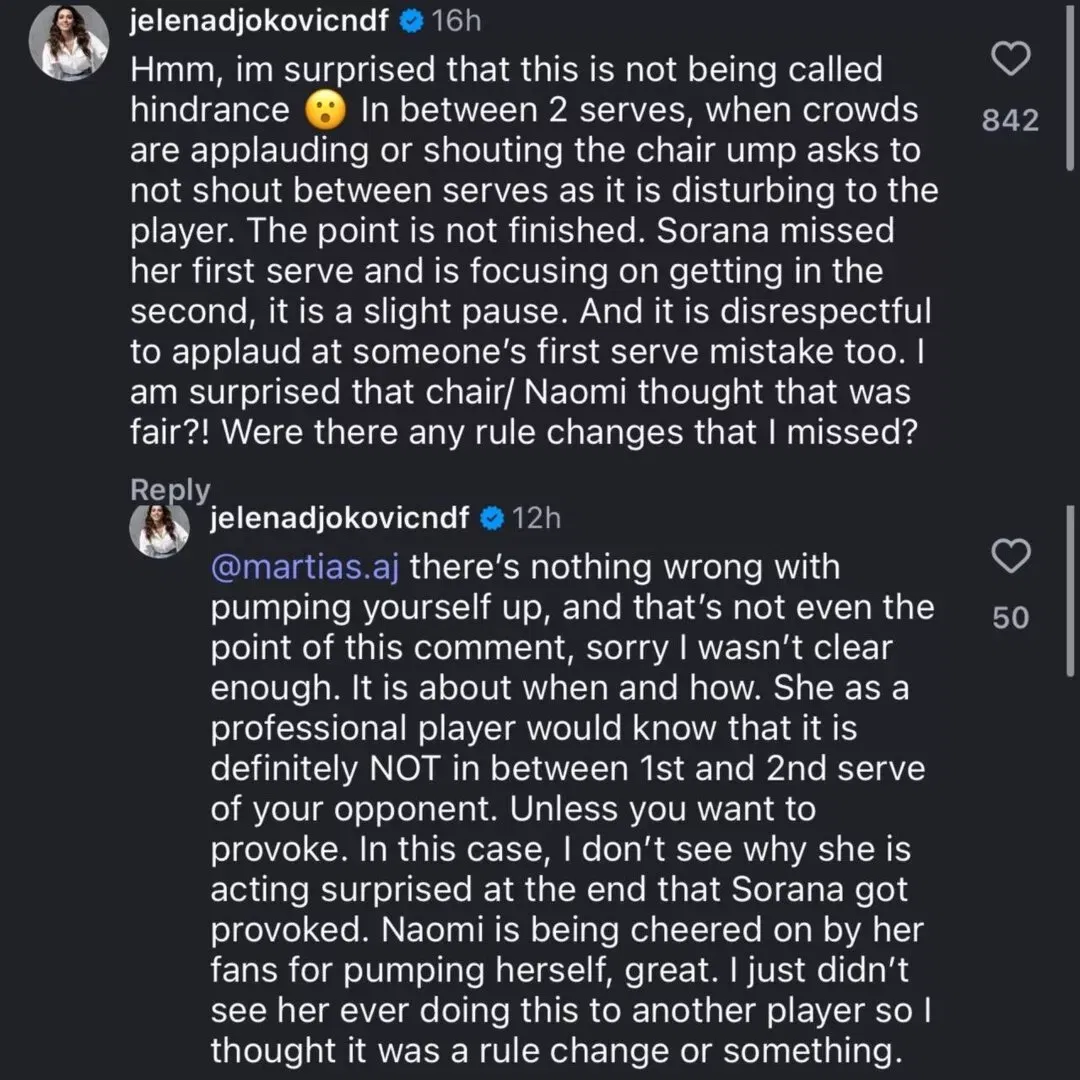
Novak Djokovic’s wife, Jelena Djokovic, publicly weighed in on the controversy via an Instagram comment on a video of the incident, slamming both Osaka’s behavior and the chair umpire’s handling of it as unfair.
She wrote: “Hmm, I’m surprised that this is not being called hindrance. In between 2 serves, when crowds are applauding or shouting, the chair ump asks not to shout between serves as it is disturbing to the player. …
And it is disrespectful to applaud at someone’s first serve mistake, too. I am surprised that chair/ Naomi thought that was fair?! Were there any rule changes that I missed?!”
Jelena’s remarks sided with Cirstea, labeling Osaka’s actions “disrespectful” and questioning why no penalty was issued for potential hindrance.
What was the biggest controversy at Australian Open 2026?
One of the biggest controversies involved Coco Gauff’s emotional moment being filmed and broadcast without her consent, raising concerns about player privacy.
Why did Alexander Zverev accuse officials of favoritism at Australian Open 2026?
Zverev claimed Carlos Alcaraz was wrongly allowed a medical timeout for cramps, which he believed went against tournament rules.
What happened in Aryna Sabalenka’s hindrance incident?
Sabalenka was given a hindrance warning for making an extra noise during a point, which the umpire ruled as distracting her opponent.
Why was Jannik Sinner’s match controversial at Australian Open 2026?
Sinner benefited from a heat break at a crucial moment in his match, allowing him to recover and stage a comeback, leading to accusations of favoritism.
What was the Naomi Osaka–Sorana Cirstea dispute about?
Cirstea objected to Osaka’s loud celebrations between serves, calling them distracting. Novak Djokovic’s wife later criticized the umpiring decision.
For more updates, follow Khel Now on Facebook, Twitter, and Instagram; download the Khel Now Android App or IOS App and join our community on Whatsapp & Telegram