
Would a 64-team FIFA World Cup improve or ruin the tournament
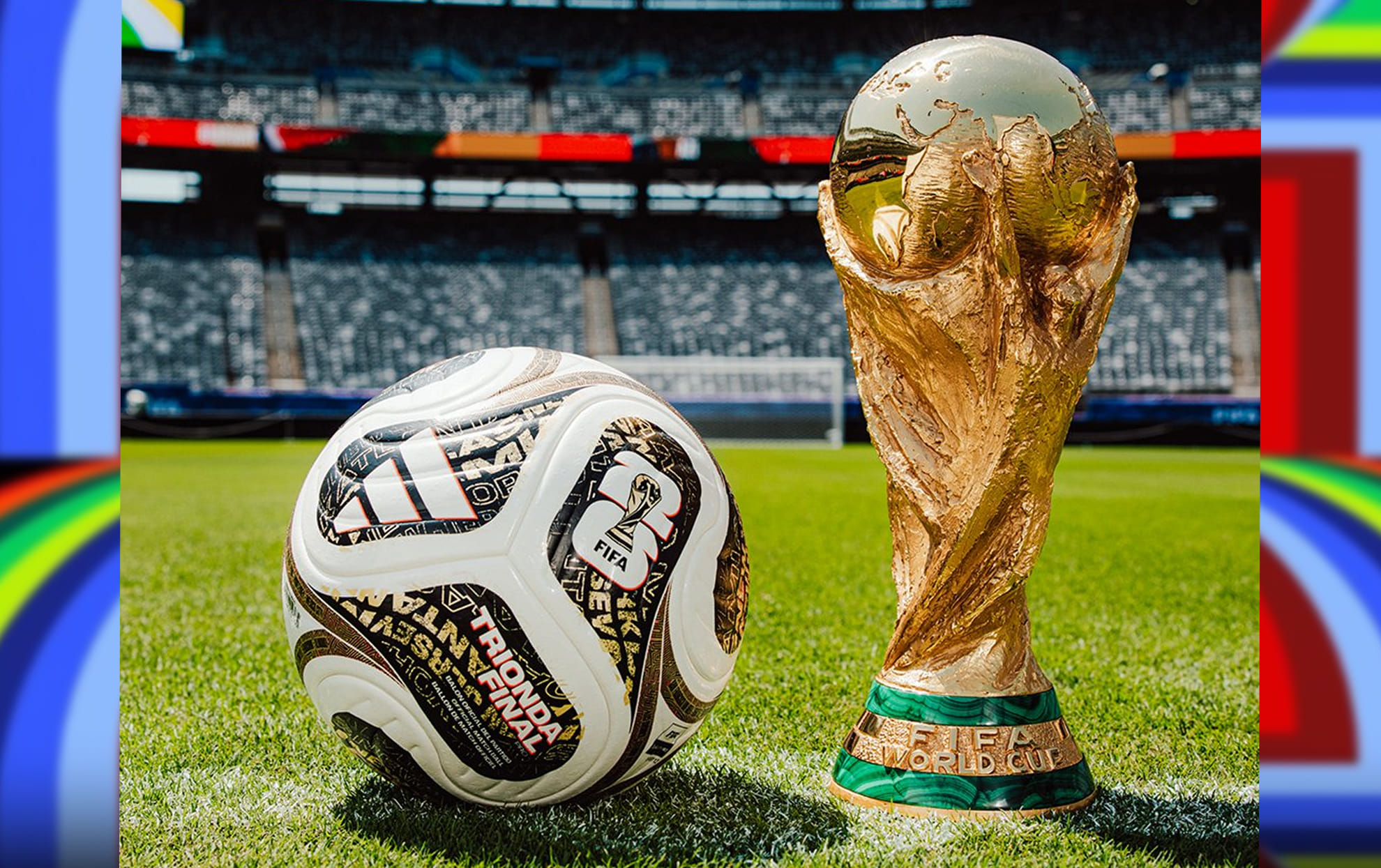
Football’s biggest event could soon get even bigger. FIFA president Gianni Infantino has raised the possibility of going beyond the new 48-team setup, with a 64-team FIFA World Cup expansion potentially arriving as early as 2030. That idea has quickly divided fans, analysts, and football officials. For some, a larger field sounds exciting and more inclusive. For others, it risks turning the sport’s biggest tournament into something bloated and uneven.
What the numbers say about competitiveness
Catch Every Update, Anytime, Anywhere
The 32-team format, used from 1998 to 2022, is still seen by many as the sweet spot. The group stage usually had enough quality to stay compelling, the knockout rounds felt open, and there were just enough surprise results to keep the tournament fresh without dragging down the standard.
The 48-team version coming in 2026 has already sparked concerns about dilution. Expanding again to 64 would only intensify them. Looking back at previous tournaments, one trend stands out clearly. As more teams qualify, the ranking gap between group-stage opponents tends to grow. In a 64-team field, around 20 nations would likely sit outside the global top 50. That would make one-sided group matches much more common.
Still, World Cups are not decided by rankings alone. Tournament football has always made room for chaos. Saudi Arabia beating Argentina in 2022 remains one of the most shocking results the competition has ever seen, and that came in the supposedly balanced 32-team era. A larger World Cup could create more chances for those headline-grabbing upsets. Even so, the odds of lower-ranked teams making a serious run through a 64-team knockout bracket would still be fairly low.
Fixture congestion and player welfare
The biggest issue for clubs and players is not really competitive balance. It is the number of matches. A 64-team World Cup would need at least 96 games to produce a champion, compared with 64 in the 32-team format. That is a huge increase, and it would land on a calendar that already feels overloaded.
The FIFA World Cup 2026 semi-final matches already show how much the 48-team structure stretches the tournament. Moving to 64 teams would push things even further and raise real concerns about recovery time, injury risk, and whether top European clubs would be willing to release players for an even longer stretch.
Sports scientists have been warning about cumulative fatigue for years. In elite football, tired legs usually lead to more injuries, lower intensity, and a drop in performance. Adding extra games to a tournament that arrives after a long club season is not a minor adjustment. It has clear consequences for player welfare, especially for those expected to go deep into the competition.
Risk, reward and the entertainment equation
Sports have expanded before, so FIFA would not be stepping into totally new territory. UEFA recently reshaped the Champions League from a 32-team group stage into a 36-team league phase, largely in pursuit of broader participation and higher revenue. The NBA, NFL, and cricket’s ICC tournaments have all increased the size of their events over time. The results have been mixed when it comes to pure sporting quality, but commercially the logic is easy to understand.
That same trade-off between quality and scale shows up in other entertainment markets too. Dutch audiences, for example, know that more choice does not always lead to a better experience. In online entertainment, platforms offering the best casino bonuses by NOC have learned that well-curated quality often works better than sheer volume. The comparison is not perfect, but the lesson still fits. If a tournament keeps adding entrants without enough thought, the overall experience can start to feel thinner rather than richer.
What expansion would mean for scoring records
One angle that does not get enough attention is how a 64-team tournament could affect individual records. More matches would give players who reach the later rounds extra chances to pile up goals and assists. A look at top goalscorers in a single World Cup edition shows how heavily those numbers depend on how far a team advances. In a 64-team structure, a finalist could potentially play seven matches instead of six under the 32-team model. That may sound like a small difference, but for record chasers it matters.
That could leave the sport with inflated numbers that are harder to compare across eras. On the other hand, it might also give players from smaller nations a better chance to post memorable totals and leave a mark on the tournament’s history.
A bigger tournament is not automatically a better one
Expansion makes obvious sense for FIFA on a commercial and political level. More teams mean more television markets, more sponsorship opportunities, and more goodwill among confederations that have long felt underrepresented on the biggest stage.
But the World Cup has always drawn much of its power from scarcity. It matters because qualifying is hard and places are limited. If too many teams are let in, even gradually, the tournament risks losing part of what makes it special in the first place. The numbers do not give a simple yes or no answer, but they do point to one thing. Growth without careful safeguards would be a real gamble with the identity of football’s biggest event.
Is FIFA planning to expand the World Cup to 64 teams?
FIFA has discussed the possibility of expanding the FIFA World Cup beyond the 48-team format that debuts in 2026. While a 64-team tournament has been proposed for future editions such as 2030, no final decision has been made.
Why is FIFA considering a 64-team World Cup?
The main reasons include increasing global participation, creating more opportunities for emerging football nations, expanding television audiences, attracting additional sponsorship revenue, and strengthening FIFA’s relationships with member associations.
How many teams will compete in the 2026 FIFA World Cup?
The 2026 FIFA World Cup will feature 48 national teams, making it the largest tournament in the competition’s history. It will be hosted jointly by the United States, Canada, and Mexico.
How many matches would a 64-team FIFA World Cup have?
A 64-team World Cup would require significantly more matches than previous formats. Depending on the tournament structure, it would feature at least 96 matches, creating a much longer competition schedule.
For more updates, follow Khel Now on Facebook, Twitter, and Instagram; download the Khel Now Android App or IOS App and join our community on Telegram.