
ISL Clubs jointly issue statement amid growing uncertainty over the future of Indian top divison
ISL Clubs had earlier suggested a club-led model to AIFF.
Catch Every Update, Anytime, Anywhere
Just a day after the conclusion of the Indian Super League 2025-26 season, ISL clubs jointly issued a strongly worded statement expressing frustration over the growing uncertainty surrounding Indian football. FC Goa, Bengaluru FC, Odisha FC, Kerala Blasters and SC Delhi were among the clubs to have shared it on their social media at the time of writing.
The statement came amid mounting financial concerns, lack of commercial clarity, and administrative instability following the expiry of the Master Rights Agreement between the All India Football Federation and Football Sports Development Limited.
What initially began as a delayed campaign eventually exposed deeper structural issues within Indian football. Clubs that had heavily invested in infrastructure, players, and long-term development were forced to deal with financial losses, scheduling uncertainty, reduced revenues, and operational instability throughout the season.
Reflecting on the growing uncertainty, the clubs said in their joint statement:
“With deep concern and disappointment, the clubs of the Indian Super League wish to state that, given the continued uncertainty surrounding professional football in India, we are now compelled to review the extent of our commitment to the league beyond the current season.”
ISL club owners hold fresh talks with AIFF as uncertainty deepens
The tensions further escalated on May 23 after ISL club owners held two separate meetings with AIFF officials. The morning meeting was headed by AIFF president Kalyan Chaubey along with other federation dignitaries, while the evening discussion included deputy secretary general M Satyanarayanan and vice-president NA Haris.
However, despite multiple rounds of discussions, little progress reportedly emerged from either meeting.
During the discussions, the AIFF informed clubs that the federation is seeking General Body approval for negotiations related to the Genius Sports commercial deal. Despite that update, concerns among clubs reportedly remain unresolved.
ISL clubs are now expected to formally write to the AIFF requesting that no major decision be taken during the upcoming Special General Meeting (SGM). Several clubs are also understood to be exploring legal options as uncertainty surrounding the future of the league continues to intensify.
ISL clubs suffered heavy financial losses
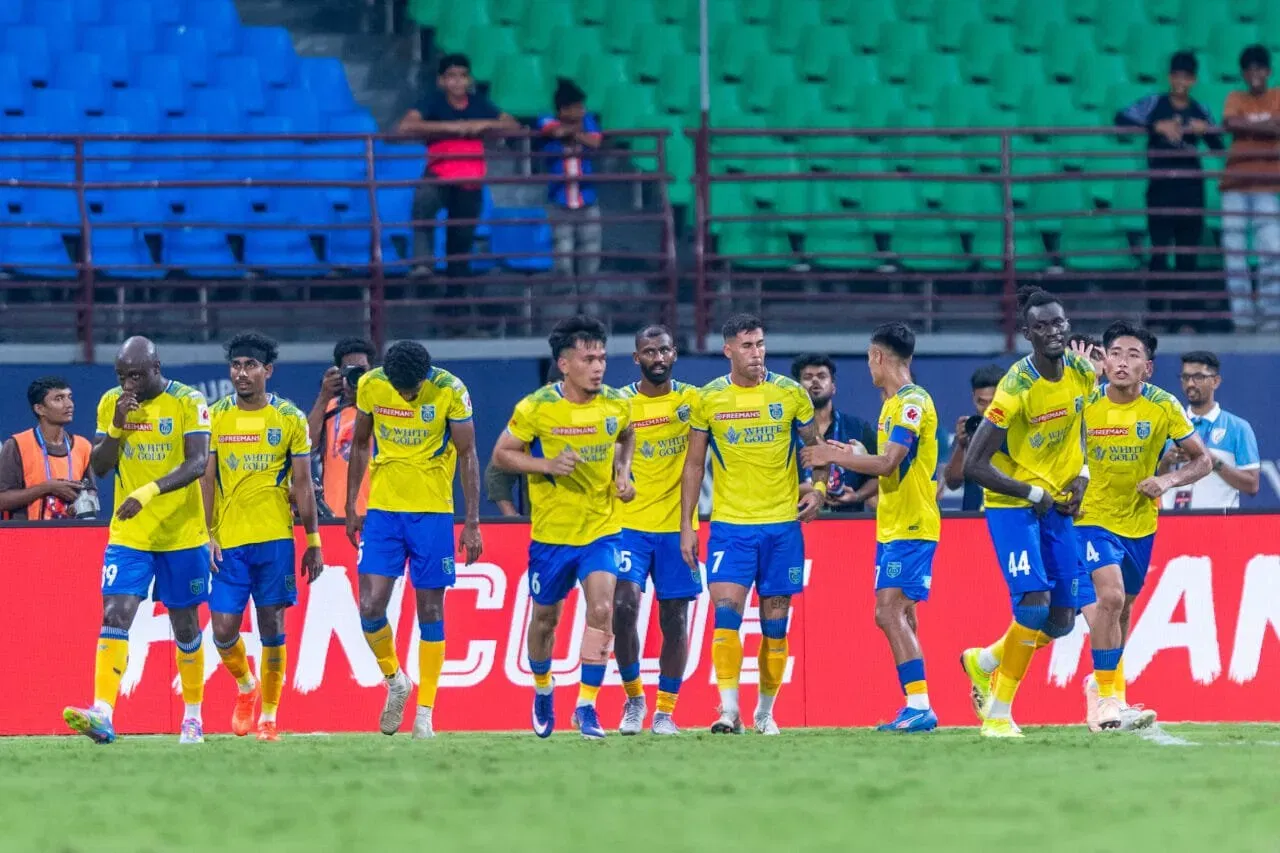
The shortened season severely impacted matchday revenue streams for several clubs. Lower fixture counts affected ticket sales, sponsorship activities, fan engagement, and merchandise revenue across the league.
Some clubs also struggled with logistical challenges during the campaign. Inter Kashi spent large parts of the season without a permanent home stadium, while multiple teams were forced to play extended stretches away from home. Despite declining revenue, clubs still had to cover salaries, travel, accommodation, stadium expenses, and operational costs.
The statement further highlighted the financial and operational burden clubs continue to carry despite the absence of long-term stability.
“Our clubs have consistently invested in Indian football, often in difficult and uncertain circumstances, and remain deeply committed to its future. However, the continued absence of structural certainty, commercial clarity and long-term visibility has made it increasingly difficult to justify the financial and operational commitments required to compete sustainably.” their joint statement added.
Delayed ISL season created wider instability
The uncertainty surrounding the future of the league after the expiry of the MRA delayed the start of the ISL 2025-26 season by several months. Eventually, the league was conducted in a compressed format, which not only disrupted planning but also affected the league’s continental standing.
East Bengal’s failure to secure a direct ACL 2 berth became the biggest sporting consequence of the shortened calendar. AFC regulations require domestic leagues to meet a minimum match threshold for continental qualification allocation, and the reduced ISL schedule failed to satisfy that benchmark.
The chaos extended beyond scheduling issues. AIFF’s commercial tender process initially failed to attract bids, creating further uncertainty regarding broadcasting and commercial partnerships. Investor confidence also took a hit during the prolonged period of instability.
Several clubs were forced to rely heavily on Indian players due to financial limitations and planning challenges. Teams such as FC Goa, Bengaluru FC, and Mohammedan SC fielded squads with minimal foreign reinforcements throughout the campaign.
The clubs addressed these issues directly in their statement.
“Indian football has the foundation to be far greater than it is today. It is therefore disappointing that those who have built, funded, promoted and sustained the league continue to face uncertainty over the very structure within which they are expected to operate.”
Clubs earlier proposed a club-led operational model
Amid the growing dissatisfaction, 13 of the 14 ISL clubs jointly proposed an alternative club-led operational structure to the AIFF.
Under the proposed model, clubs would have greater involvement in governance, scheduling, commercial negotiations, financial planning, and overall league operations. Similar structures are followed in competitions such as the Premier League, Bundesliga, and Major League Soccer.
The clubs also expressed willingness to collectively contribute funds toward operating the league structure themselves.
“At the heart of Indian football’s future must be a financially sustainable league. The clubs have proposed an alternative model which we believe is credible, constructive and worthy of being evaluated on merit, alongside any other proposal before the AIFF.”
The statement concluded with a direct appeal for collaboration and structural reform.
“We urge the AIFF to acknowledge the realities faced by those funding and operating the league, and work collaboratively towards a framework that is sustainable, inclusive and built with all stakeholders in mind.”
Why did ISL clubs issue a joint statement?
ISL clubs issued the statement due to growing uncertainty surrounding the future of Indian football, including concerns over governance, commercial clarity, and long-term league stability.
What concerns were raised by the ISL clubs?
The clubs highlighted financial instability, operational uncertainty, delayed planning, and the lack of a sustainable roadmap for professional football in India.
For more updates, follow Khel Now on Facebook, Twitter, Instagram, Youtube; download the Khel Now Android App or IOS App and join our community on Whatsapp & Telegram.