
F1 2026 Regulations Explained: Biggest Technical Overhaul in Formula 1 History

(Courtesy : Formula 1)
How the cars are changing in 2026?
2026 is a huge moment for Formula 1 (F1) that will see both the chassis and power units updated, in the biggest overhaul of regulations in the sport’s history. These changes will shake up the order and create new excitement, while delivering incredible racing.
Below is a summary of what to expect from F1 2026:
Chassis and aerodynamics:
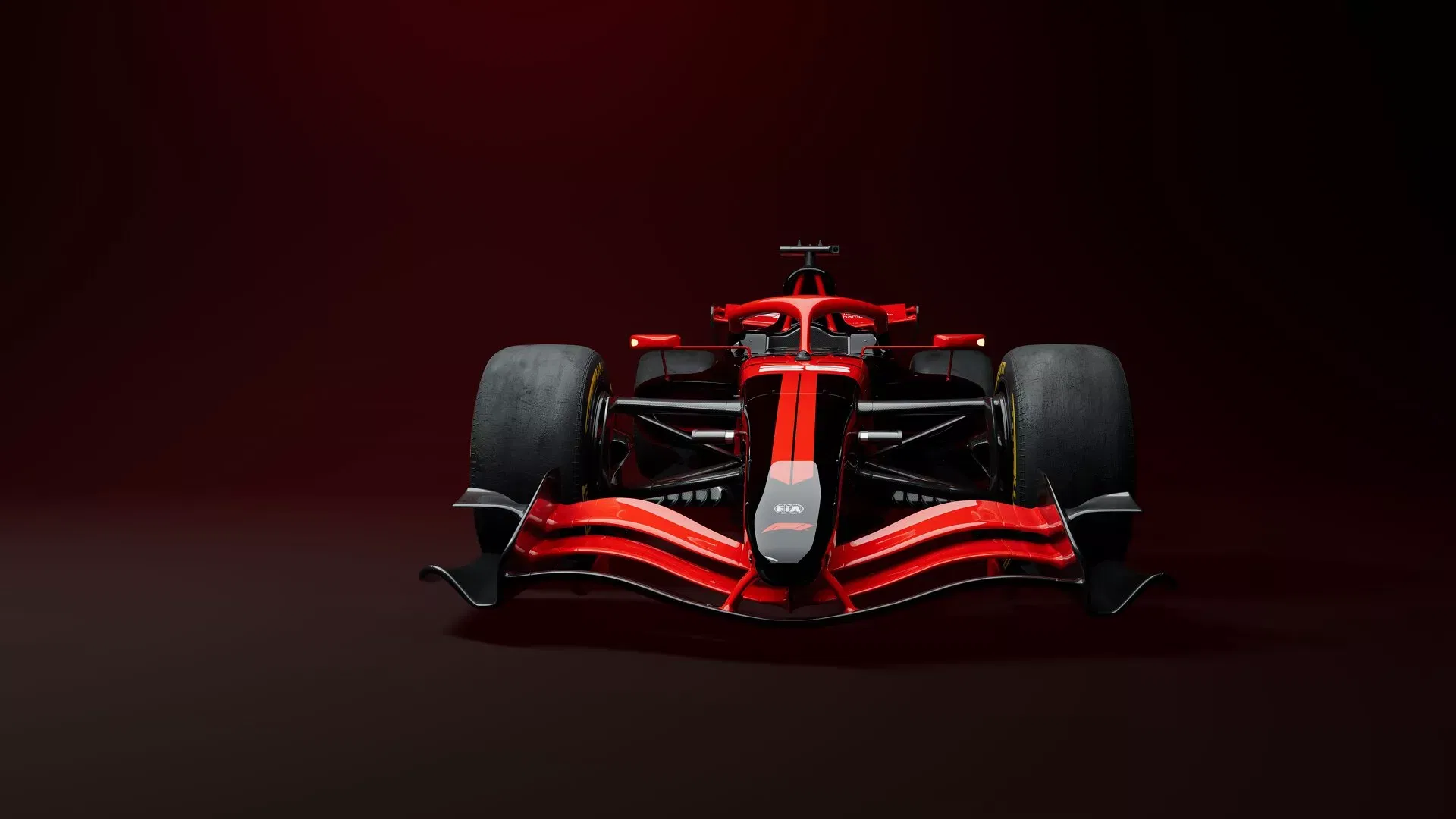
Smaller and lighter: Wheelbase reduced by 200mm (to 3400mm), width by 100mm (to 1900mm), floor width cut by 150mm and minimum weight down 30kg (to 770kg), all designed to make the cars more agile and responsive.
Reduced Downforce: Overall downforce reduced by ~15-30% from removed ground-effect floor tunnels.
Reduced drag: Overall drag reduced by up to 40%.
Active aerodynamics: Movable front and rear wings replace Drag Reduction System (DRS) for high and low downforce configurations, enabling extra grip and speed where the drivers need it most.
Tyres: 18-inch wheels remain, but front tyres are 25mm narrower with rears 30mm narrower, cutting drag and minimising weight.
Power unit:
50/50 Split: Shift to approximately 50% internal combustion (ICE) and 50% electric power.
Simplified Hybrid: MGU-H removed; MGU-K power increased significantly (120kW to 350kW) for enhanced overtaking and straight-line speed.
Sustainable Fuel: Cars will run on advanced sustainable fuel without impacting the performance.
Where the driver takes centre stage?
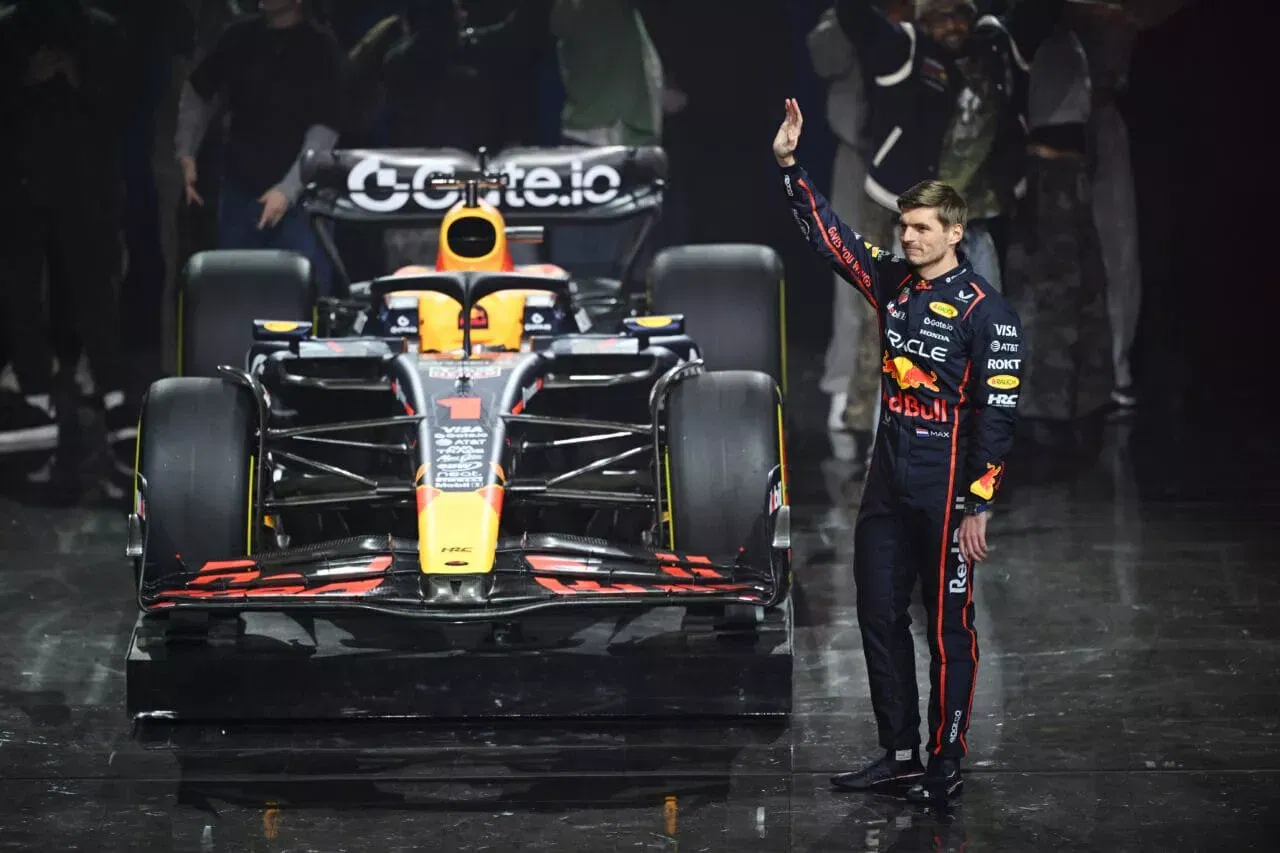
In this new generation, the drivers have more power in their hands than ever before. Critical decision making over energy deployment, regeneration and conservation puts even greater responsibility on them.
Understanding how they will deploy and use these new tactical elements will be vital in ensuring the greatest appreciation of their skill and race-craft.
Below is how we will articulate these new features to fans and stakeholders alike, ensuring our content, broadcasters, spokespeople, advocates and fans of the sport are all aligned on a common language that puts the driver centre stage.
How these changes were developed?
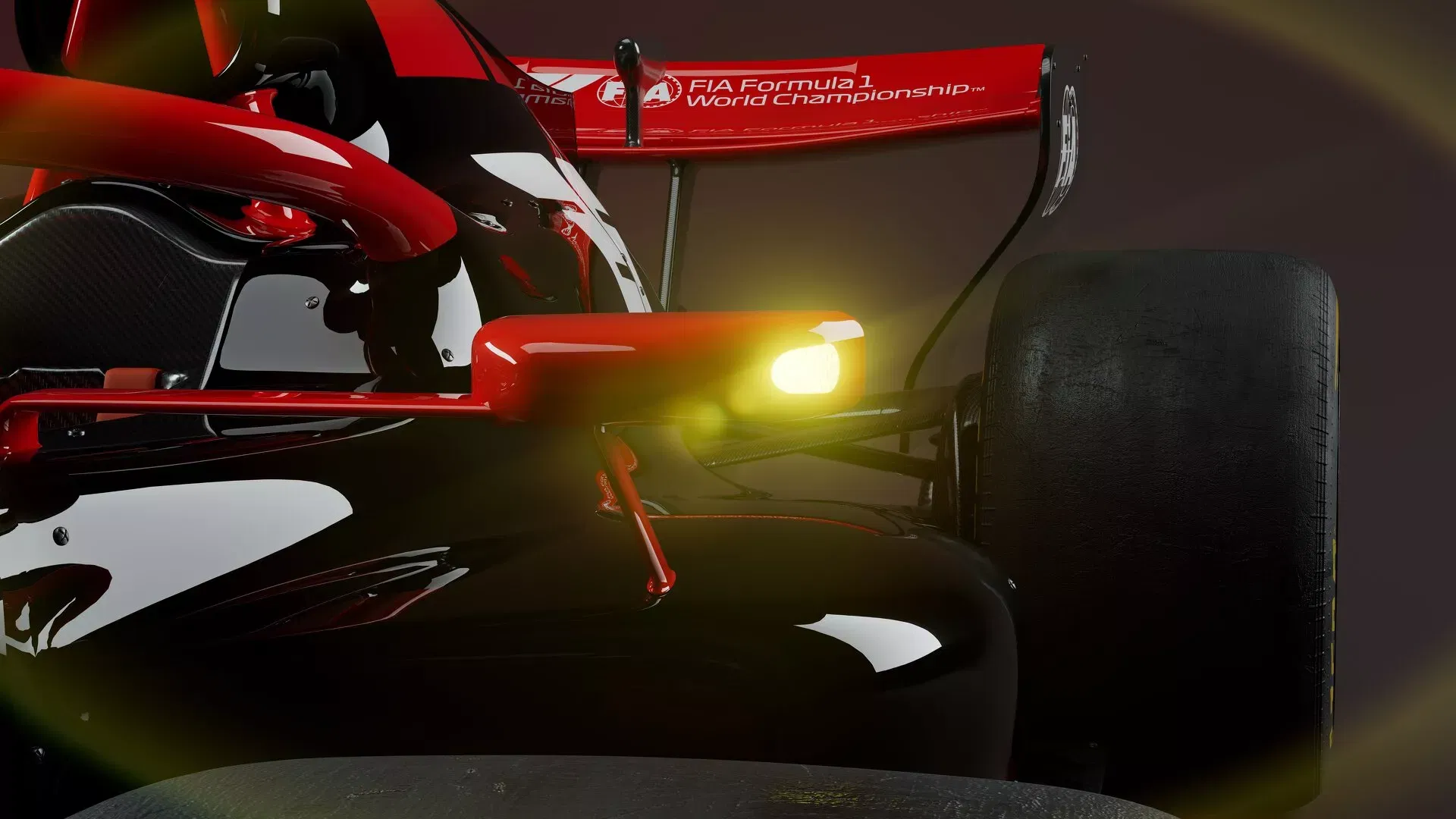
The new terminology was developed in collaboration with the FIA, teams, and engineers. It was then tested with both new and long-standing fans to gather feedback and better understand their perspectives. This process included the use of detailed third-party polling data as well as insights from Formula 1’s 50,000-strong Fan Voice community.
The objective was to avoid gimmicks and unnecessary jargon, recognising that fans—both new and experienced—prefer clear, objective, and meaningful language. At the same time, it was essential that the increased technical complexity of the regulations was respected and communicated accurately. The resulting terminology is designed to be both useful and precise, supporting informed analysis and clear on-track commentary.
Summary of new terminology
Overtake Mode
Function: For drivers within one second of a car in front to deploy extra power to instigate an overtake. It replaces DRS and aids on track passing, being a strategic tool to be used all in one go or spread over a lap.
Boost Mode
Function: This is the driver-operated energy deployment tool from the Energy Recovery System (ERS), to be used offensively or defensively depending on track position. It gives the driver maximum power from the engine and battery at the push of a button, no matter where they are on track.
Active Aero
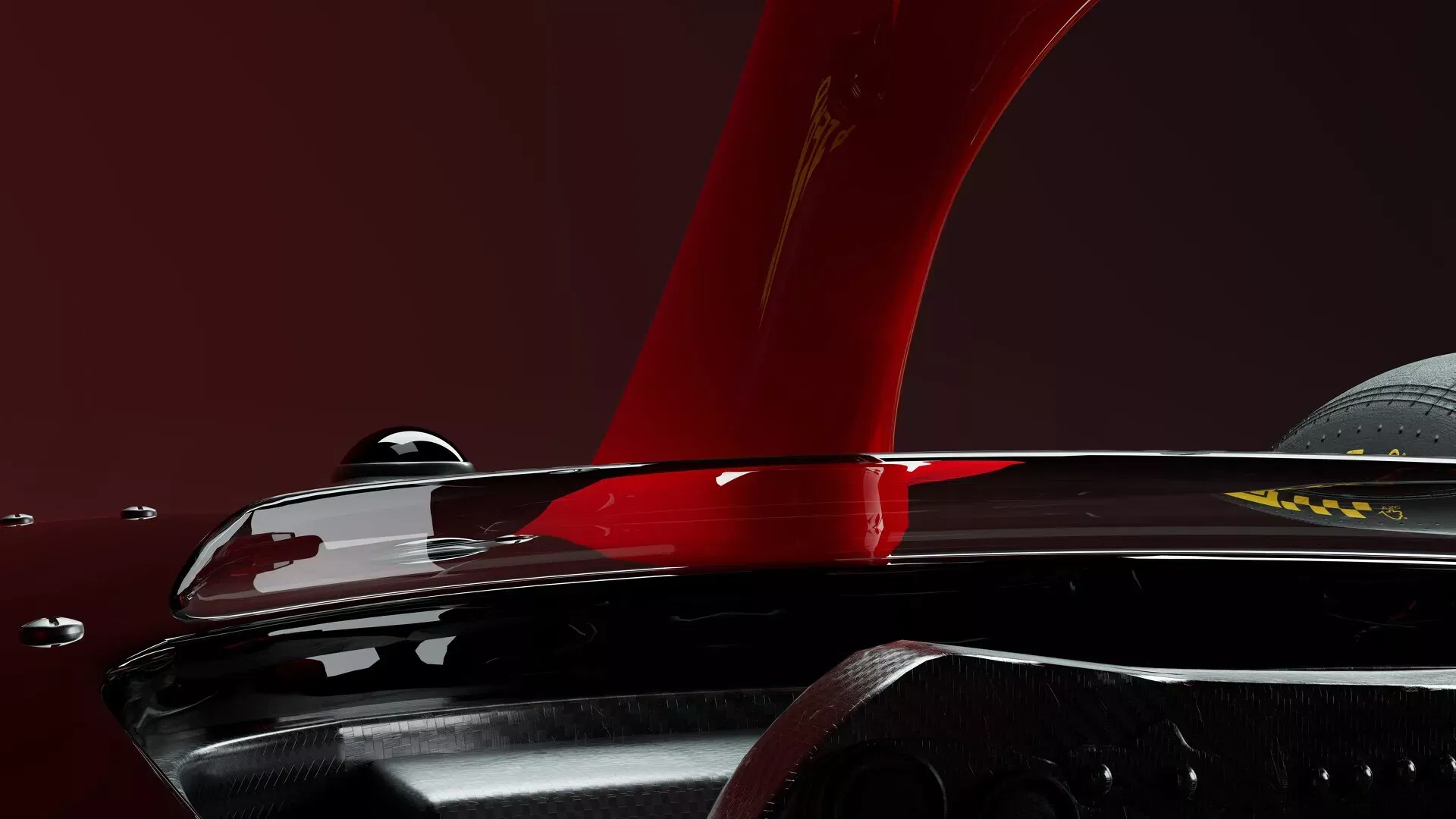
Function: Dynamically adjustable angles of the front and rear wing elements in specific high-speed sections, designed for Corner and Straight modes. It enables strategic adaptability and maximises full usage of the car’s power through greater on track grip.
Recharge
Function: Drivers can recharge their battery with recovered energy from braking, on throttle lift at the end of straights and even corners where only part power is applied.
For more updates, follow Khel Now on Facebook, Twitter, Instagram, Youtube; download the Khel Now Android App or IOS App and join our community on Whatsapp & Telegram.

Hardik is a journalist and Senior Assistant Editor at Khel Now. A graduate of Maharaja Agrasen College, Delhi University, he brings a versatile skill set to the table with experience in writing, editing, and on-camera work. A passionate follower of Manchester United, Lewis Hamilton, and CM Punk. He combines his love for sports with sharp editorial insight.
- F1 2026 Regulations Explained: Biggest Technical Overhaul in Formula 1 History
- Formula 2 2026: Kush Maini joins ART Grand Prix for his fourth F2 season
- Formula 4 Indian Championship: Battle for title set to unfold in high-stakes Chennai season finale
- Formula 1: Six instances Drivers' Championship was decided in last race
- Formula 1: Top six drivers with most wins at Abu Dhabi GP
- Formula 1: Top six drivers with most wins at Abu Dhabi GP
- Lando Norris’ complete record at F1 Abu Dhabi GP
- F1 Abu Dhabi GP 2025: Preview, weather, schedule, start time, how to watch & more
- Formula 1 Title Scenarios: What Lando Norris, Max Verstappen & Oscar Piastri need to win F1 title in Abu Dhabi?
- Formula 1: List of Indians who have been part of F1 in various capacities