
Formula 1: Why Red Bull should part ways with its second team?
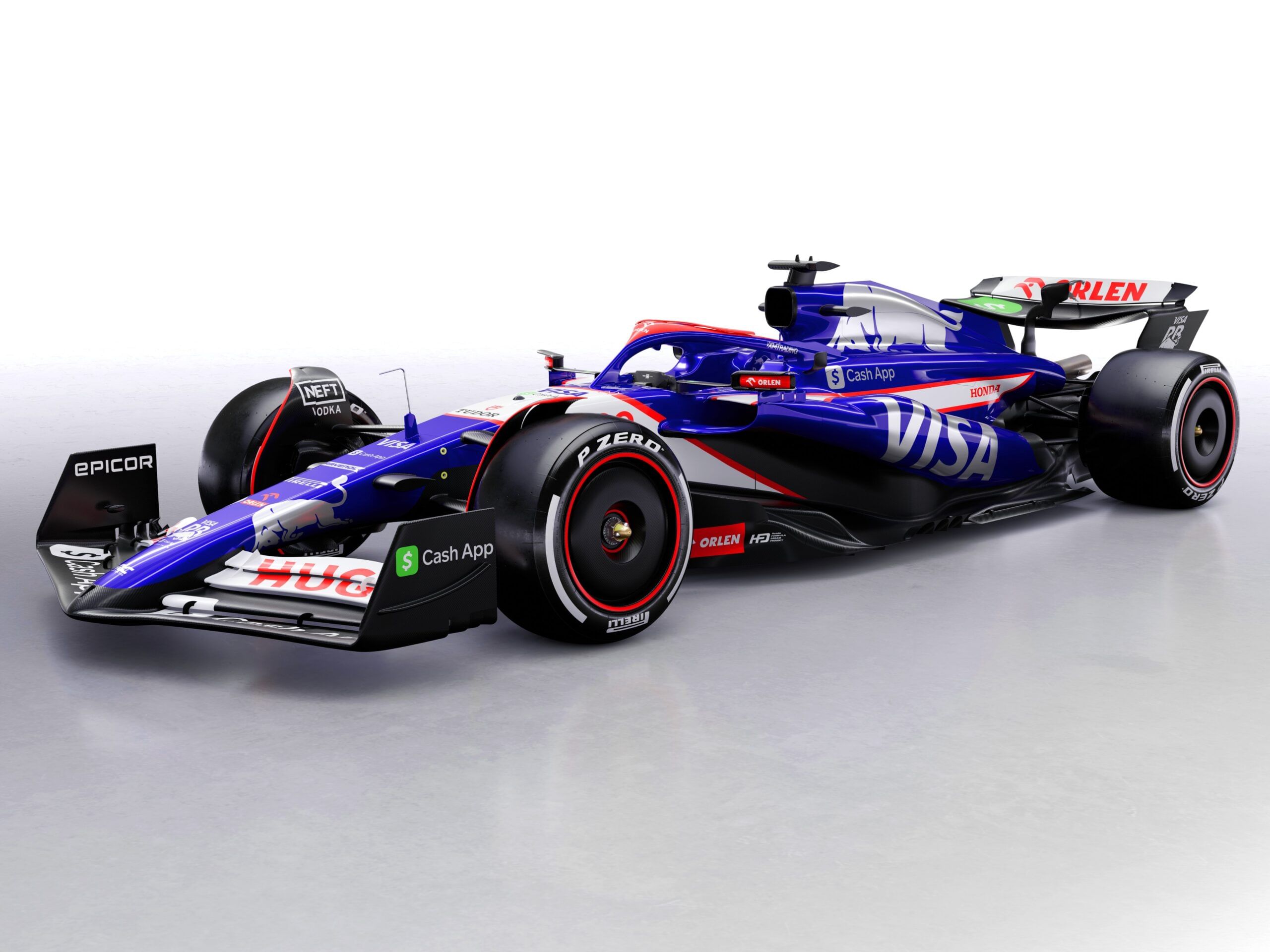
In recent discussions surrounding Formula 1‘s future, the spotlight has turned towards the issue of common ownership of teams, particularly in light of Red Bull’s partnership with its second team, Visa Cash App RB. While this alliance has sparked considerable debate, the underlying concern goes beyond this specific team and touches upon broader issues of sporting integrity within the sport.
Formula 1 has a great chance to confront this problem head-on by putting policies in place to prohibit companies from owning more than one team as the 2026 Concorde Agreement negotiations draw near. While Red Bull shouldn’t be forced to sell its second team, concerted efforts should be made to support a sale to a qualified buyer, guaranteeing a fair price and preserving the sport’s competitiveness.
Need for clear regulations
The concept behind prohibiting multiple ownership stems from the need to safeguard the integrity of competition and prevent conflicts of interest.
Spotting any possibility of collusion or unfair benefits that could damage the sport’s reputation is crucial, especially with only ten teams participating in the grid. This is especially important at a time when social media is driving increased scrutiny.
Moreover, preventing common ownership is not just about mitigating existing risks but also safeguarding against future threats. By explicitly outlawing the ownership of multiple teams or minority stakes by outside entities, Formula 1 can preemptively address concerns of collusion and maintain a level playing field for all competitors.
Also Read:
- Formula 1: Longest intervals between Grand Prix races for F1 constructor teams
- F1 2024 calendar: Everything we know so far
- Formula 1: Top five drivers with most consecutive laps led
- Formula 1: Top six drivers with most consecutive podium finishes in F1 history
- Formula 1: Teams with most consecutive wins in F1 history
- Formula 1: F1 constructors with most wins
Implementing new rules
While the wording of such regulations must be precise to account for complex ownership structures, the overarching principle is clear: ensuring fairness and transparency in competition. Implementing an approval process for team ownership changes can provide the necessary scrutiny to uphold these values, ultimately strengthening the sport as a whole.
It’s essential to emphasize that advocating for the sale of Red Bull’s second team is not an indictment of the team itself. Red Bull‘s acquisition of the team, formerly Minardi, was a significant contribution to Formula 1 and should be acknowledged as such. However, in the interest of preserving sporting integrity, it is important to address the issue of common ownership moving forward.
While Red Bull’s exemption from any new regulations is understandable given its existing arrangement, there is a moral imperative to encourage a sale to uphold the principles of fairness and competition. McLaren’s Zak Brown and other stakeholders have echoed similar sentiments, highlighting the need to address A/B team dynamics and co-ownership arrangements for the long-term health of the sport.
For more updates, follow Khel Now on Facebook, Twitter, and Instagram; download the Khel Now Android App or IOS App and join our community on Telegram.

Where passion meets insight — blending breaking news, in-depth strategic analysis, viral moments, and jaw-dropping plays into powerful sports content designed to entertain, inform, and keep you connected to your favorite teams and athletes. Expect daily updates, expert commentary and coverage that never leaves a fan behind.